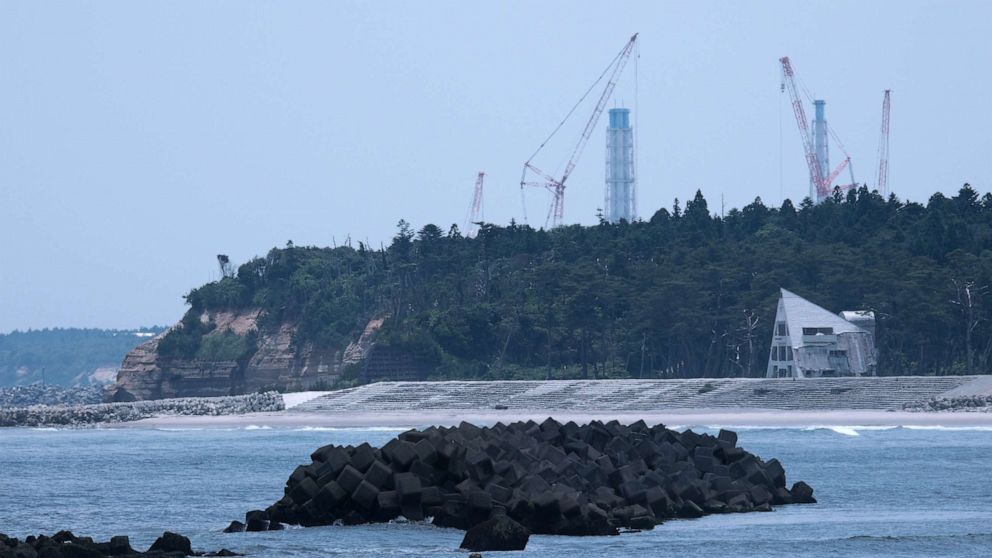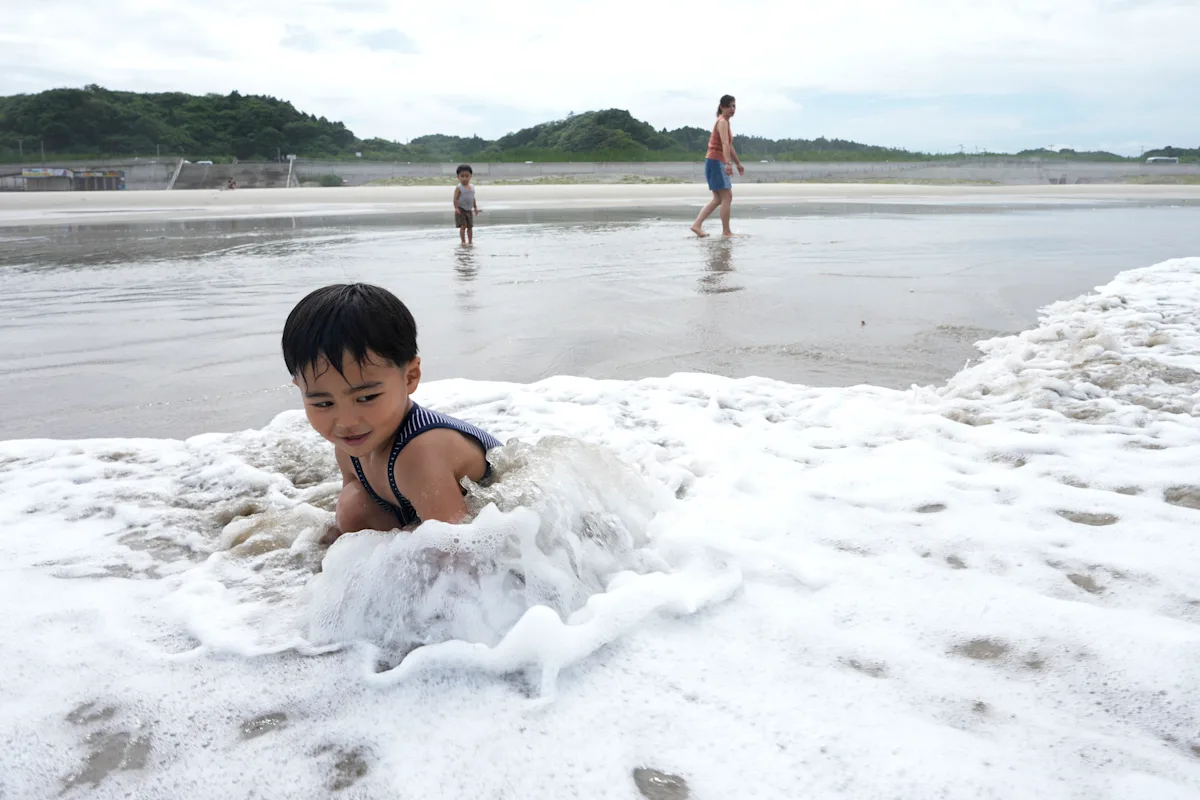
The tsunami-hit Fukushima Daiichi nuclear power plant in Japan is expected to release treated radioactive wastewater into the sea within weeks, a plan that has faced protests and concerns about its impact on the local economy. Residents worry that the water discharge could harm Fukushima's image and hurt businesses and livelihoods. The government and Tokyo Electric Power Company Holdings (TEPCO) argue that the water will be treated and diluted to safe levels, but some residents and fishing organizations remain skeptical. China and Hong Kong have expressed concerns and threatened import restrictions on Japanese seafood. The International Atomic Energy Agency (IAEA) has deemed the method safe, but some experts call for more data on the long-term effects of low-dose radionuclides in the water.
Japan has called on China to approach the release of radioactive water from the Fukushima nuclear power plant in a "scientific manner" during a meeting between Japanese Foreign Minister Yoshimasa Hayashi and Chinese top diplomat Wang Yi. China has been the most vocal critic of Japan's plan to release over 1 million tonnes of water, expressing concerns about the environmental and human impact. While Japan defended the plan, stating that the water has been filtered and the impact would be negligible, the two countries did not reach a clear agreement on the matter. The issue of the water release was a significant topic of discussion, along with tensions over China's increasing military activity in the region.
New Zealand's Foreign Minister, Nanaia Mahuta, expressed confidence in the International Atomic Energy Agency's (IAEA) advice on Japan's proposed release of treated water from the Fukushima plant. The IAEA recently stated that the release would have a negligible radiological impact on people and the environment. Mahuta emphasized the importance of engaging with the Pacific region, considering its traumatic experience with nuclear testing. The Pacific Islands Forum has raised concerns about the water release's potential impact on fisheries. New Zealand will continue to advocate for transparency and meaningful dialogue regarding the water release.
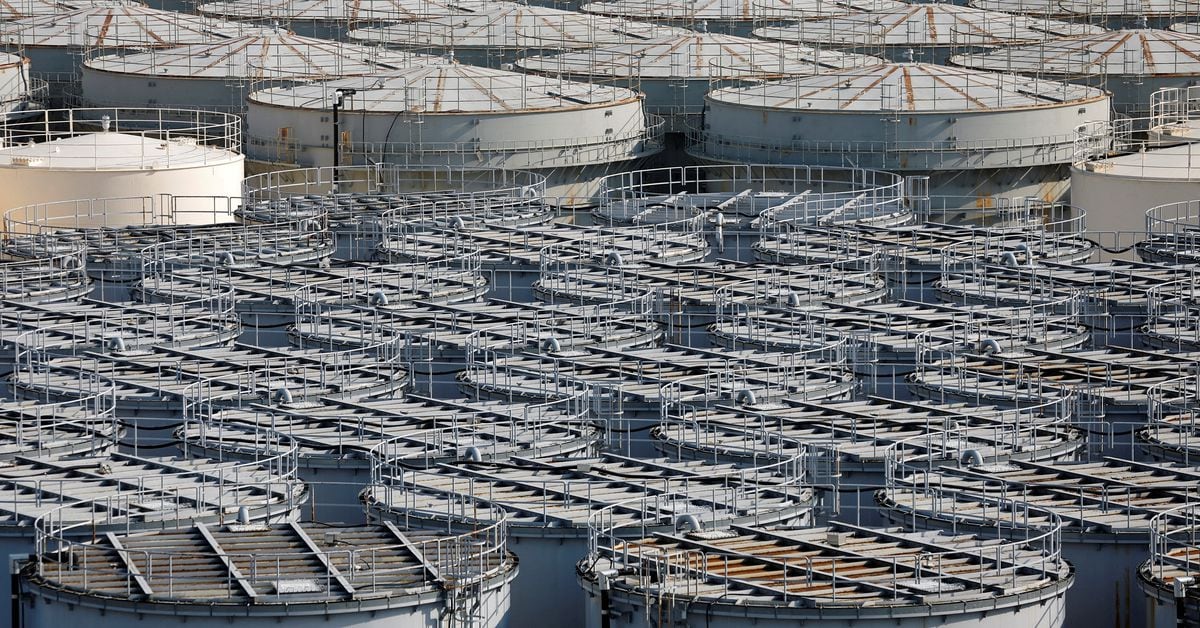
The International Atomic Energy Agency (IAEA) has approved Japan's plan to release 1.3 million tons of treated wastewater from the Fukushima Daiichi nuclear power plant into the Pacific Ocean over the next 30 to 40 years. The water, which was used to cool nuclear reactors after the 2011 earthquake and tsunami, is currently stored in tanks on-site. The IAEA concluded that the release would have negligible radiological impact on people and the environment. China, South Korea, and some Pacific Island nations have opposed the plan, while Japanese fishing communities and anti-nuclear activists have also voiced concerns. Japanese regulators have completed their final safety inspection, and Tokyo Electric Power Company (TEPCO) is expected to receive a permit to discharge the water in a week.
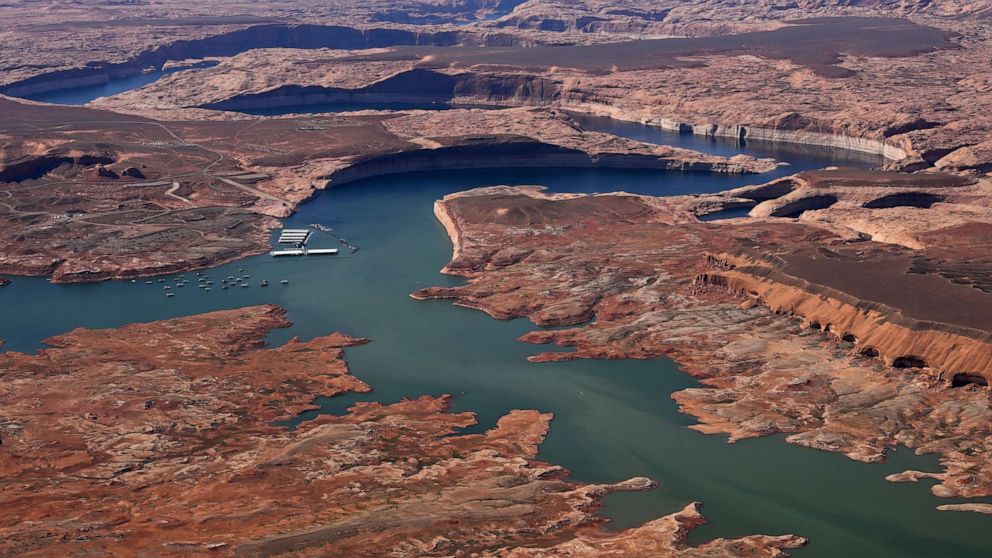
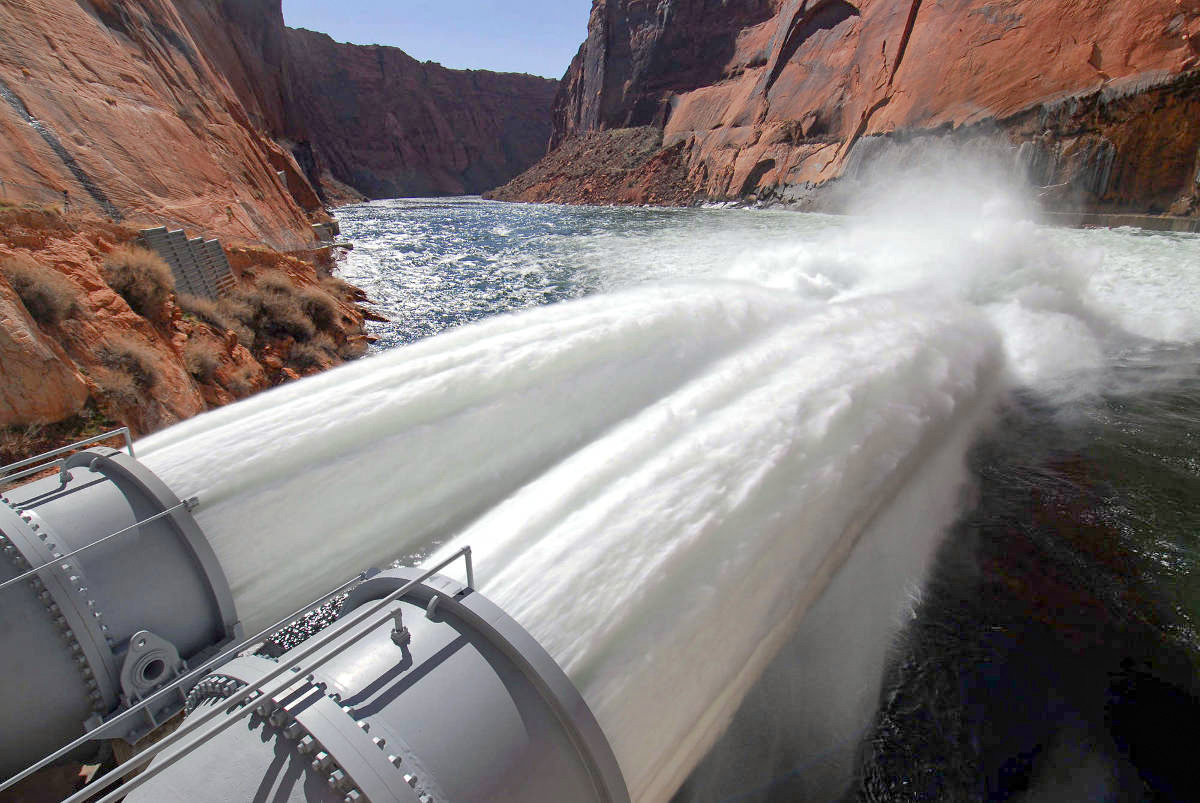
Billions of gallons of water are being released from Lake Powell and dumped into waterways along the Grand Canyon to restore sandbars, beaches, and campsites used by visitors to the Grand Canyon. The release aims to restore the Colorado River corridor in eastern Grand Canyon National Park. The release will mimic the natural flow pattern of the Colorado River, which would typically occur each spring during the runoff of snowmelt. The experiment will not affect the total annual amount of water released from Lake Powell to Lake Mead for the 2023 water allotment.
The US Bureau of Reclamation has begun a High Flow Experiment (HFE) by releasing 39,500 cubic feet per second of water from Lake Powell to restore sandbars and beaches in the Grand Canyon and move sediment downriver to Nevada's Lake Mead. The HFE will last for 72 hours and is expected to peak on Wednesday morning before subsiding back to normal flow on Saturday. Lake Mead is projected to rise 33 feet higher than expected this year due to snowpack levels in the Upper Colorado River Basin.
The U.S. Bureau of Reclamation has begun a High Flow Experiment (HFE) by releasing 39,500 cubic feet per second of water from Lake Powell through the Glen Canyon Dam for 72 hours, which will eventually end up in Lake Mead. The experiment is designed to restore sandbars and beaches while moving sediment downriver to improve the Colorado River corridor in eastern Grand Canyon National Park. Lake Mead is projected to rise 33 feet higher than expected this year because of snowpack levels in the Upper Colorado River Basin.