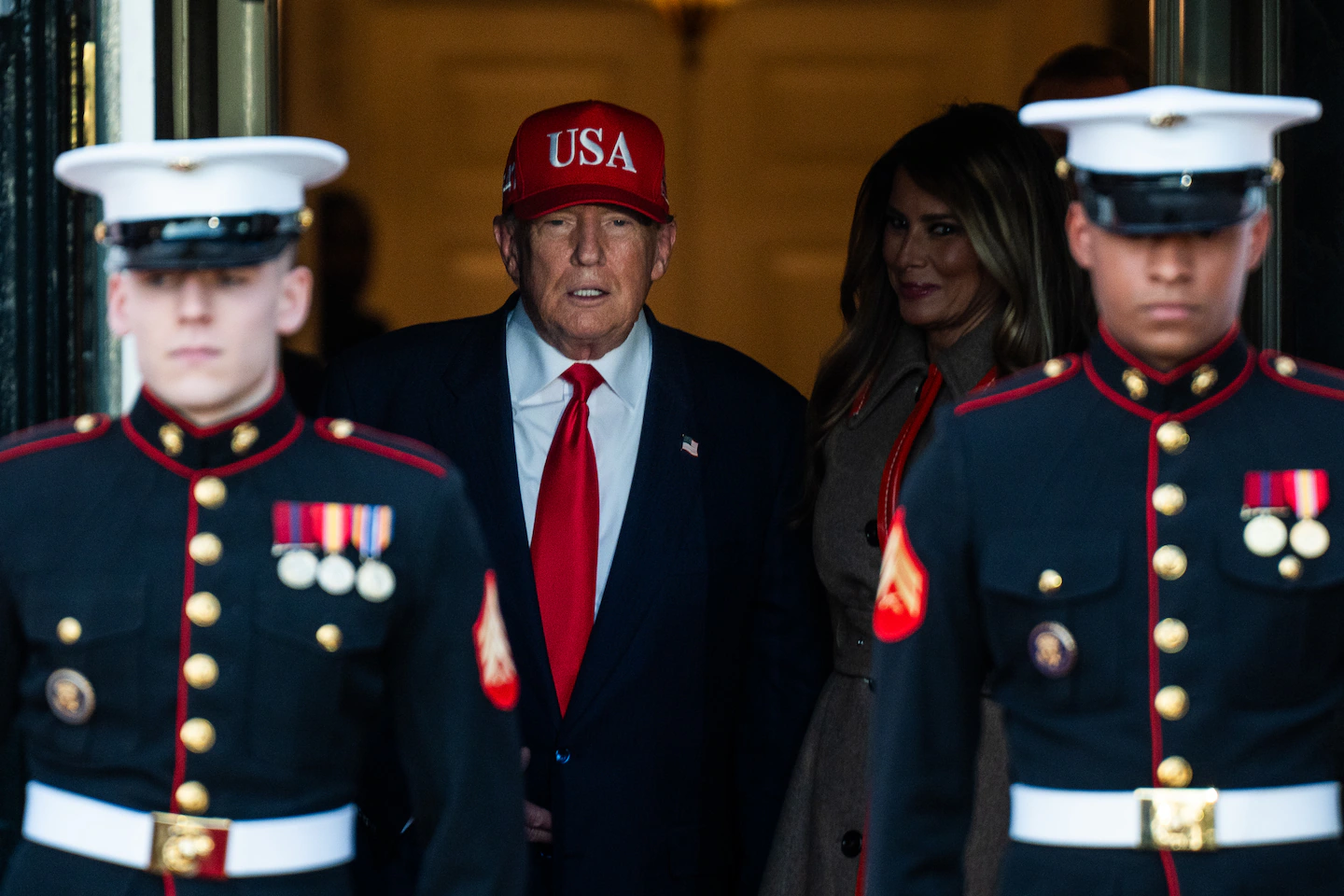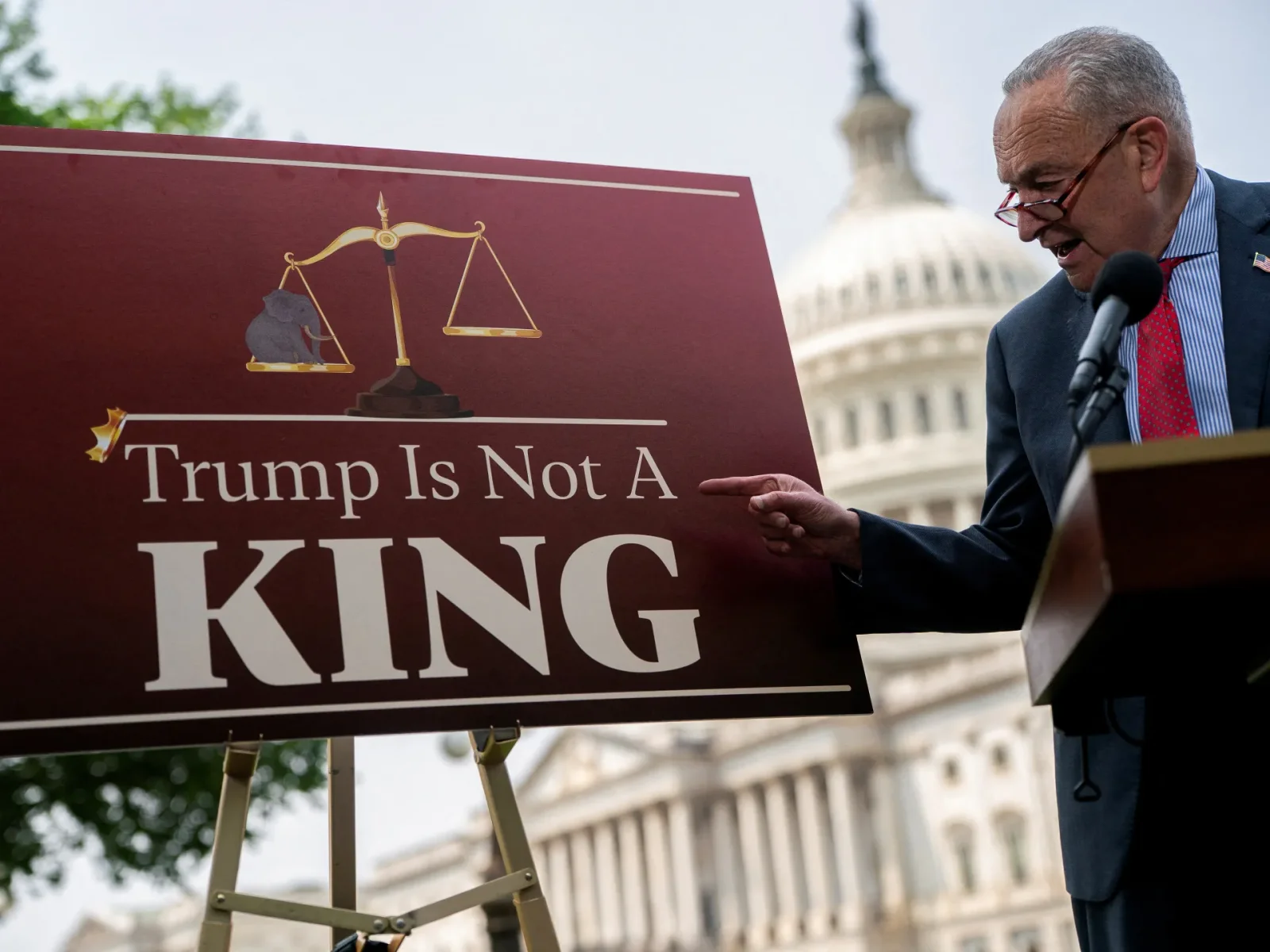
Trump claimed the War Powers Resolution is unconstitutional after ordering actions in Venezuela, but courts have not ruled on its constitutionality; the act requires the president to report within 48 hours and to end hostilities within 60 days unless Congress approves, and presidents have often relied on authorizations rather than formal declarations of war, while Congress debates limits and a Senate move on Venezuela faces uncertain prospects.
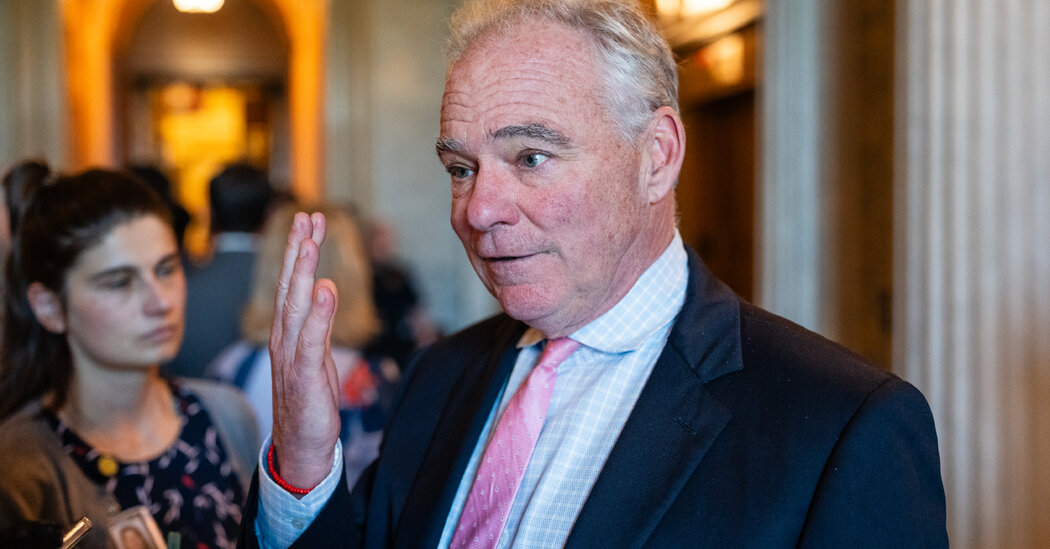
Senate Republicans blocked a bipartisan war powers resolution led by Sen. Tim Kaine that aimed to prevent President Trump from conducting military strikes against Venezuela, amid ongoing U.S. military buildup and strikes in the region targeting alleged drug traffickers, raising concerns about escalation and executive power.
The article criticizes the Trump administration's attempt to bypass the War Powers Resolution's 60-day limit on military actions by arguing that maritime strikes against drug smugglers do not constitute 'hostilities,' a legal interpretation that is widely considered flawed and dangerous, potentially allowing unchecked presidential military actions outside congressional approval.
The Trump administration claims that its drone strikes against suspected drug smuggling boats in the Caribbean do not fall under the War Powers Resolution, as they are conducted remotely and do not constitute 'hostilities,' allowing the president to continue these operations without congressional approval beyond 60 days.
The Office of Legal Counsel informed Congress that the Trump administration believes the War Powers Resolution does not apply to military actions against cartels, asserting that the executive branch is not bound by this law for such strikes.
Former President Trump is planning to conduct military strikes against drug traffickers in Latin America without congressional approval, citing legal authority under the War Powers Resolution and framing the actions as limited defensive measures rather than a formal war, amidst mixed reactions from Republican leaders and concerns over constitutional and political implications.
Senate Republicans narrowly voted against legislation that would limit President Trump's authority to use military force against drug cartels, highlighting ongoing debates over executive war powers and congressional oversight amid Trump's military actions in the Caribbean targeting drug vessels.
The Senate rejected a resolution to block Trump's military strikes on alleged drug boats near Venezuela, raising concerns about presidential authority and legality of the strikes, which have been conducted without explicit congressional approval.
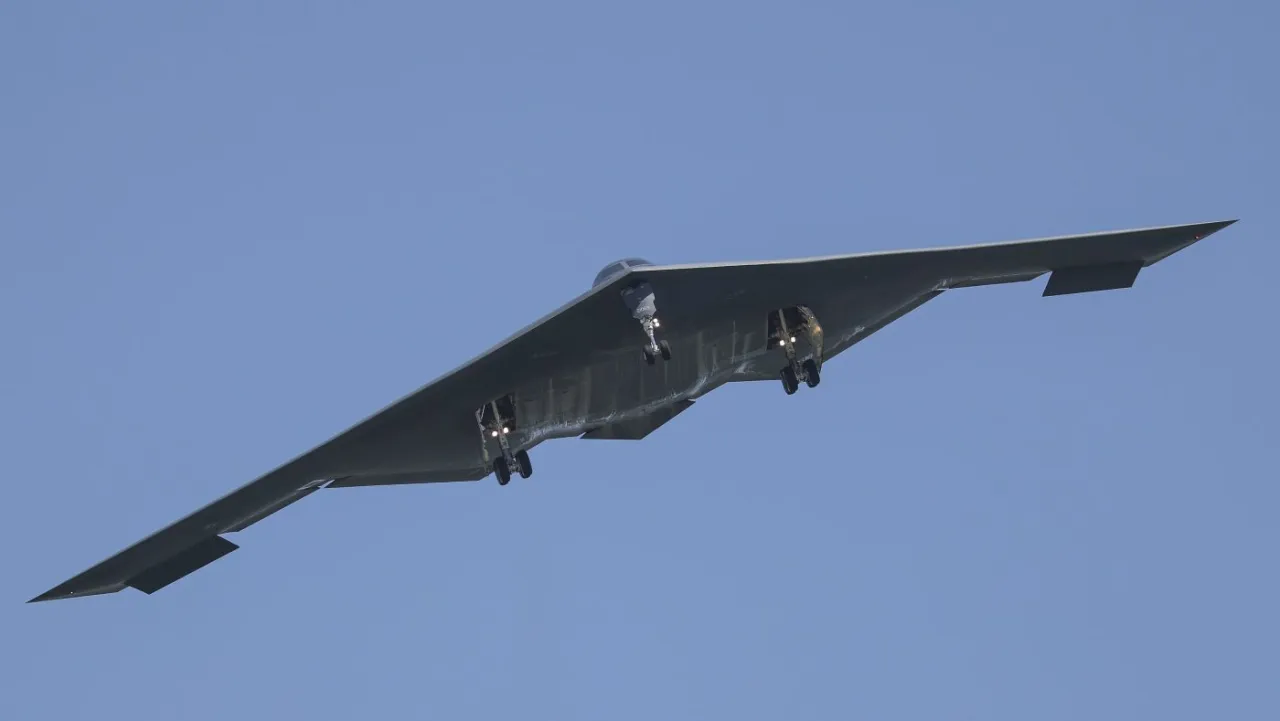
The U.S. Senate rejected a war powers resolution aimed at preventing President Trump from attacking Iran, with most Democrats supporting it and most Republicans opposing, highlighting divisions within the Democratic caucus and ongoing debates over military intervention and congressional authority.
The Senate narrowly voted against a Democratic resolution that would have required President Trump to seek congressional approval before any future military actions against Iran, reflecting deep partisan divides over presidential war powers and recent U.S. strikes on Iranian facilities.
The White House postponed classified briefings for Congress on recent U.S. strikes against Iran, causing outrage among Democrats who argue the administration is not fulfilling legal obligations to inform Congress, amid ongoing debates over the legality and justification of the military actions.
House Rules Chair Virginia Foxx indicated that there are no plans to end the debate on the war-powers resolution blocking military action against Iran, with a vote expected. Meanwhile, other political developments include the approval of Rep. Robert Garcia as the next top House Democrat on the Oversight Committee, negotiations over tax deductions, and ongoing discussions about military and budget issues related to Iran and domestic policy. The week is marked by significant legislative and oversight activities in Congress.
Twelve House Democrats who are veterans have announced their support for a war powers resolution in response to recent U.S. strikes against Iran, emphasizing the constitutional requirement for congressional approval to declare war and expressing support for their military personnel while criticizing the executive actions taken by President Trump.
Democratic leaders are divided over how to respond to Trump's military strikes on Iran, with some supporting bipartisan efforts to limit presidential war powers and others calling for congressional briefings, amid public opposition to the conflict.
The article examines whether President Trump had the legal authority under the U.S. Constitution to order strikes on Iran, highlighting debates over presidential war powers, historical precedents, and the War Powers Resolution, with experts generally suggesting Trump had some authority under existing legal interpretations, though critics argue he may not have fully complied with legal requirements for congressional consultation.