The piece argues that Trump’s national security team has militarized U.S. policy, sidelined the State Department and NSC, and enabled reckless force and domestic deployments, weakening democracy and credibility abroad.
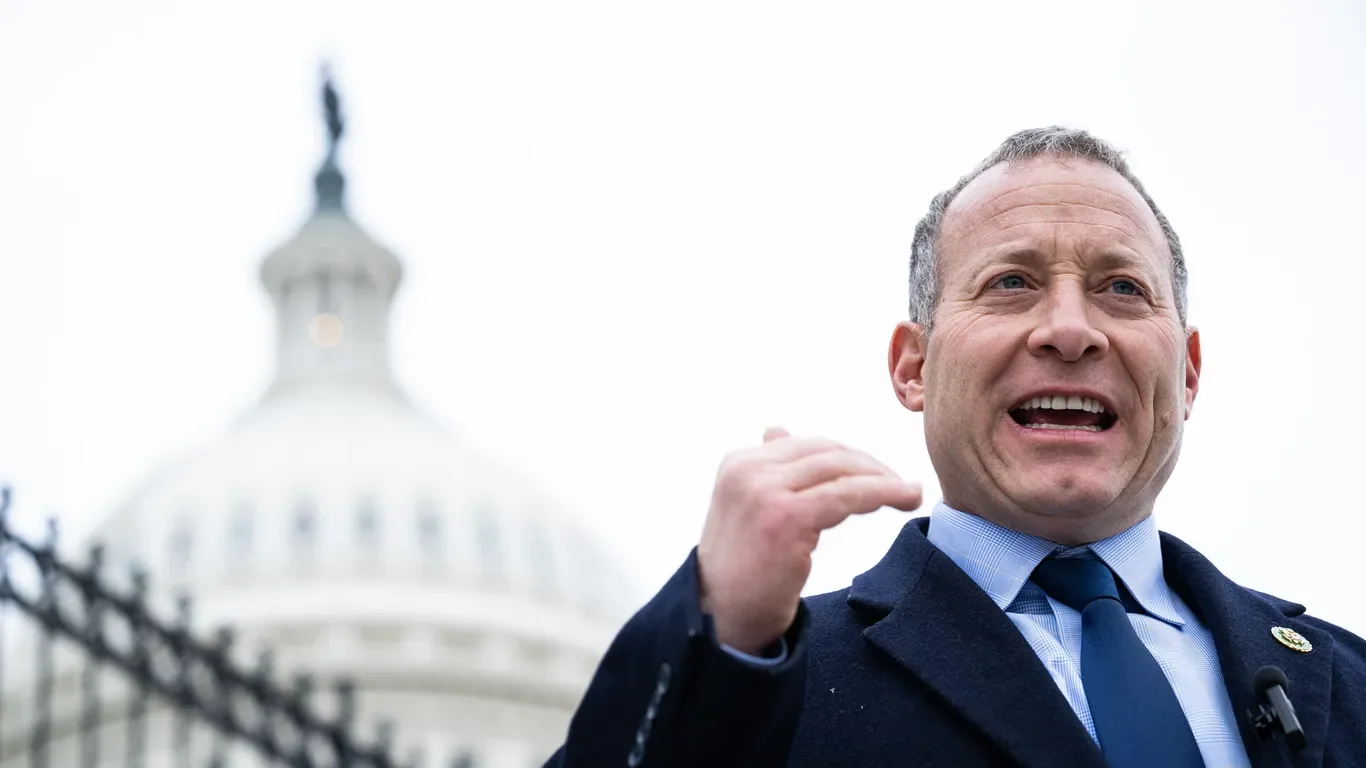
Reps. Josh Gottheimer (D‑N.J.) and Mike Lawler (R‑N.Y.) will oppose the Khanna–Massie War Powers Resolution that would curb the president’s ability to act against Iran, signaling a lack of Democratic unity and making passage harder. The move comes as Trump mulls military options against Iran and hints at possible strikes, with Senate action and broader bipartisan responses still unclear.
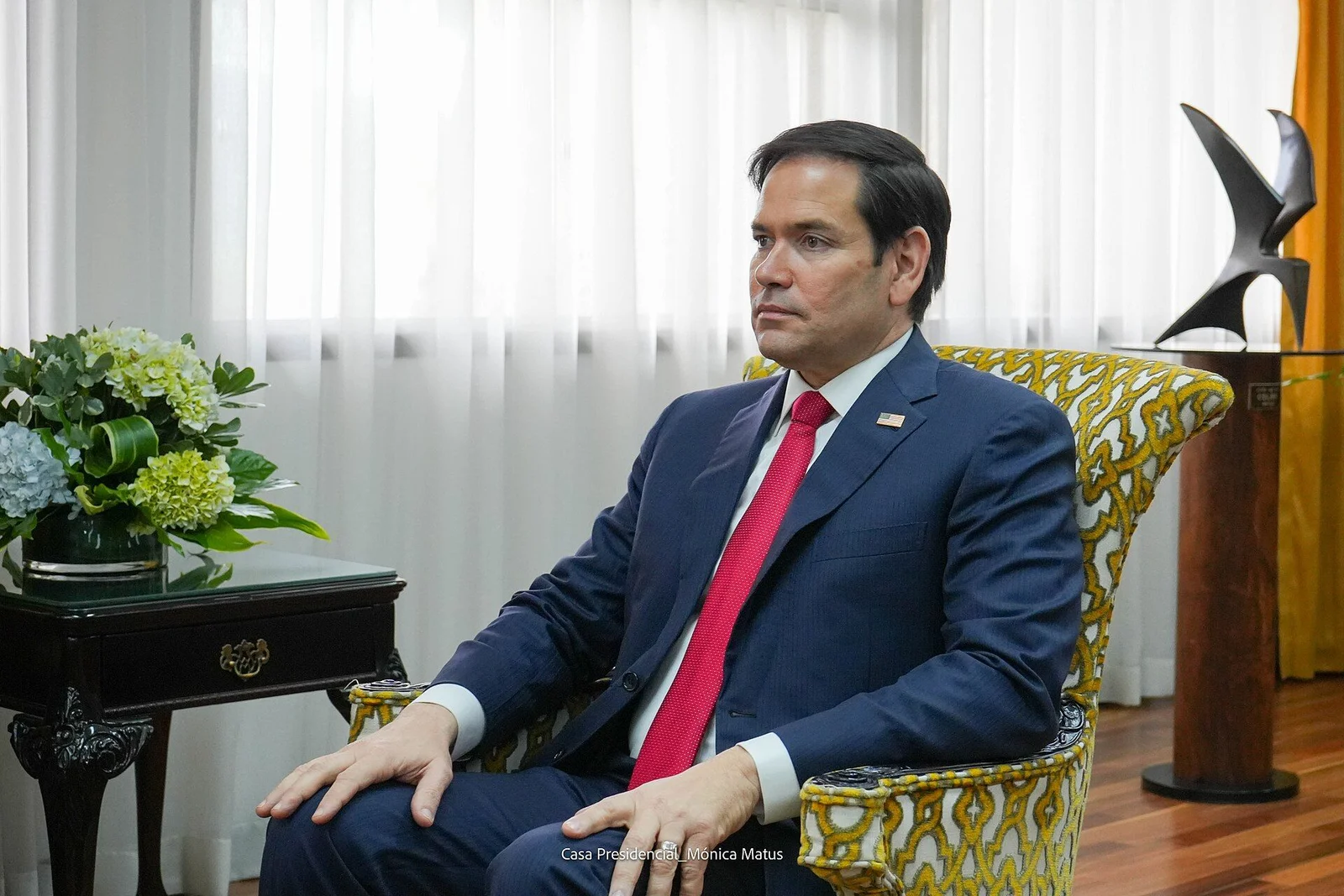
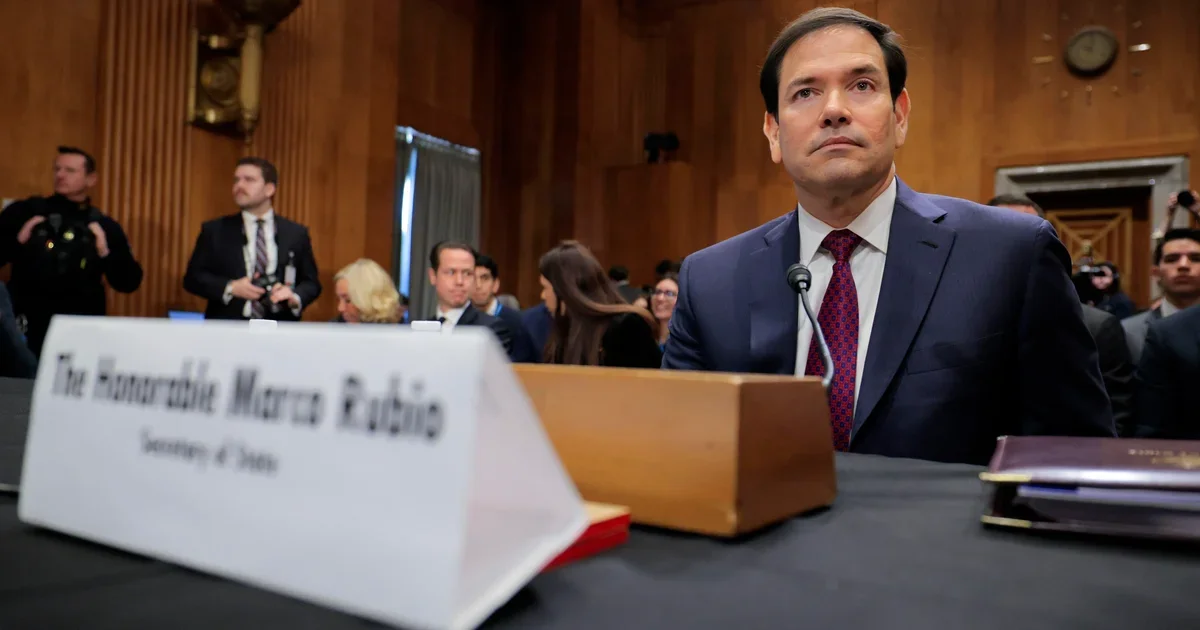
In a Senate Foreign Relations hearing, Rubio defended the U.S. operation to seize Maduro, pressed for cooperation from Venezuela’s interim leader Delcy Rodríguez, and warned force could be used if necessary, while Democrats argued the mission is costly and destabilizing amid growing Chinese/Russian influence. Sen. Risch framed the action as limited and constitutional, and Sen. Shaheen criticized the administration’s broader strategy. The report also notes U.S. strikes on drug-smuggling boats, regional troop deployments, and ongoing debates over the War Powers Act and congressional authorization.
The House Republicans narrowly defeated a Democratic-backed measure intended to block President Trump from deploying U.S. forces to Venezuela after a tied vote, with Rep. Wesley Hunt returning to cast the decisive vote to defeat the resolution, illustrating ongoing strain within the GOP over Trump’s military posture in the Western Hemisphere.
House Republicans narrowly defeated a war powers resolution aimed at constraining President Trump's military actions in Venezuela, as lawmakers debate congressional oversight amid reports of plans to deploy U.S. forces to capture Nicolás Maduro.
The House defeated a Democratic-backed war powers resolution that would have forced Trump to pull U.S. troops from Venezuela after a prolonged, tied vote; two Republicans joined Democrats in opposing the plan, and Republican Wesley Hunt returned to cast the decisive ballot. The administration says there are no U.S. troops on the ground in Venezuela, while Democrats argue Congress must reassert its constitutional role over wartime powers as Trump’s foreign policy actions continue to draw scrutiny. The episode highlights ongoing partisan divisions over how to check a president’s military actions.
As Trump pushes a Greenland intervention, Congress faces renewed scrutiny over its war powers, with a handful of Republicans breaking with Trump and signaling that the era of unchecked presidential action may be waning, even as party unity holds on some fronts.
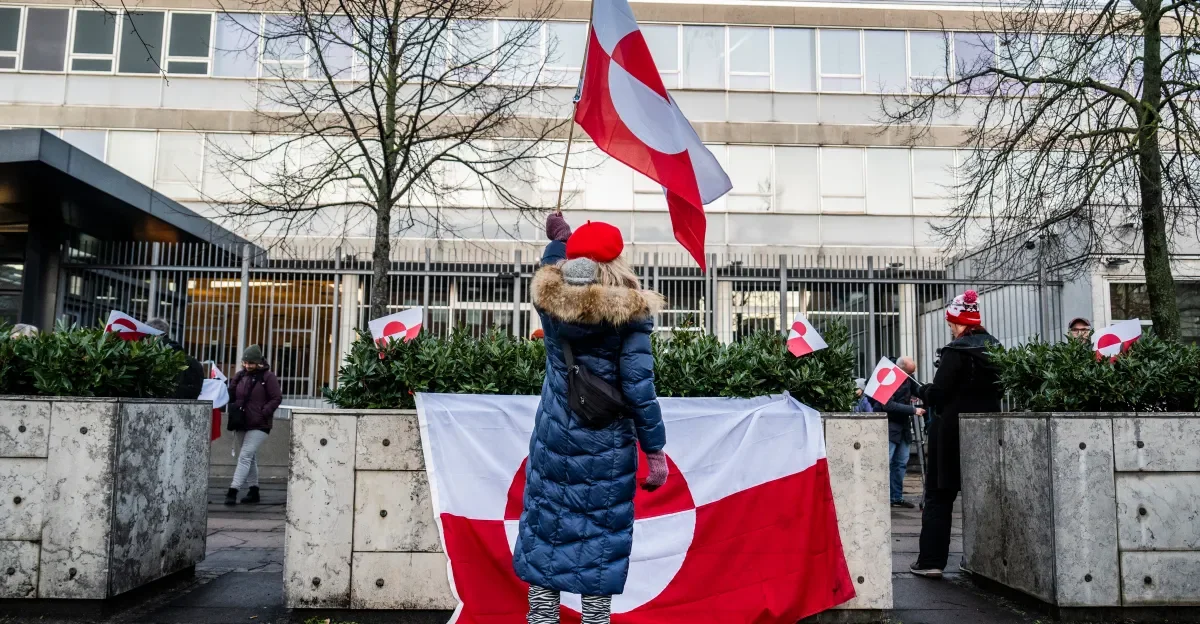
Danish officials told U.S. lawmakers on Capitol Hill to avoid a narrowly supported Greenland war powers vote, arguing that a partisan result could undercut Copenhagen’s position and aid President Trump’s bid to acquire Greenland; in a closed briefing with Foreign Minister Lars Løkke Rasmussen, Greenland’s Vivian Motzfeldt, and senators Murkowski, King and Gallego, the message was to seek broad, nonpartisan support. Gallego has a Greenland war powers bill in the works but said a vote isn’t imminent, while Democrats plan additional resolutions to pressure Republicans to go on the record on Trump’s foreign-policy moves, though several GOP senators remain cautious about a Greenland-specific measure.
As Trump raises the prospect of taking Greenland, Republicans in Congress push for guardrails like congressional sign-off and war-powers resolutions, while privately reassuring Denmark and NATO allies. Key lawmakers including Sen. Lisa Murkowski back nonbinding measures to affirm sovereignty and constrain action, but leadership signals limited appetite to block the president, leaving the outcome uncertain.
A bipartisan group of lawmakers introduced a nonbinding resolution repudiating Trump’s threats to seize Greenland and warning that any U.S. military action there would require congressional approval, part of a broader push for formal war powers votes and alliance reassurance; the day also features talks on FEMA overhaul and a setback for a major crypto bill due to Coinbase opposition.
In a Michigan speech, President Trump attacked Republican senators who backed a war-powers resolution to constrain his use of force in Venezuela, naming Rand Paul and Lisa Murkowski among others as he rails against the vote. Murkowski praised the operation that deposed Venezuela’s president but warned against moving toward war, while Senate Republicans weigh how to handle the measure under White House pressure to drop it. The vote could shape the administration’s authority in Venezuela and GOP dynamics in the chamber.
Under pressure from President Trump, the Senate defeated a Democratic-led war powers resolution to curb future Venezuela strikes, with Vice President JD Vance casting the deciding tie-breaking vote after some Republicans who had supported the measure earlier signaled hesitation and opposition.
The US Senate defeated a war powers resolution intended to force congressional approval for future Venezuela-related military action, with Vice President JD Vance casting the tie-breaking vote after Republican senators Todd Young and Josh Hawley withdrew support; Democrats were unified in backing the measure, but it failed 50-50, underscoring ongoing tensions over executive war authority following Trump's January Venezuela operation and related legal debates.
Senate Republicans narrowly blocked a bid to require President Trump to seek congressional approval before any major military action against Venezuela, with two GOP defectors flipping after extensive White House lobbying and Vice President JD Vance casting the deciding vote to defeat the measure, signaling Trump’s sway over GOP foreign policy even as Democrats plan additional votes on related issues like Greenland.
The Senate is weighing a War Powers Resolution to curb potential Trump-led strikes in Venezuela, but Republican resistance and White House pressure threaten its passage, even though five GOP senators previously joined Democrats to advance it.