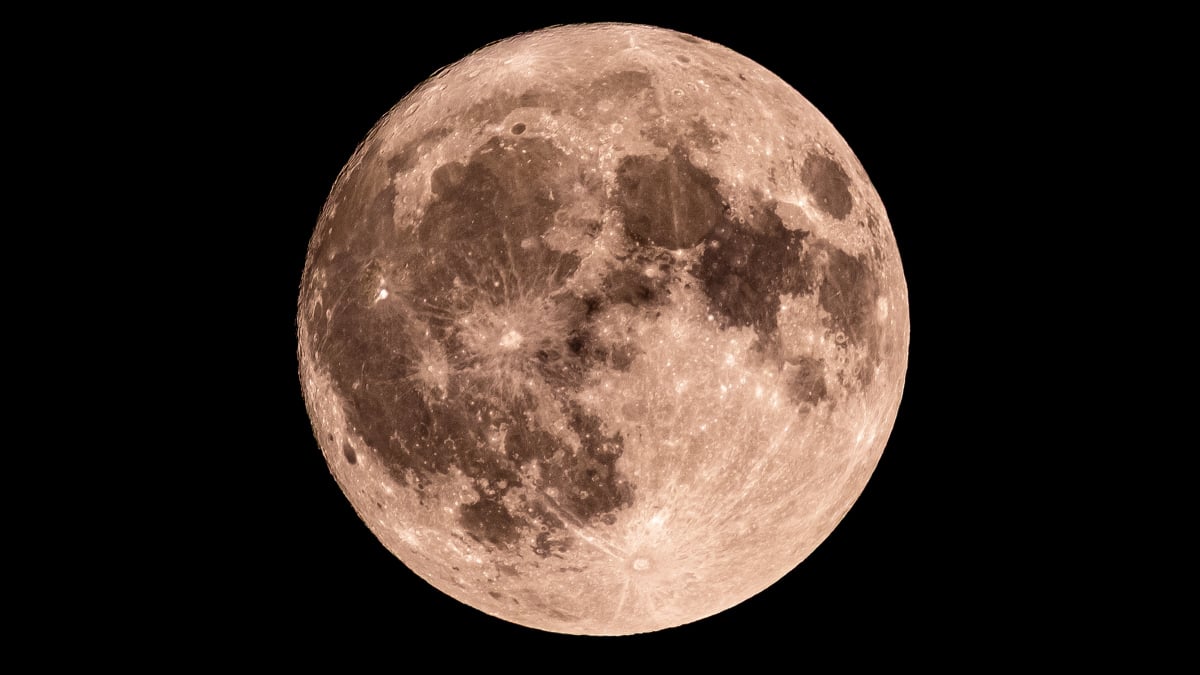
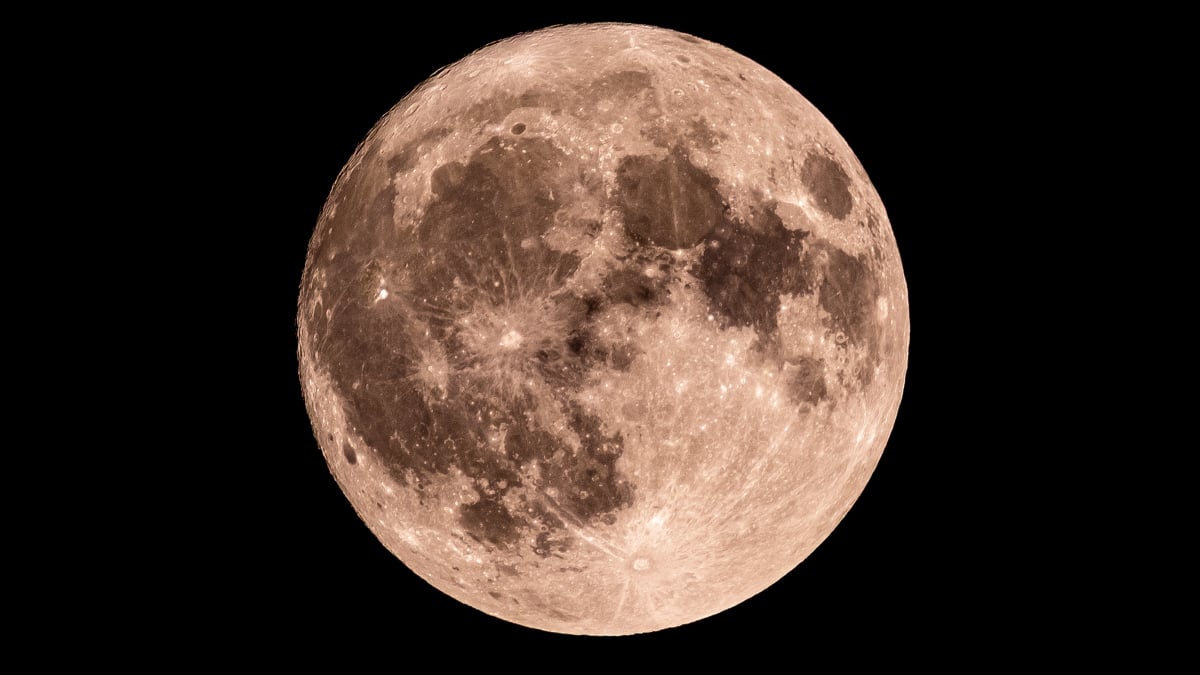
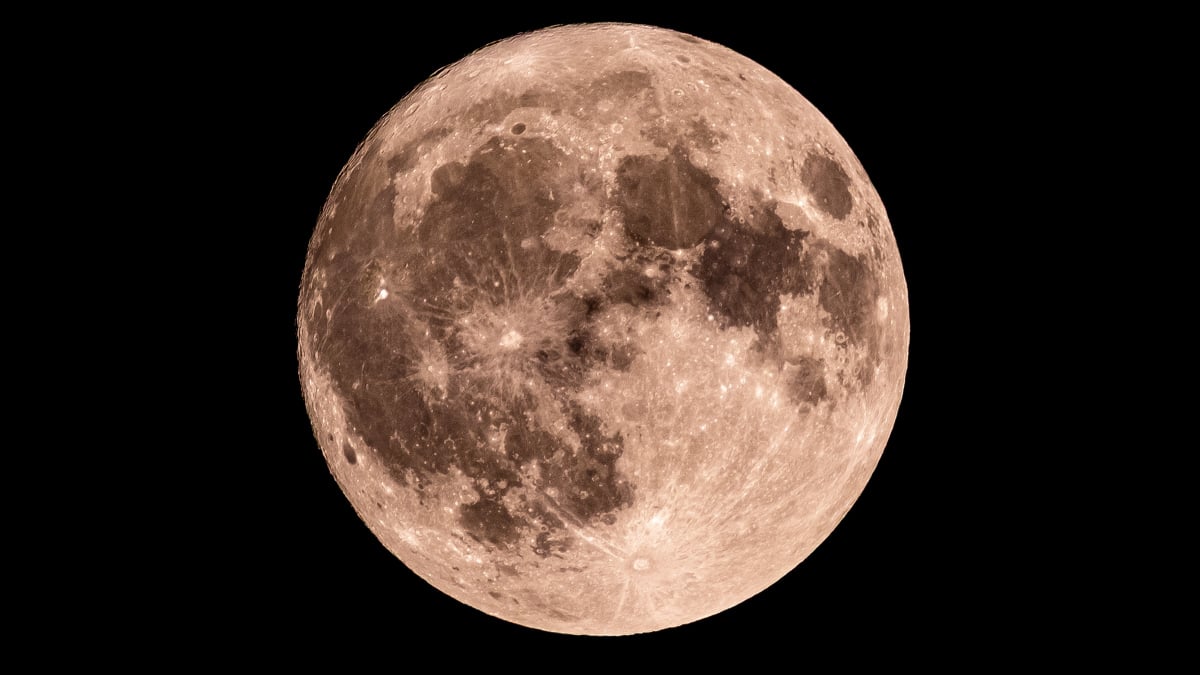
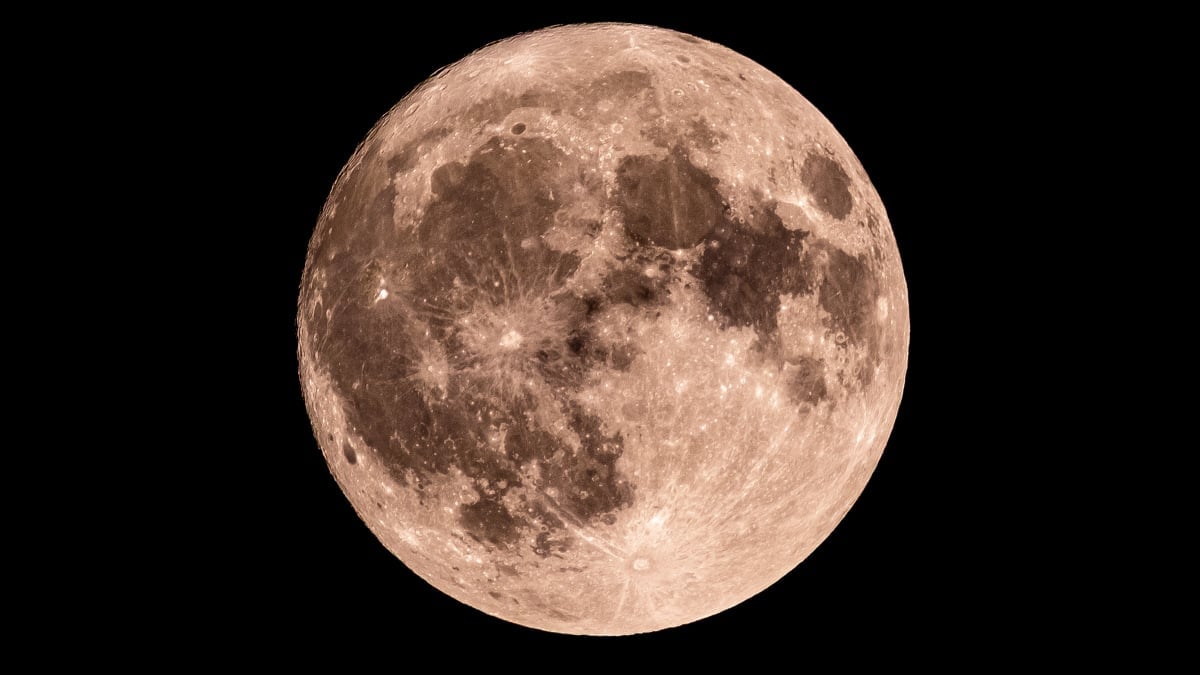
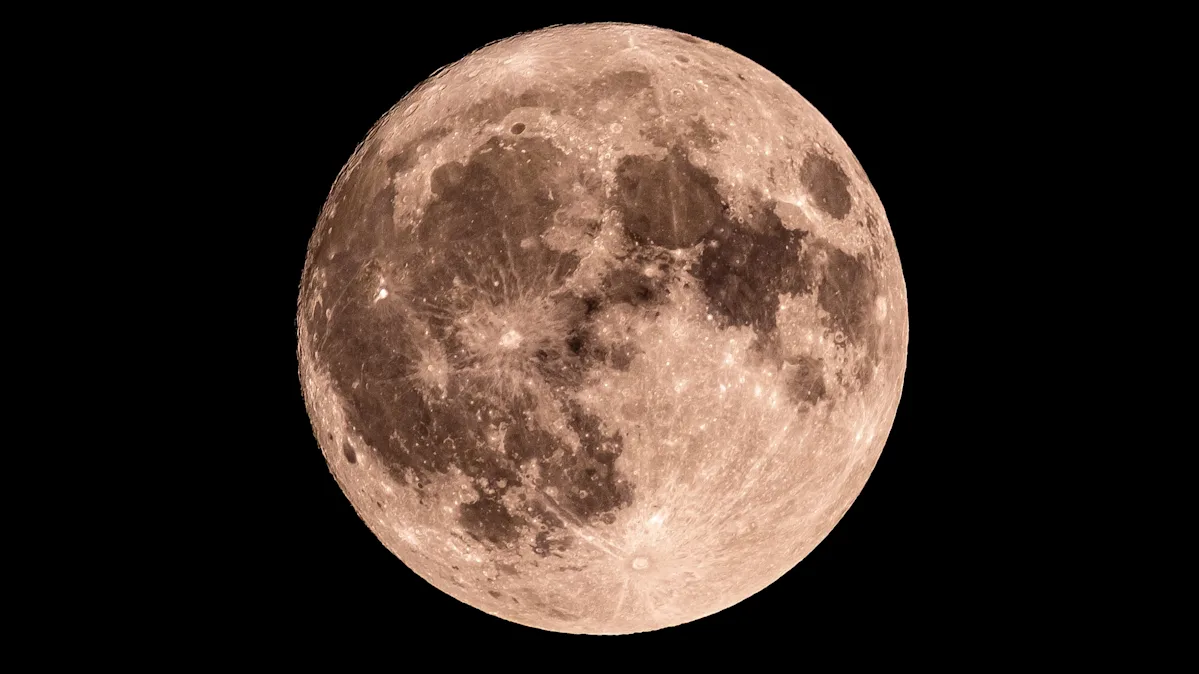
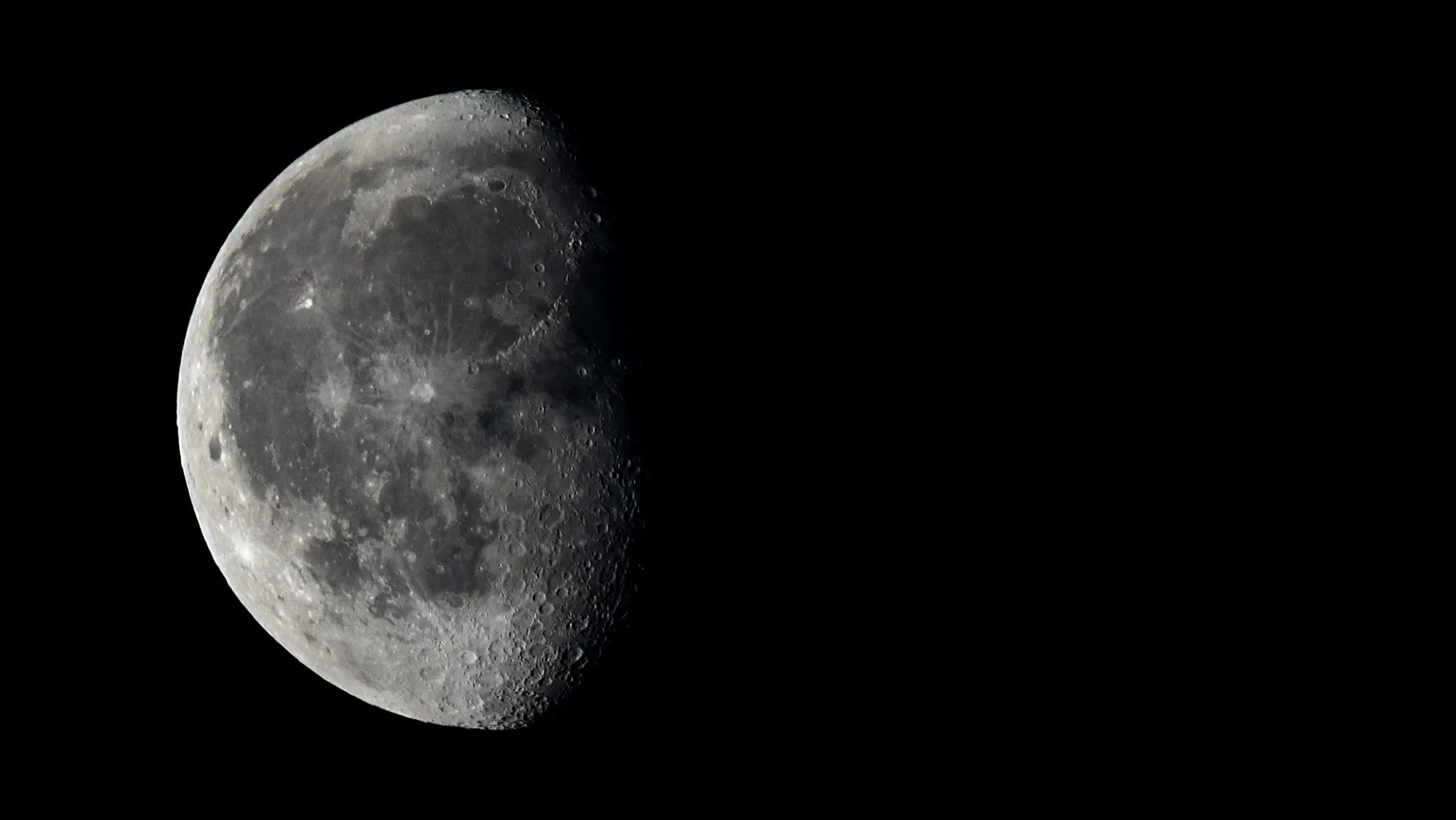
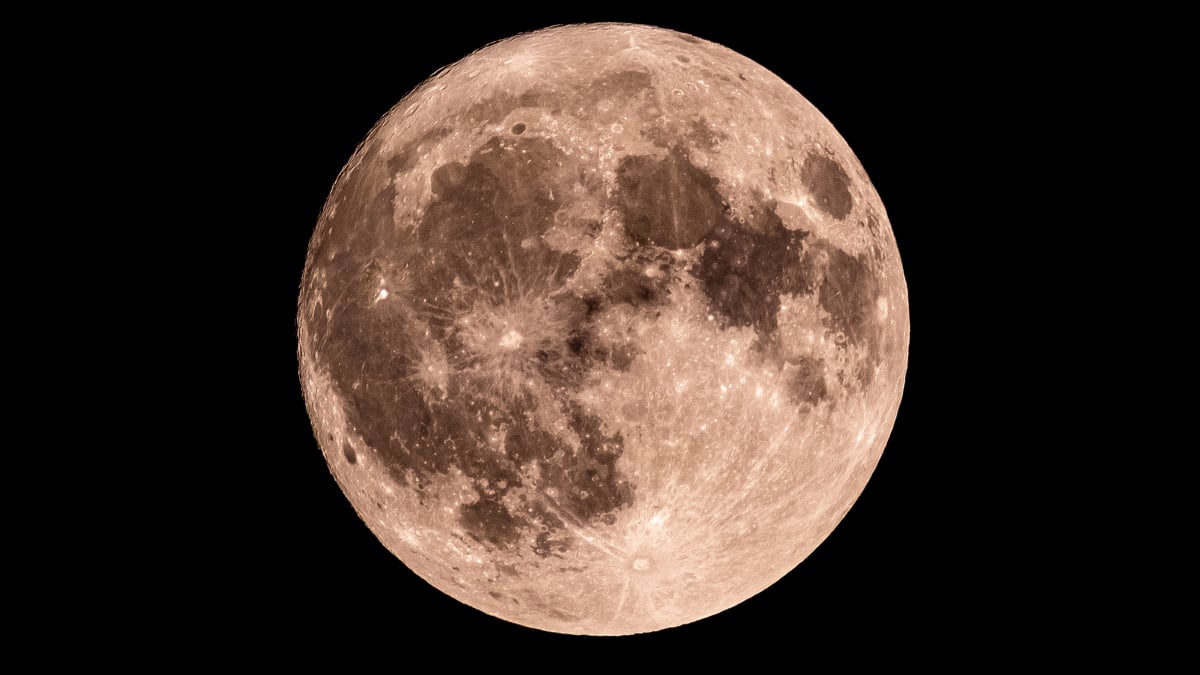
On November 10, 2025, the moon is in its waning gibbous phase, with 68% illumination, visible features include Aristarchus Plateau and Copernicus Crater, and the next full moon is on December 4.
On November 7, 2025, the moon is in the waning gibbous phase, with 94% illumination, gradually approaching the new moon, and the next full moon is on December 4. The article explains the lunar cycle and how different moon phases are visible depending on the moon's position relative to Earth and the Sun.
On October 11, 2025, the moon is in its waning gibbous phase, with 74% illumination, and will continue to wane until the new moon. The next full moon is on November 5, and various lunar features can be observed with binoculars or a telescope. Moon phases occur as the Sun, Earth, and Moon change positions, creating eight main phases in a 29.5-day cycle.
On October 10, 2025, the moon is in the waning gibbous phase, with 84% illumination, and the next full moon is on November 5. The article explains the lunar cycle and how different moon phases occur based on the relative positions of the Sun, Earth, and Moon, highlighting observable features and upcoming lunar events.
On September 8, 2025, the moon is in the waning gibbous phase, 99% lit, with visible features like the Tycho Crater and Mare Tranquillitatis; the next full moon will occur on October 6, following the lunar cycle of approximately 29.5 days.
On August 15, 2025, the moon is in a waning gibbous phase, 58% lit, with notable features visible through binoculars and telescopes. The lunar cycle, lasting about 29.5 days, causes the moon's appearance to change, with the next full moon occurring on September 7. The article explains the eight main moon phases and their causes.
On August 11, the moon will be in its waning gibbous phase at about 94% illumination, following the recent full moon, as part of the lunar cycle that includes eight distinct phases. The next full moon, called the Full Corn Moon, will occur on September 7.
On August 10, 2025, the moon is in the waning gibbous phase, 98% illuminated, offering viewers a chance to see features like Mare Fecunditatis and the Copernicus Crater with the naked eye or binoculars. The next full moon will occur on September 7, following the last on August 9, as part of the moon's 29.5-day lunar cycle.