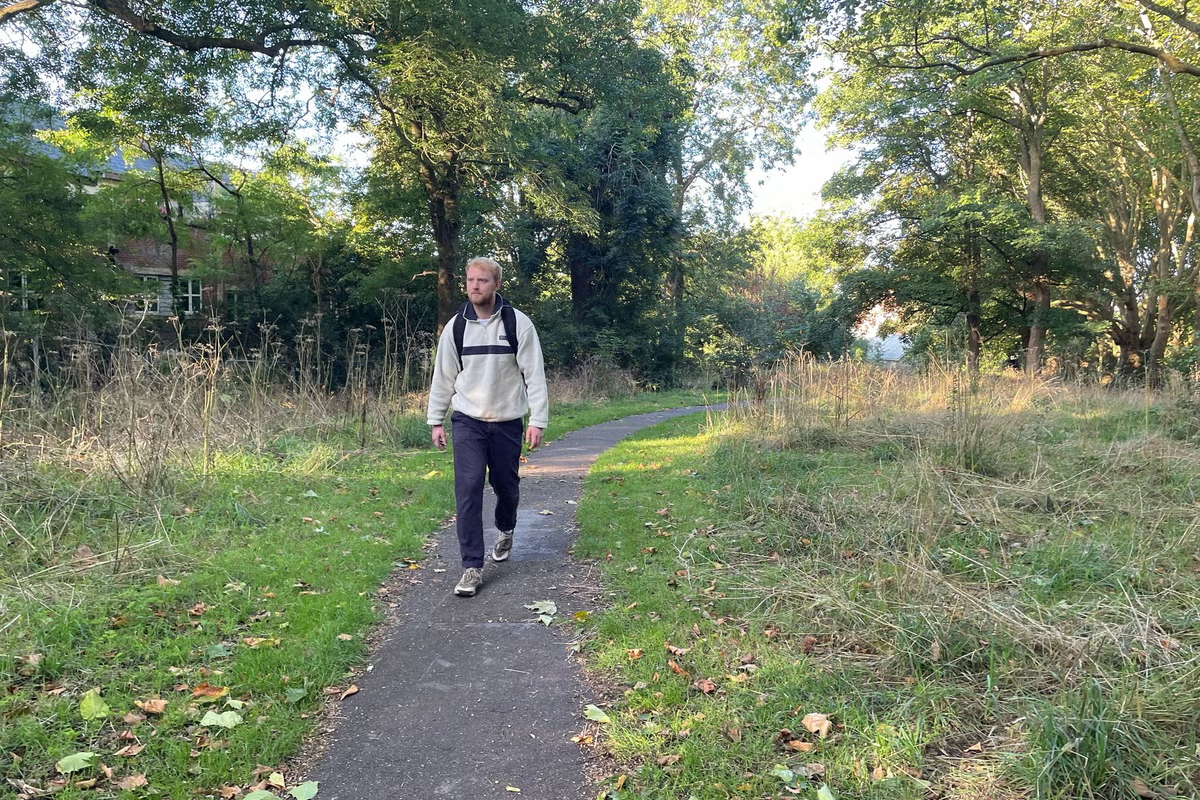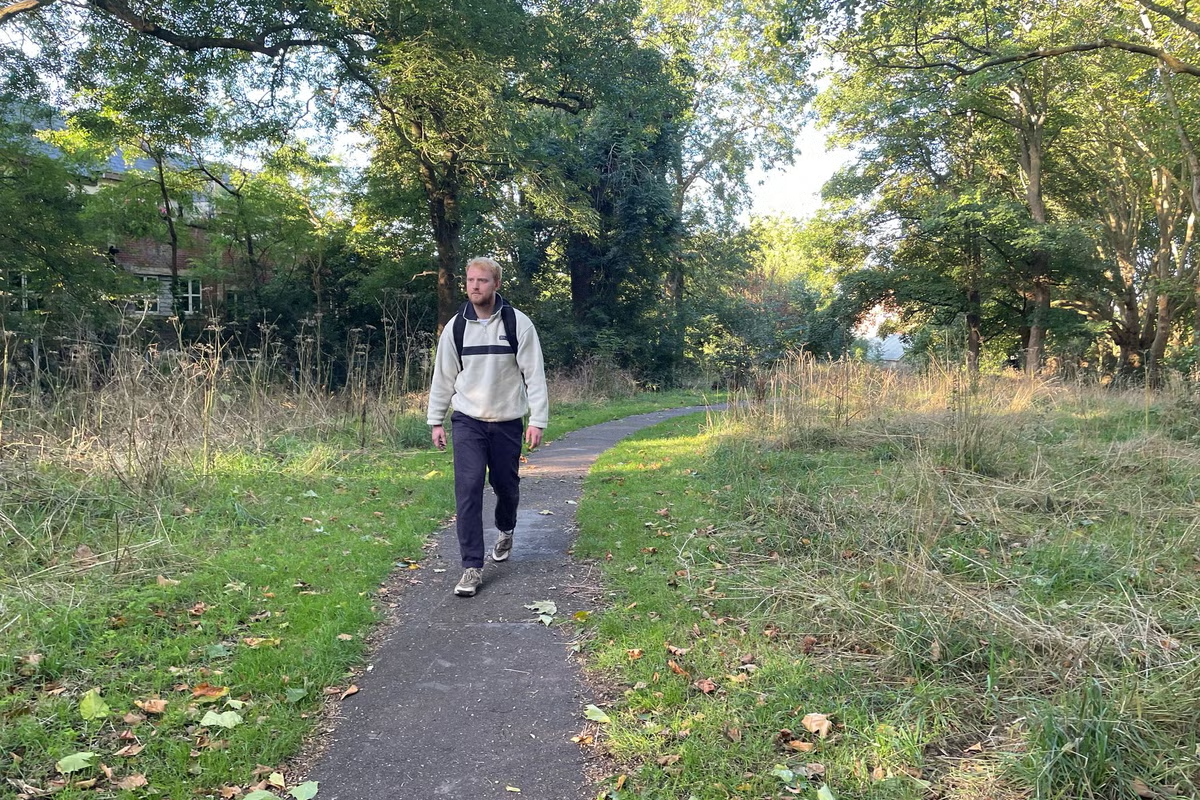
A new 'Japanese walking' method involves 30-minute sessions of alternating low and high-intensity walking, claiming to offer '10 times the benefits' of traditional 10,000 steps daily. Based on a 2007 study, this approach can improve muscle strength, aerobic capacity, and blood pressure, and is more time-efficient. While it provides significant health benefits, it may be less effective than accumulating higher total step counts throughout the day and might reduce the mental health benefits of more relaxed walks. Suitable for busy individuals, its success depends on personal preference and consistency.
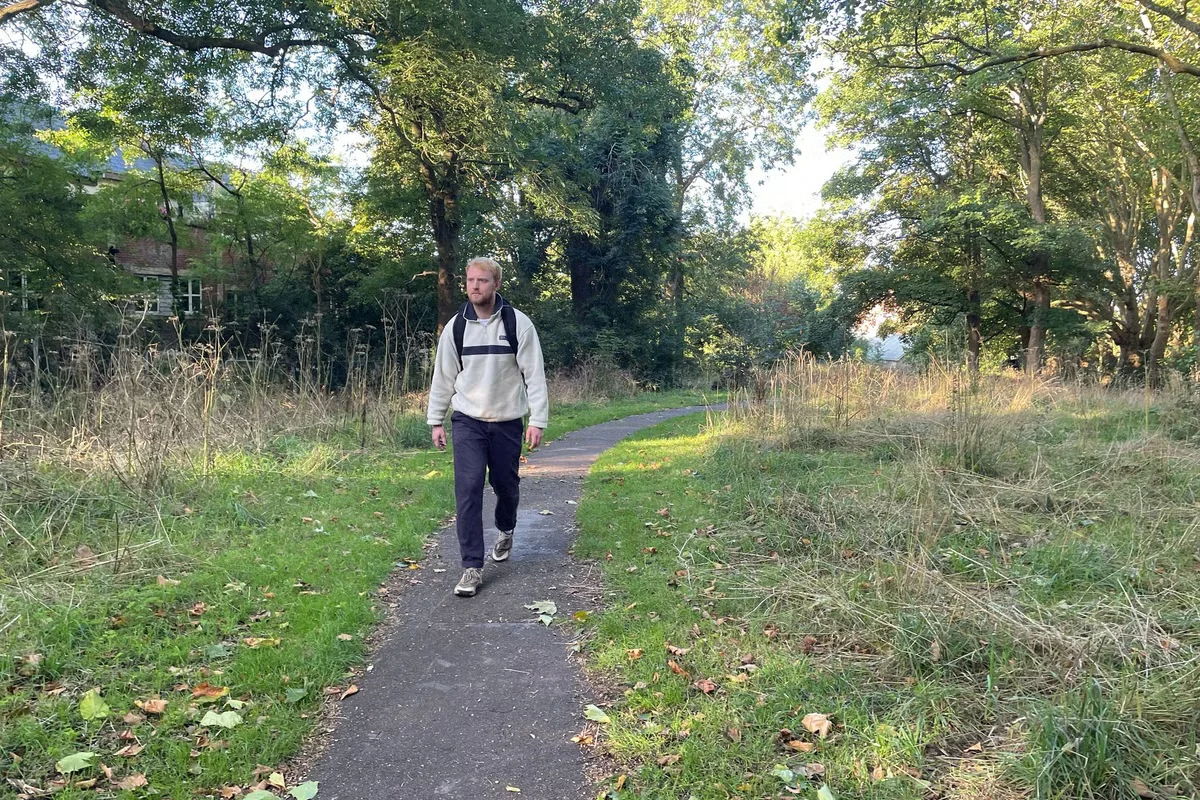
A new 'Japanese walking' method involves 30-minute sessions of alternating low and high-intensity walking, claiming to offer ten times the benefits of walking 10,000 steps daily. Based on scientific studies, this approach can improve muscle strength, aerobic capacity, and blood pressure, especially when combined with regular movement and higher step counts. While effective for time-constrained individuals, it may lack the benefits of spreading activity throughout the day and enjoying the mental health benefits of more relaxed walks. Overall, it’s a time-efficient way to boost health, particularly if it fits your lifestyle and preferences.
A new 'Japanese walking' method involves 30-minute sessions of alternating low and high-intensity walking, claiming to offer '10 times the benefits' of traditional 10,000 steps daily. Based on a 2007 study, this approach can improve muscle strength, aerobic capacity, and blood pressure, and is more time-efficient. While effective, it may not replace the benefits of higher step volume and regular movement throughout the day. Suitable for busy individuals, it can be a practical way to boost health, especially if enjoyed and consistently practiced.
A new 'Japanese walking' method involves 30-minute sessions of alternating low and high-intensity walking, claiming to offer ten times the benefits of traditional 10,000 steps daily. Based on scientific studies, this approach can improve muscle strength, aerobic capacity, and blood pressure, especially when combined with regular movement and higher step counts. While effective for time-constrained individuals, it may lack the benefits of spreading activity throughout the day and enjoying the mental health benefits of more relaxed walks. Overall, it’s a time-efficient way to boost health, particularly if it fits your lifestyle and preferences.
A new 'Japanese walking' method involves 30-minute sessions of alternating low and high-intensity walking, claiming to offer ten times the benefits of traditional 10,000 steps daily. Based on scientific studies, this approach can improve muscle strength, aerobic capacity, and blood pressure, especially when combined with regular movement and higher step counts. While effective for time-constrained individuals, it may lack the benefits of spreading activity throughout the day and enjoying the mental health benefits of more relaxed walks. Overall, it’s a time-efficient way to boost health, particularly for busy people, but should be complemented with other forms of activity for optimal results.
A new 'Japanese walking' method involves 30-minute sessions of alternating low and high-intensity walking, claiming to offer ten times the benefits of traditional 10,000 steps daily. Based on scientific studies, this approach can improve muscle strength, aerobic capacity, and blood pressure, making it a time-efficient alternative for busy individuals. However, it may not replace the benefits of higher step counts spread throughout the day, and enjoyment and consistency are key for long-term health improvements.