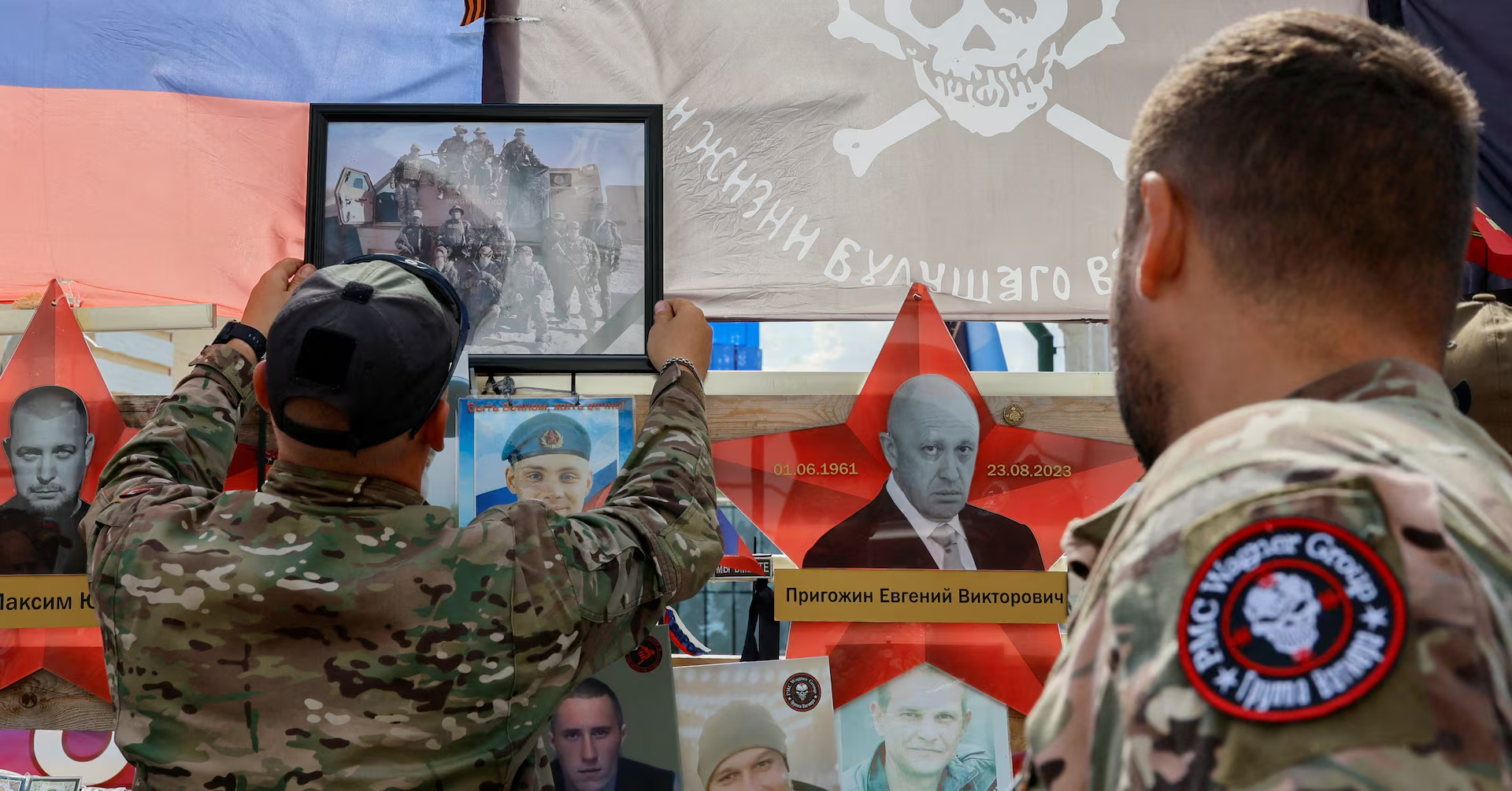
A report highlights tensions in Mali's military caused by the presence of Wagner mercenaries, who have operated outside command, caused security issues, and failed to secure mining deals, leading to resentment and destabilization efforts within Mali's armed forces.
Poland and the Baltic states have threatened to close their borders with Belarus entirely if a "critical incident" involving Wagner mercenaries occurs. The countries have expressed concerns about border security due to the presence of Russian mercenaries and an increase in migrants attempting to cross the border. They demand that the Wagner Group leaves Belarus and that illegal migrants are sent back to their home countries. The closure of border crossings would be implemented in the event of an armed incident or a mass breakthrough of migrants. Poland has already closed most of its border crossings with Belarus this year.
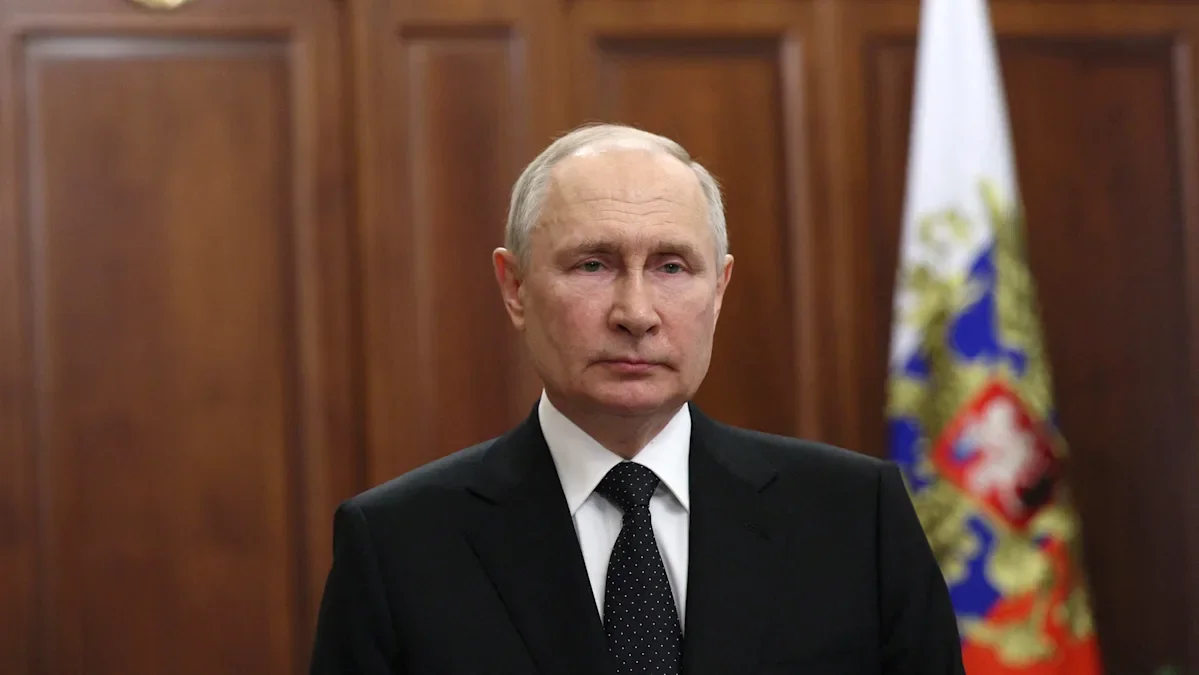
Russian President Vladimir Putin has ordered Wagner mercenaries to sign an oath of allegiance to the Russian state following the crash of a plane believed to be carrying their leader, Yevgeny Prigozhin. The decree, published on the Kremlin website, requires anyone working on behalf of the military or Moscow's war in Ukraine to swear allegiance to Russia. Meanwhile, Ukrainian forces have made further gains near the Zaporizhzhia village of Robotyne, moving closer to Russia's first line of defense. The investigation into the death of three Ukrainian pilots who died in a collision is ongoing, according to Ukrainian President Volodymyr Zelensky.
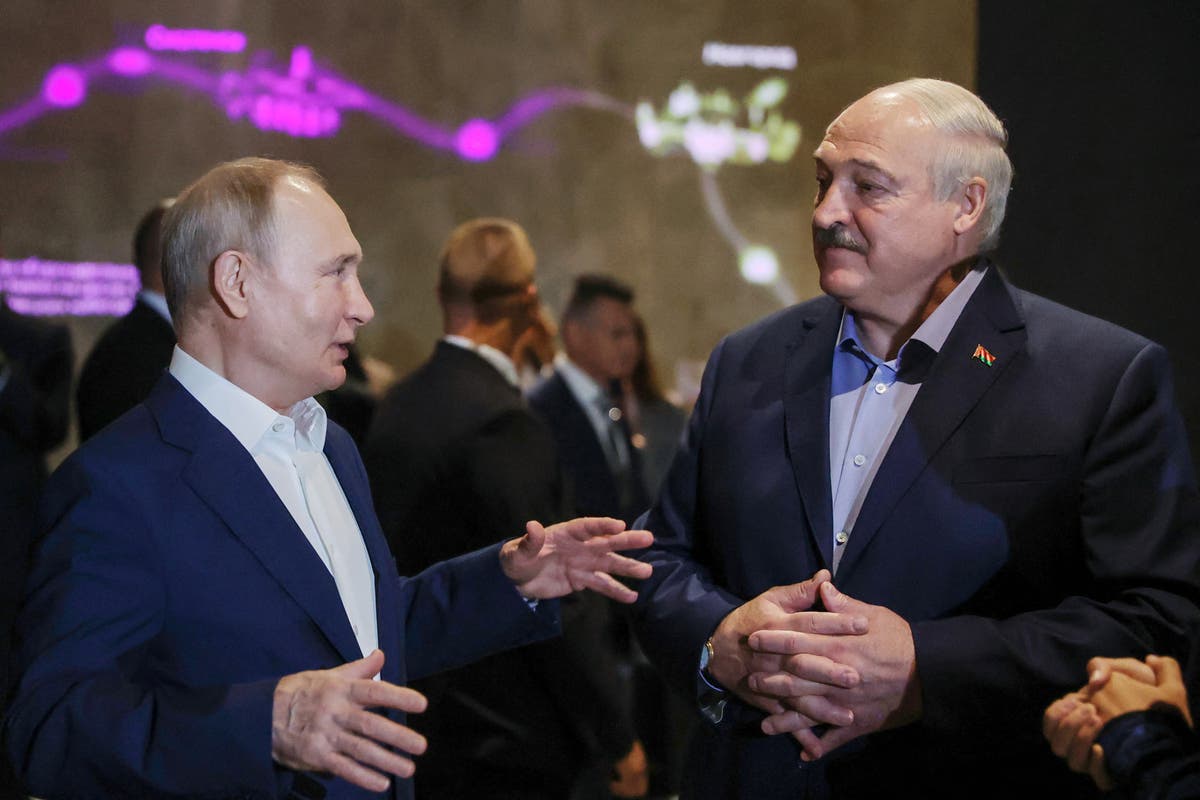
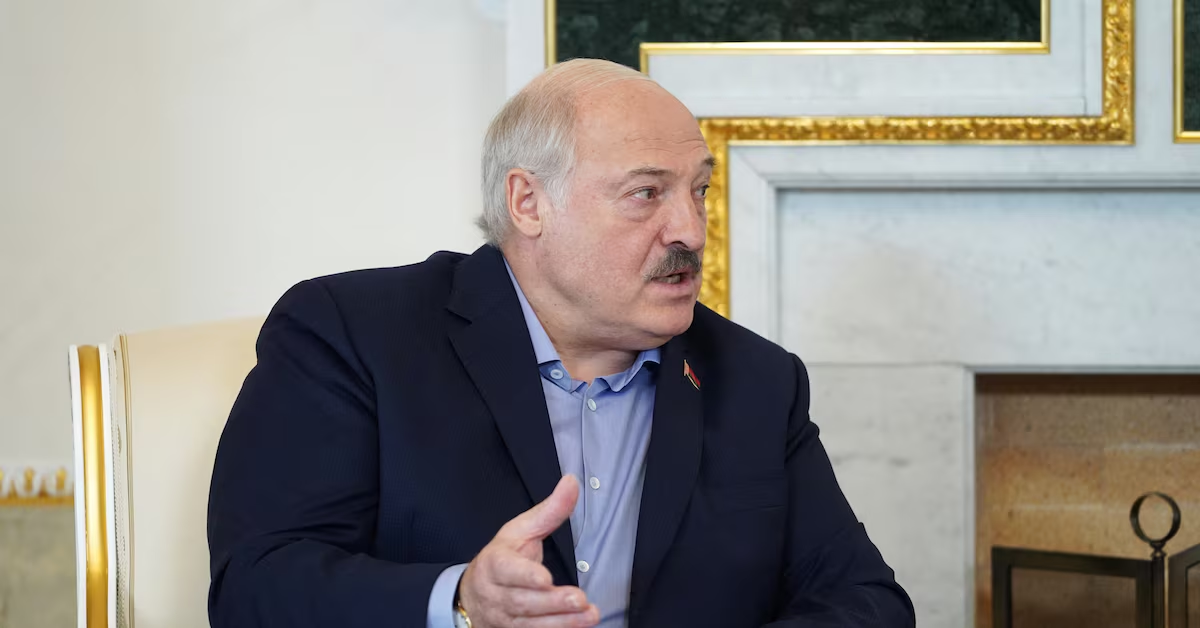
Belarusian President Alexander Lukashenko taunted Poland over the presence of Russian Wagner mercenaries near the border, stating that Warsaw should be grateful to him for keeping them in check. Lukashenko's comments come as Poland has moved over 1,000 troops closer to the border in response to the Wagner fighters training Lukashenko's army. While Lukashenko initially denied the presence of 100 Wagner fighters near the Polish border, he later stated that they were there to transfer military experience to Belarusian brigades. Lukashenko has been a close ally of Russian President Vladimir Putin and has allowed the use of Belarusian territory for launching the Ukraine war and training Russian troops.
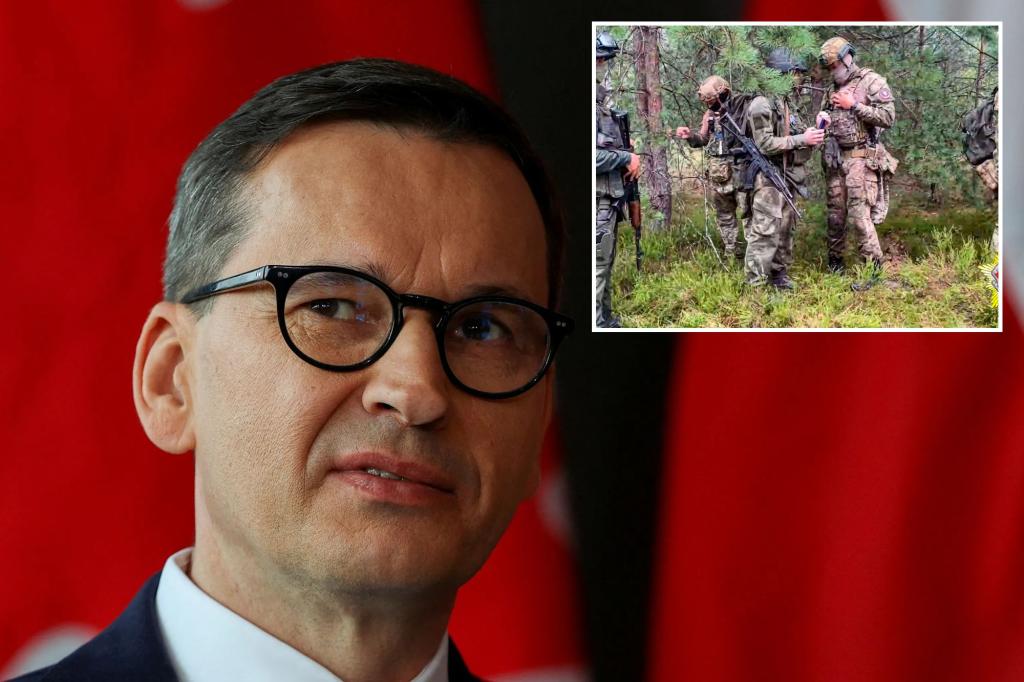
Polish Prime Minister Mateusz Morawiecki has warned that a group of around 100 Russian Wagner mercenaries are moving closer to Poland's border through Belarus. Poland has accused Belarus of facilitating illegal migration at the Polish border and suggested that Minsk has encouraged migrants to fly into Belarus under false promises. Morawiecki claimed that the mercenaries might pose as Belarusian border guards to assist migrants in crossing into the European Union. The situation has raised concerns about a potential hybrid attack on Polish territory. Poland, Lithuania, and Latvia have discussed the possibility of jointly closing their borders with Belarus if incidents involving Wagner mercenaries occur.
Polish Prime Minister Mateusz Morawiecki has warned that a group of around 100 Russian Wagner mercenaries is moving closer to Poland's border through Belarus. The mercenaries may falsely present themselves as Belarusian border guards to assist migrants in crossing into the European Union. Poland has accused Belarus of facilitating illegal migration and engaging in "hybrid warfare." The Suwalki Gap, a strategic region between Belarus and Kaliningrad, is of particular concern. Poland, Lithuania, and Latvia are considering jointly closing their borders with Belarus if incidents involving Wagner mercenaries occur.
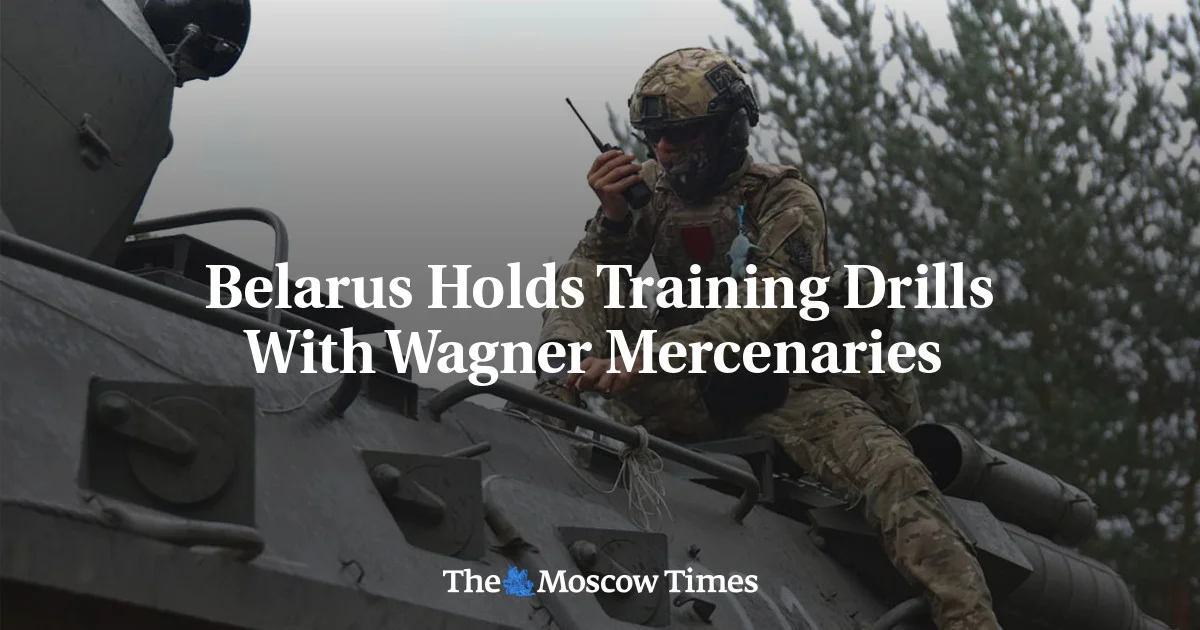
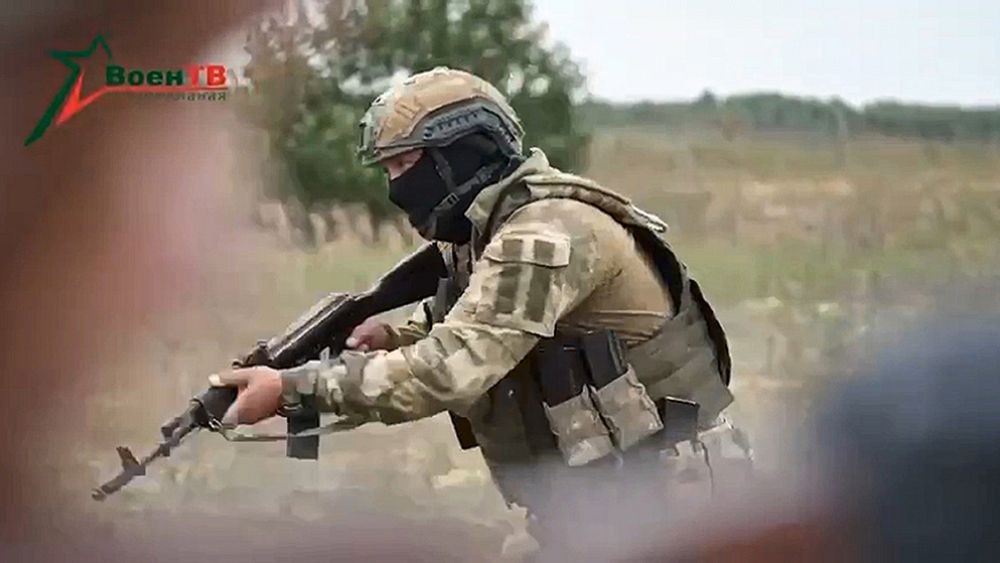
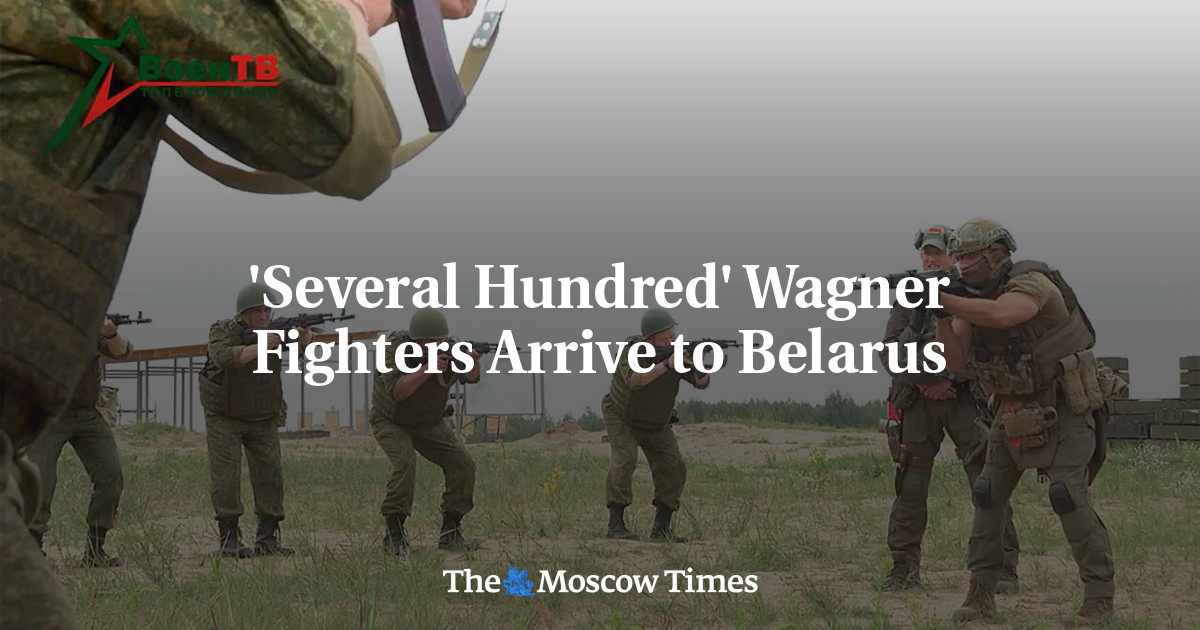
Belarus has conducted publicly known training drills with Russia's Wagner mercenaries, with video footage showing Belarusian Special Operations Forces and masked men in military fatigues with Wagner patches. The exercises are taking place near Belarus' western border with Poland, causing concern for Poland's Defense Ministry, which has deployed over 1,000 soldiers to its eastern border. The Kremlin expressed concern about Poland's "hostile" reinforcements. Belarus' Defense Ministry stated that the drills aim to enhance the country's military security in the current geopolitical situation. Belarus served as a staging ground for Russia's invasion of Ukraine in 2022, and President Lukashenko considers Wagner's combat experience in Ukraine as "invaluable."
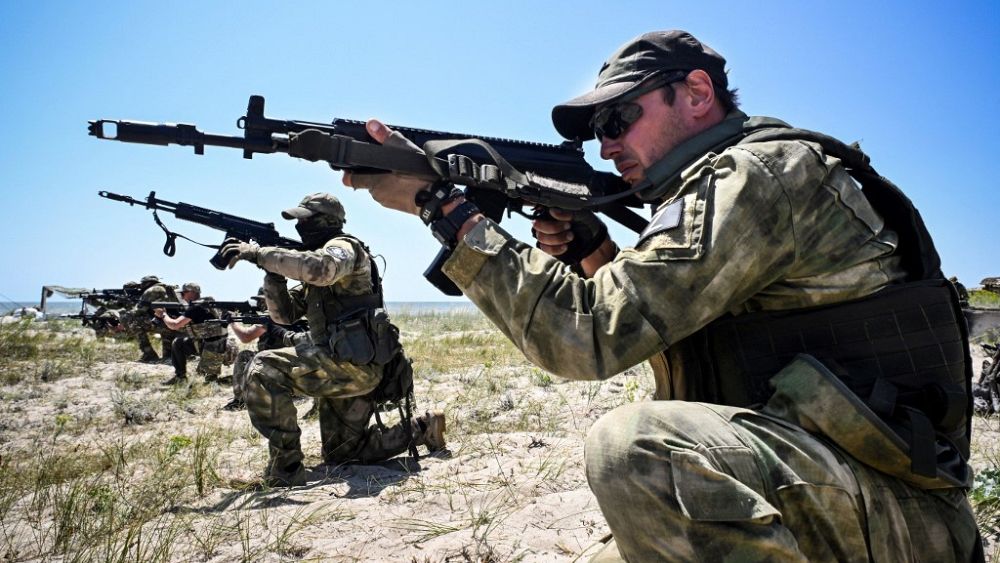
Russian Wagner mercenaries have begun joint training exercises with the Belarusian military near the Polish border, following their relocation to Belarus after a failed rebellion. The drills, which will last for a week, aim to modernize the Belarusian military with the combat experience of Wagner. The UK has imposed sanctions on 13 Wagner mercenaries over alleged human rights abuses in Africa. The rebellion led by Wagner's chief, Yevgeny Prigozhin, posed a serious threat to Russian President Vladimir Putin's rule. Belarusian opposition leader Sviatlana Tsikhanouskaya warns that Wagner's deployment to Belarus will destabilize the country and threaten its neighbors. Poland has responded by redeploying troops to its eastern border.
Yevgeny Prigozhin, the leader of the Russian mercenary group Wagner, has stated that his troops will not be fighting in Ukraine due to the "disgraceful" state of the front line. Instead, they will focus on training Belarusian troops and preparing for future operations in Africa. Meanwhile, Russia has closed the humanitarian corridor in the Black Sea and declared ships bound for Ukrainian ports as potential carriers of military cargo, escalating tensions in the region. Russian President Vladimir Putin will not attend the BRICS summit in South Africa in person, citing the jurisdiction of the International Criminal Court, which issued an arrest warrant for him in March.
Belarus claims that Wagner mercenaries are assisting in training its defence forces, with more mercenaries reportedly arriving in the country as part of a deal brokered by President Lukashenko. State-controlled TV channel Voen TV showed footage of Wagner fighters wearing masks while instructing Belarusian soldiers in shooting and medical assistance. The number of Russian mercenaries that arrived in Belarus has not been disclosed, but there are reports of over 100 vehicles heading towards the camp where Wagner is located. In Russia, Wagner's main base in the Krasnodar region is closing down, and the group is relocating to new deployment sites after striking a deal to end their rebellion in exchange for amnesty and permission to move to Belarus.
Wagner mercenaries, a Russian private military company, have arrived in Belarus to act as military instructors for the Belarusian territorial defense forces, according to Ukrainian and Polish officials. The number of mercenaries is estimated to be "several hundred." This comes after the group's failed mutiny in Russia three weeks ago. The Ukrainian border service is working to determine their location and numbers, while Poland's Deputy Minister Coordinator of Special Services expressed concern about the presence of these "Russian criminals and thugs" in Belarus.
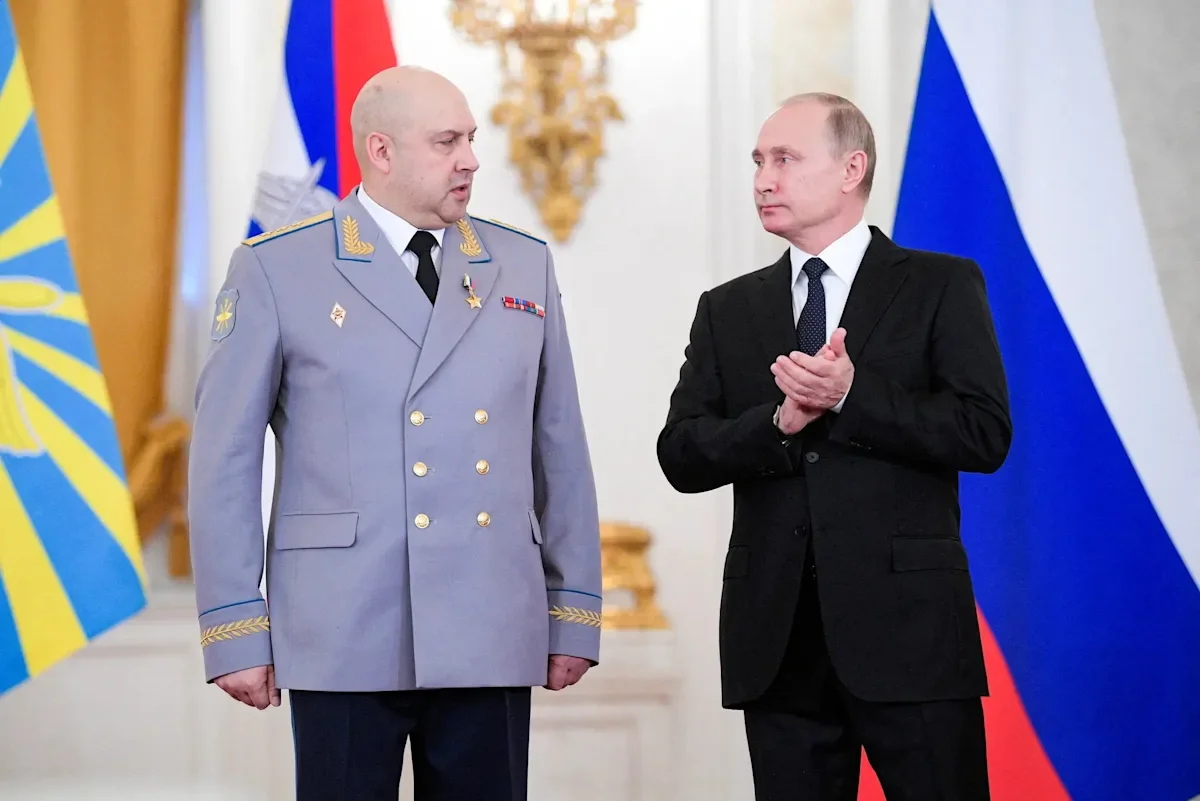
The Russian military is facing uncertainty and instability as one general remains missing following a mutiny by Wagner mercenaries, while another top commander was killed in an airstrike in Ukraine. The whereabouts of Gen. Sergei Surovikin, who had ties to the Wagner mercenary company, are unknown, and U.S. officials suspect he had advance knowledge of the rebellion. Additionally, Lt. Gen. Oleg Tsokov, a deputy commander, was killed in Ukraine, and a former Russian submarine commander was gunned down in what may have been an organized hit. The situation highlights the ongoing pressures and challenges faced by the Russian armed forces.
The Kremlin confirmed that Russian President Vladimir Putin met with Yevgeny Prigozhin, the chief of the Wagner mercenary group, on June 29, just days after the group's failed rebellion. The meeting lasted three hours and included 35 people, including unit commanders. Prigozhin assured Putin that his soldiers would continue to fight for him. The rebellion, which briefly took control of the city of Rostov, posed a significant challenge to Putin's power but was defused through a deal brokered by Belarus President Alexander Lukashenko. Prigozhin, who claimed the mutiny aimed to hold army and defense chiefs accountable for their actions in Ukraine, was supposed to leave for Belarus but has reportedly returned to Russia, raising concerns about the agreement's implementation.
Czech Republic and Bulgaria pledge further support to Ukraine, including military aid and support for Ukraine's entry into NATO. Ukrainian missiles strike Russian facilities across the war front, targeting logistics and ground lines of communication. The United States is willing to send cluster munitions to Ukraine to help its military push back Russian forces, despite opposition from some allies and humanitarian groups. NATO is monitoring the movement of Wagner mercenaries and their chief, Yevgeny Prigozhin, as they have not moved to Belarus in large numbers as expected.
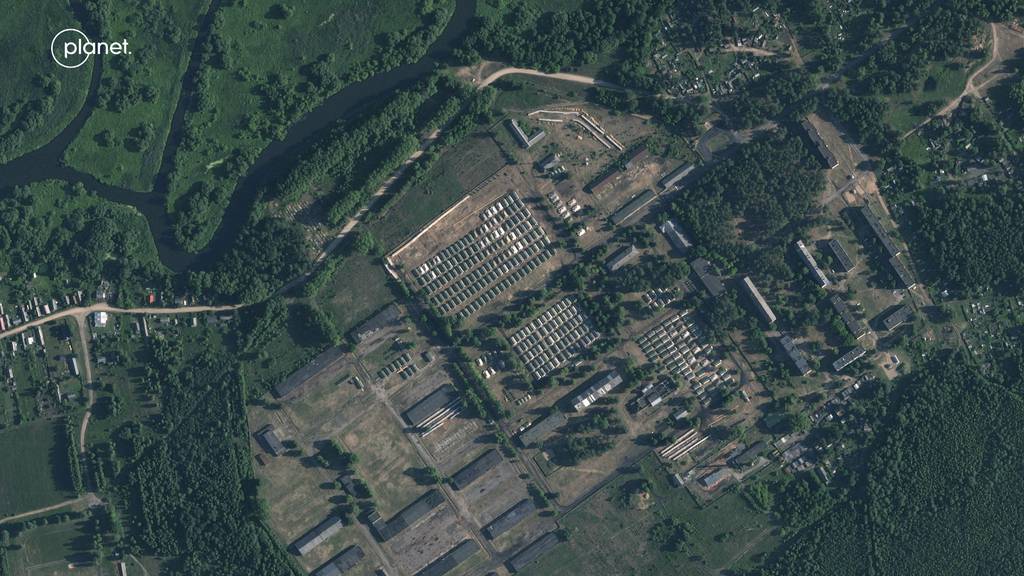
Satellite images suggest that Belarus has built a military-style camp near the town of Osipovichi, possibly to house fighters from the Wagner mercenary group. The construction of the camp coincided with Belarusian President Alexander Lukashenko offering refuge to Wagner chief Yevgeny Prigozhin and his fighters. Up to 8,000 Wagner mercenaries may be deployed in Belarus, prompting Ukraine to strengthen its border with Belarus. Lukashenko has previously allowed the Kremlin to use Belarusian territory for military purposes and has welcomed a continued Russian armed presence. He stated that the mercenaries are not a threat to Belarus and expressed confidence in not having to use the nuclear weapons deployed in the country.