The FDA's National Priority Voucher program aims to speed drug approvals, but critics warn it bypasses standard scientific and regulatory safeguards, raising concerns about who signs off on decisions and whether political pressure is affecting timelines amid staff upheaval and safety worries.
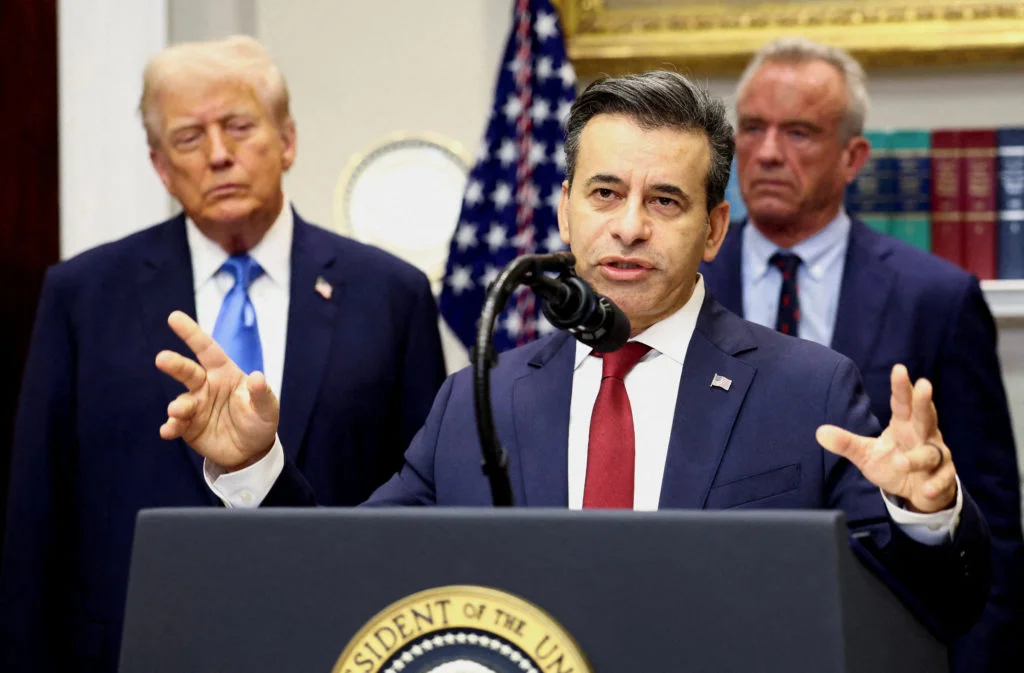
AP reports that FDA Commissioner Marty Makary’s voucher-based effort to accelerate drug approvals into a one-month window has stirred alarm inside the agency. Questions swirl over who has legal authority to sign off on these expedited approvals, with senior officials and political appointees increasingly involved in the process, diverging from the traditional scientist-led review. The program, not codified in federal rules and now expanded to 18 vouchers, has coincided with staff layoffs and leadership turnover, fueling concerns about politicization, safety standards, and potential legal risk for the agency as critics warn that such rapid reviews lack scientific precedent.
Reuters reports the U.S. FDA has delayed reviews of two drugs selected for the National Priority Voucher fast-track program after agency scientists flagged safety and efficacy concerns, including a treatment-related death linked to one drug. Disc Medicine's experimental therapy for a rare blood disorder was pushed back due to questions about trial data and abuse risk, while Sanofi's Tzield for late-stage type 1 diabetes was delayed over adverse events, including seizures and a death. Two other program drugs—Boehringer Ingelheim's zongertinib and Lilly's weight-loss pill—were also delayed by weeks. The delays underscore the program’s aim to accelerate reviews only when warranted by robust safety/efficacy data, amid ongoing scrutiny of how political factors may influence drug decisions.
Former FDA regulator Richard Pazdur, who recently left the agency, says political interference and a new voucher program for accelerated drug reviews have breached the firewall between politics and reviewers, with opaque meetings and limited staff access raising concerns about transparency and independence in drug approvals.
Texas Acting Comptroller Kelly Hancock is seeking legal guidance on whether schools linked to a Muslim civil rights group or connected to Chinese interests can be excluded from the state's new school voucher program, amid concerns over foreign influence and recent political tensions involving Muslim organizations.
A new FDA voucher program intended to expedite drug reviews is being used by political officials, including the White House, to influence which medicines are fast-tracked, raising concerns among career scientists about political interference in the drug approval process.
The FDA announced a new voucher program allowing companies supporting U.S. national interests to expedite their drug review process to one or two months, raising concerns about potential misuse and the influence of political criteria in fast-tracking approvals.
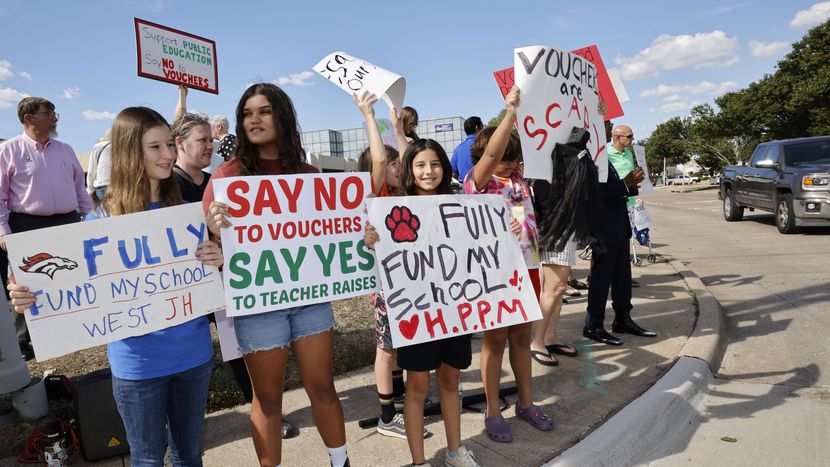
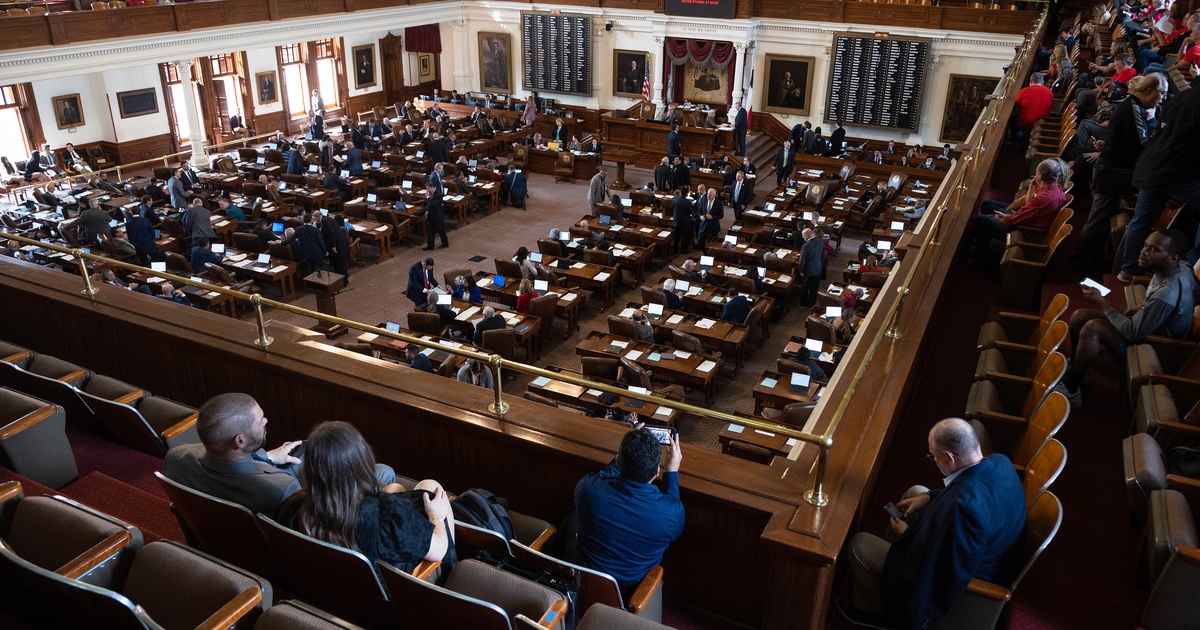
A bill in Texas that would create a program to help pay for private school, raise teacher salaries, and boost funding for public schools has advanced from a House panel, marking the first time in two decades that a voucher-like proposal has cleared this hurdle. The bill, which has faced opposition from Democrats and rural Republicans in the past, is expected to reach the House floor for a debate next week. If passed, Texas would become the 34th state to enact some form of subsidy for private-school tuition. Critics argue that such a plan would divert funds from public schools and into unaccountable private institutions.
The Texas House Republican leading efforts on "school choice" legislation has proposed a voucher program that would increase public education spending. Under House Bill 1, parents would receive 75% of the state's basic allotment per student, while school districts would see a minor increase in the basic allotment. The bill also includes a one-time $4,000 bonus for educators and requires school districts to spend 50% of additional state funding on salaries for full-time employees. The voucher program would initially be limited to 25,000 students, with eligibility expanding each year until the cap is removed in 2027. Critics argue that the money should be invested in public schools instead.
Ohio lawmakers have reached a $190 billion budget agreement that includes a massive expansion of the state's private school voucher program, $3 billion in tax cuts, and a requirement for parental consent for children under 16 to have social media accounts. The budget also includes increased funding for K-12 education, with a higher per-student base cost and a mandate for teacher salaries to exceed $40,000. Controversial provisions, such as an overhaul of higher education institutions and limiting work-from-home for state employees, did not make the final cut. The budget is now awaiting review by Governor Mike DeWine.
The Texas Senate education committee has approved a revised version of a school funding bill that includes a voucher-like program, which could get a vote in the full chamber later this week. The Senate's version of House Bill 100 would establish education savings accounts, giving parents who opt out of the public school system up to $8,000 in taxpayer money per student each year. The bill now costs $3.8 billion, with about half a billion going to the voucher program. The House's original version of the bill only intended to allocate $4.5 billion in new funding for schools to give teachers modest raises and balance their budgets.
The Texas House has approved a budget amendment to ban public funding for school choice programs, including voucher or Education Savings Account (ESA) programs. The amendment was proposed by Rep. Abel Herrero and signed onto by six members. Gov. Greg Abbott has made school choice his biggest issue this session, but the vote is more symbolic than anything as there is currently no money appropriated to school choice programs. The Senate has brought to the floor its school choice plan, Senate Bill 8, which would allow current public school students or those entering pre-kindergarten to access ESAs worth up to $8,000 per year.