NATO countries currently spend less on military than on health or education, but a new 5% GDP defense target by 2035 could lead 21 of them to prioritize military spending over education, driven by geopolitical tensions and increased re-militarization efforts in Europe.
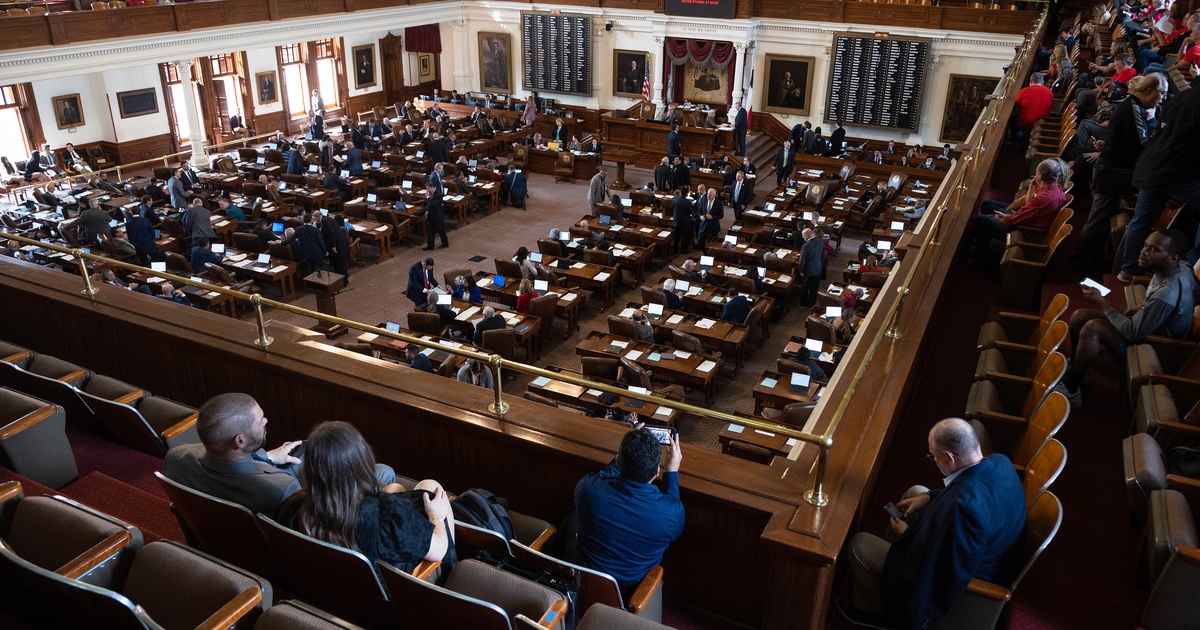
The Texas House Republican leading efforts on "school choice" legislation has proposed a voucher program that would increase public education spending. Under House Bill 1, parents would receive 75% of the state's basic allotment per student, while school districts would see a minor increase in the basic allotment. The bill also includes a one-time $4,000 bonus for educators and requires school districts to spend 50% of additional state funding on salaries for full-time employees. The voucher program would initially be limited to 25,000 students, with eligibility expanding each year until the cap is removed in 2027. Critics argue that the money should be invested in public schools instead.
The Pennsylvania Senate is set to consider a $45.5 billion state budget plan that includes a $1.1 billion increase in education spending and $100 million for a targeted school voucher program. The proposed voucher program, called the Pennsylvania Award for Student Success Scholarship Program (PASS), has faced opposition from House Democrats who have stated they do not support the plan and lack the votes within their caucus to pass it.