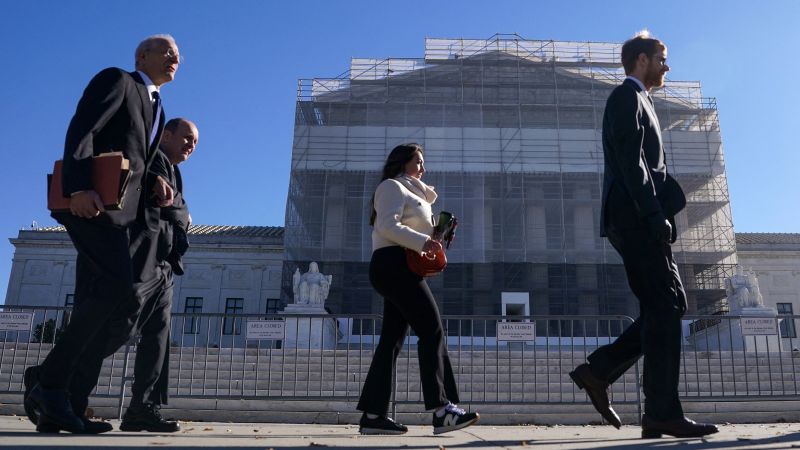
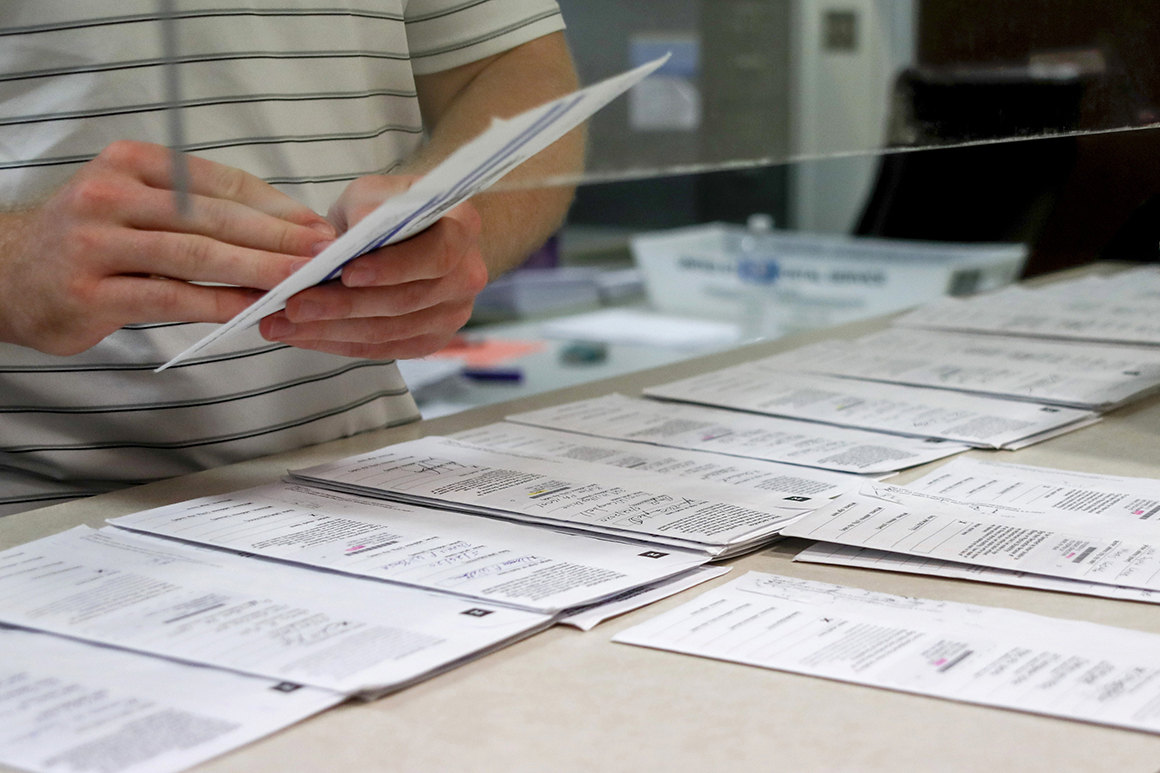
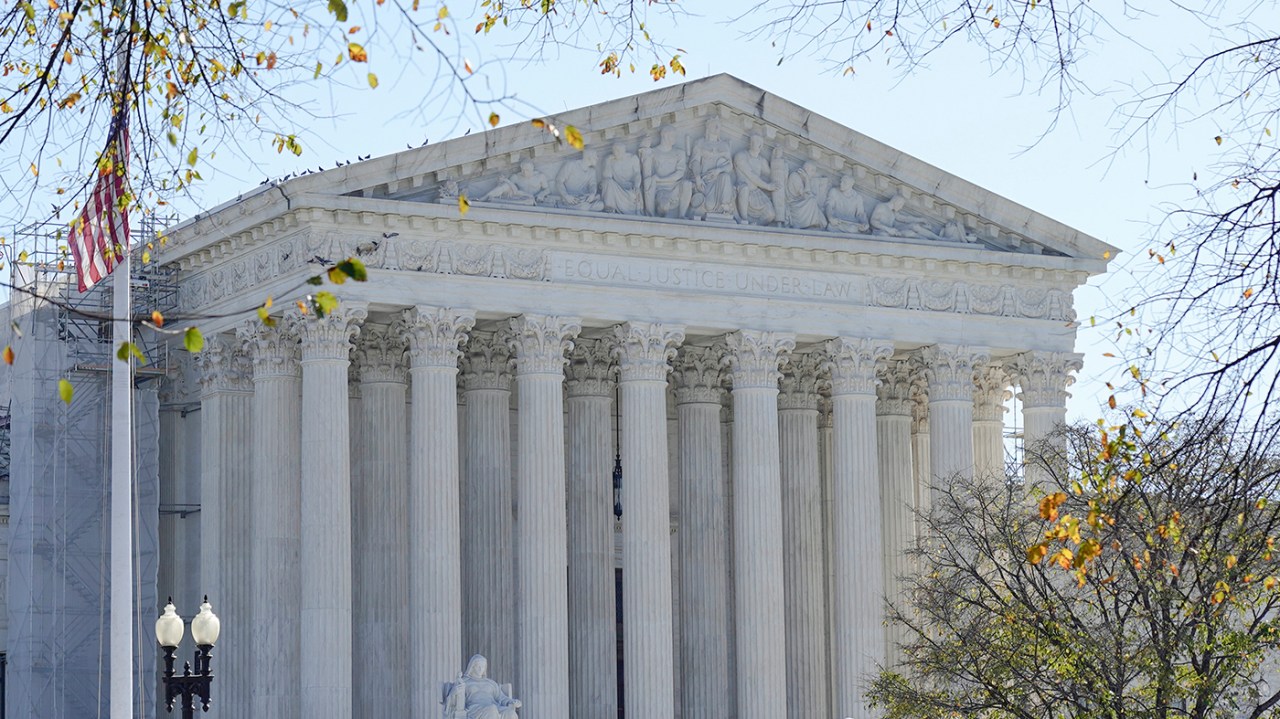
The Supreme Court will decide whether states can count mail-in ballots received after Election Day, a case that could impact voting laws in over a dozen states and has implications for election legitimacy and voting procedures.
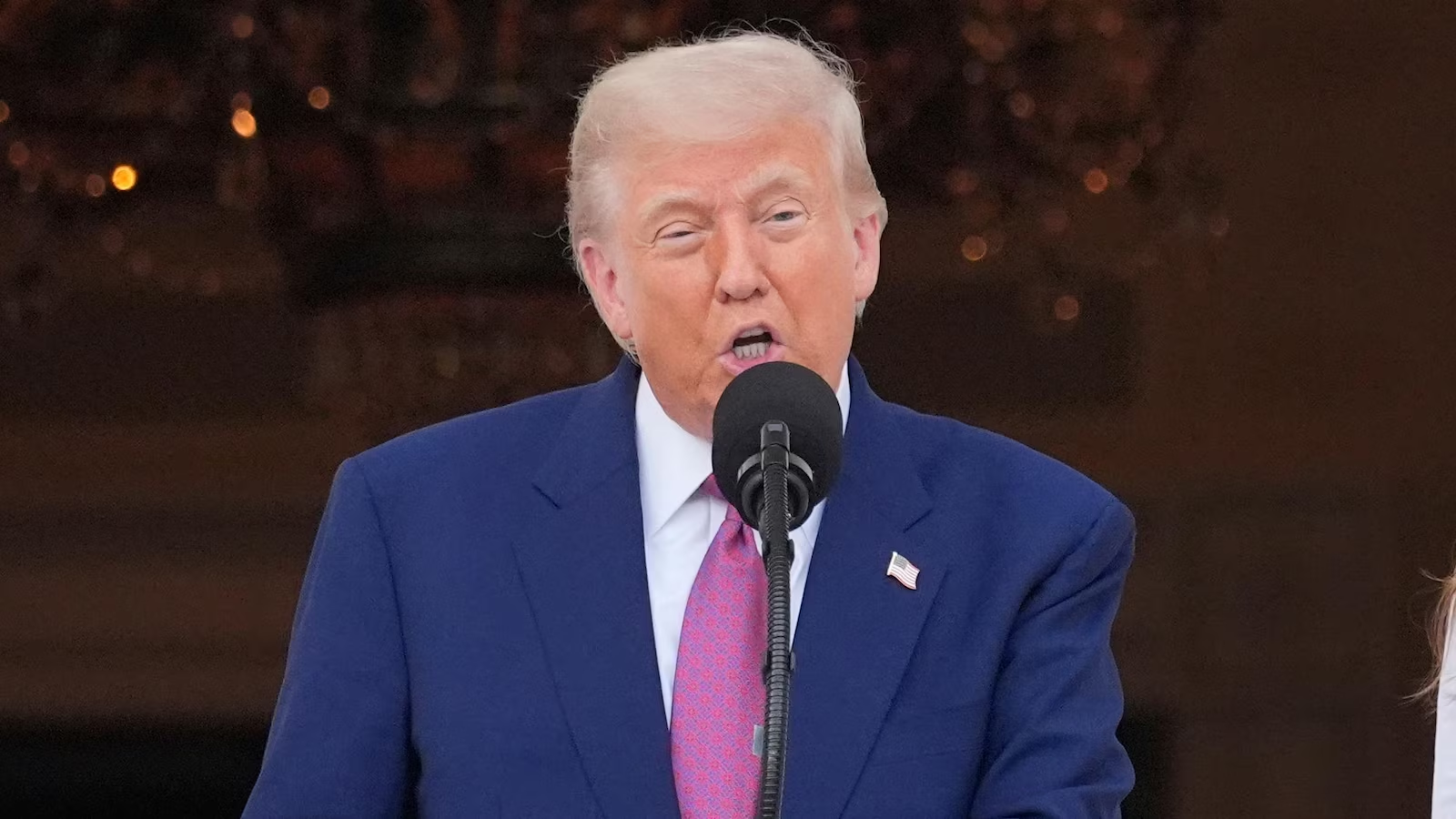
A federal judge in Atlanta blocked President Trump's election executive order, siding with Democratic attorneys general who argued it was unconstitutional. The order aimed to impose stricter voting requirements and conditions on federal election funding, but was challenged as overreach and usurping state powers.
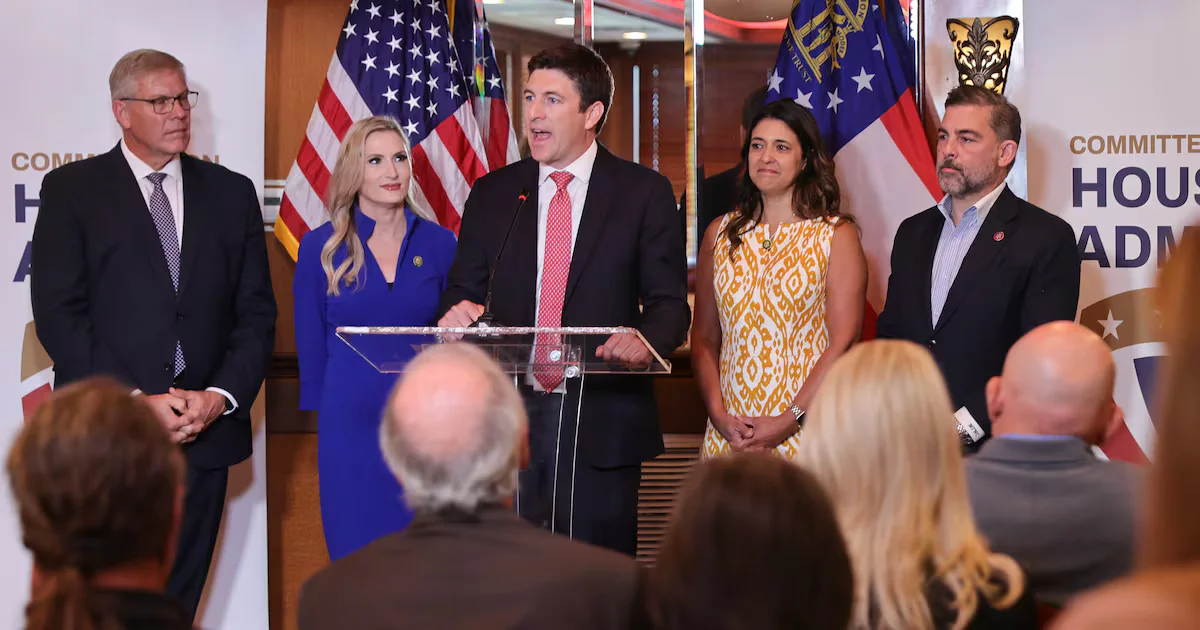
The Supreme Court will consider a challenge to Illinois law that allows mail-in ballots received up to two weeks after Election Day to be counted, in a case brought by Rep. Mike Bost. The case questions whether such ballots should be included in official results, amid broader debates over mail-in voting practices and election security. The Court's decision is expected by June 2026, but it is uncertain whether they will rule on the merits or just on procedural standing issues.
Texas Attorney General Ken Paxton has deployed an Election Day Rapid Response Legal Team across major counties to monitor and address any legal issues during the election. This team aims to enforce Texas election laws and respond to potential problems like ballot shortages and improper voting hour extensions. The initiative also includes defending against litigation from activist groups and ensuring compliance with federal voter registration laws. Paxton emphasizes the importance of election integrity and has taken legal actions to protect it, including defending the state's election integrity law, Senate Bill 1.
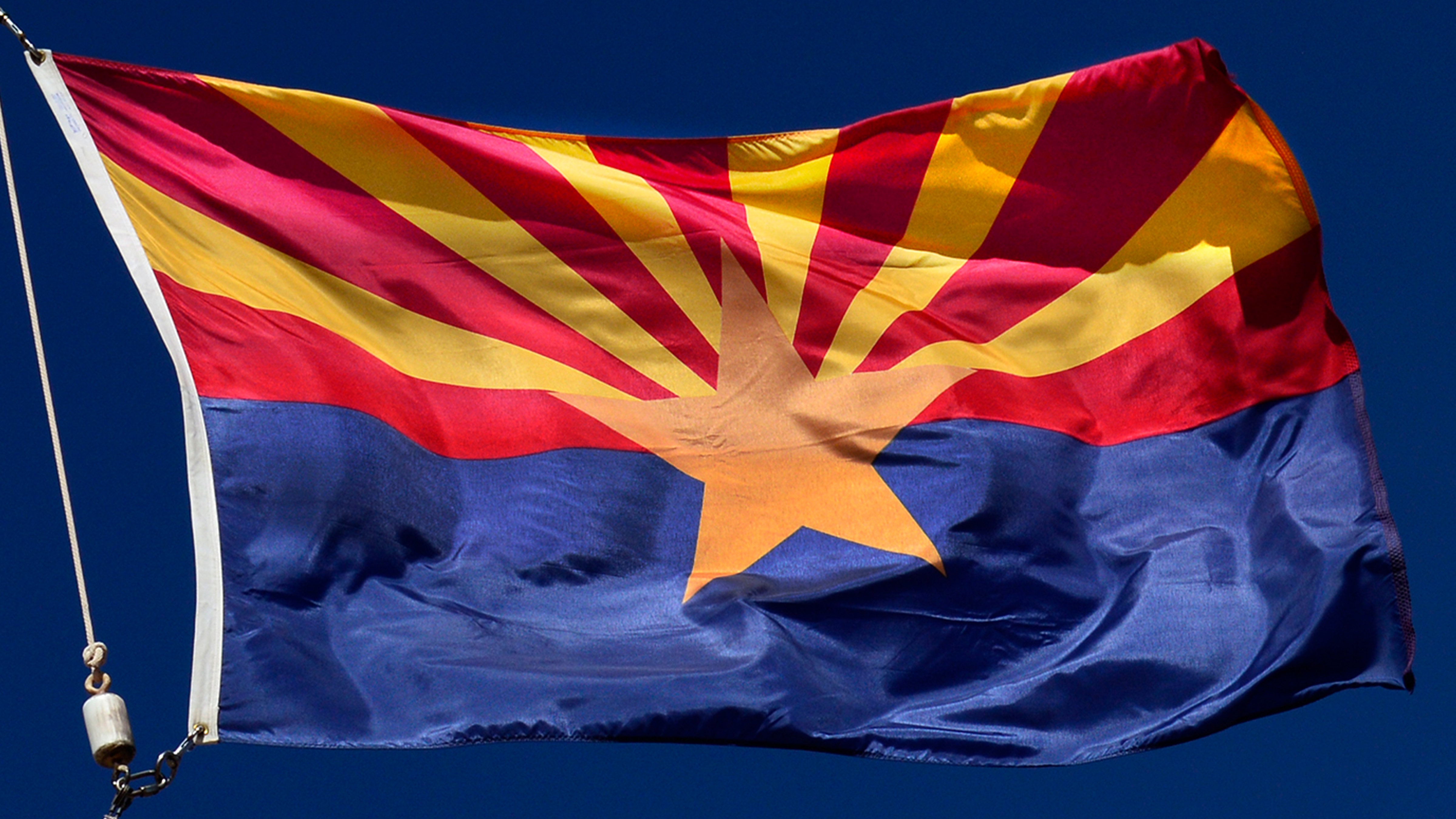
A federal judge has upheld new Arizona voting laws requiring registered voters to provide proof of U.S. citizenship, stating that the state has an interest in preventing voter fraud and promoting public confidence in elections. However, the judge clarified that one requirement asking for state or country of birth on a registration form would violate certain laws. The laws were passed in the wake of the 2020 presidential election and signed by then-Gov. Doug Ducey, with claims of voter fraud in Arizona.
A federal judge upheld Arizona's new voting laws requiring proof of citizenship, stating that the state has an interest in preventing voter fraud and promoting public confidence in elections. However, the judge found that a requirement for individuals to include their state or country of birth violates certain laws. The laws were passed in response to Joe Biden's 2020 victory, and while supporters claim they only affect voters without proof of citizenship, opponents argue that hundreds of thousands of people could be affected. The ruling states that Arizona has required proof of citizenship since 2005, and the new laws aim to prevent non-citizens from registering or voting, despite non-citizen voting being rare.
North Carolina's upcoming primary election will serve as a test of new, stricter election laws and voters' faith in the electoral system. The state has implemented various restrictive laws, including voter ID requirements and limits on mail-in ballots, leading to concerns about potential voter suppression. While some Republicans believe the new rules will boost trust and turnout, voting rights advocates worry about confusion and reduced access, particularly among Black and poor voters. Amidst concerns about election cynicism and disillusionment, the primary will provide insight into the impact of tightened voting laws and the state of faith in the U.S. election system.
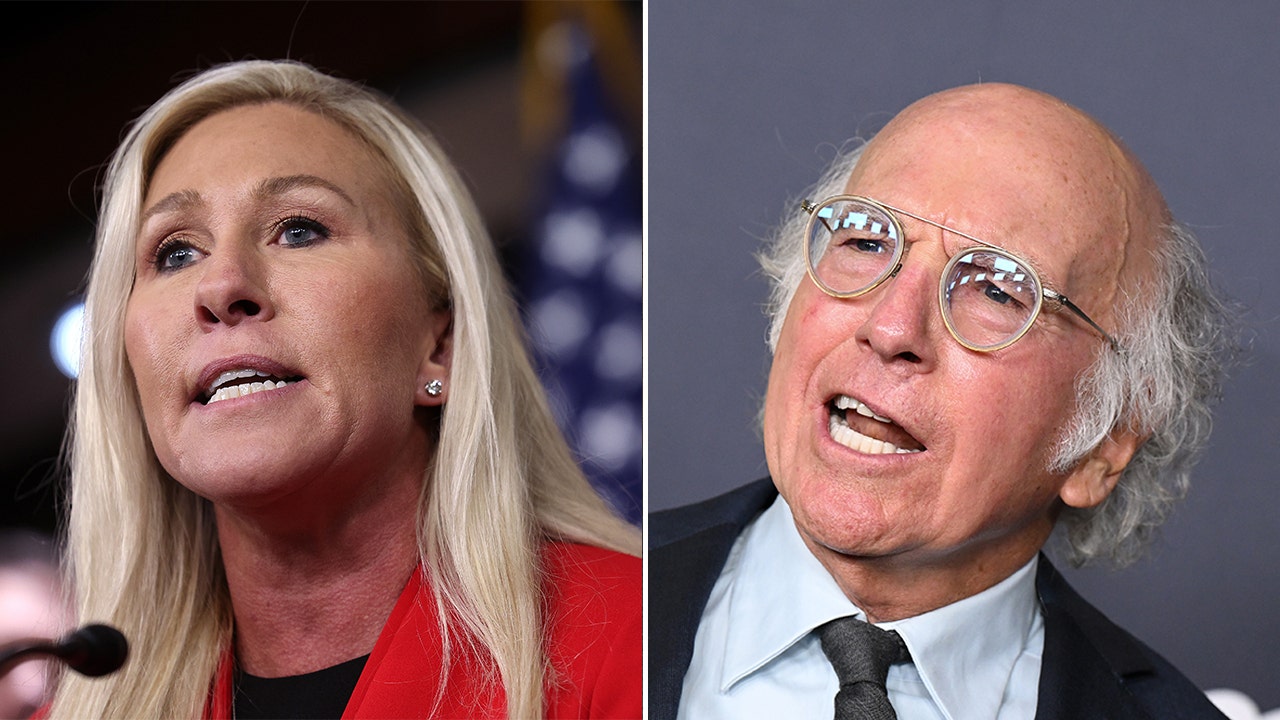
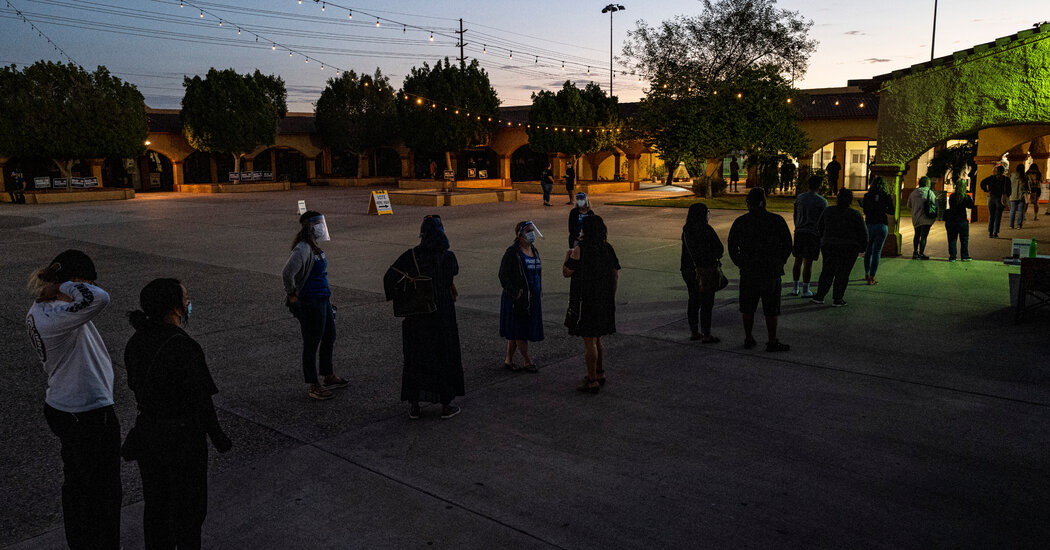
Georgia lawmaker Marjorie Taylor Greene criticized the HBO sitcom "Curb Your Enthusiasm" for mocking Georgia's voting laws, accusing the show of misrepresenting conservatives and Trump supporters. The episode depicted a scene where Larry David is arrested for providing water to voters waiting in line, referencing Georgia's Election Integrity Act. Critics, including President Biden and Stacey Abrams, argue that the law restricts voting access, while Republicans point to record turnout in the 2022 elections as evidence against these claims.
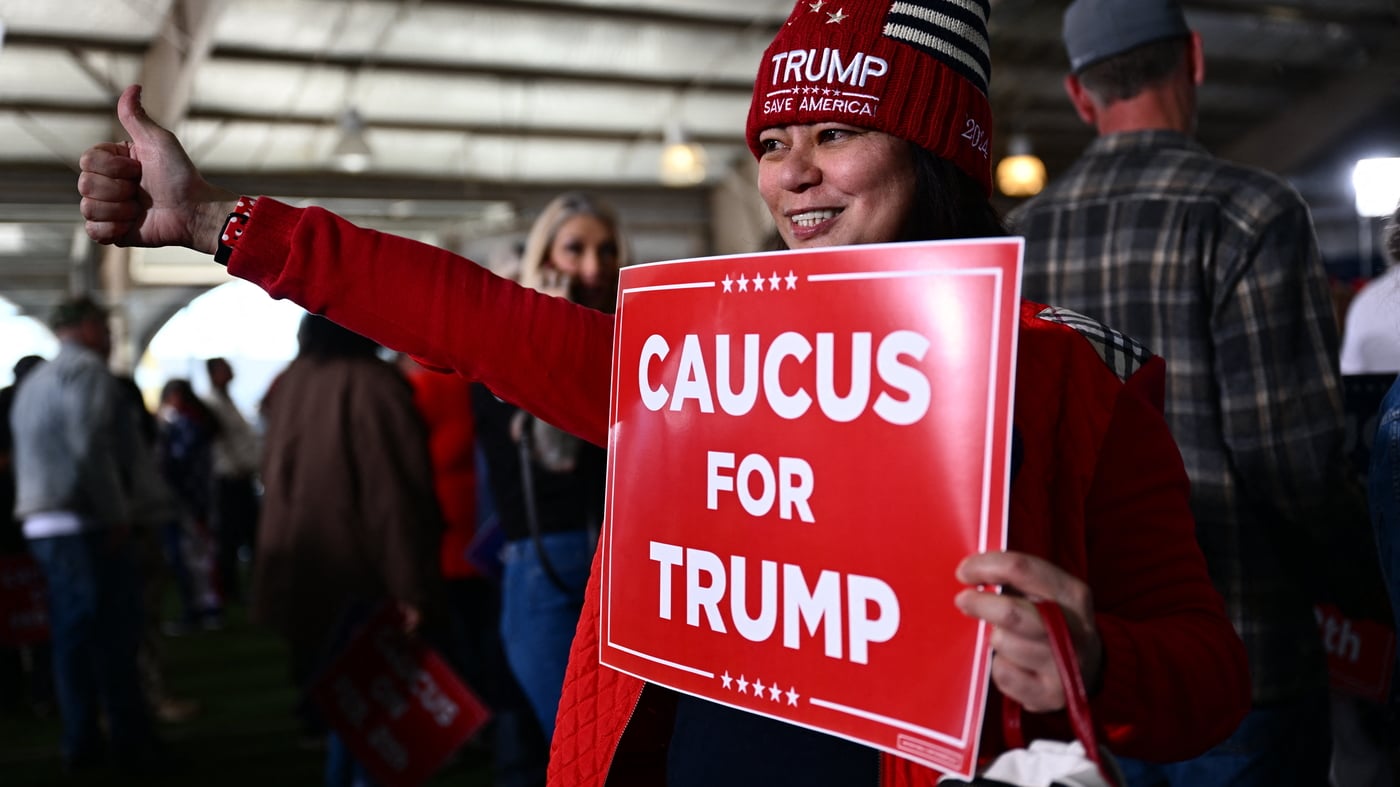
The Nevada Republican Party is holding a caucus just two days after the state's primary election due to dissatisfaction with recent changes to Nevada's election laws, which shifted the state-run presidential contest to a primary. The caucus, a more restrictive voting system, has caused confusion among voters, with the party's decision to exclude certain candidates from the caucus ballot sparking controversy. The party's move has been defended as a traditional method of choosing the presidential nominee, while state officials have been directing voters with questions to the Nevada Republican Party.
The Supreme Court has rejected a request by Arizona's House Speaker and Senate President to avoid depositions in an ongoing lawsuit challenging two state voting laws as racially discriminatory. The lawmakers argued that being deposed would violate legislative privilege, but the justices rejected their request. Last year, Arizona passed voting bills that require proof of citizenship and change rules for voter roll removal, leading to legal challenges from the Justice Department, Democratic National Committee, and voting groups. The plaintiffs sought to depose the lawmakers to understand the Legislature's intent in enacting the laws, and the lawmakers' intervention in the lawsuit waived their privilege, according to the plaintiffs.
The Supreme Court has ruled that two Arizona lawmakers must testify about their reasons for supporting state laws that require proof of citizenship for voting in federal elections. The court's decision came after the Justice Department, the Democratic National Committee, and civil rights groups challenged the laws, arguing that they violated federal laws and were enacted with a discriminatory purpose. The lawmakers had argued that they could not be questioned about their motives, but the court ruled that they had waived their privilege by intervening to defend the laws.
Conservative activists in Virginia are using the upcoming tossup elections in the state as a dry run for their efforts to influence the 2024 elections. Inspired by Donald Trump's baseless claims of election fraud, these activists are recruiting supporters to serve as poll watchers and election workers, while also working to tighten voting laws. They are taking cues from the "Virginia Model," a memo that detailed ways to protect election integrity. Critics argue that these efforts could potentially disenfranchise voters and interfere with election outcomes.
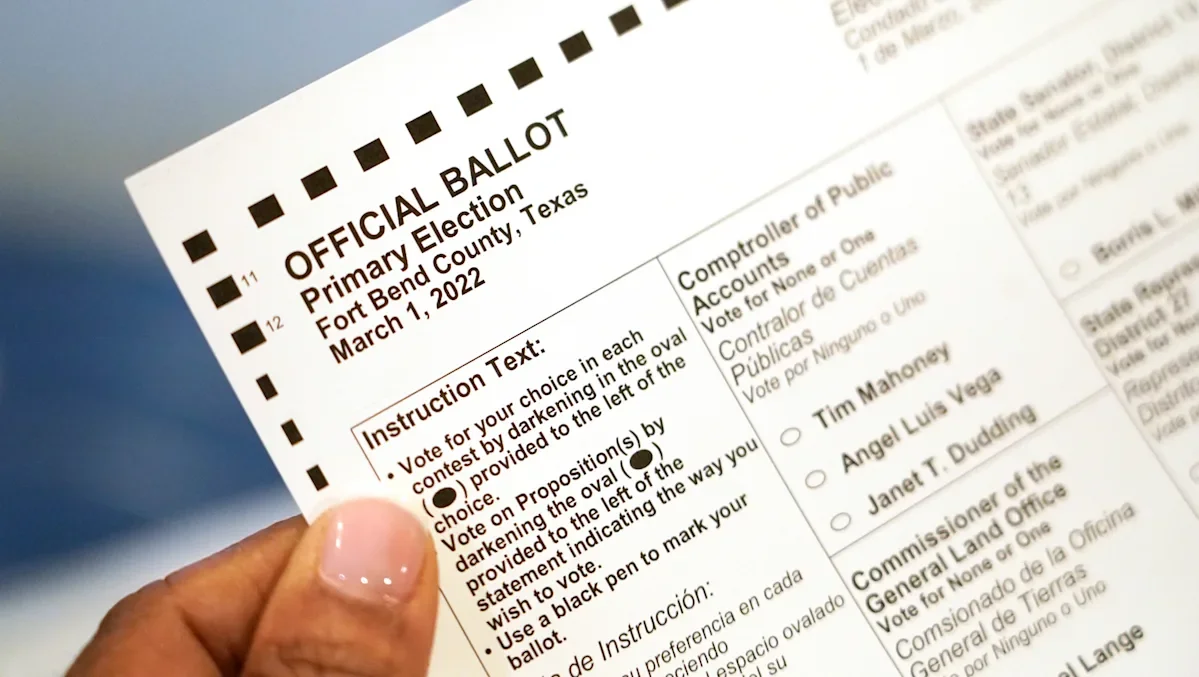
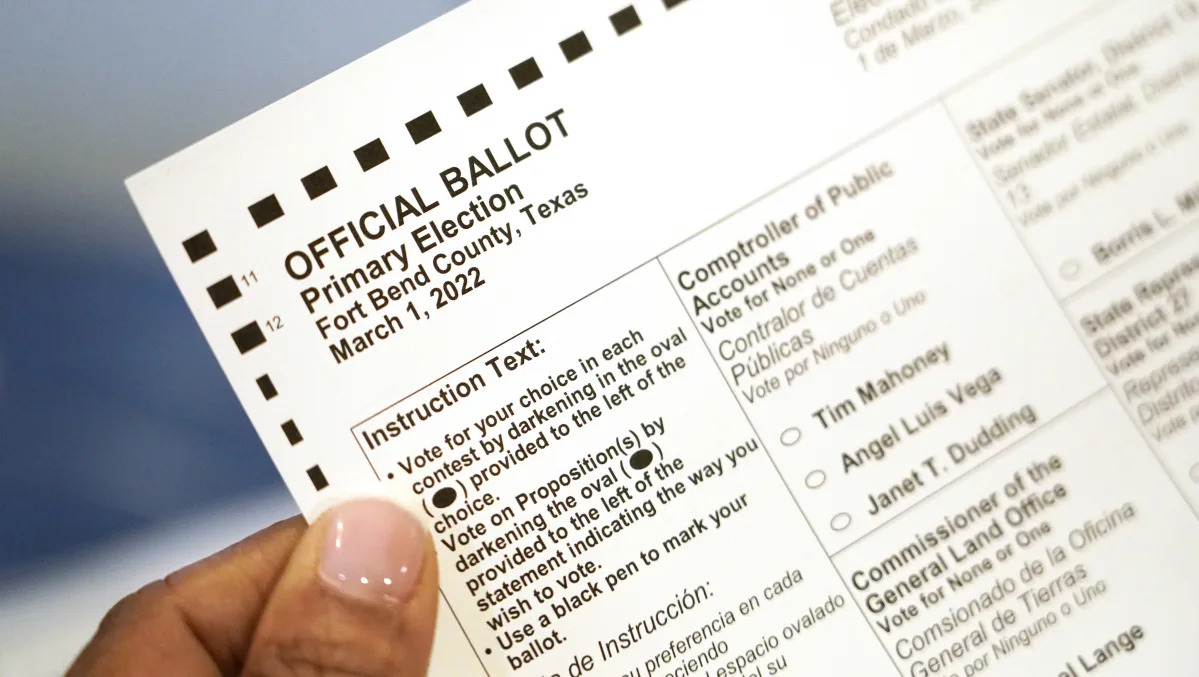
A trial has begun over a Texas voting law that led to a 38-day walkout by Democrats in 2021, as part of Republican efforts to pass new voting restrictions following former President Donald Trump's false claims of a stolen election. The lawsuit, brought by a coalition of voting rights groups, challenges the changes signed into law by Republican Governor Greg Abbott. The trial's outcome could impact the voting rules for the 2024 elections in Texas, although any decision is likely to be appealed. The law includes a ban on 24-hour polling places and drive-thru voting, with many changes targeting Harris County. During the rollout of the law, over 23,000 mail ballots were rejected in the March 2022 primary elections, and the rejection rate remained higher than normal in the November general election.
A trial has begun over a Texas voting law that led to a 38-day walkout by Democrats in 2021, as part of Republican efforts to pass new voting restrictions following former President Donald Trump's false claims of a stolen election. The lawsuit, brought by a coalition of voting rights groups, challenges the law signed by Republican Governor Greg Abbott. The trial could last weeks, and the outcome could impact the voting rules for the 2024 elections in Texas. The law includes measures such as a ban on 24-hour polling places and drive-thru voting, which have already taken effect. The law has faced criticism for disproportionately affecting Harris County, where Republican candidates are challenging their defeats from the previous year's elections. During the primary elections in March 2022, over 23,000 mail ballots were rejected due to the new rules, and although the rejection rate decreased in the general election, it remained higher than normal.
Republican members of Congress introduced a new federal elections bill in Georgia, aiming to promote their vision for trustworthy elections by replicating many of Georgia's existing voting laws. The bill would limit private funding for election administration, penalize states allowing noncitizens to vote in local elections, and prohibit federal agencies from participating in voter registration activities. However, the bill faces a difficult path in Congress, as Democrats control the Senate. Democrats criticized the bill for focusing on preventing voter fraud without expanding voter registration and access. The bill's rollout in Georgia creates a contrast between the two parties ahead of the next presidential election year.