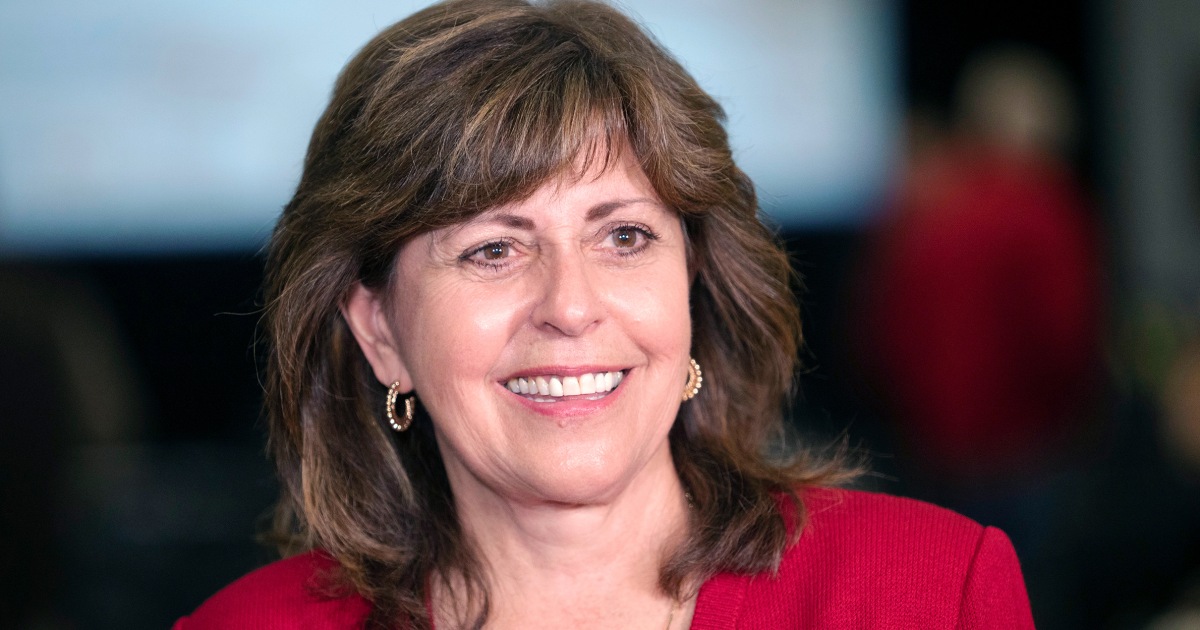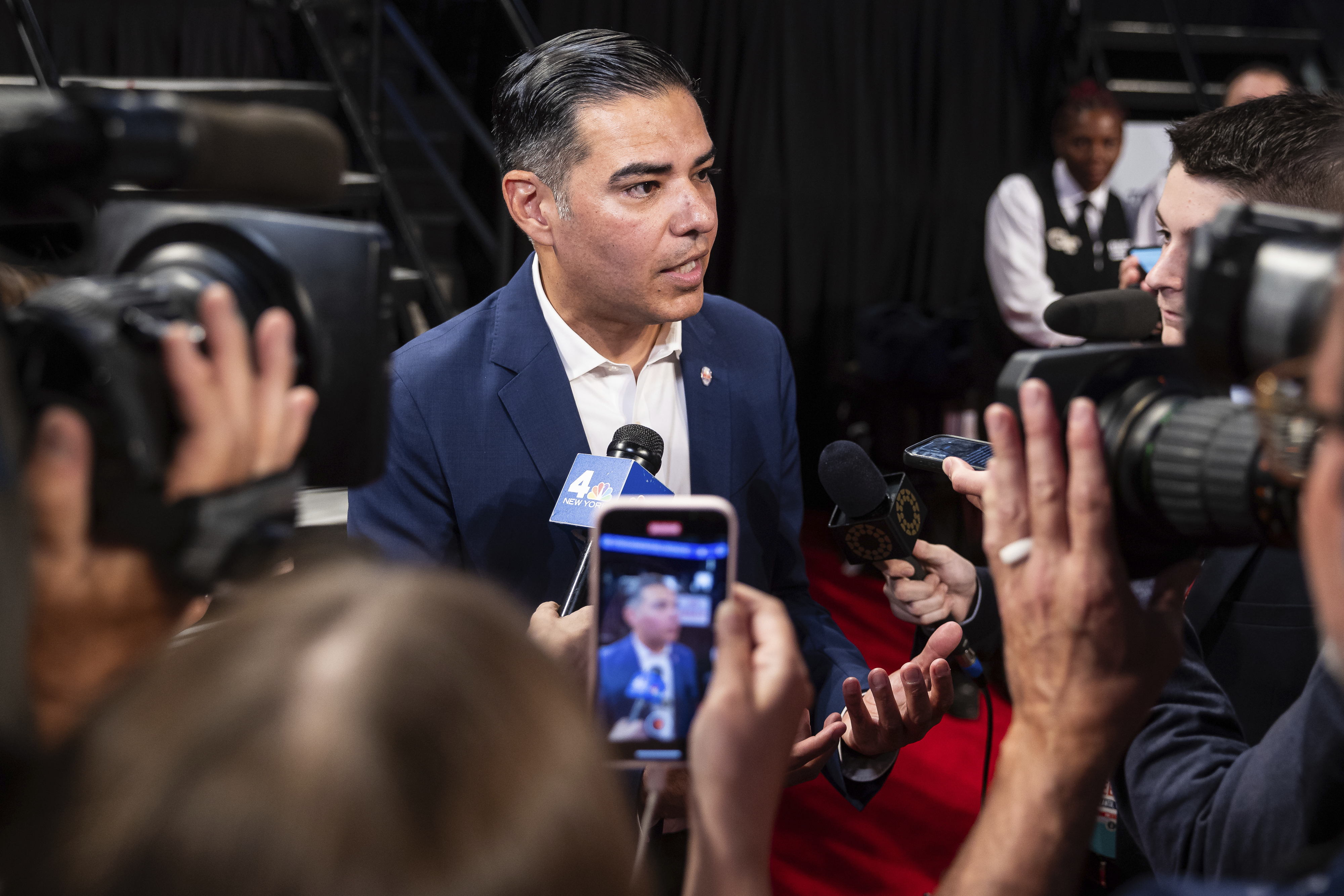
Rep. Robert Garcia announced his bid for the top Democratic position on the House Oversight and Government Reform Committee, emphasizing his experience and the importance of oversight in government accountability. The race will test generational tensions within the Democratic Party, with other candidates also vying for the role following the death of former ranking member Gerry Connolly.
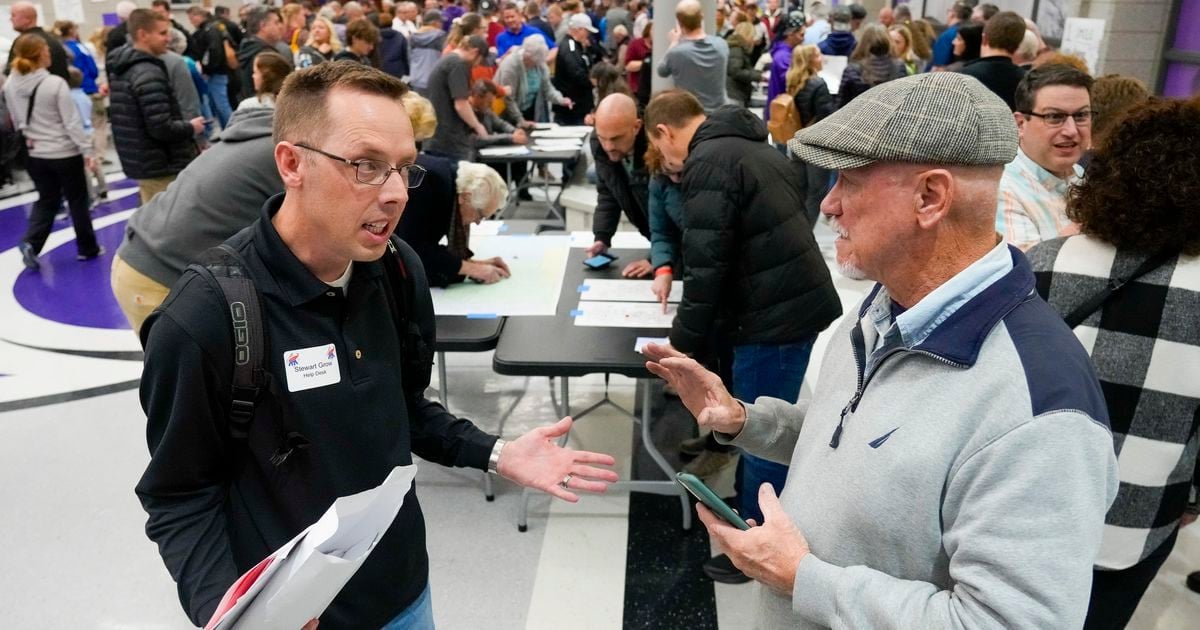
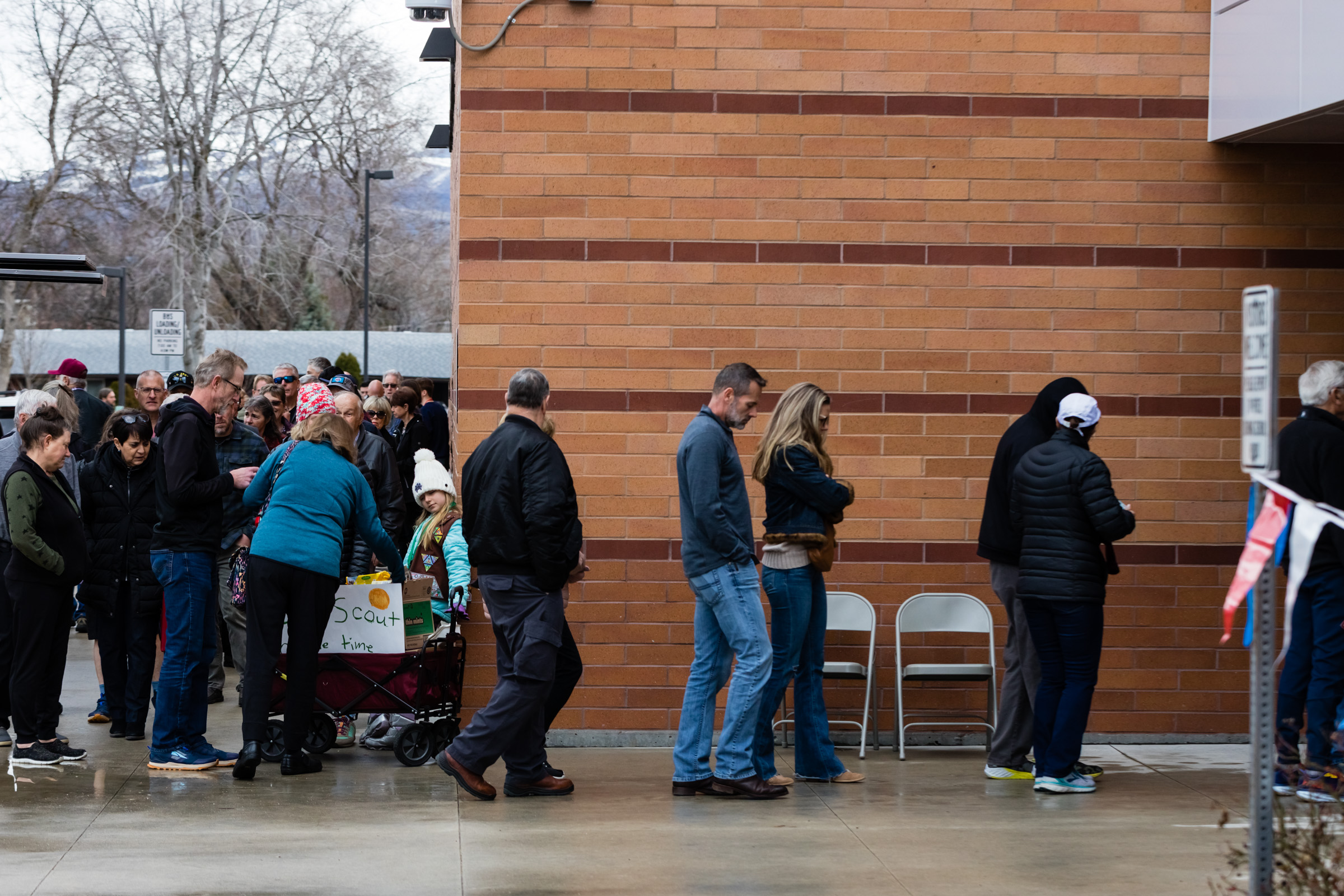
Utah's Republican Party faced frustration and chaos during the Super Tuesday caucus, with long lines, technological problems, and confusion leading to a lower voter turnout compared to previous years. This isn't the first time the party has encountered issues, as a similar scenario occurred in 2016. The party's decision to hold a presidential preference poll at caucus meetings led to upset voters and logistical challenges. Despite efforts to make the process work, many attendees were left frustrated. Additionally, there have been past attempts to change Utah's voting system, including proposals to eliminate the state's universal vote-by-mail system, but these efforts have not gained much traction.
Despite Idaho's rapid population growth, only about 6.8% of registered Republicans participated in the state's GOP presidential caucus, with former President Donald Trump reportedly winning. This turnout was lower than in the 2012 caucus and significantly lower than primary elections. The in-person voting requirement and lack of early or absentee voting options likely contributed to the low participation, prompting some voters to express a preference for a primary election instead. Idaho Republican Party chairwoman had hoped for a much higher turnout of 100,000 voters, but the actual numbers fell far short of that goal.
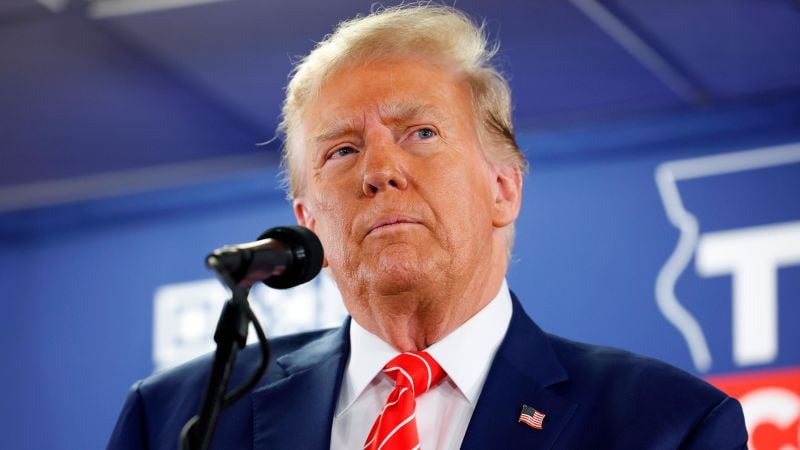
Former President Donald Trump won all 39 delegates in Michigan's Republican Party caucus elections, solidifying his support within the state GOP despite recent internal divisions. Trump's strong showing in the caucuses, where he received 90-100% of the vote in every congressional district, reflects his continued influence within the party. The results indicate a united front for the GOP behind Trump as they prepare to challenge President Joe Biden in the upcoming presidential election.
The Idaho GOP has decided to prohibit journalists from entering caucus sites during the upcoming GOP caucuses in March, citing the need to protect election integrity. Only registered Republicans and their children under 18 will be allowed inside, while the media is welcome to conduct interviews and exit polling outside the caucus locations. The move has raised transparency concerns, and similar restrictions were imposed by Nevada Republicans in their recent caucuses.
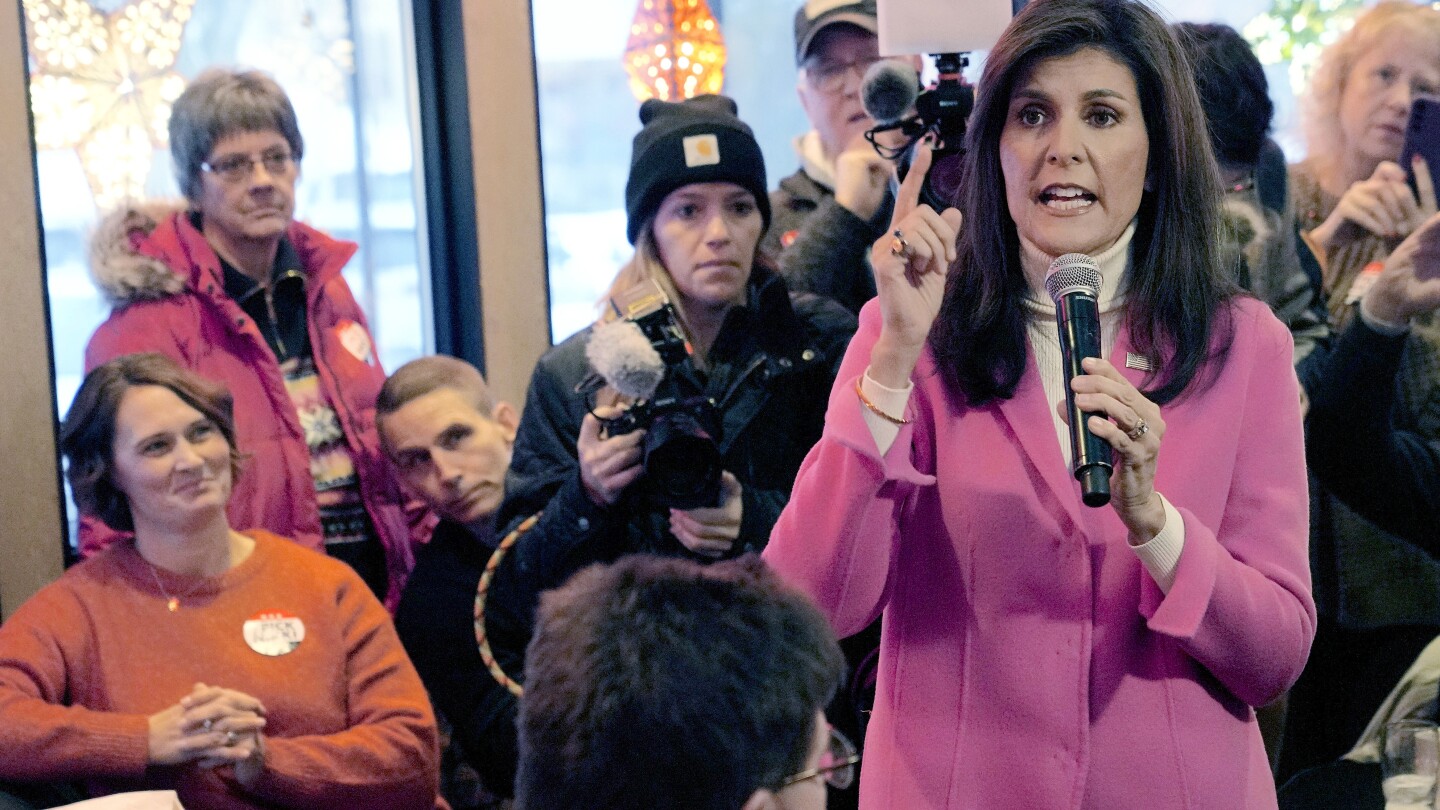
Nikki Haley faced a distant second-place finish behind "none of these candidates" in Nevada's Republican primary, facilitated by Trump allies who lead the state's GOP and ensured Trump's lock on the state's delegates. Nevada's GOP chose to hold party-run caucuses, favoring Trump, and barred candidates from competing in both the primary and caucuses. Haley criticized the process, refused to pay the fee to compete in the caucuses, and focused on campaigning in her home state of South Carolina. Nevada's GOP leaders and Trump supporters urged voters to support "none of these candidates" as a way to express dissatisfaction with Haley and show support for Trump.
Nevada is set to host both a Republican primary and a Republican caucus, with the primary being state-run and the caucus being party-run. The duelling events highlight a divide between the Republican Party in Nevada and state election officials. Former UN ambassador Nikki Haley is competing in the primary, while ex-President Donald Trump is participating in the caucus. Although both could win their respective races, only the caucus will matter for the party nomination. The outcomes could impact the momentum and narrative of their campaigns.
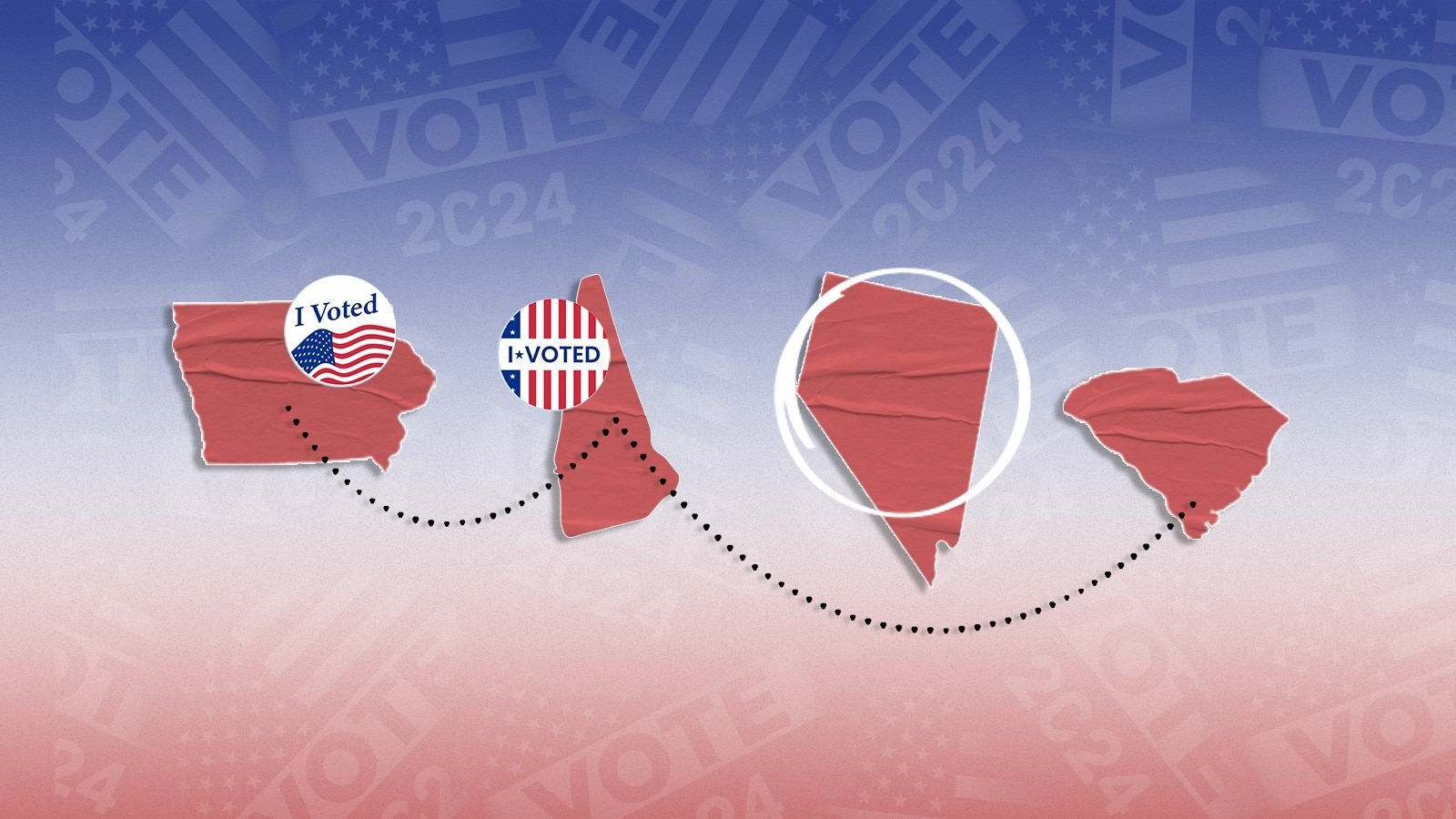
Nevada's state-run presidential primary won't affect the GOP's national delegate contest, as the state's delegates will be allocated based on caucuses run by the Nevada GOP. The lack of a Trump-Haley matchup has reduced Nevada's influence in the Republican nomination race, with the next major decision point being South Carolina. The Nevada GOP's decision to use caucuses instead of a primary has created split circumstances, leading to a quirky split contest and reduced importance for the state in the presidential race.
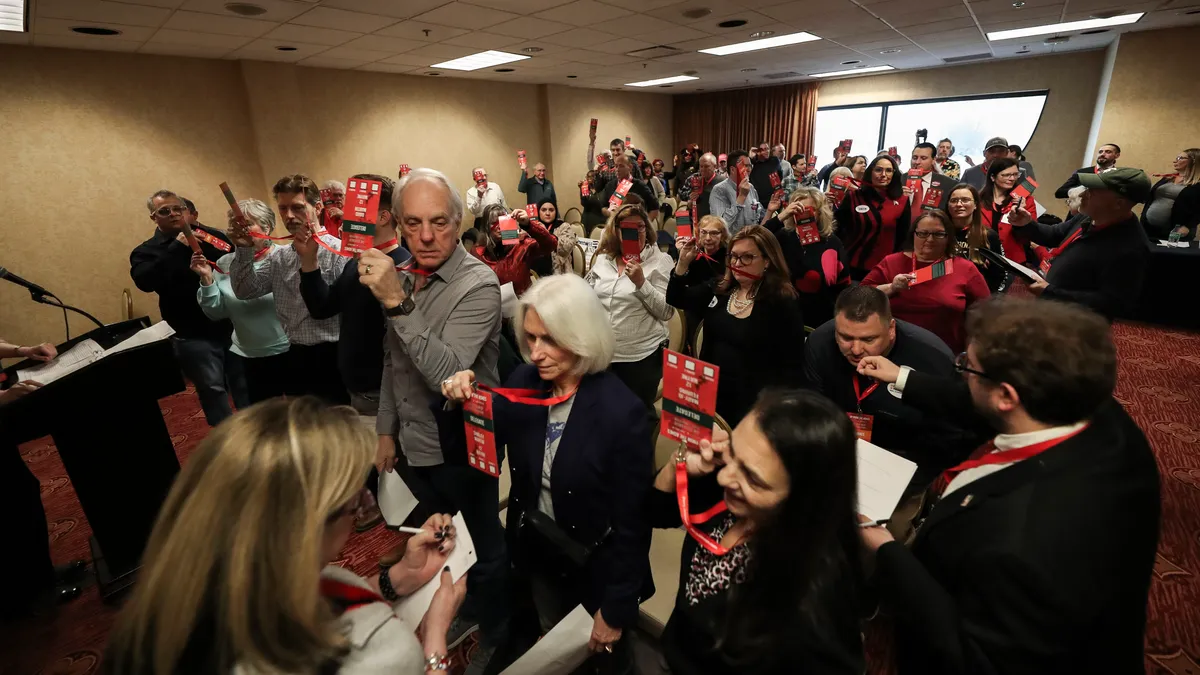
The Nevada Republican Party's decision to host its own caucus instead of participating in the state-run presidential primary has caused confusion and anger among GOP voters. The caucus, which prohibits candidates from also participating in the primary, has led to misinformation and conspiracy theories, further eroding trust in the election process. The party's leaders, some of whom have faced felony charges related to attempts to overturn the 2020 election, claim the caucus will demonstrate a more secure election process, but experts dispute this. The confusion and disinformation surrounding the nominating process may impact voter behavior in the general election, with some Republican leaders expressing concerns about turnout.
The Nevada Republican Party is holding a caucus just two days after the state's primary election due to dissatisfaction with recent changes to Nevada's election laws, which shifted the state-run presidential contest to a primary. The caucus, a more restrictive voting system, has caused confusion among voters, with the party's decision to exclude certain candidates from the caucus ballot sparking controversy. The party's move has been defended as a traditional method of choosing the presidential nominee, while state officials have been directing voters with questions to the Nevada Republican Party.
The former Nevada GOP chair has criticized the state's Caucus, calling it a "complete pro-Trump scam" and alleging that Trump is guaranteed to win all of Nevada's presidential delegates.
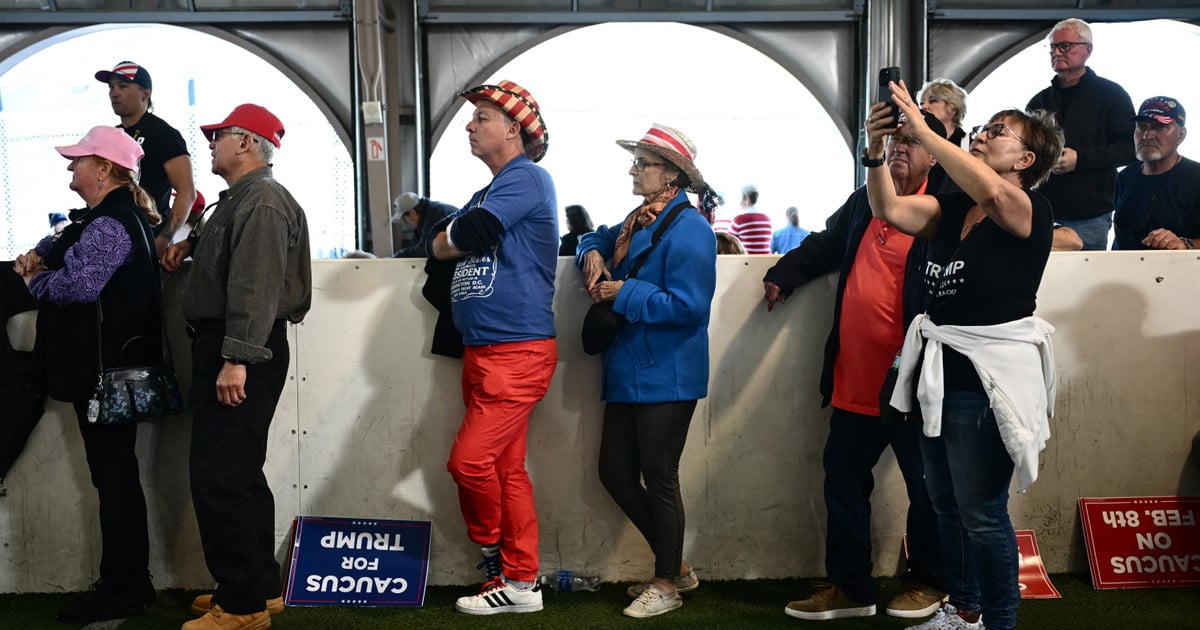
The Nevada Republican Party's decision to hold both a caucus and a primary has caused confusion and controversy, with critics arguing that it favors former President Donald Trump and diminishes the state's relevance in the nominating process. The party's loyalty to Trump, coupled with internal disputes and concerns about voter engagement, has led to a contentious and potentially damaging situation. Despite the chaos, Trump's overwhelming support among Nevada Republicans suggests that the caucus, rather than the primary, will be the decisive contest.
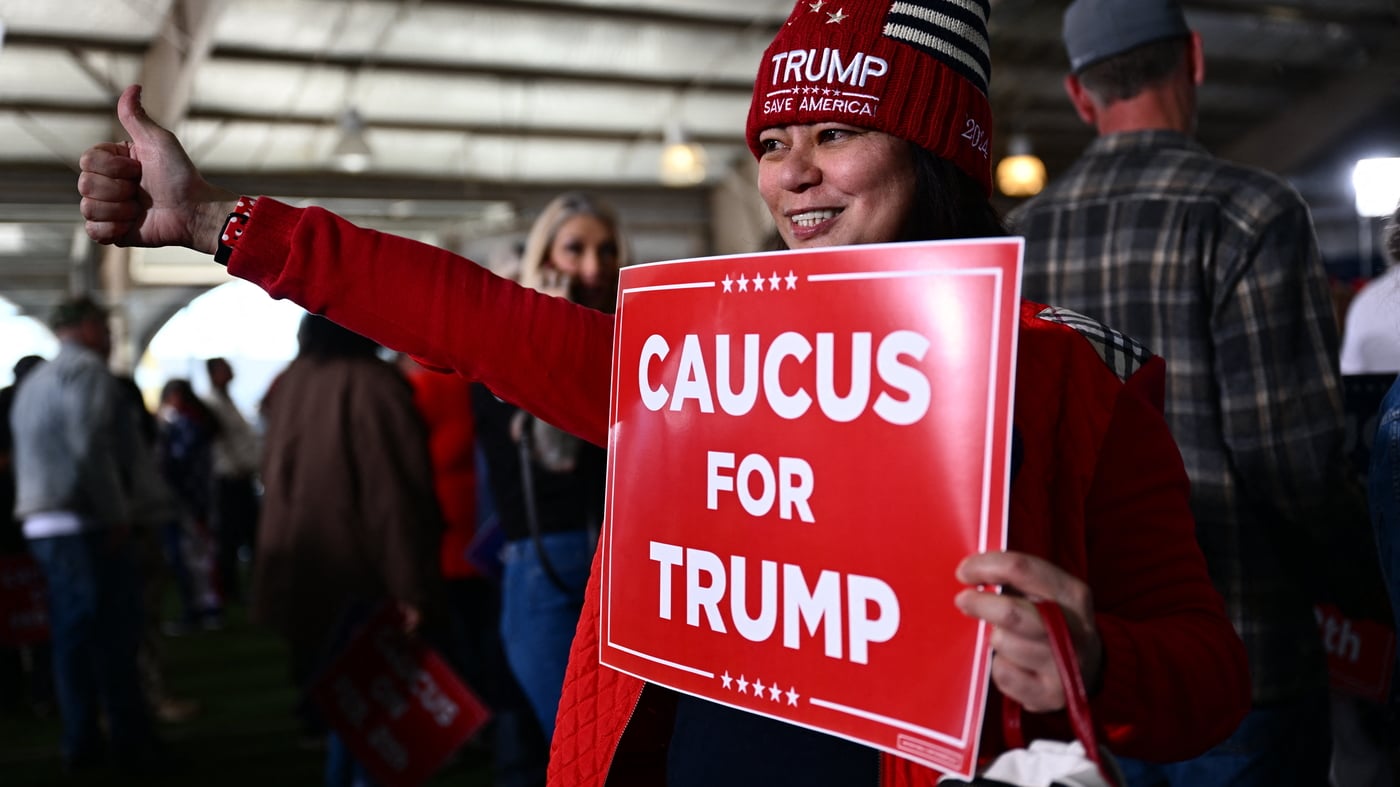
Nevada will hold a state-run primary for the Republican Party on February 6, followed by a GOP caucus on February 8 to determine delegate allocation. Former South Carolina Gov. Nikki Haley will not be on the caucus ballot, while Trump will be the sole candidate, securing all 26 delegates. This is due to a change in Nevada's primary process following concerns about caucus result tabulation. Despite her ties to South Carolina, Haley's chances in the upcoming primaries appear limited as Trump holds a significant lead in polling.
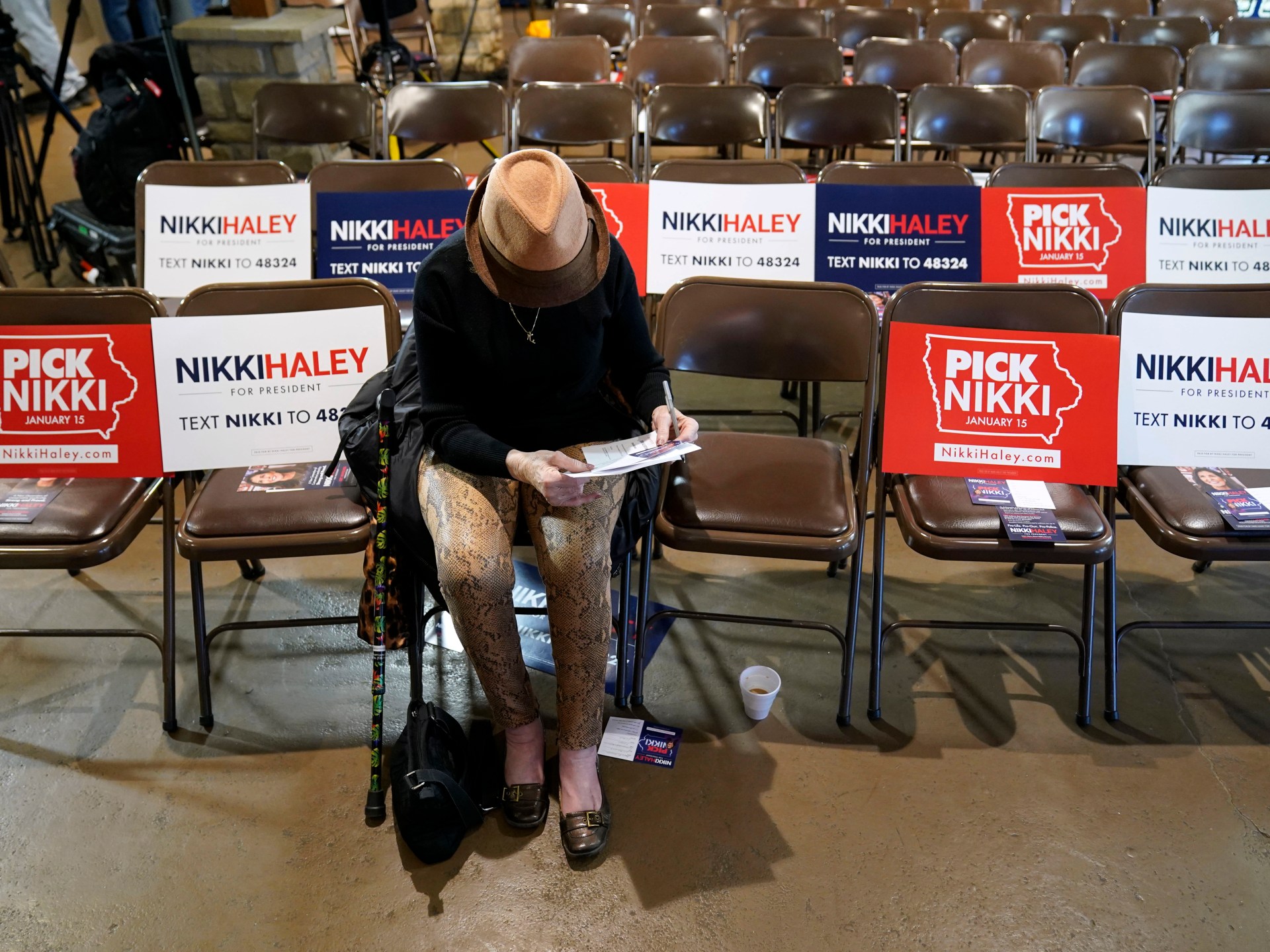
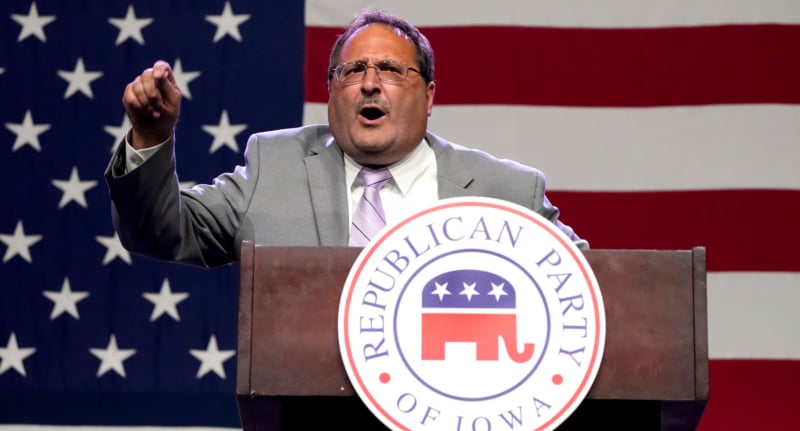
During the Iowa caucuses, the media's early call of Donald Trump's victory sparked criticism from both Republicans and Democrats, with some accusing the media of election interference and others expressing concerns about the timing of the announcement. The unique nature of Iowa's caucuses, with no real-time indication of when everyone has finished voting, led to the early call. The Iowa Republican Party is considering changes to prevent early calls in the future, while media organizations aim to balance accuracy with respect for the caucus process. Additionally, the LA Times anticipates layoffs, Ron DeSantis regrets early media avoidance, the House passes a federal shield law for journalists, and Ecuador grapples with gang-related violence and an assassination of a public prosecutor.
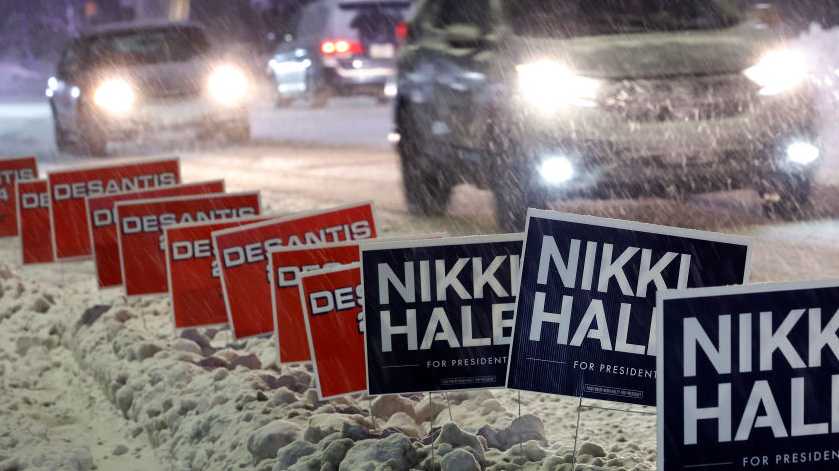
The 2024 Iowa caucuses are expected to be the coldest in modern history, with a forecasted high of -2 degrees and wind chills of -20 to -30 degrees on Monday evening. This extreme cold could make it the coldest caucus night since 1972, when the wind chill was -21 degrees. Despite the dry skies, the arctic air and frigid breeze are expected to make it challenging for caucus-goers.