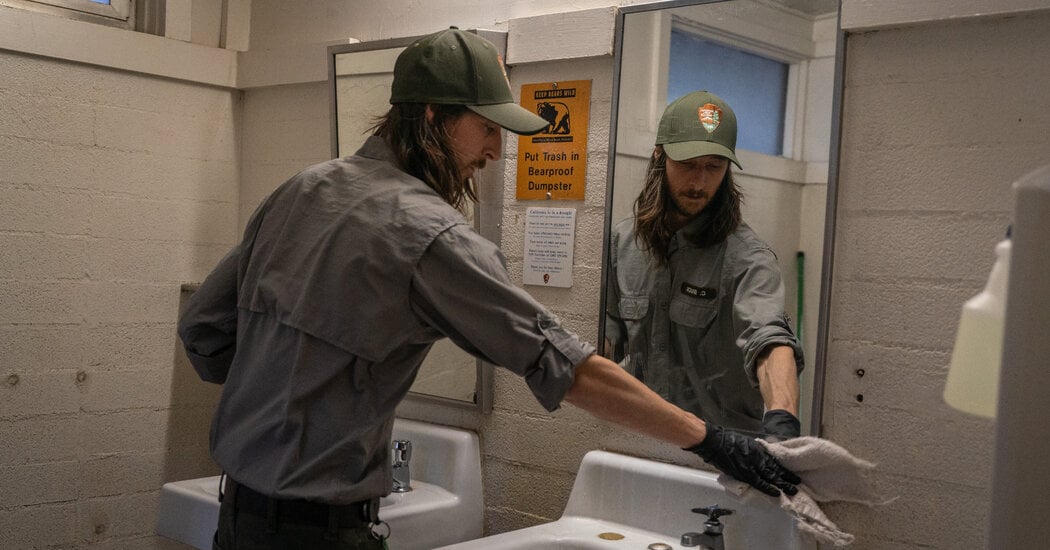
The National Park Service is severely understaffed due to layoffs and resignations following budget cuts under the Trump administration, leading to overworked employees and potential safety risks during the busy summer season, with many key positions vacant across numerous parks.
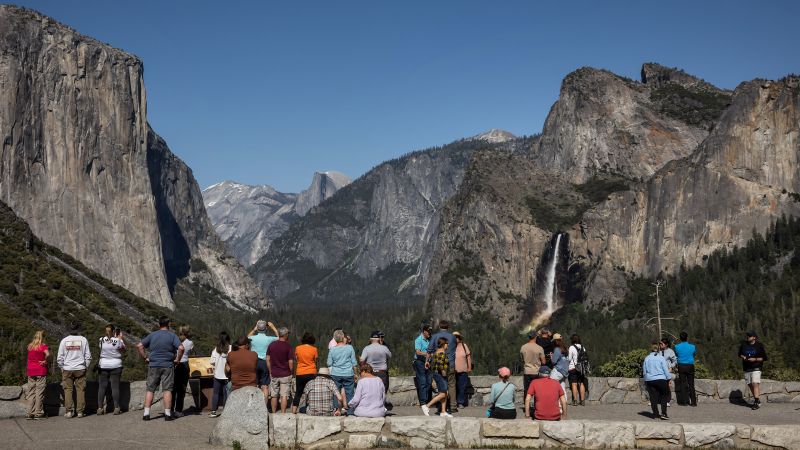
Visitors to U.S. national parks are experiencing reduced services and safety concerns due to significant staffing cuts following the Trump administration's layoffs, with fewer rangers and seasonal workers available during peak summer months, raising worries about safety and park maintenance.
During the COVID-19 pandemic, zoo closures led to noticeable changes in primate behavior, as observed in a study at UK zoos. Primates like bonobos, chimpanzees, gorillas, and baboons altered their habits, such as resting and eating patterns, in response to the absence and return of visitors. The study highlights the complex impact of human presence on zoo animals, suggesting that visitor interactions can be both stimulating and disruptive. This research provides valuable insights for improving animal welfare in zoos and parks.
Maui is facing both physical and financial challenges following a recent catastrophe, with West Maui being cut off from tourism until further notice. While 85% of the island remains undamaged, hotels and vacation rentals in other areas are uncertain about when visitors will return. The state initially asked all visitors to leave Maui, but the governor has since stated that the island needs visitors to return. The decision of when to return is ultimately up to the visitor, but it is important to consider the ongoing recovery efforts and the impact on local residents. Haleakala National Park is set to reopen on August 16, signaling progress. The island's infrastructure capacity may be constrained, and there have been reports of shortages in stores. The opinions on resuming Maui travel vary, with some emphasizing the need for tourism to sustain the economy and others urging visitors to cancel their vacations and support the affected residents.