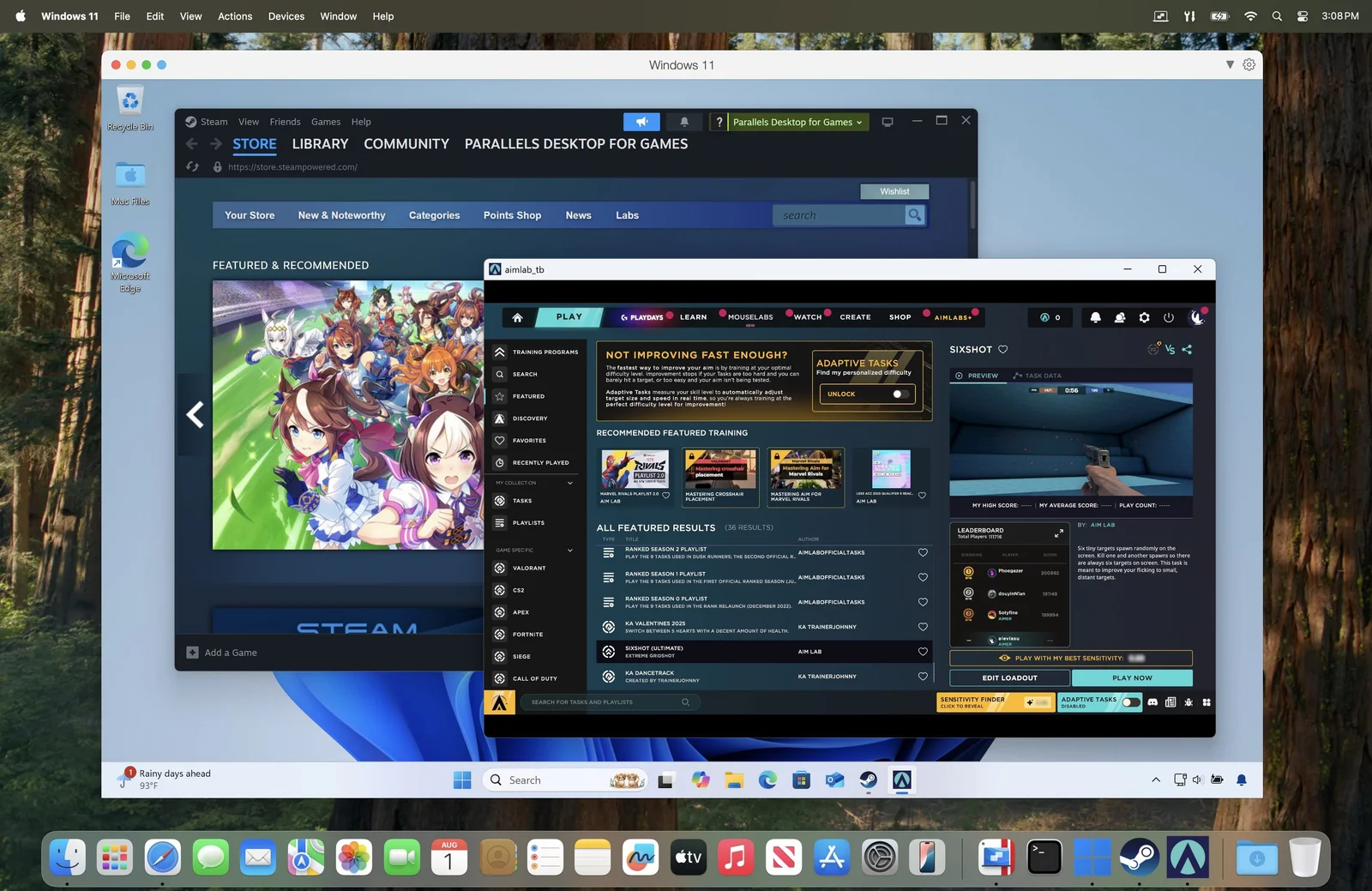
Parallels Desktop 26 has been updated to support the latest macOS Tahoe and the Windows 11 2025 update, enhancing compatibility and features for users running virtual machines on Mac.
New M4-based Macs are unable to run virtual machines of macOS versions earlier than Ventura 13.4, as reported by users and developers. This issue, highlighted by security researcher Csaba Fitzl, affects popular virtualization software and results in a black screen during VM boot. The problem, occurring during early kernel boot processes, is not present in M1, M2, and M3 Macs. A fix would require Apple to release updated IPSW files for older macOS versions, which is unlikely. Supported macOS versions for virtualization on M4 Macs include Ventura 13.4 and later.
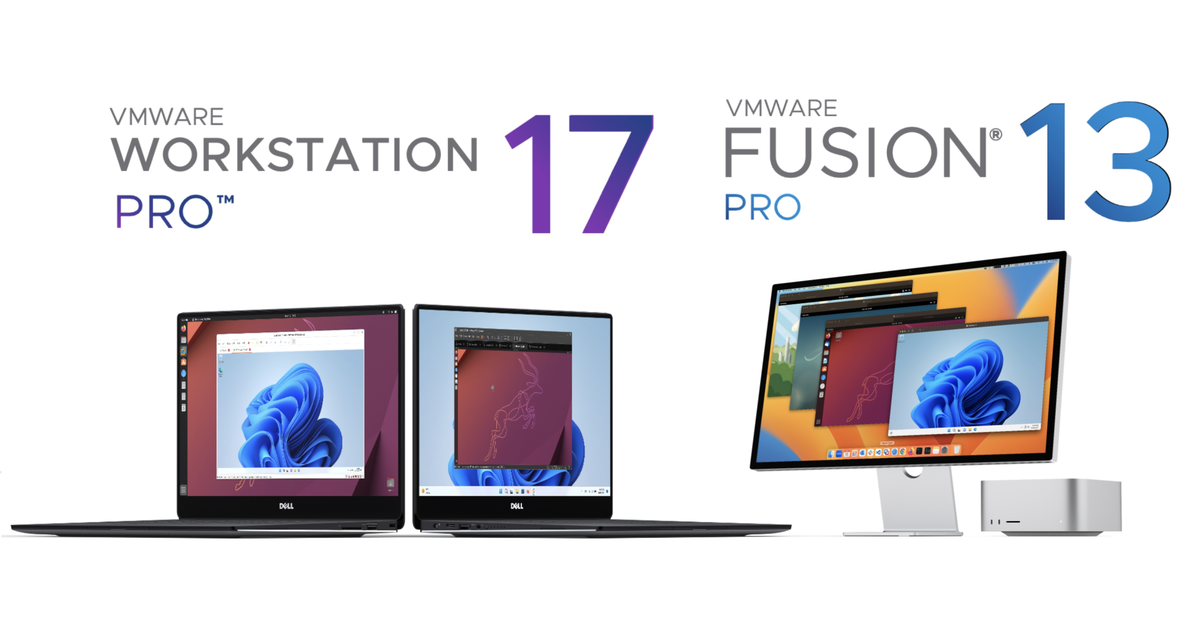
VMware has made its Workstation Pro and Fusion Pro desktop hypervisor software free for both personal and commercial use, eliminating the need for businesses and developers to purchase licenses. Despite being free, VMware plans to continue investing in the software's development, relying on revenue from its enterprise virtualization solutions. The software remains proprietary, unlike open-source alternatives like Qemu and VirtualBox. Users can download the Linux version by signing up for a Broadcom account.
VMware has made its Fusion and Workstation software free for all users, including commercial customers, as part of a strategy to simplify its product offerings following Broadcom's acquisition. The Pro versions are no longer available for purchase, and VMware is pushing customers towards subscription-based services. Some business customers have reported significant price increases post-acquisition, with VMware ending support ticketing for troubleshooting after current contracts expire.
VMware has announced that its desktop hypervisor products, VMware Fusion and VMware Workstation, are now free for all users, including commercial, educational, and personal users, effective November 11, 2024. This marks the end of the paid subscription model for these products, with all features from the previous paid versions included in the free versions. While existing support agreements will remain valid until expiration, future support will be limited to online resources and community forums. VMware plans to continue investing in these products, enhancing features and usability.
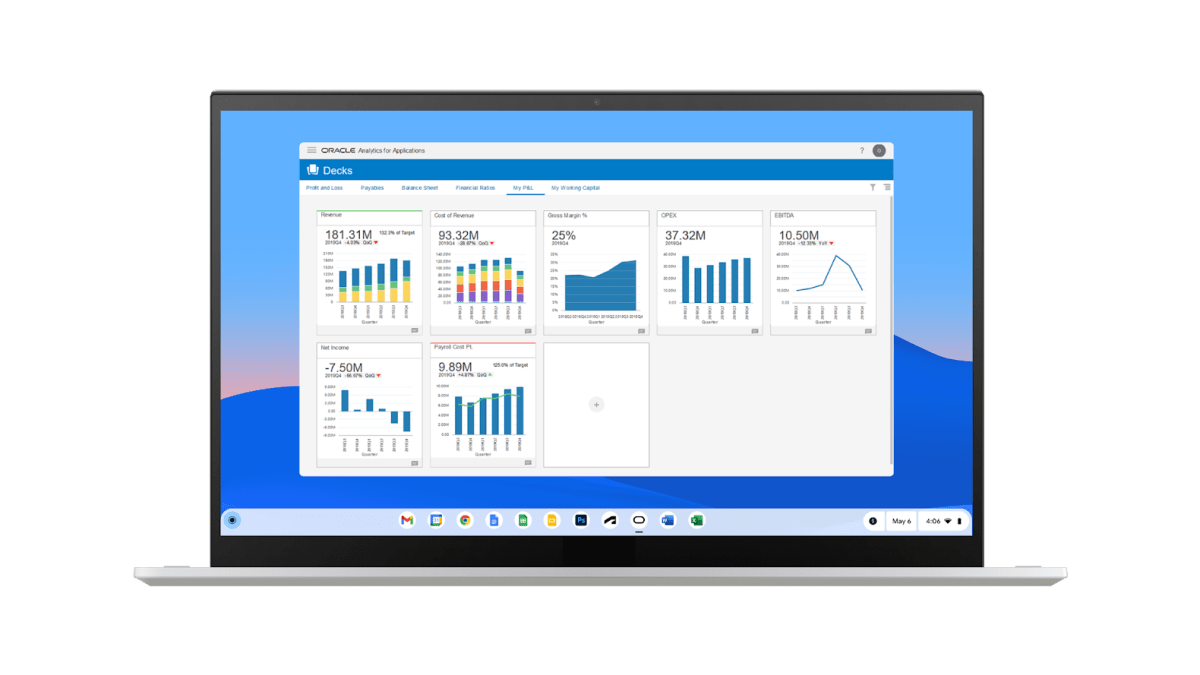
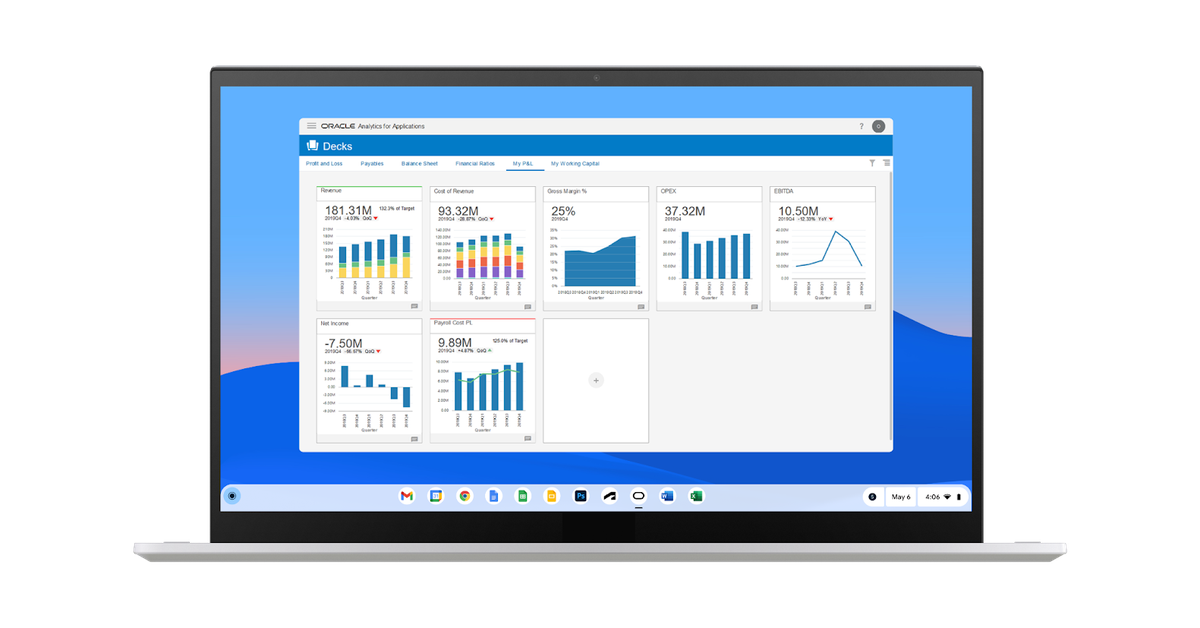
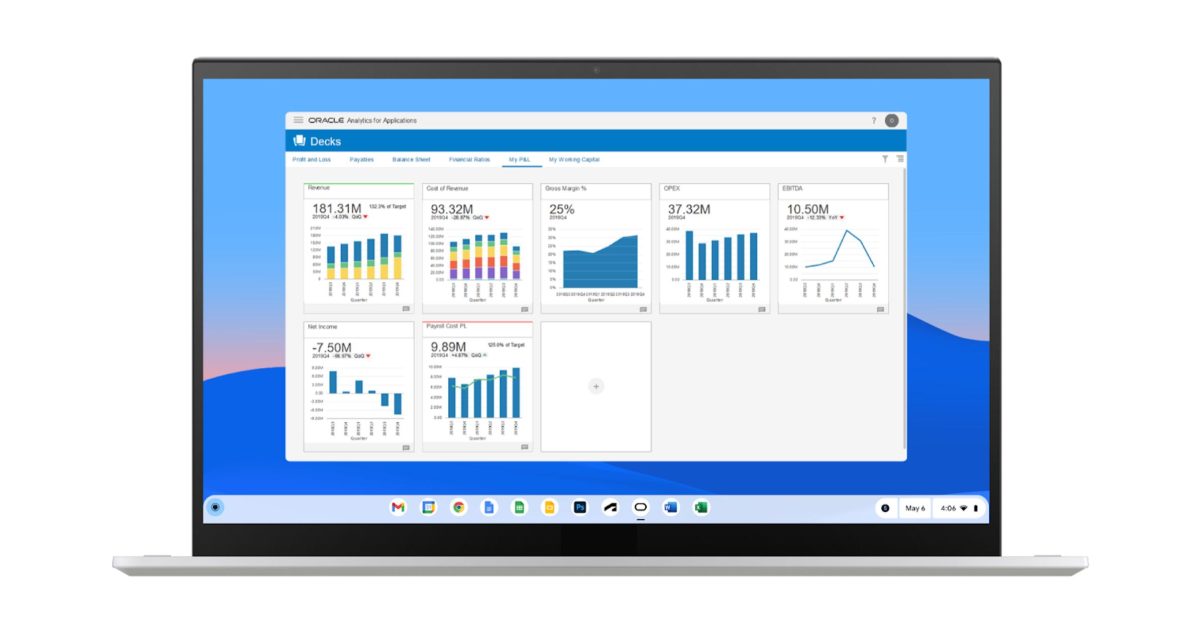
Google has acquired Cameyo, a company specializing in virtualization tools to run Windows apps on ChromeOS devices, enhancing ChromeOS by allowing users to access Windows apps without complex installations or updates. This acquisition aims to help businesses modernize their IT infrastructure while maintaining their existing software investments.
Google is acquiring Cameyo to integrate virtualized Windows app support into ChromeOS, enhancing the user experience and simplifying app deployment for IT admins. This move aims to attract more businesses to ChromeOS, especially as more applications shift to cloud and web-based technologies.
Google has acquired Cameyo to enhance enterprise adoption of ChromeOS by enabling seamless use of legacy Windows apps. Cameyo's Virtual App Delivery platform will help turn Windows applications into Progressive Web Apps with native file system integration and full clipboard support, streamable from the cloud or on-premises. This move aims to simplify application deployment, improve security, boost productivity, and reduce IT costs for enterprise customers.
VMware has released security updates to address critical sandbox escape vulnerabilities in its ESXi, Workstation, Fusion, and Cloud Foundation products, which could allow attackers to escape virtual machines and access the host operating system. The vulnerabilities, with severity ratings ranging from 7.1 to 9.3, include use-after free bugs in USB controllers, an out-of-bounds write flaw, and an information disclosure problem. System administrators are advised to apply the patches promptly and consider implementing workarounds to mitigate the risks. VMware has also provided guidance on response planning and workaround/fix implementation for specific products and configurations, emphasizing the importance of prompt patching.
GNOME Shell and Mutter have released their GNOME 46 Beta versions, featuring improvements for gamers and virtual machine users. Notable changes include support for mouse cursor hotspots for KMS atomic mode, refactoring of Wayland focus management, and dropped experimental RT-scheduler feature. However, dynamic triple buffering and Mutter Variable Refresh Rate support were not included. GNOME Shell 46 Beta brings improved styling, default styles, and handling of screencast failures, among other changes.
Intel has released patches to enhance the performance of virtual machines (VMs) running on Intel hybrid platforms by enabling Thread Director Virtualization, resulting in a 14% performance improvement in Windows VMs running 3DMark benchmark. The patches aim to improve task placement between P and E cores, particularly for running a Linux host on Intel Core hardware with Microsoft Windows VM guests. The work is focused on enabling ITD-based scheduling logic in Guest for better task scheduling on Intel hybrid platforms, and it is hoped that this support will be integrated into the Linux kernel in the future.
FjordPhantom, a new Android malware, has been discovered using virtualization to run malicious code in a container and evade detection. The malware spreads through emails, SMS, and messaging apps, targeting banking apps in Southeast Asian countries. FjordPhantom tricks victims into downloading seemingly legitimate banking apps that contain malicious code running in a virtual environment. It aims to steal online bank account credentials and manipulate transactions. By incorporating a virtualization solution, the malware breaks the Android Sandbox security concept and can inject its code into trusted processes. This sneaky attack method bypasses code tampering detection and hampers root-related security checks. The malware's active development raises concerns about its potential expansion to other countries.
XCP-ng project plans to gradually rewrite some of the smaller Xen Project components in Rust programming language, due to its memory safety traits and performance. The team is considering bringing Rust directly inside the Xen hypervisor itself, but they prefer to start with simple things and a higher level first, while getting more experience in Rust.