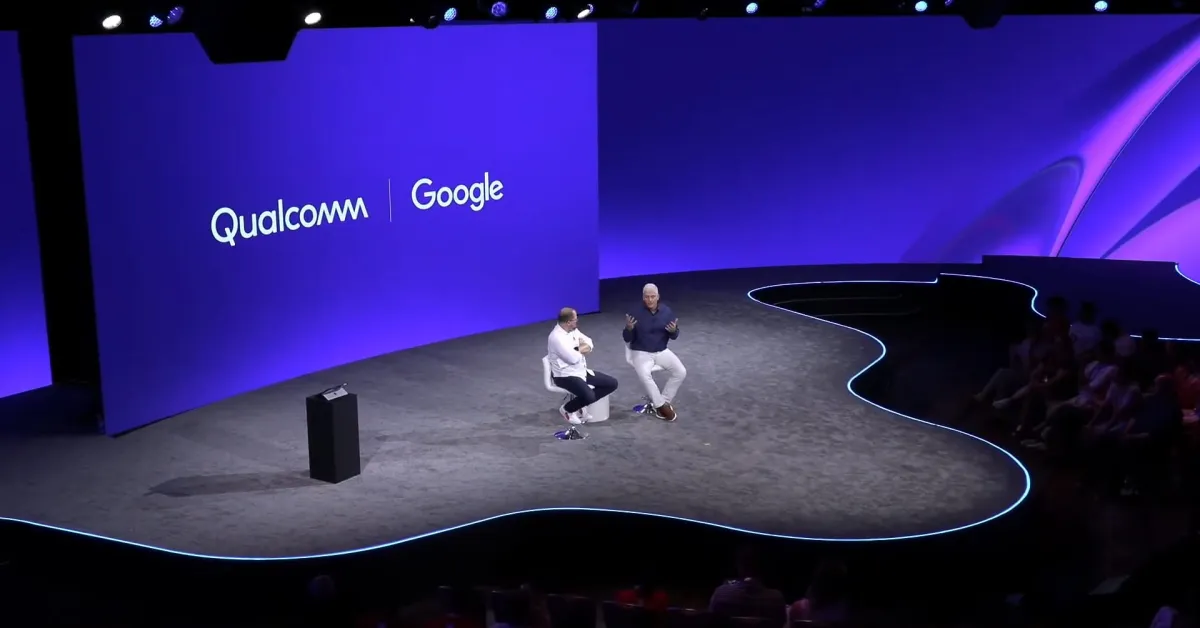
Qualcomm announced advancements in 6G technology expected by 2028, emphasized AI integration across devices, and hinted at a collaboration with Google to merge ChromeOS and Android into a unified platform, marking a significant evolution in computing and connectivity.
Google is working on merging Android with ChromeOS to create a unified platform for PCs, with Qualcomm CEO Cristiano Amon praising an early version as 'incredible' and highlighting the vision of mobile and PC convergence.
Google and Qualcomm are collaborating to develop a unified platform that merges ChromeOS and Android for desktop and PC use, leveraging Android's technology to enhance AI and device integration, with Qualcomm working on new OS solutions for PC-class chips.
Acer announced two new Chromebox models at IFA 2025: the powerful, multi-display Chromebox CXI6 with extensive ports and high-end processors, and the compact, silent Chromebox Mini CXM2 designed for space-constrained and quiet environments, both supporting VESA mounting and available in enterprise editions.
The latest Acer Chromebook Plus Spin 514 exemplifies the current struggles of Chromebooks, with decent performance and display but uninspired hardware and a high price, highlighting the platform's challenge to remain relevant against more advanced Windows and macOS laptops.
Google's Android president has indicated that Android may eventually replace ChromeOS to improve integration with Android devices, though no timeline has been provided. ChromeOS remains a successful Linux-based platform, but Google's focus on AI and the lack of ChromeOS mentions at Google I/O suggest a strategic shift. The transition could lead to more unified app ecosystems and better device interoperability, with driver support being a key challenge.
Google is planning to unify its fragmented software platforms, including Android and ChromeOS, to create a more cohesive ecosystem that can challenge Apple’s dominance across devices and services, aiming for seamless integration and control over the user experience. If successful, this could position Google as a major player in the next generation of computing, but failure to do so would leave Android as a large but disjointed platform.
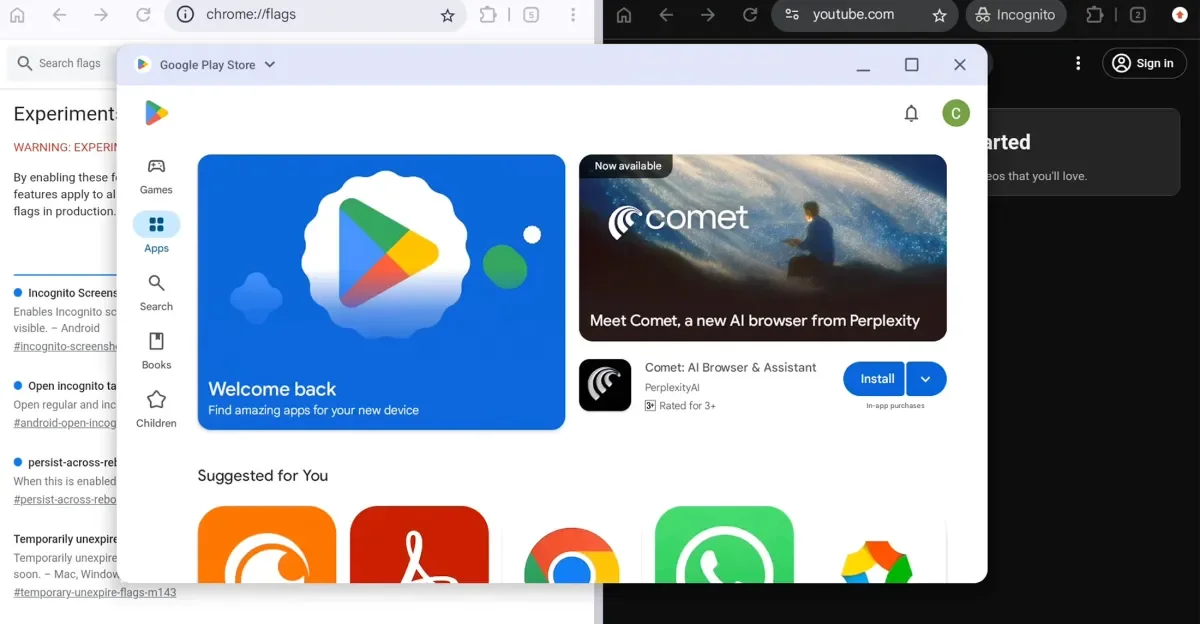
Google is merging ChromeOS and Android into a single platform to unify their strengths—Android's vast app ecosystem and ChromeOS's excellent window management—addressing compatibility issues and improving user experience on large screens like Chromebooks.
A Google executive initially suggested that ChromeOS and Android are being combined into a single platform, but later clarified that they are building ChromeOS on top of Android technology, which is more about integration than a full merger. Despite the clarification, the development direction indicates a closer relationship between the two operating systems, hinting at a future where they are tightly linked.
Google is working on unifying Android and ChromeOS into a single platform to improve device integration and user experience, similar to Apple's ecosystem, with no specific timeline announced yet.
Google is moving towards unifying Android and ChromeOS into a single platform to create a more cohesive ecosystem, similar to Apple's integrated device experience, with plans to enhance cross-platform functionality and support for Android apps on ChromeOS.
Google plans to merge ChromeOS and Android into a single platform to enhance functionality and compete with iPad, with the integration already underway and new features being introduced to bring the two operating systems closer together.
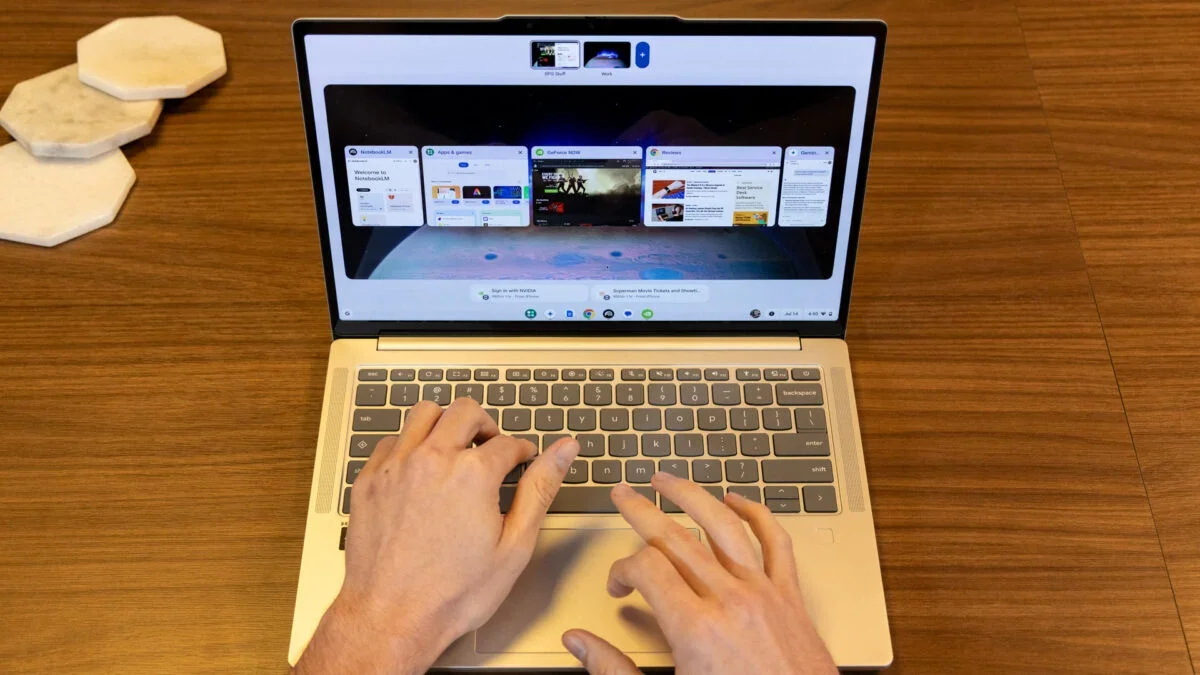
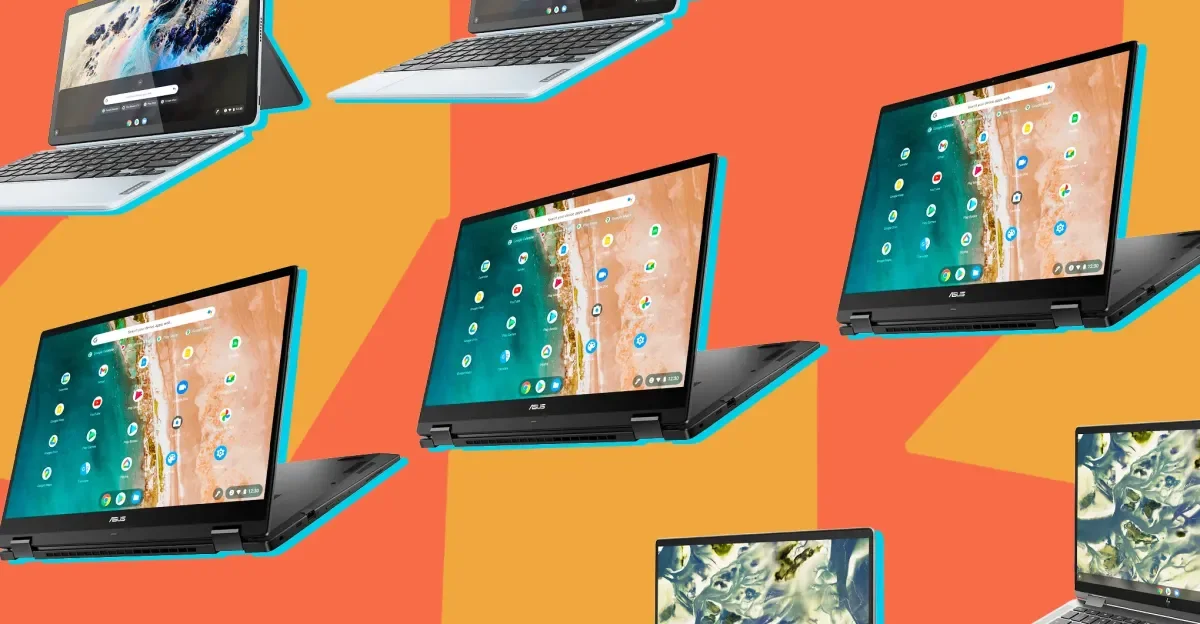
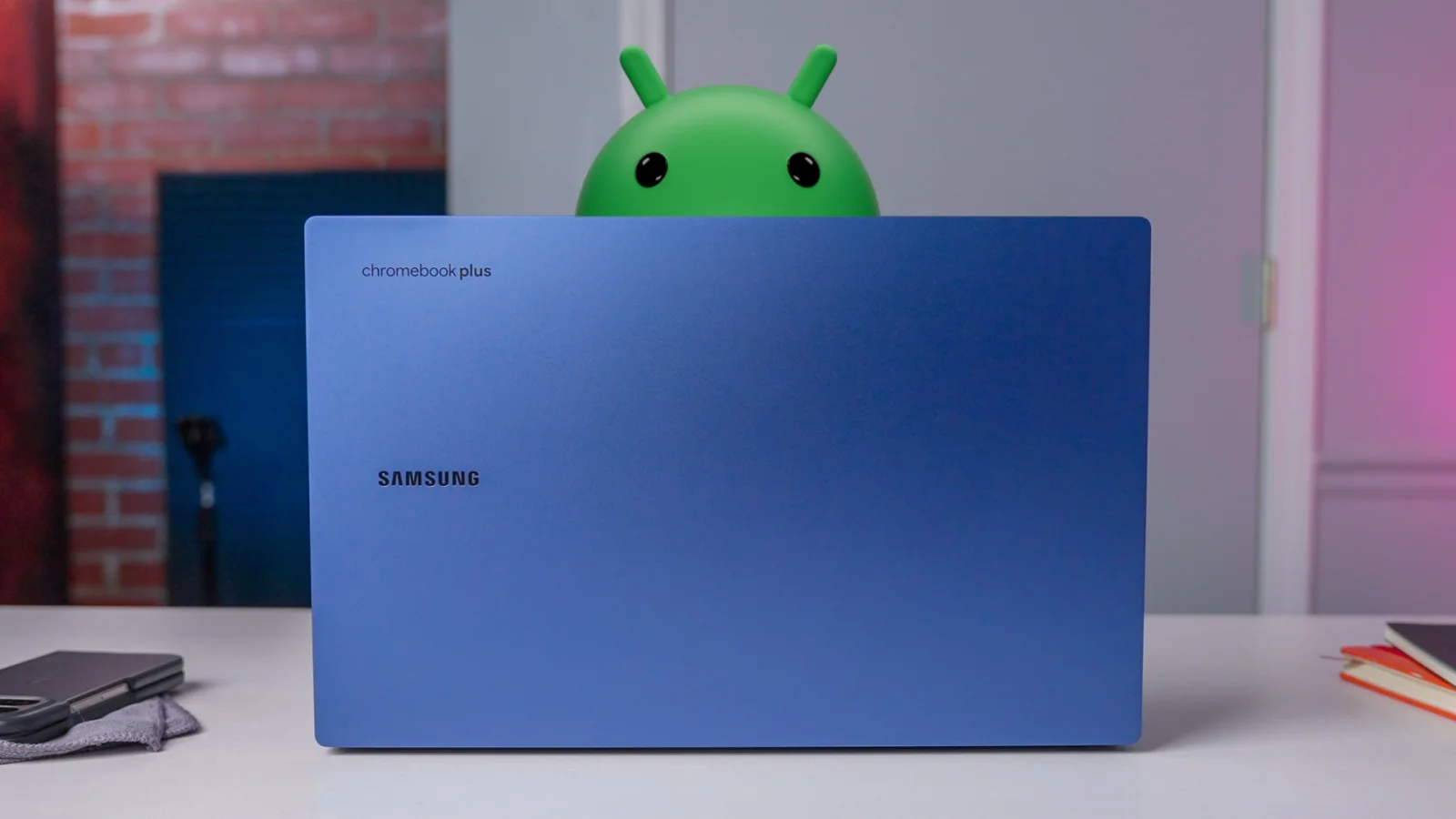
The Lenovo Chromebook Plus, featuring an OLED display, up to 16GB RAM, AI-powered ChromeOS features, and support for dual 4K monitors, offers a premium, powerful, and affordable Chromebook experience, making it a compelling alternative to MacBook and Windows PCs.
ChromeOS was notably quiet at Google I/O 2025, likely because Google is focused on a major transition to the Android Linux kernel, a complex project aimed at improving integration, AI features, and device compatibility, with more detailed announcements expected at a dedicated Chromebook Showcase.
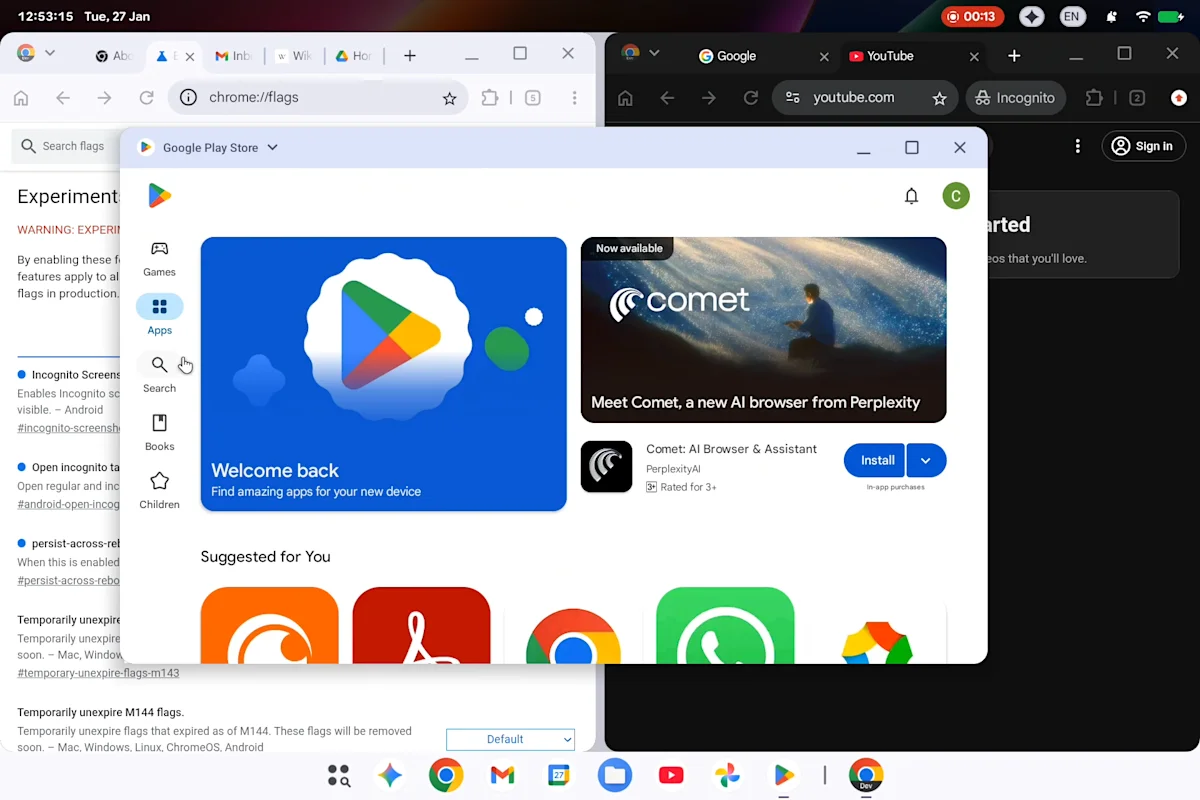
Google is working to transform Android into a desktop-class operating system for touchscreen laptops by addressing challenges like app optimization for larger screens, improving multitasking, and enhancing performance. The merger of ChromeOS and Android presents an opportunity for Google to unify its platforms, but it must overcome issues like fragmentation and inconsistent app experiences. Key steps include redesigning the interface for larger screens, building a robust app ecosystem, and leveraging AI, such as Gemini, to enhance productivity. Google's success in these areas could position Android as a viable alternative to MacOS, iPadOS, and Windows.