Democrats experienced a rollercoaster of emotions after recent elections, initially gaining momentum but soon facing setbacks as seven Democratic senators and an independent sided with Republicans to pass a short-term funding bill, leading to the end of the longest government shutdown on record.
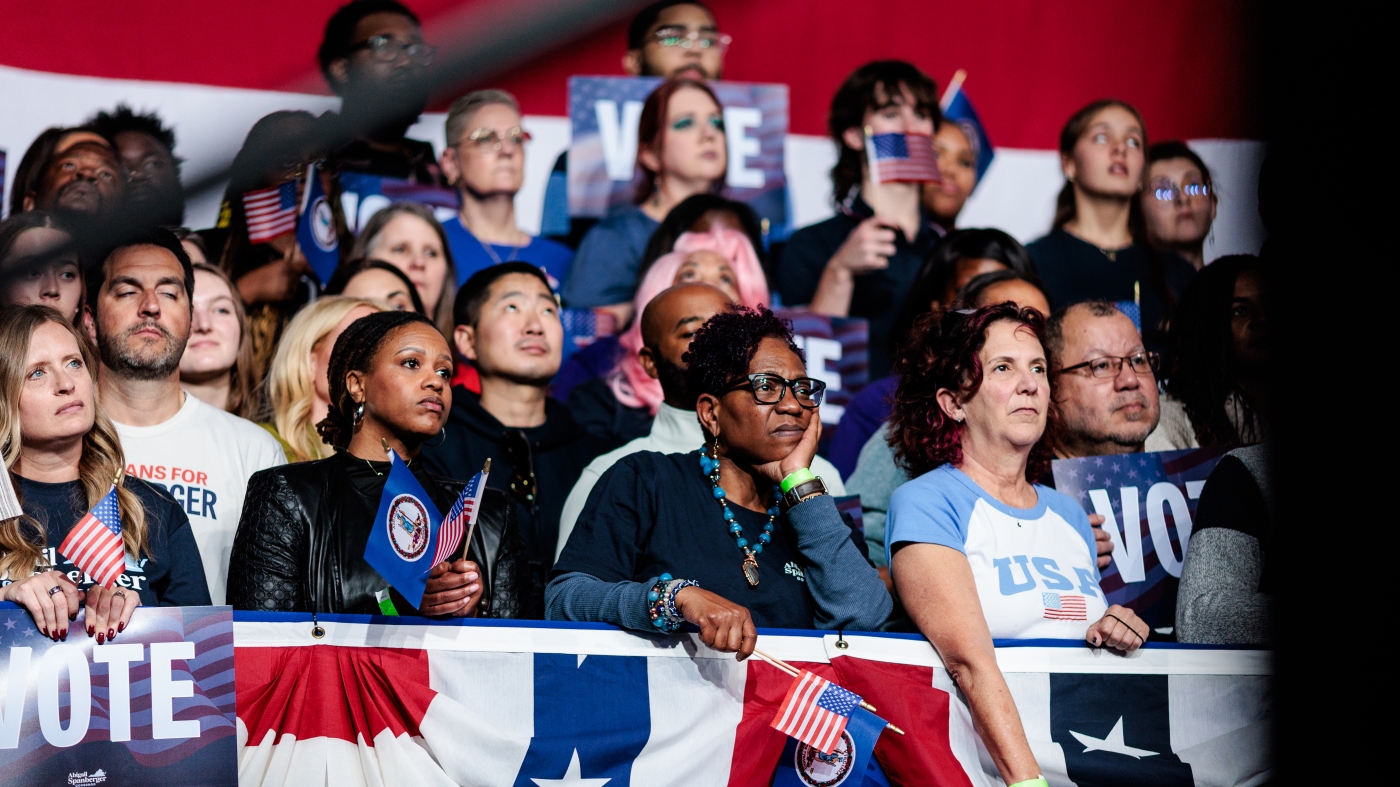
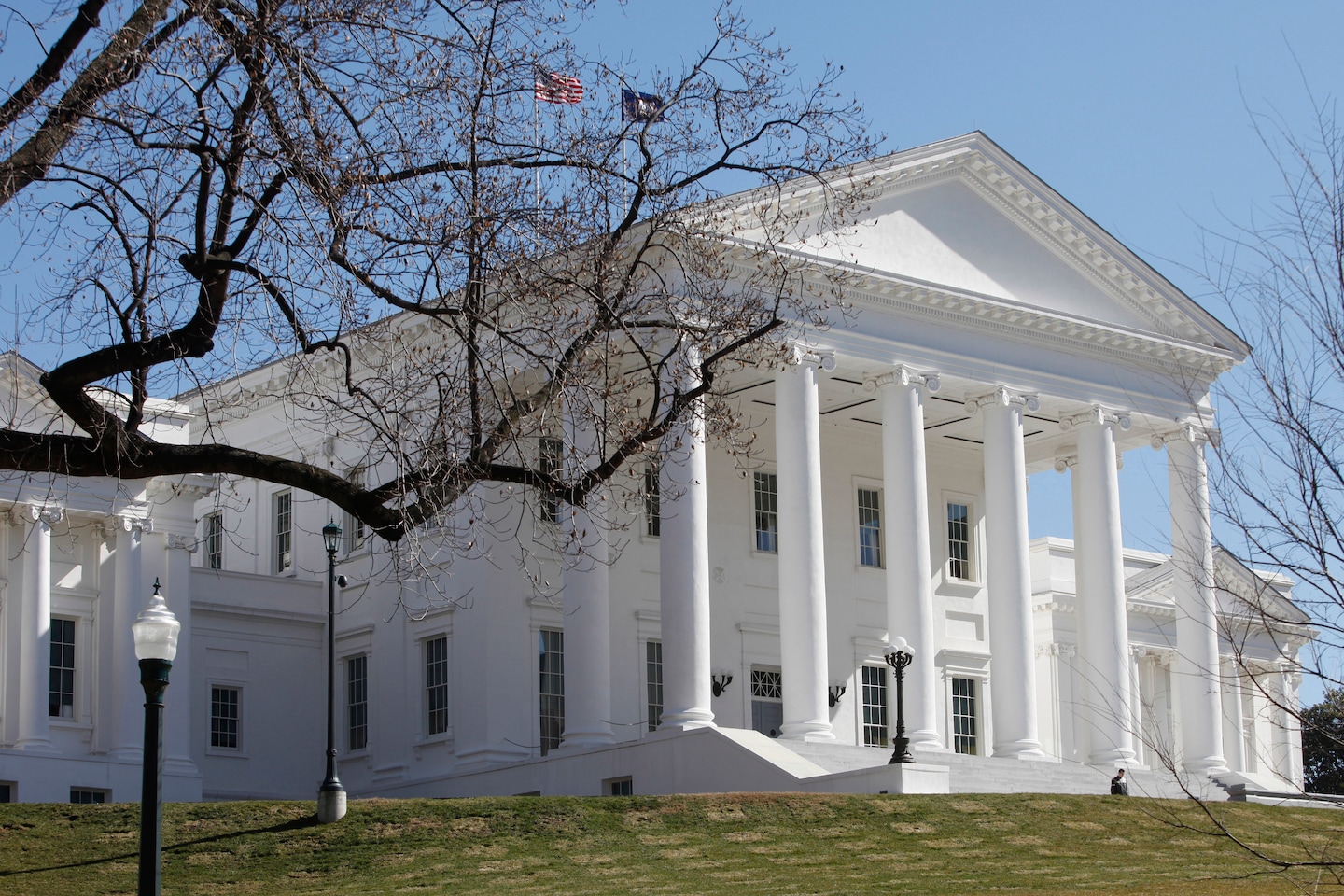
Virginia's upcoming elections have become a comprehensive referendum on various issues including federal workforce challenges, political violence, redistricting, and transgender rights, with candidates focusing on these topics amid a competitive race influenced by national political dynamics.
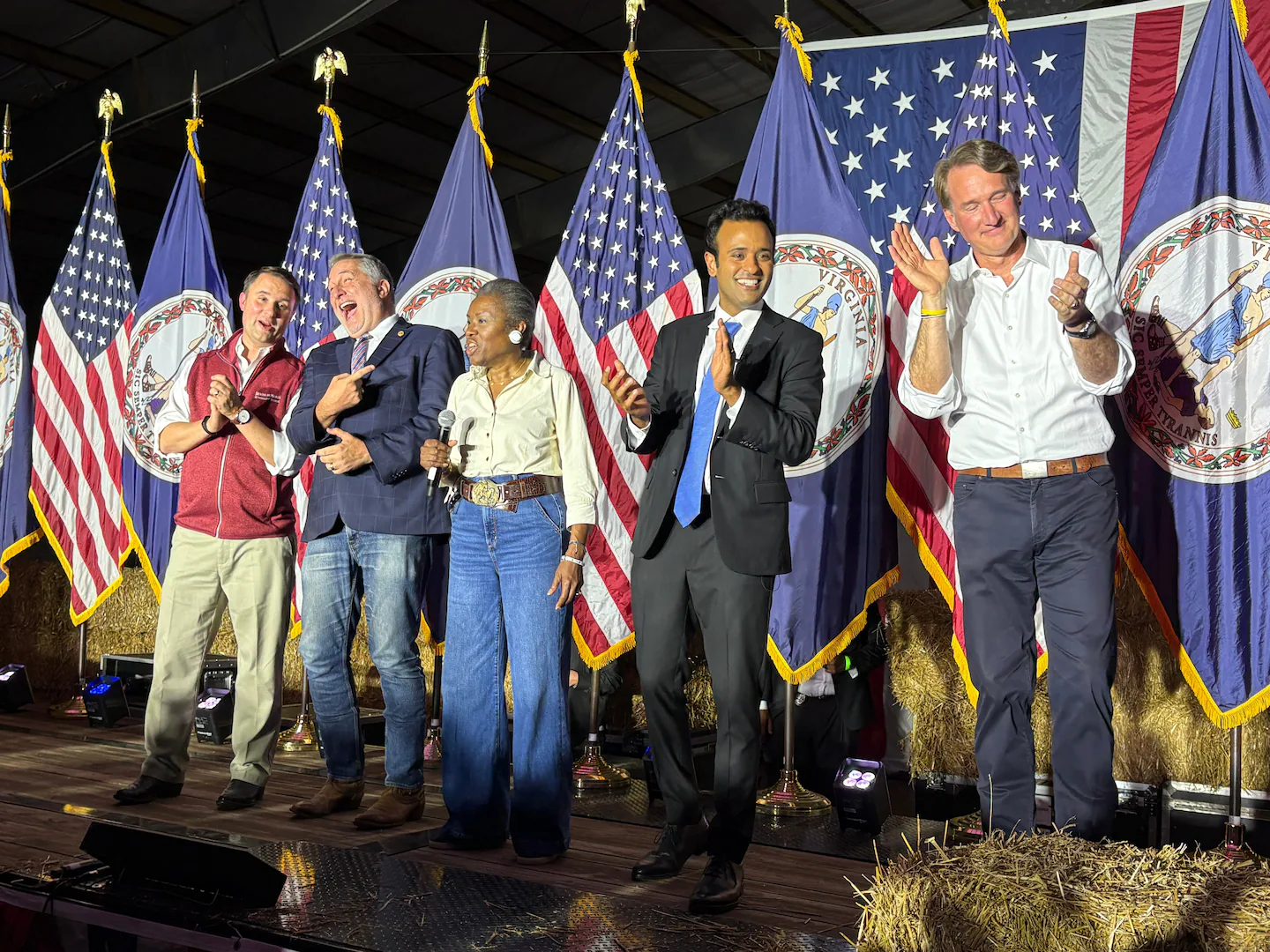
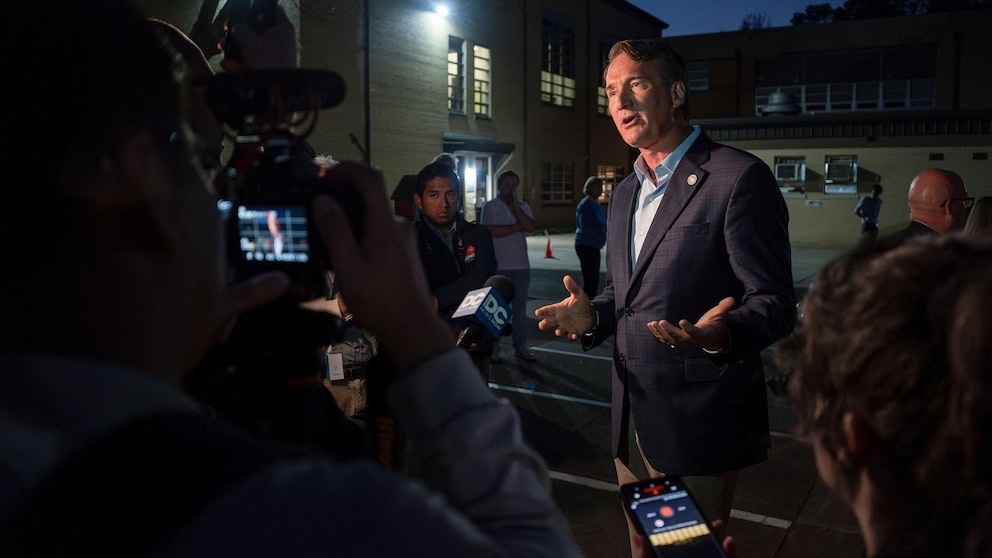
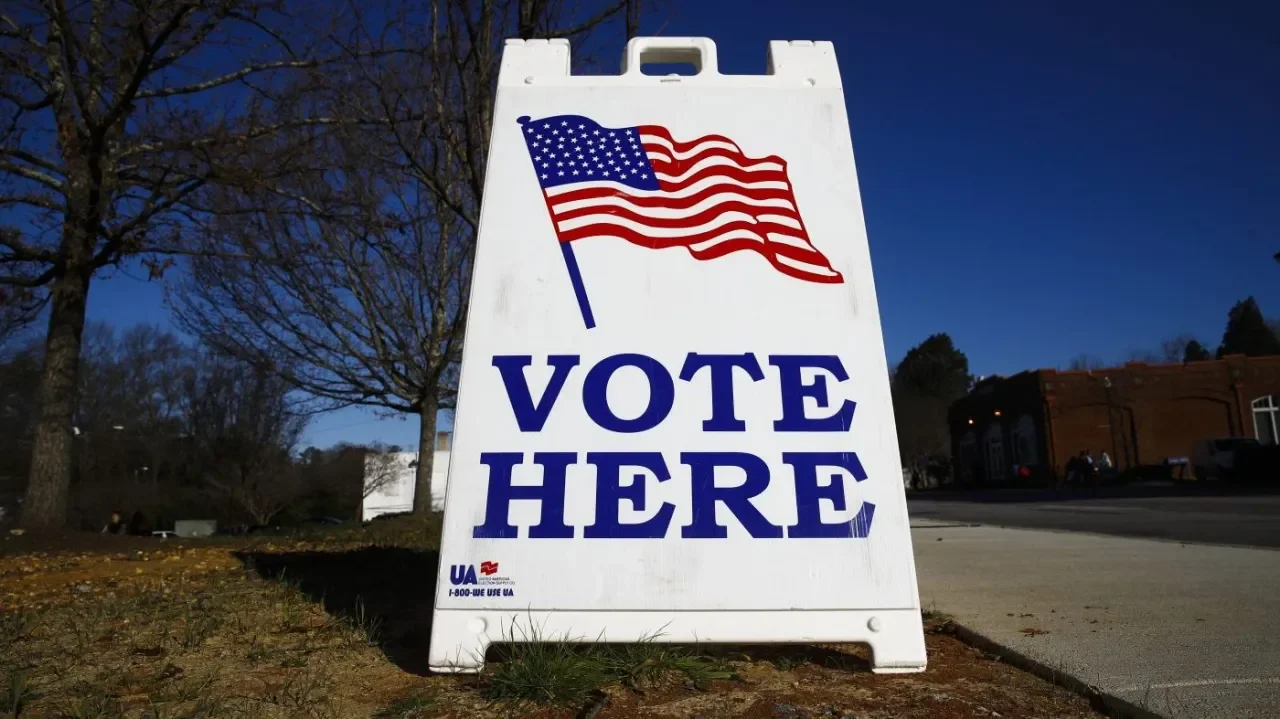
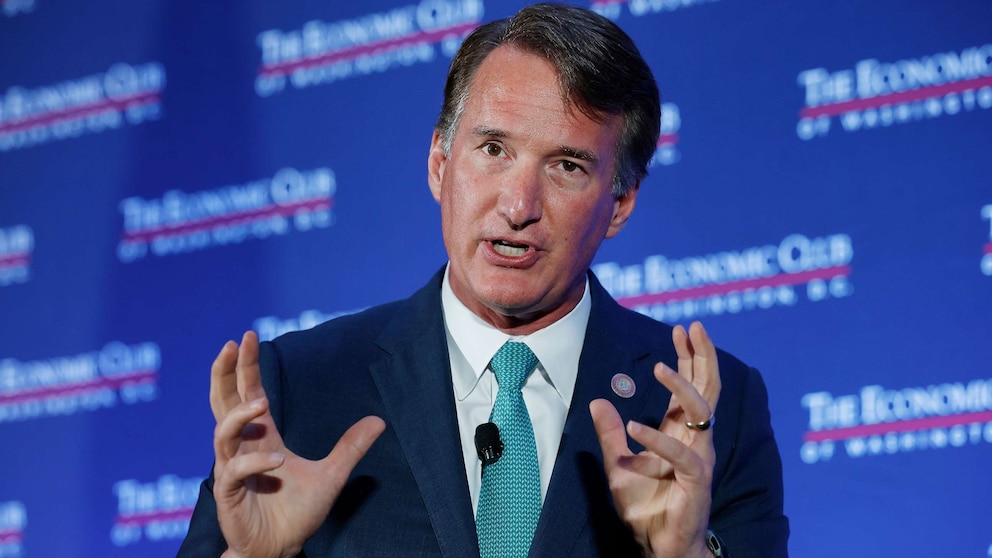
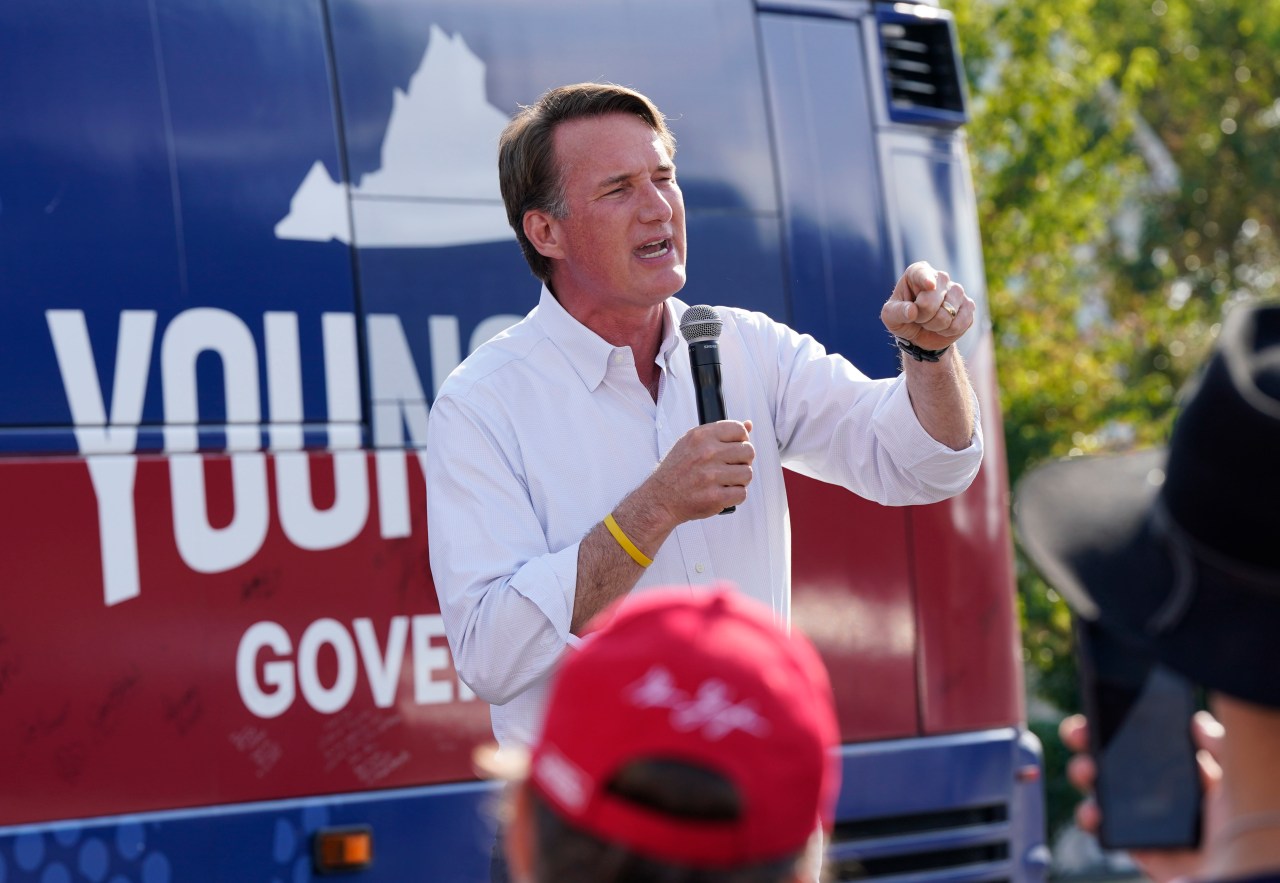
Virginia's early voting period has begun with a stark contrast in tone between Democrats and Republicans, as Gov. Glenn Youngkin and other GOP candidates embrace MAGA themes and Trumpian rhetoric, emphasizing issues like immigration, crime, and cultural debates, while Democrats focus on local issues and distancing from divisive national politics.
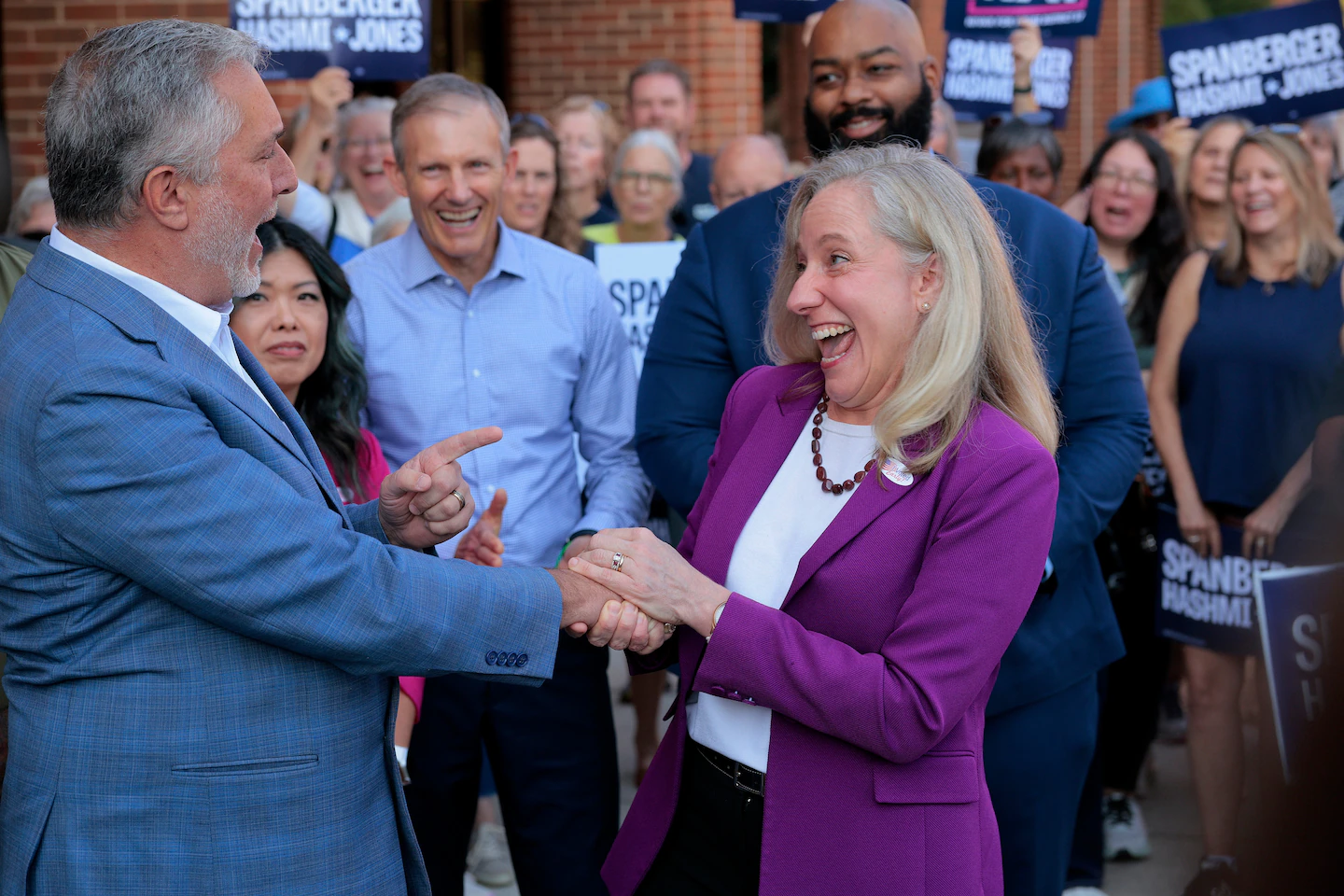
During Virginia's early voting, a tense moment between Democrat Abigail Spanberger and Republican John Reid turned friendly, highlighting the high stakes and political tensions in the state's upcoming elections, with both candidates emphasizing civility despite the heated atmosphere.
Virginia's recent elections highlight the continued significance of parental involvement and the impact it can have on the political landscape. The results emphasize the importance of parents in shaping policies and decisions that affect their children's education and well-being.
After suffering a major defeat in Virginia's closely watched legislative elections, Governor Glenn Youngkin has indicated that he will not be joining the 2024 presidential race. Democrats took full control of the state's General Assembly, leaving Youngkin with a divided state government and an uncertain political future. The election results revealed that Democrats were able to mobilize voters around abortion access, while Republicans will need to reassess their messaging on the issue. Youngkin's proposed 15-week ban on abortion with exceptions was a key issue in the races. Despite suggesting there is "common ground" on abortion, experts believe a future agreement on additional regulations is unlikely. Youngkin's loss in the legislative race may also impact his potential 2028 White House bid.
Republican pollster Frank Luntz is closely watching voter turnout and the results of the Virginia legislative elections, as they could impact the presidential race. Virginia, which has shifted from leaning Republican to leaning Democratic in recent years, may potentially swing back to the GOP under Governor Glenn Youngkin. Luntz believes Youngkin is considering a run for the 2024 GOP presidential nomination, but notes that he is not widely known outside of Virginia.
Virginia Governor Glenn Youngkin believes that the state can lead on the issue of abortion by enacting a 15-week ban with exceptions for rape, incest, and saving the life of the mother. With control of the state Legislature up for grabs in the upcoming elections, the fate of abortion access in Virginia hangs in the balance. Youngkin argues that his stance represents a compromise and a move towards reasonableness, while abortion rights advocates and Democrats warn of potential Republican-led restrictions. Youngkin, who won the governorship in 2021, has also dismissed speculation about joining the 2024 presidential race, stating that he remains focused on Virginia.
The upcoming legislative elections in Virginia will determine the balance of power in the state, with Republicans aiming to flip two seats in the Senate and maintain their advantage in the House of Delegates to enact a conservative agenda led by Governor Glenn Youngkin. Democrats, on the other hand, seek to hold onto their majority or flip a few seats to block Republican initiatives. The new political maps, drawn by the Supreme Court of Virginia, have created a nearly evenly split state, with a few swing districts becoming the focus of intense campaigning. Issues such as abortion rights have taken center stage in these suburban districts, where candidates from both parties are vying for an edge. The outcome of these key races will determine the future direction of Virginia's politics.
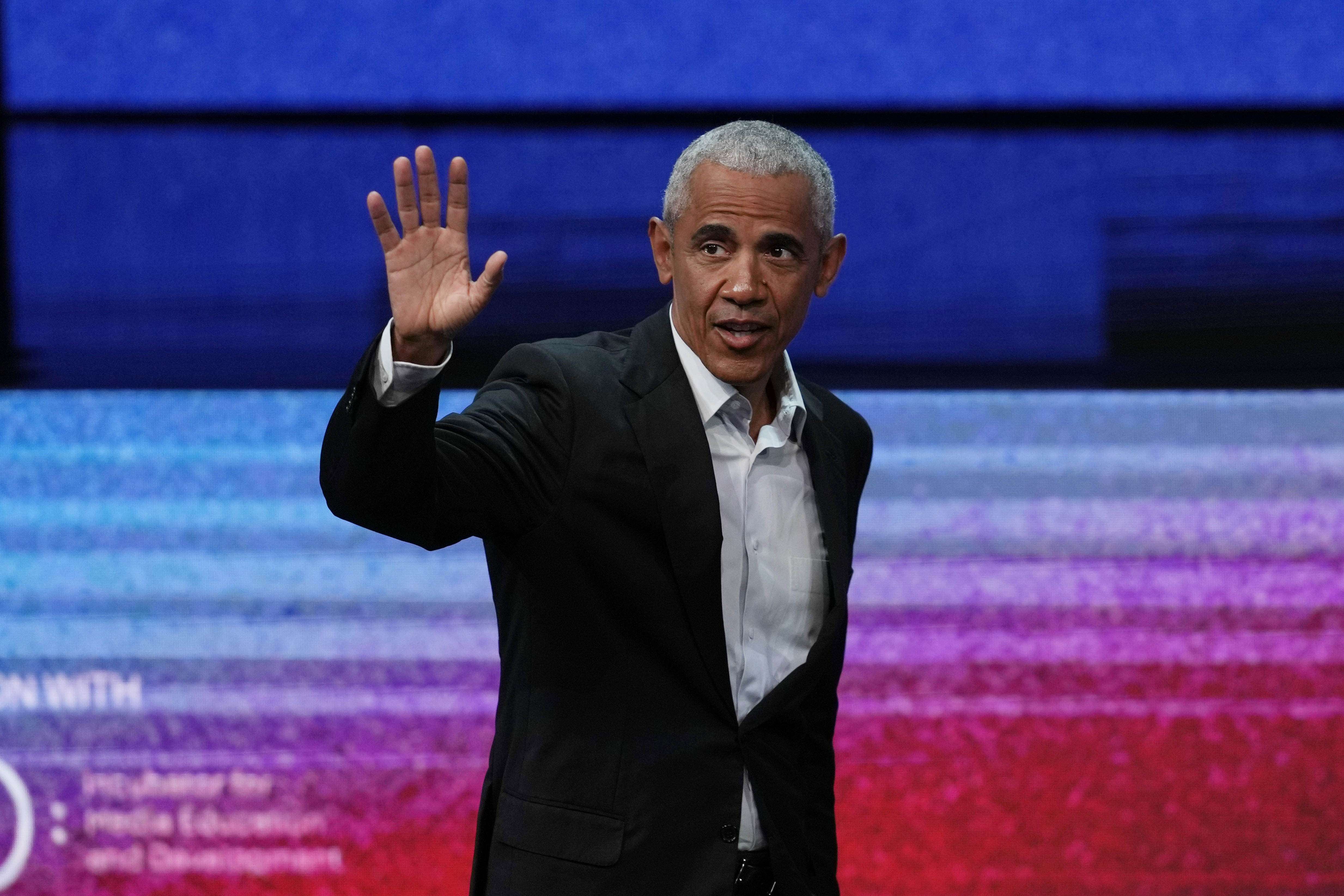
Former President Barack Obama has recorded robocalls for Virginia Democrats, urging voters to cast their ballots in the upcoming crucial bellwether legislative contests. The calls, sent through the National Democratic Redistricting Committee, encourage early voting and Election Day turnout without focusing on specific policy issues. Both parties believe they have viable paths to controlling the divided legislature, with Republicans investing heavily in the races. The outcome will determine unified control of Virginia's government for at least two years.
New data from the Virginia Public Access Project (VPAP) shows that Republican voters in Virginia are participating in early voting for the General Assembly elections at a higher rate compared to previous years. Republican voters account for 38.7% of in-person early voting, an 8% increase from 2021. However, political analysts suggest that Democrats should not be worried yet, as the success of the initiative will ultimately depend on whether it brings in new voters rather than just shifting the timing of existing voters. The effectiveness of the initiative will be determined in November when the overall voter turnout is assessed.
Virginia's upcoming legislative elections are serving as a test case for both parties' political messaging, with abortion and crime taking center stage. Democratic candidates are focusing on painting their Republican opponents as extreme on abortion, while Republicans are criticizing Democrats for being too lax on crime. Both parties are pouring significant amounts of money into the races, and polling shows a tight race. Abortion and crime have become key issues for voters, and both sides are using targeted ads to push their messaging. The outcome of these elections will provide insight into which party's message resonates more with voters.