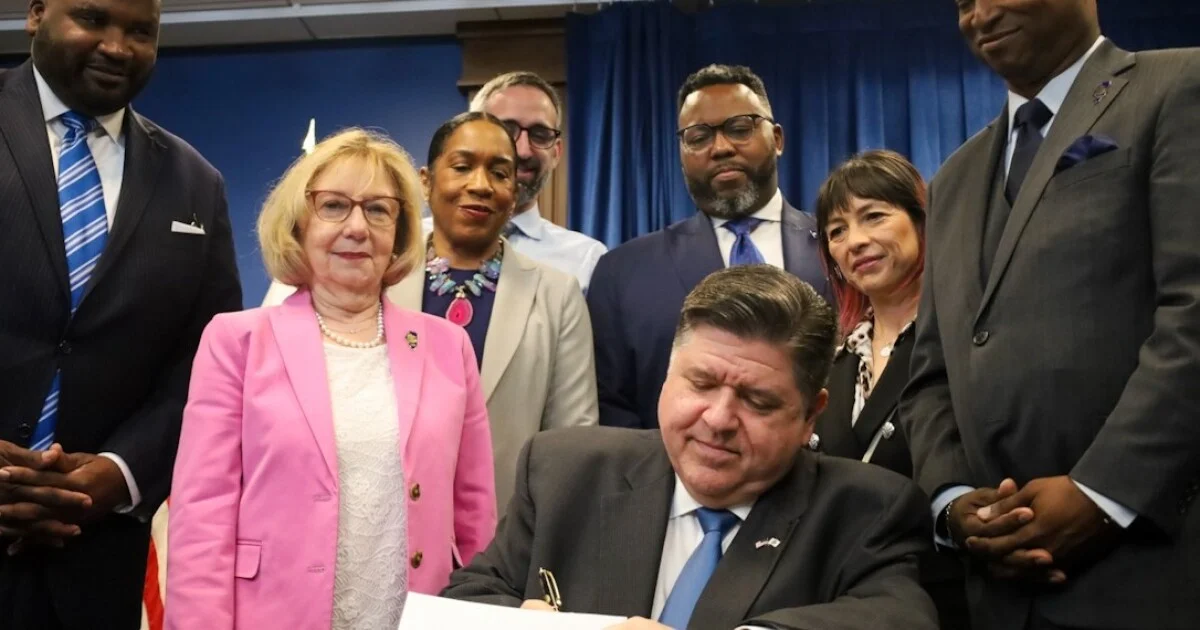
Illinois is implementing over 400 new laws in 2026, covering areas such as victims' rights, education, property, gun safety, and employment, with resources available to help residents understand and navigate these changes.
Starting January 1, 2026, Washington state will implement new laws including a minimum wage increase to $17.13, updates to paid family leave, expanded child support guidelines, strengthened victims' rights, and changes in tax and property laws, reflecting legislative efforts to modernize and improve economic and social protections.
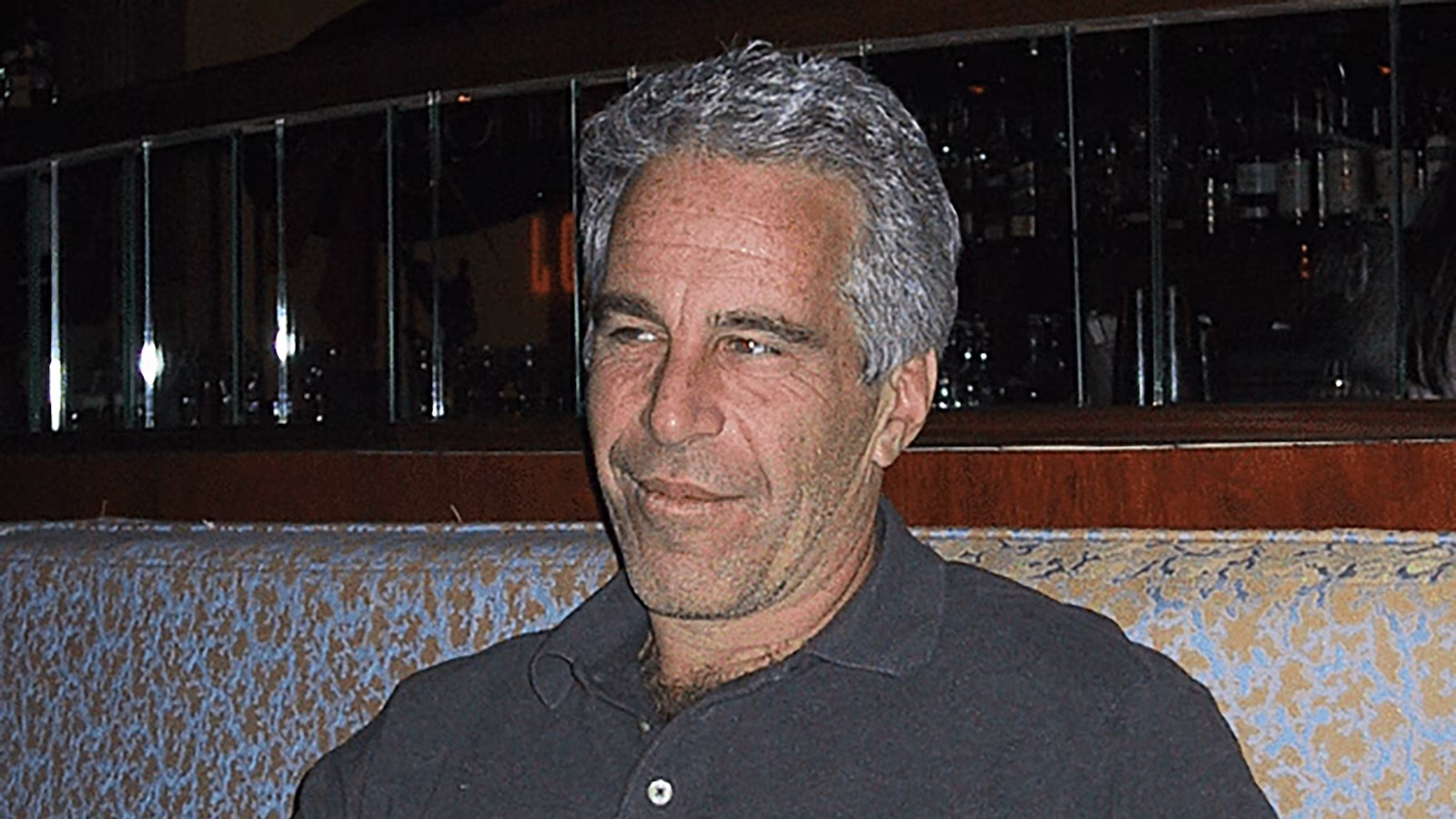
The DOJ released a partial set of thousands of files related to Jeffrey Epstein, citing legal and vetting challenges, while victims' groups criticized the release for insufficient redactions and potential harm to victims' privacy.
The Idaho murder case highlights the limited role victims and their families have in plea bargain decisions, with courts rarely rejecting agreements and victims having no final say, though their input can influence proceedings and outcomes. Recent cases like Adnan Syed's demonstrate the importance of proper notice and victim participation to prevent overturning convictions. Despite efforts to involve victims, prosecutors ultimately make the decisions, which can lead to disputes and legal challenges.
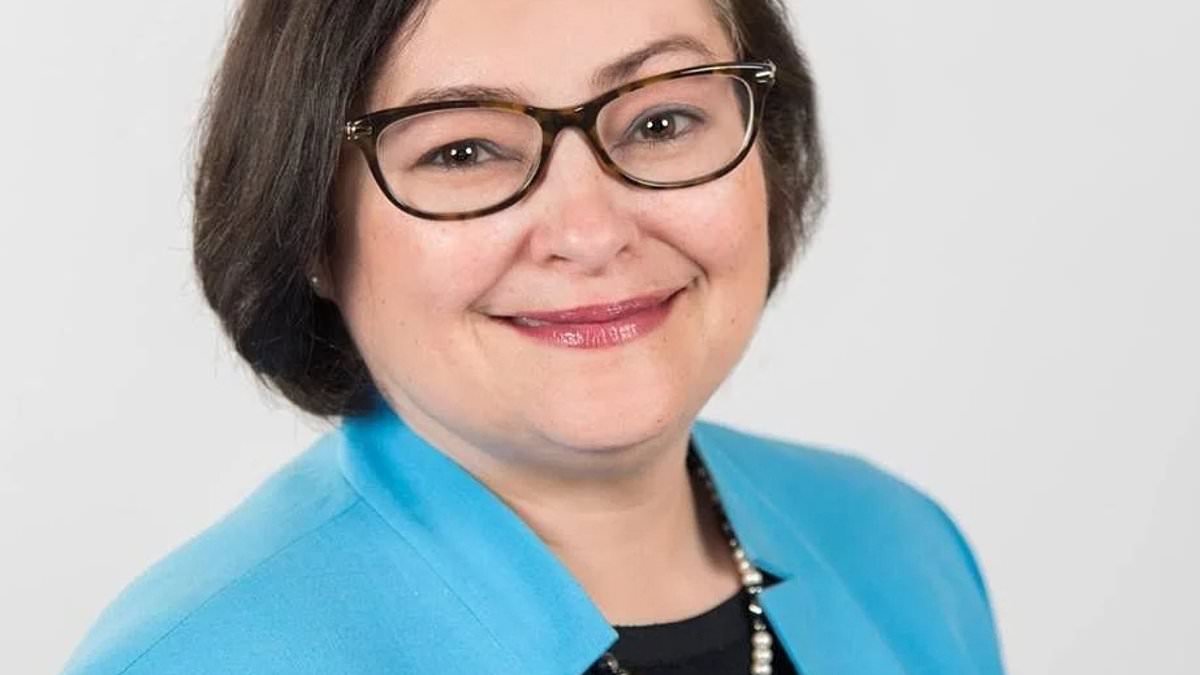
Georgia DA Deborah Gonzalez, who faced criticism for her office's handling of the Laken Riley murder case, previously dismissed charges against a child rapist who was later convicted of the attack. Her office violated victim's rights under Marsy’s Law, leading to concerns about her ability to prosecute the suspect. Gonzalez announced she will appoint a special prosecutor for the murder case. Critics argue that her progressive policies may have contributed to Riley's murder. Sheila Ross will now oversee the case against the accused, Venezuela native Jose Ibarra, who is accused of beating Riley to death on the UGA campus.
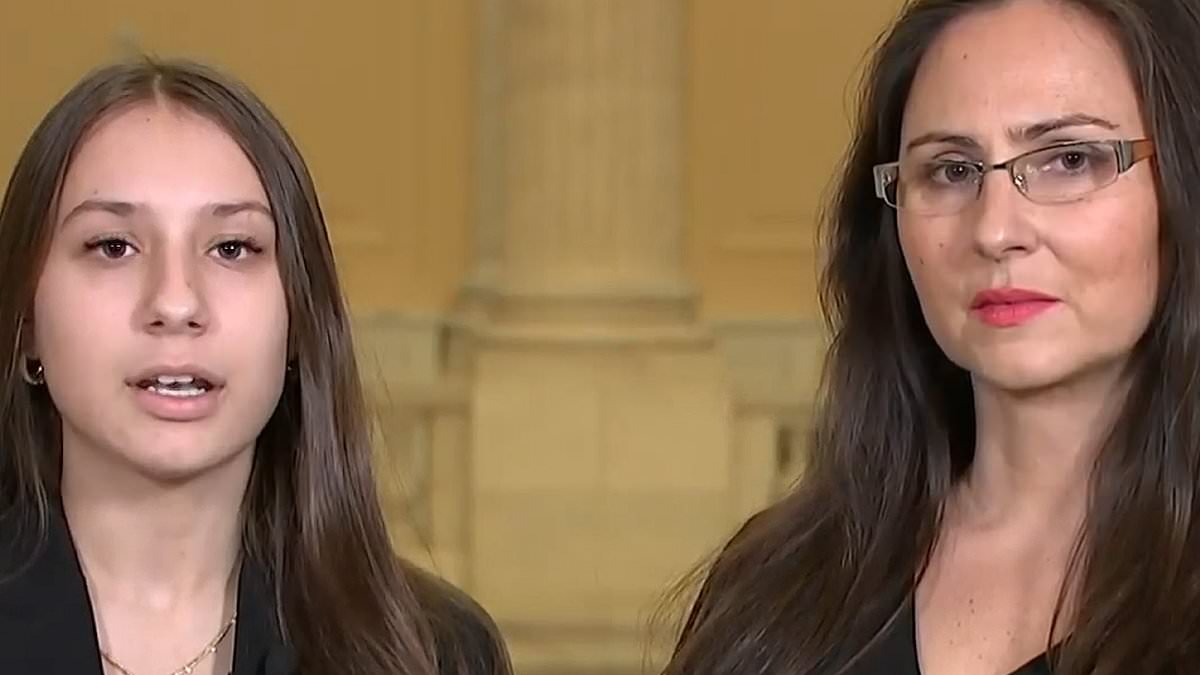
Over 415,000 pornographic deepfake images were created and uploaded online last year, with only six states having laws against their production and distribution. Victims, including celebrities and ordinary individuals, struggle to have the humiliating content removed from the internet, as perpetrators largely go unpunished. Efforts to pass federal legislation are underway, led by a 14-year-old girl from New Jersey who was depicted in such images, and her mother, who met with members of Congress to push for laws targeting perpetrators. The lack of legislation at the federal level and in many states leaves victims and prosecutors relying on existing laws around cyberbullying, extortion, and harassment, which do not specifically address the creation and sharing of deepfake images.
The mother of Bianca Devins, a teenager whose murder went viral on social media, is speaking out against a true crime documentary that features an interview with her daughter's killer. Kim Devins had declined to participate in the documentary, but was shocked to learn that it had been made and was set to air on UK's Channel 4. She expressed concerns about the potential danger and emotional distress it could cause to her family and friends. The documentary's producers defended their decision, stating that it aimed to address issues of public interest and educate viewers about the dangers of incel culture and violence against women. This case highlights the ongoing debate about the ethics of true crime coverage and the impact it has on victims' families.
Kim Devins, the mother of murder victim Bianca Devins, is speaking out against a documentary titled "Interview with a Killer" that features an extensive interview with her daughter's killer, Brandon Clark. Devins had declined to participate in the project after learning of its focus on Clark. She expressed her concern that the documentary would give Clark a platform and divert attention away from the victims. Devins sent a letter urging the production company and Channel 4 not to air the documentary, but they responded that it would proceed as planned. This case highlights the ongoing debate surrounding true crime coverage and the ethical considerations of featuring perpetrators in documentaries without the consent of victims' families.
The trial for Captain Jerry Boylan, the captain of the Conception dive boat involved in a deadly fire that killed 34 people off the coast of California in 2019, has begun. Boylan is facing a felony charge of misconduct or neglect of a ship officer. His defense attorneys have filed motions to prevent the victims from being referred to as "victims" during the trial and to stop the display of photos and videos of the victims. The defense argues that using the term "victims" could prejudice the jury and violate Boylan's right to a fair trial. The trial is expected to last about 10 days.
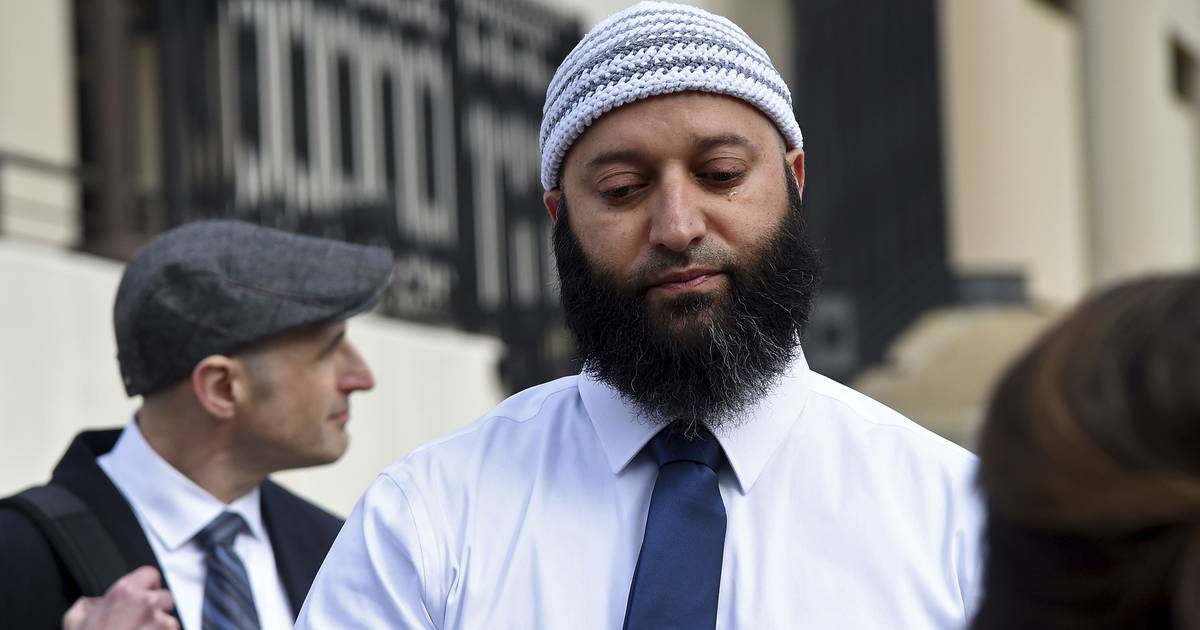
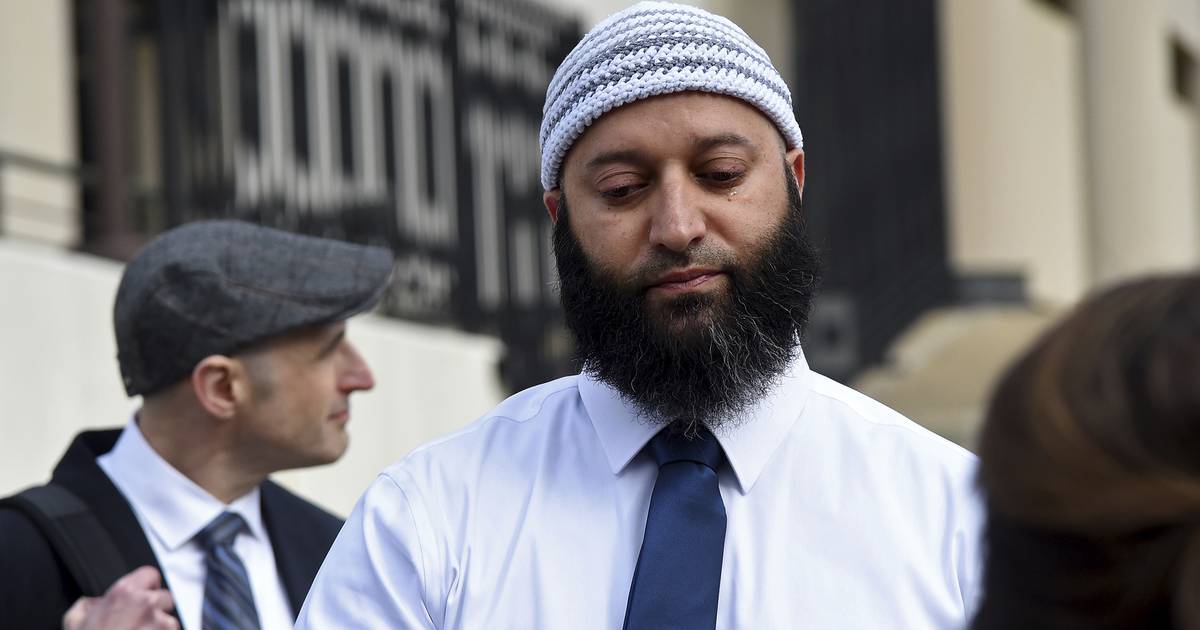
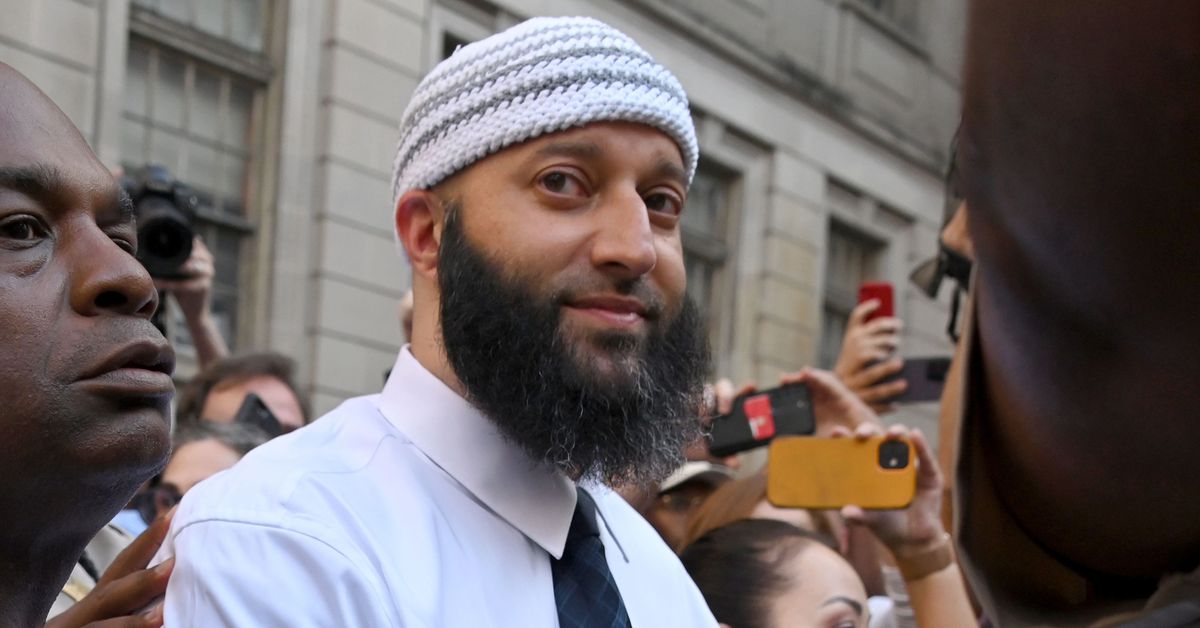
Maryland's Appellate Court has denied Adnan Syed's motion to reconsider its earlier ruling that reinstated his murder conviction and life sentence. Syed's attorneys had requested a reconsideration of the March opinion that restored his convictions and sentence from the 1999 killing of Hae Min Lee. The legal saga of Syed, who has always maintained his innocence, spawned the popular podcast "Serial." The case could set a precedent regarding victims' rights in Maryland, and Syed's lawyers plan to ask the Supreme Court of Maryland to review the lower court's March opinion.
Maryland's Appellate Court has denied Adnan Syed's motion to reconsider its earlier ruling that reinstated his murder conviction and life sentence. Syed's attorneys had requested a reconsideration of the March opinion that restored his convictions and sentence from the 1999 killing of Hae Min Lee. The legal saga of Syed, who has always maintained his innocence, spawned the popular podcast "Serial." The case could open the door for numerous appeals from criminal defendants on the same grounds.
Victims' rights advocate Jennifer Harrison criticized Manhattan DA Alvin Bragg for focusing on prosecuting Donald Trump instead of fighting for crime victims. Harrison, who is due to testify at a House Judiciary Committee hearing investigating Bragg's prosecutorial lapses, founded Victims Rights NY after her boyfriend was murdered in 2005. Bragg's indictment of Trump on alleged hush money payments to former paramours has drawn criticism, with some calling the charges questionable. Bragg is now being sued by Rep. Jim Jordan and the House committee. Harrison hopes to shed light on the issue and bring attention to the need for prosecutors to prioritize victims' rights.
The Appellate Court of Maryland reinstated Adnan Syed's murder conviction, despite the state believing he is innocent, because the victim's brother complained that his own rights were violated. The court made up new rules to justify its decision, including that a victim must be notified of a hearing to vacate a conviction more than three days in advance and has the right to attend such a hearing in person. This decision highlights the subversion of constitutional rights of criminal defendants by the victims' rights movement and the need to restore a proper balance between the rights of victims and defendants.
An appeals court in Maryland has temporarily reinstated the conviction of Adnan Syed, the subject of the first season of the podcast Serial, for the 1999 murder of his ex-girlfriend Hae Min Lee. The decision was made due to a procedural error that denied Lee's family the opportunity to attend the hearing in person. The court's ruling requires a redo of the original hearing, which is unlikely to change the ultimate outcome as prosecutors have already dropped all charges against Syed. The case highlights the importance of prioritizing victims' rights in the criminal justice system.
Adnan Syed's murder conviction and sentence have been reinstated by a Maryland court due to a violation of the victim's family's right to attend the hearing on the motion to vacate. The court opinion calls for a new hearing where the Lee family is given sufficient notice to attend in person. The victim's family was not given enough notice to attend the hearing remotely, which violated their right to attend the proceeding in person. A dissenting opinion argued that the notice given was sufficient to satisfy the requirements of the law. Syed was accused of killing Hae Min Lee in 1999 and was subject of the popular podcast, "Serial."