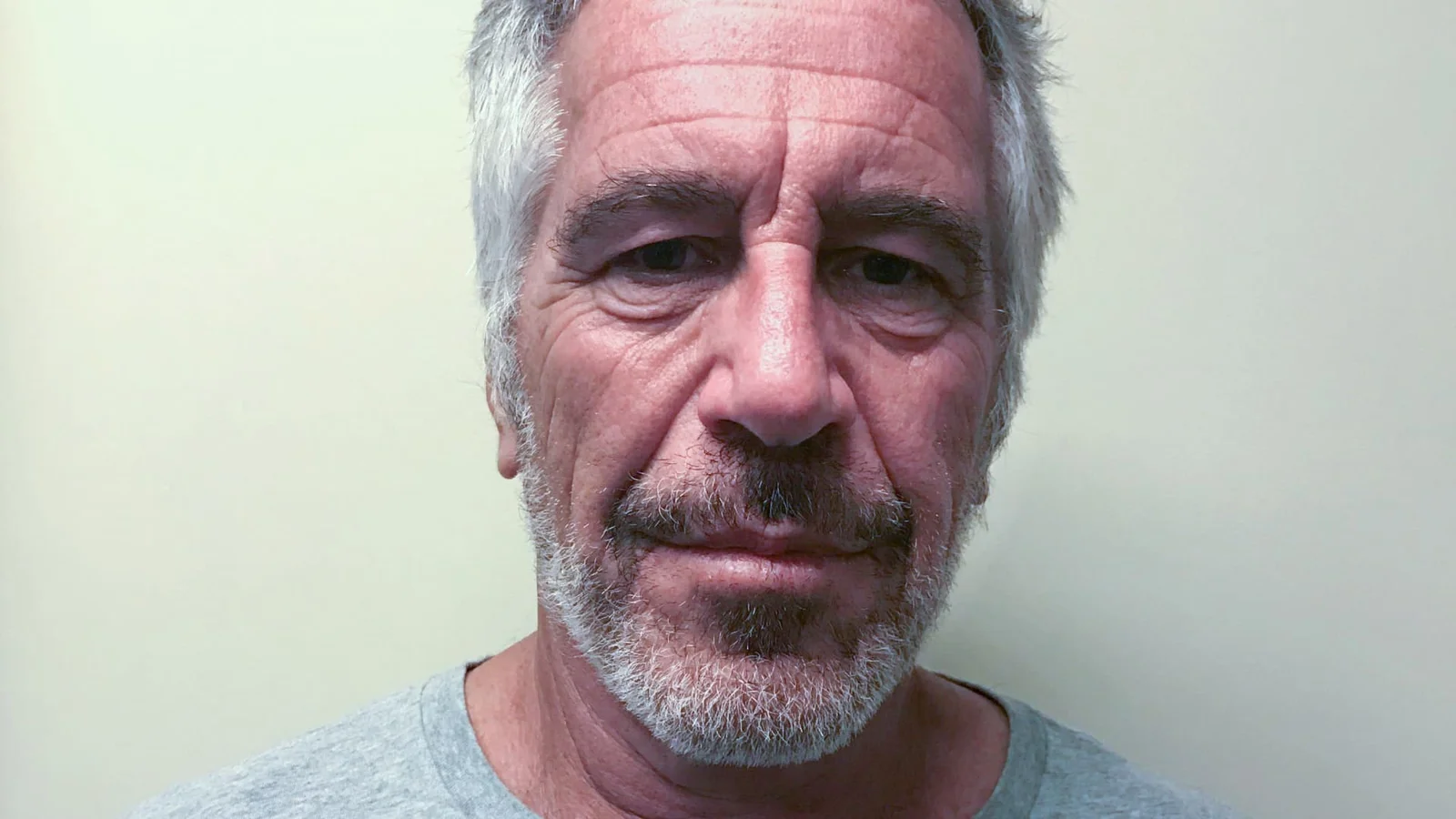
The US Department of Justice has released less than 1% of the files related to Jeffrey Epstein, citing efforts to protect victims and resource constraints, amid political criticism over delays and redactions.
The US Department of Justice has announced that the full release of Epstein's files may take a few more weeks, indicating ongoing legal processes and delays in transparency regarding the case.
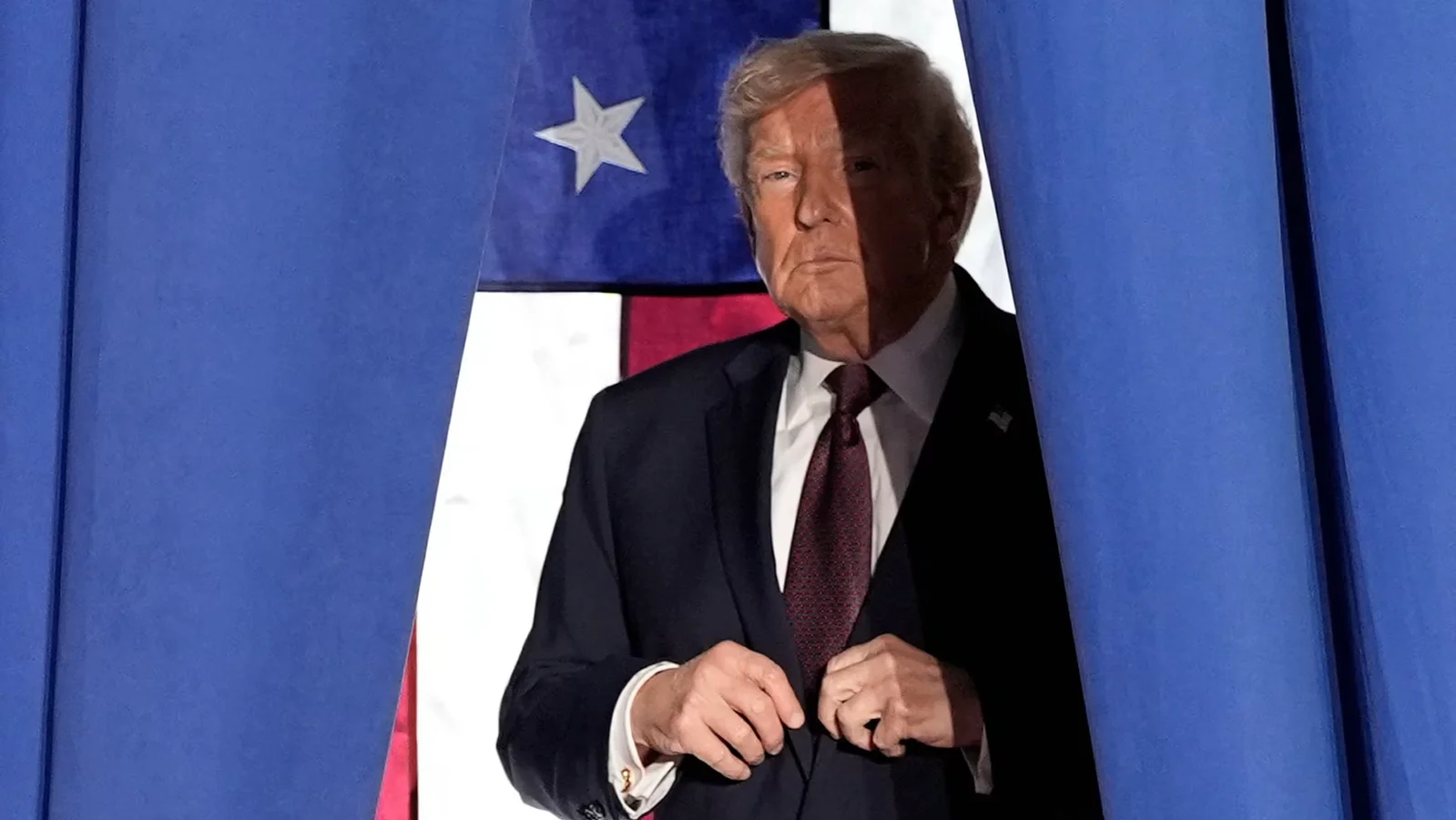
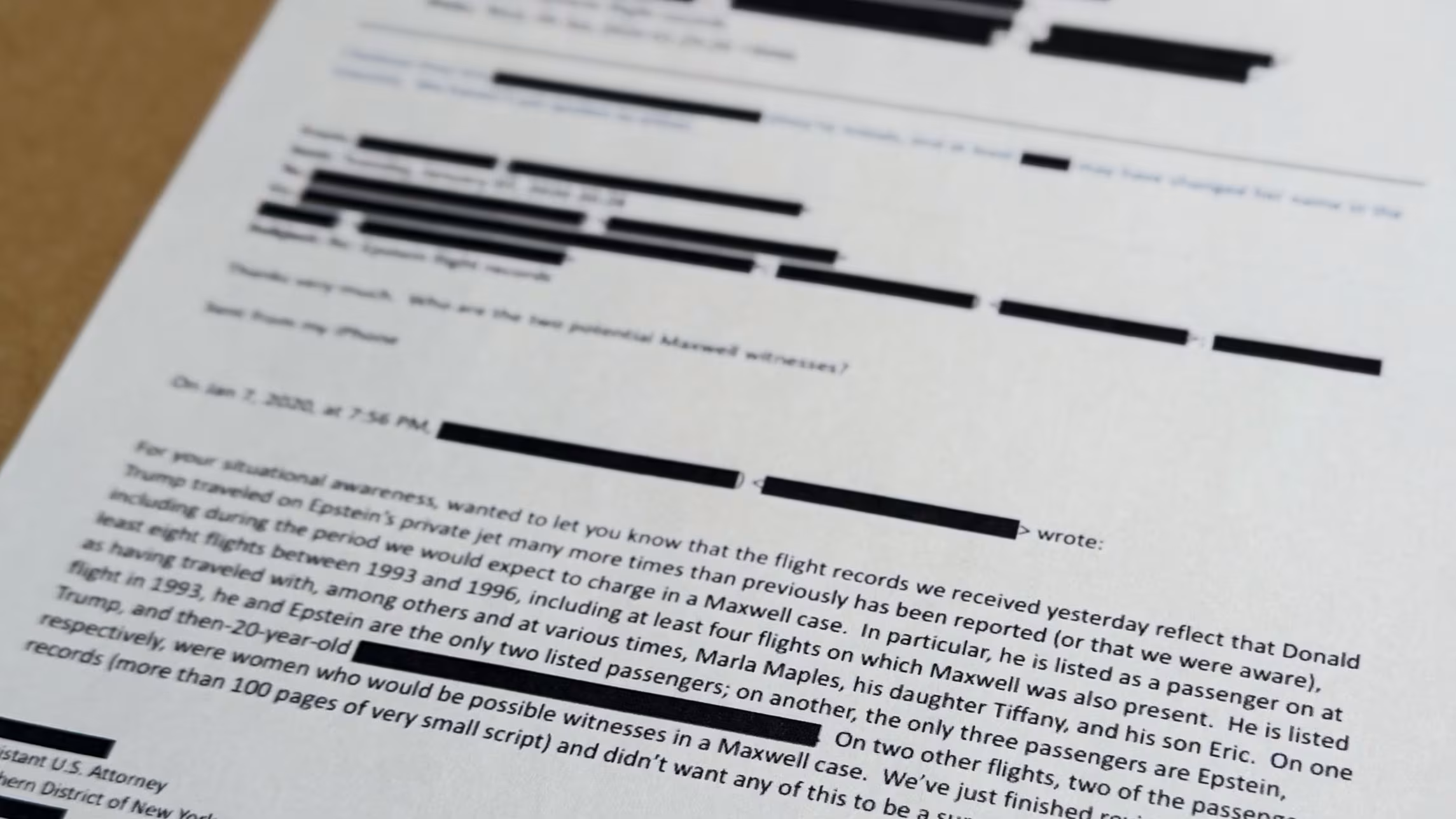
Newly released DOJ documents reveal President Trump flew on Jeffrey Epstein's private jet multiple times in the 1990s, with some documents containing unverified and sensational claims, including a fake letter. The files also include references to other high-profile figures and details about Epstein's death, with ongoing investigations and transparency efforts.
The DOJ released a partial set of thousands of files related to Jeffrey Epstein, citing legal and vetting challenges, while victims' groups criticized the release for insufficient redactions and potential harm to victims' privacy.
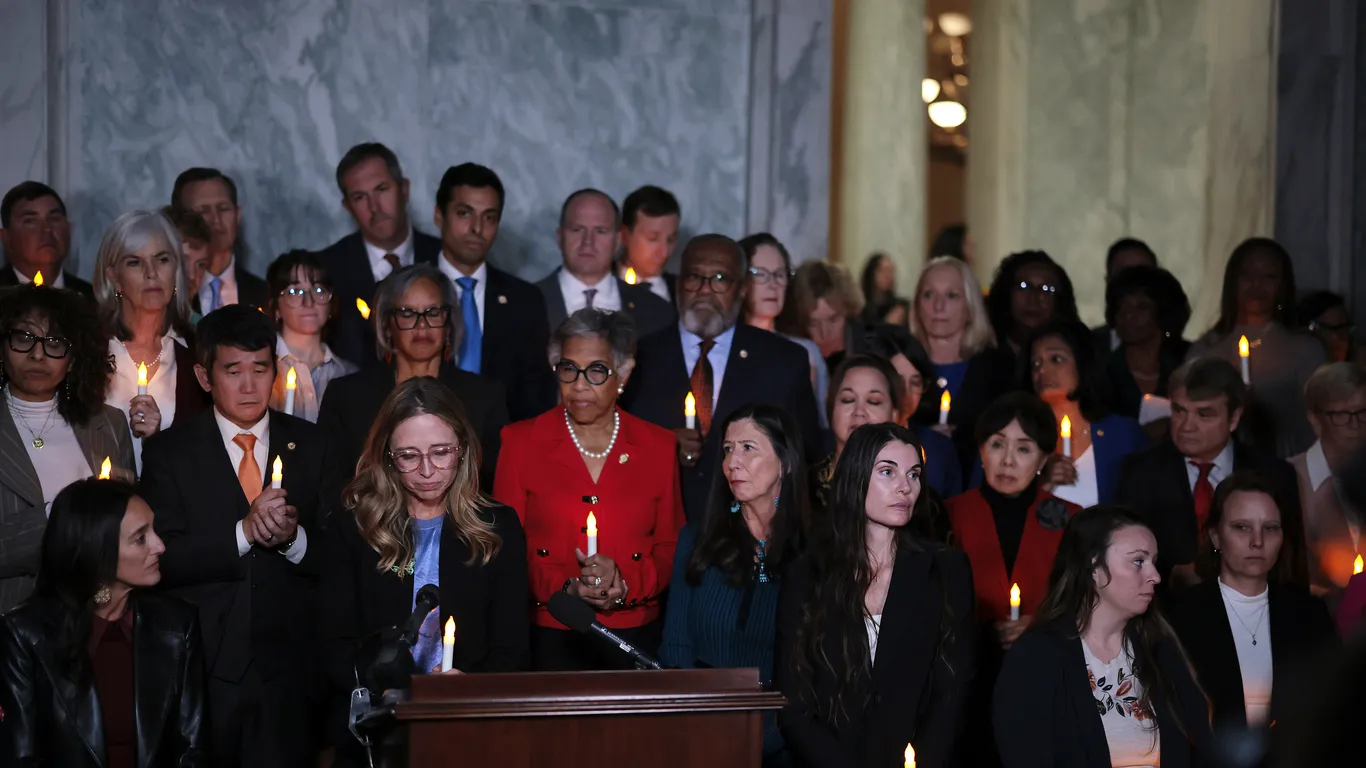
Over a dozen Epstein survivors criticized the DOJ for delays and excessive redactions in releasing investigation files, which they say hinder justice and transparency. They urge Congress to take legal action to ensure full disclosure, amid concerns about withheld information and inadequate communication from authorities.
Alleged victims of Jeffrey Epstein criticized the DOJ for incomplete and heavily redacted release of investigation files, claiming violations of law and potential harm to victims, as the department continues reviewing and withholding certain documents to protect identities.
The Justice Department, under the Trump administration, partially released Jeffrey Epstein files to protect victims, facing criticism from Democrats who accuse it of hiding information. The department emphasized caution and ongoing review to safeguard sensitive data, including redactions and removal of certain files, while critics argue this constitutes a cover-up. The release includes detailed documents but omits some key records, fueling calls for greater transparency and investigations.
The Trump-era Justice Department faced criticism and legal threats after releasing heavily redacted and incomplete files related to Jeffrey Epstein, including missing documents and images, which lawmakers and the public see as a potential cover-up and violation of transparency laws.
Former President Trump has attempted to move past the Epstein controversy with a partial release of related files, but the issue remains unresolved and continues to attract media attention.
Victims of Jeffrey Epstein criticized the US Department of Justice for only partially releasing investigative files related to Epstein, citing delays and potential coverups, while survivors expressed feelings of validation and a desire for accountability. The release was mandated by law, but the DOJ indicated more documents would be disclosed later, prompting legal threats and public scrutiny.
The Justice Department released thousands of heavily redacted files related to Jeffrey Epstein's case, revealing photos, documents, and connections to high-profile figures like Bill Clinton, amid ongoing debates over transparency and justice. Many files remain unreleased, and officials plan to release more over the coming weeks, with critics questioning what is being hidden.
The DOJ plans to gradually release files related to Jeffrey Epstein over several weeks, despite a law requiring full disclosure by the deadline, leading to accusations from Democrats of legal violations and cover-up efforts by the Trump administration.
Adelita Grijalva is set to sign the final signature on a discharge petition to force a House vote on releasing Jeffrey Epstein case files, a move that faces procedural hurdles and uncertain prospects for becoming law, especially given the political and legislative challenges in the Senate and the White House.
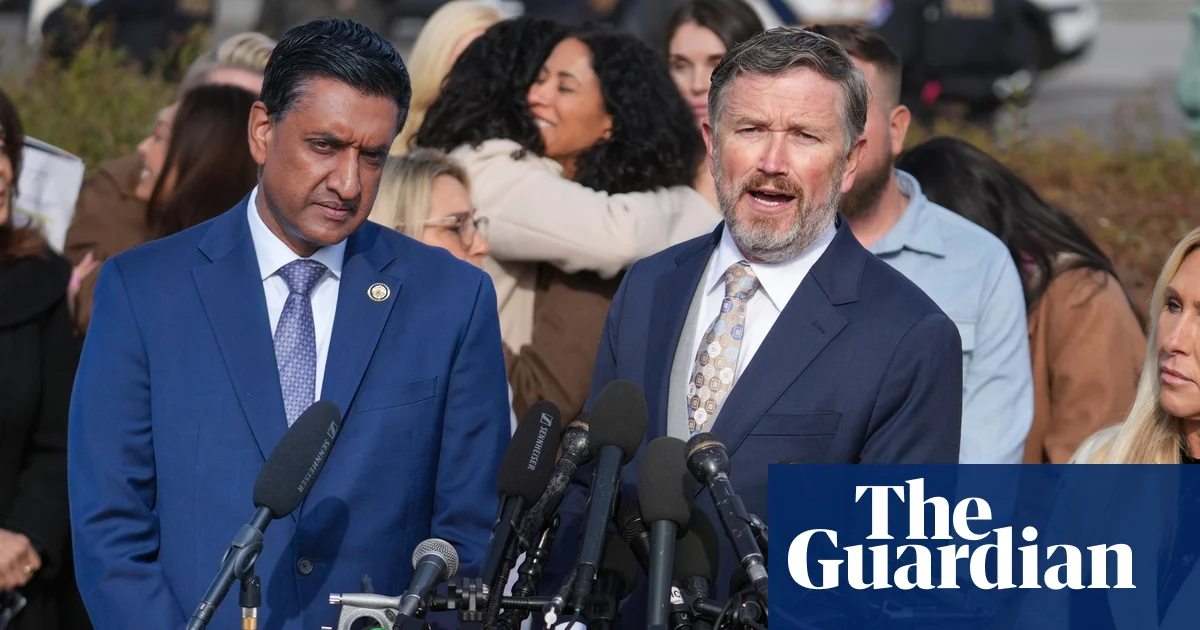
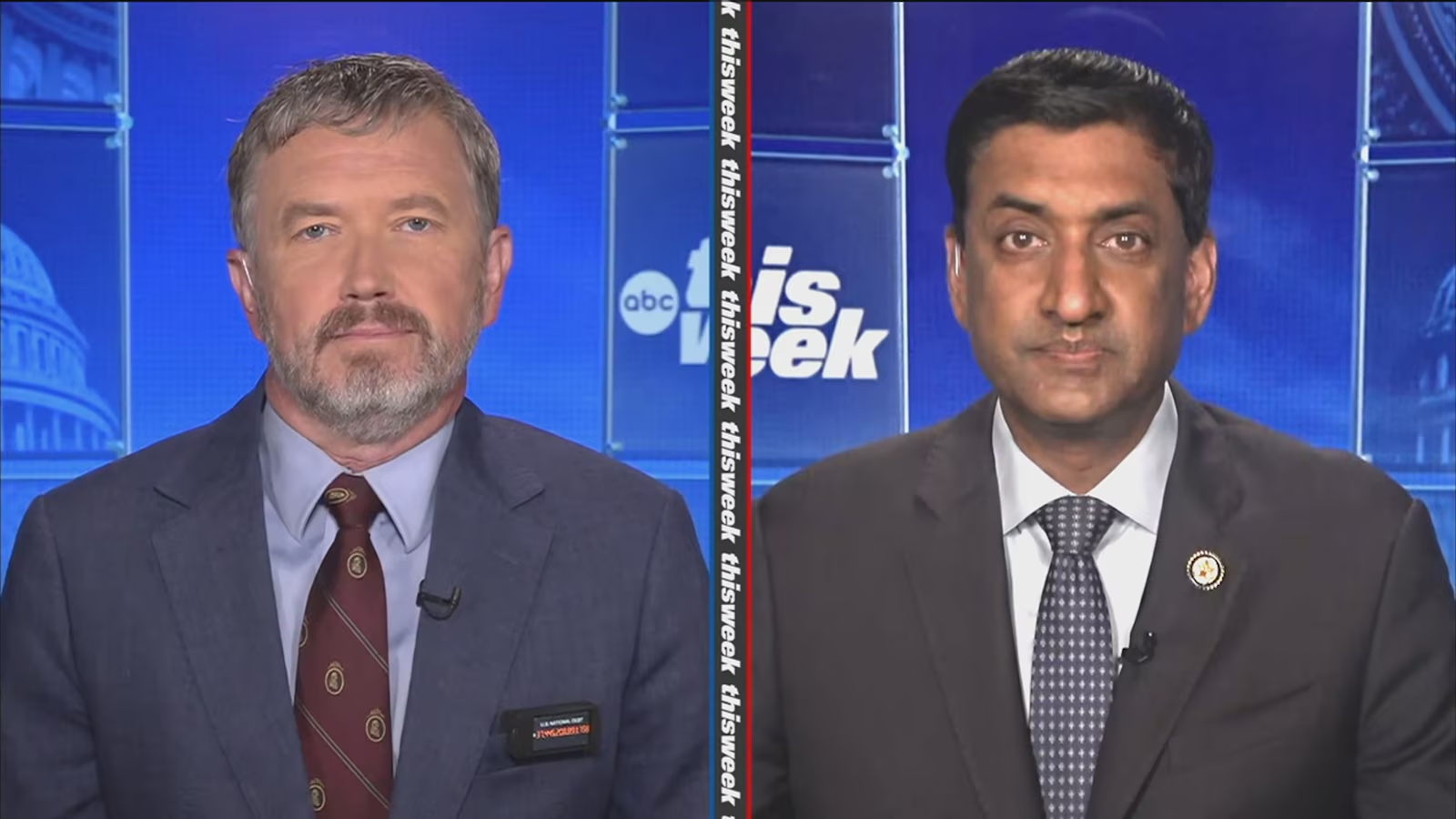
Republican Rep. Thomas Massie and Democratic Rep. Ro Khanna are advocating for the release of Jeffrey Epstein's files, emphasizing accountability and justice, with bipartisan support in Congress to force their disclosure despite potential political and social repercussions.
Reps. Ro Khanna and Thomas Massie held a news conference advocating for Congress to vote on releasing files related to the Jeffrey Epstein investigation.