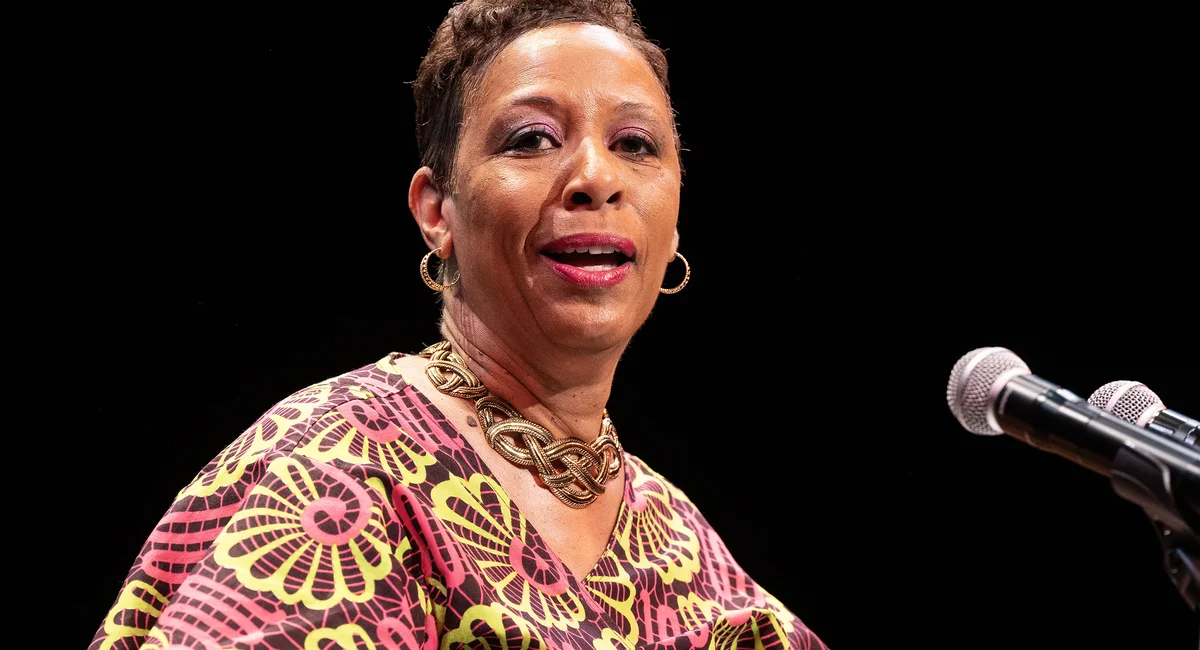
Maryland lawmakers successfully overridden Governor Wes Moore's veto to establish a 23-member Reparations Commission aimed at examining historical policies from 1877 to 1965 and recommending reparations, marking a significant step in addressing racial injustices in the state.
Alaska lawmakers, in a rare move, overrode Governor Dunleavy's vetoes, restoring over $50 million in public school funding and passing legislation on oil tax settlements, marking a significant legislative action since 1987 and reflecting ongoing political disagreements.
Alaska lawmakers successfully overrode Gov. Dunleavy's veto of $51 million in education funding during a special session, reversing his cuts to per-student funding increases amid ongoing debates over education reforms and tribal school proposals.
North Carolina's Republican-controlled legislature has overridden Democratic Governor Roy Cooper's veto to pass a law reducing the powers of incoming Democratic officials, including the governor-elect and attorney general. The law shifts the power to appoint State Board of Elections members from the governor to the state auditor, likely giving Republicans control over election boards. The legislation, criticized for including disaster relief funds to gain support, is expected to face legal challenges, similar to previous efforts to limit gubernatorial powers.
North Carolina's Republican lawmakers have overridden a veto by outgoing Democratic Governor Roy Cooper on a bill that reduces the powers of incoming Democratic officials, including the governor and attorney general. The legislation, which also reallocates $227 million for hurricane relief, shifts the authority to appoint election board members from the governor to the auditor's office, now held by a Republican. Democrats criticize the move as a power grab, while legal challenges are anticipated.
Alaska lawmakers fell one vote short of overriding Gov. Mike Dunleavy’s veto of a $200 million education funding bill, which included extra funding for public schools, home-schooled students, student transportation, and charter schools. The veto was sustained in a 39-20 vote, leading to concerns about potential school closures and layoffs. Lawmakers are now considering crafting another education bill that aligns with the governor’s priorities, but achieving further compromise is expected to be difficult.
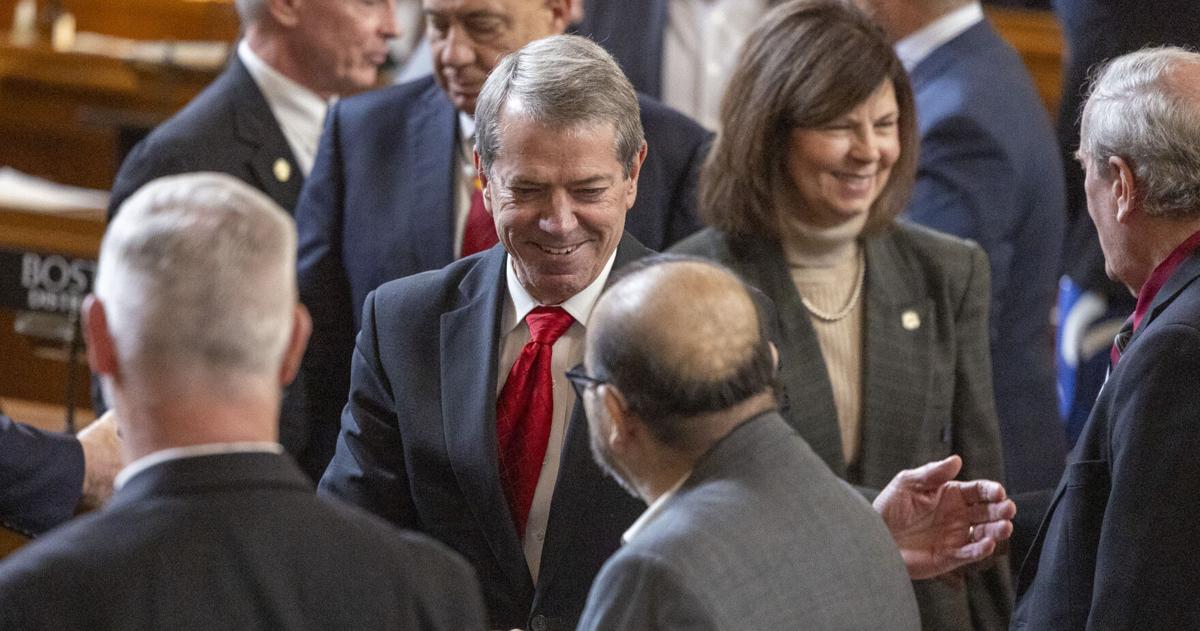
Nebraska lawmakers failed to override Governor Jim Pillen's veto of a bill that would have allowed local jurisdictions to distribute hypodermic needles to drug users, despite broad bipartisan support. Seven lawmakers who had previously supported the bill ultimately reversed their votes, with supporters alleging pressure from the governor. The bill aimed to reduce the spread of infectious diseases, but Pillen vetoed it, citing concerns about providing needles to children. The failed override vote is seen as a win for Pillen and is likely to fuel further legislative debate on related issues.
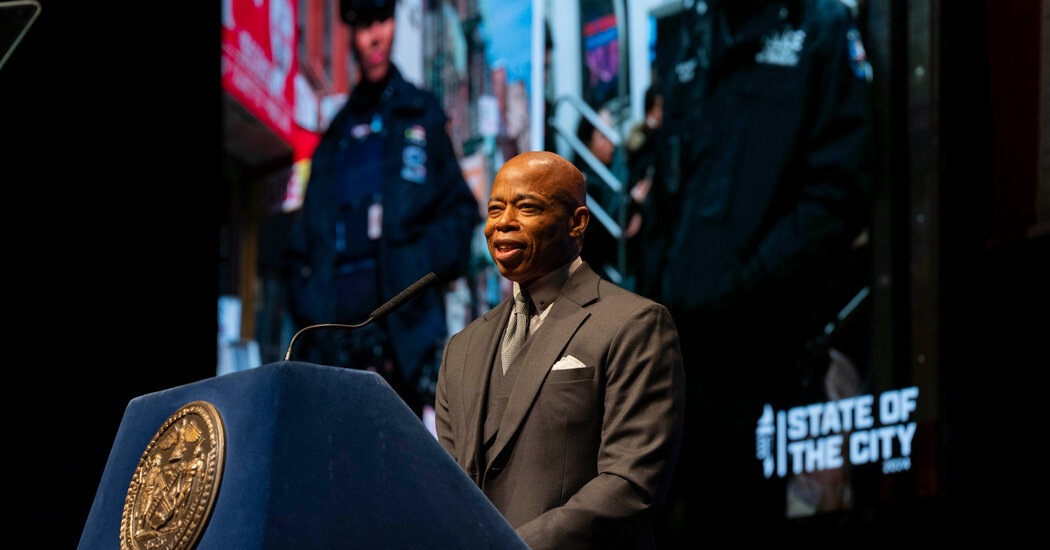
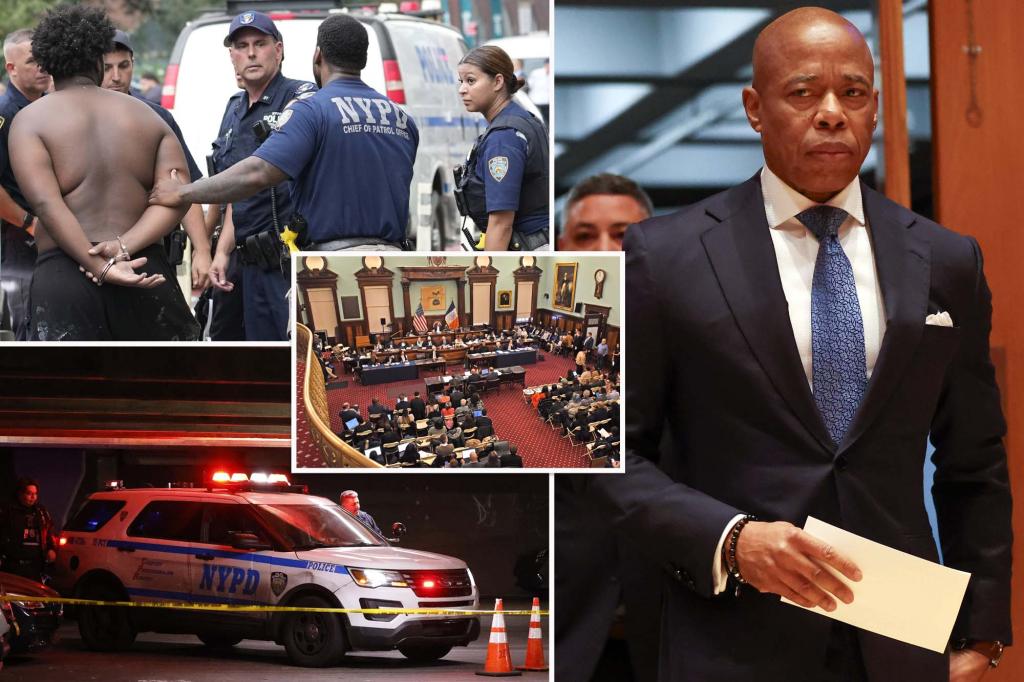
The New York City Council has overridden Mayor Eric Adams' vetoes of two criminal justice bills, requiring police officers to disclose demographic information on investigatory encounters and banning solitary confinement in most cases. The bills reflect the growing power of a progressive Council and the increasing political differences between the mayor and fellow Democrats advocating for deeper reforms in the criminal justice system. The veto override votes mark a turning point in City Hall, exposing the tense relationship between the two branches of city government and highlighting the vulnerability of a mayor facing low approval ratings and a federal corruption investigation.
The New York City Council is expected to override Mayor Eric Adams's veto of two criminal justice bills, which would expand documentation of police stops and end solitary confinement in city jails. This move would mark a significant defeat for Adams and his administration's focus on strengthening law enforcement efforts, as the bills have sparked a contentious divide between the mayor and Democratic leaders in the City Council. Despite Adams's warnings that the bills would jeopardize public safety, the Council speaker expressed confidence in having enough votes to override the veto, highlighting the rare occurrence of such actions in New York City.
NYC Mayor Adams defends his veto of the "How Many Stops Act," which would require NYPD officers to document encounters with civilians, citing concerns about the bureaucratic burden on officers. The City Council is set to vote on overriding the veto, with Speaker Adrienne Adams confident of securing enough support. Supporters argue that the bill is crucial for transparency, especially in light of unconstitutional police stops of Black and brown New Yorkers. The mayor's team has been lobbying against the bill, but faces challenges in proving their arguments.
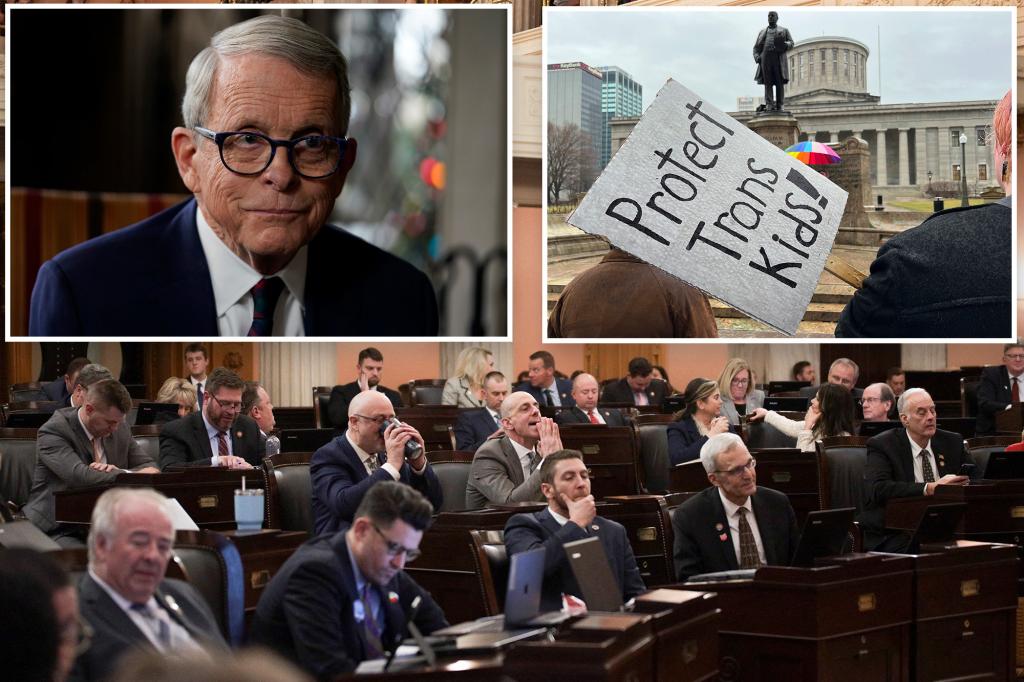
The Ohio Senate has overridden Republican Gov. Mike DeWine's veto of a bill that prohibits gender-changing services for minors and bans transgender athletes from women's sports. The legislation prohibits doctors from prescribing hormones and puberty blockers for minors and bars transgender females from participating in women's sports teams. DeWine had vetoed the bill, expressing concerns about the profound consequences and advocating for parental decision-making. Supporters argue that gender-affirming care has become a profit center, while opponents warn of the detrimental impact on transgender youth. The law is set to take effect in the spring.
Two Jackson County legislators, previously in support of County Executive Frank White's veto of a stadium sales tax extension ballot question, have now expressed willingness to override the veto, potentially giving the legislature the necessary votes. The ballot question seeks approval for a 3/8th-cent sales tax for the Kansas City Royals and the Kansas City Chiefs stadium projects, but faces opposition from some legislators citing concerns about taxpayer impact and lack of detailed plans from the teams. The outcome of the upcoming meeting will determine whether the veto is overturned.
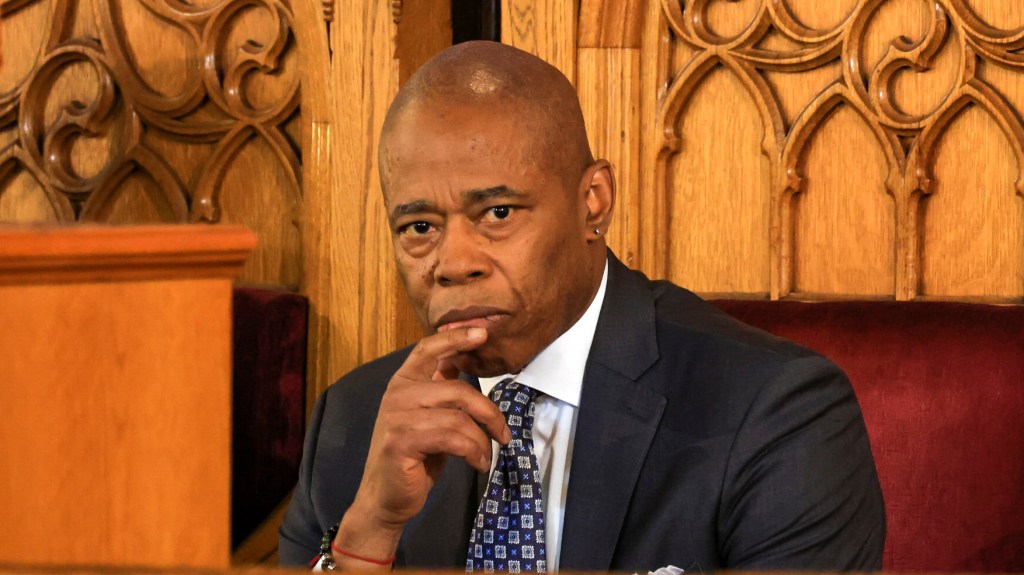
Mayor Eric Adams needs to persuade two NYC Council members to switch their votes in order to prevent a potential veto override of a controversial cop bill that requires detailed reports after every street stop. The bill, which Adams vetoed, was passed with a veto-proof majority, and he needs to ensure council members don't change their votes. The mayor believes he could potentially survive the move after a recent council assignment shakeup and the addition of new members. However, it remains uncertain who might join Adams in his crusade against the bill, as Speaker Adrienne Adams has closed ranks to whip up the two-thirds majority needed to sidestep the mayor's veto.
The Ohio House of Representatives has voted to override Gov. Mike DeWine's veto of legislation that aims to ban gender-affirming care for minors and restrict transgender females from participating in girls' and women's sports. DeWine vetoed the bill but signed an executive order to ban gender-affirming surgery for anyone under 18. The Senate is expected to vote on the veto on Jan. 24, and Ohio would become the 24th state to have restrictions on transgender athletes if the veto is overturned. DeWine received backlash from his own party for his decision, citing concerns about protecting human life and expressing hope to address concerns raised in the legislation alongside the General Assembly.
The Ohio House of Representatives has voted to override Gov. Mike DeWine's veto of a bill targeting gender-affirming care for transgender youths and the participation of transgender girls in school sports. The bill seeks to ban gender-affirming care for patients under 18 and prohibit transgender girls from participating in middle and high school sports. The bill will now head to the Ohio Senate, where a three-fifths majority is needed to override the governor's veto. The move has sparked heated debate, with Republicans arguing it's about protecting children and women's sports, while Democrats condemn it as government overreach. Gov. DeWine's veto was based on conversations with families of transgender youths, and he followed it with an executive order imposing new rules around gender-affirming care, drawing criticism from LGBTQ+ and civil rights groups.