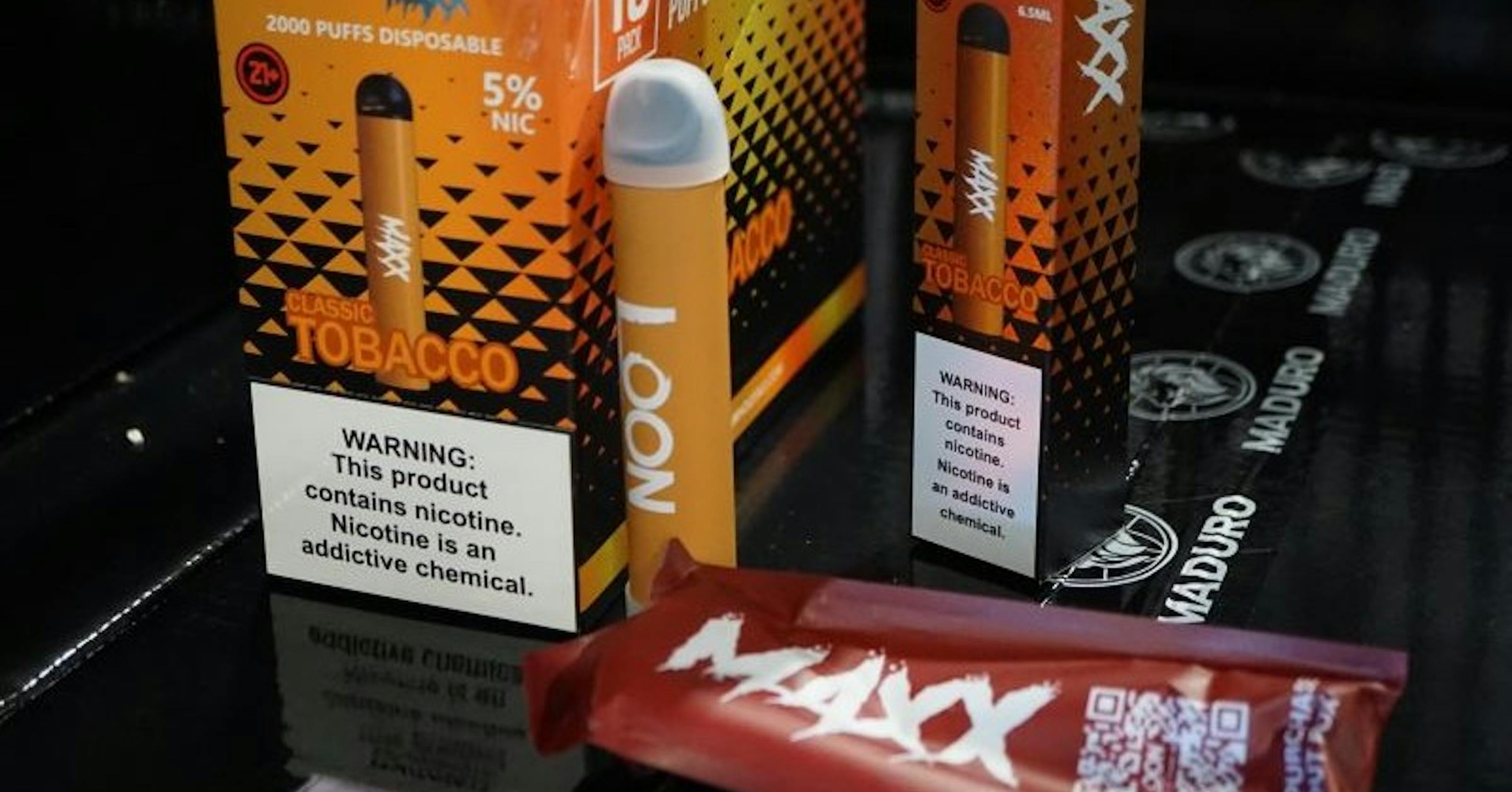
Federal officers in Minnesota seized nearly $1.5 million worth of unauthorized, adulterated nicotine vapes and cartridges shipped from China, citing health concerns and violations of FDA regulations, with the products containing various flavors and lacking proper authorization.
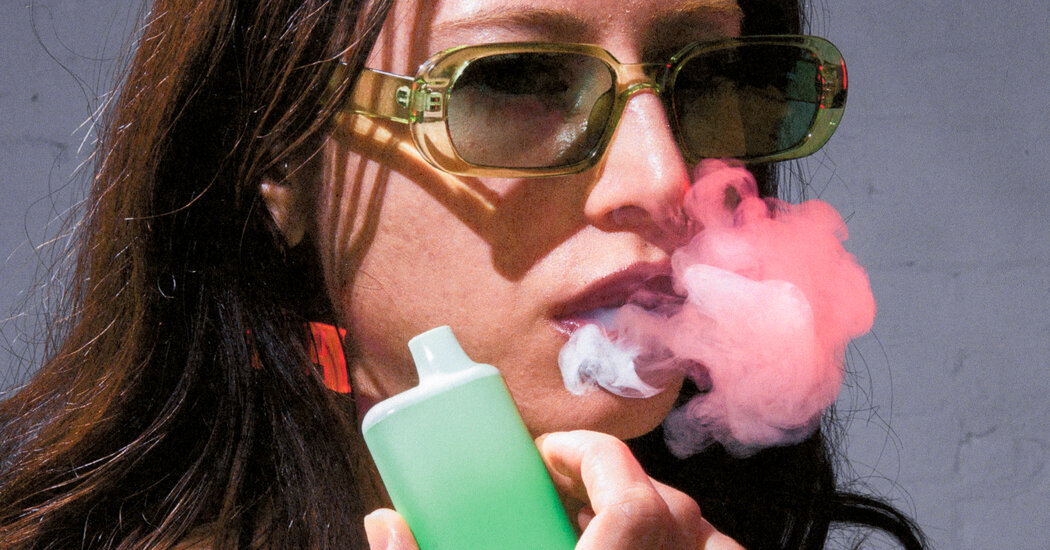
The appearance of vaping devices has undergone a significant shift, with today's popular e-cigarettes featuring bright colors and playful designs that appeal to the Gen Z aesthetic. Experts are concerned that the attractive and toy-like appearance of these devices may increase their appeal to young people, who are particularly vulnerable to nicotine addiction. Combined with candy and fruit flavors, the packaging and design of these vapes could potentially steer young people towards e-cigarette use, risking immediate and long-term lung damage. The concern is that the visually appealing nature of these devices may act as a gateway to nicotine addiction among young users.
Authorities are warning parents and teachers about vapes disguised as school supplies, such as highlighters, USB drives, pens, and phones, which are being imported from China and sold in stores across the US. These vapes often come in kid-friendly flavors and pose risks of nicotine addiction, lung damage, gum disease, and oral cancers. Additionally, illegal vapes may contain dangerous substances, including fentanyl. The FDA is urged to enforce regulations and remove these products from shelves, while parents are advised to talk to their children about the dangers of using these disguised vapes.
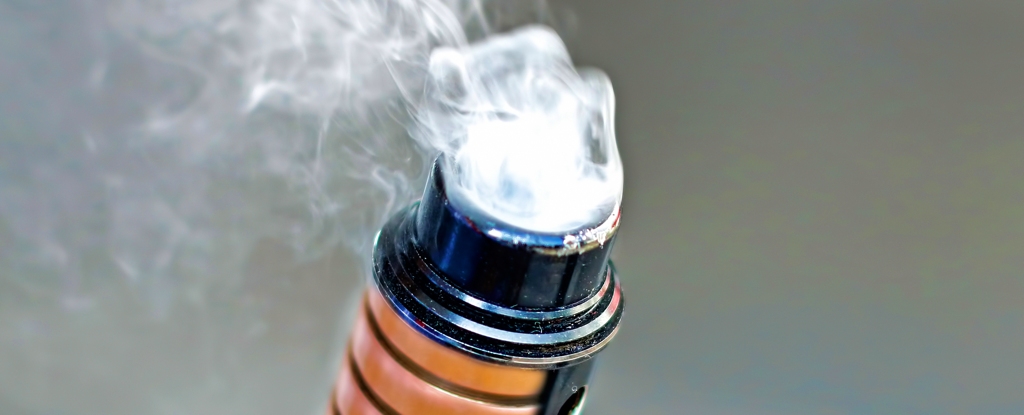
The exact ingredients in vapes and e-cigarettes remain largely unknown due to the wide range of products and flavors, changes in ingredients when heated or mixed, and inadequate labeling. However, research has found that they typically contain nicotine, flavoring chemicals, propylene glycol, and glycerine. Concerningly, they also contain volatile organic compounds, particulate matter, and carcinogens. Additionally, toxic metals such as arsenic, lead, chromium, and nickel can be detected in both e-liquids and vapers' bodily fluids. The process of heating e-liquids can produce degradation products such as formaldehyde, acetaldehyde, and acrolein. Labelling is also a problem, as it often lacks accurate information and warnings. To better understand the health risks of vapes, further research is needed on the effects of heating and inhaling flavor chemicals, interactions between different ingredients, presence of contaminants, and new potentially harmful substances.
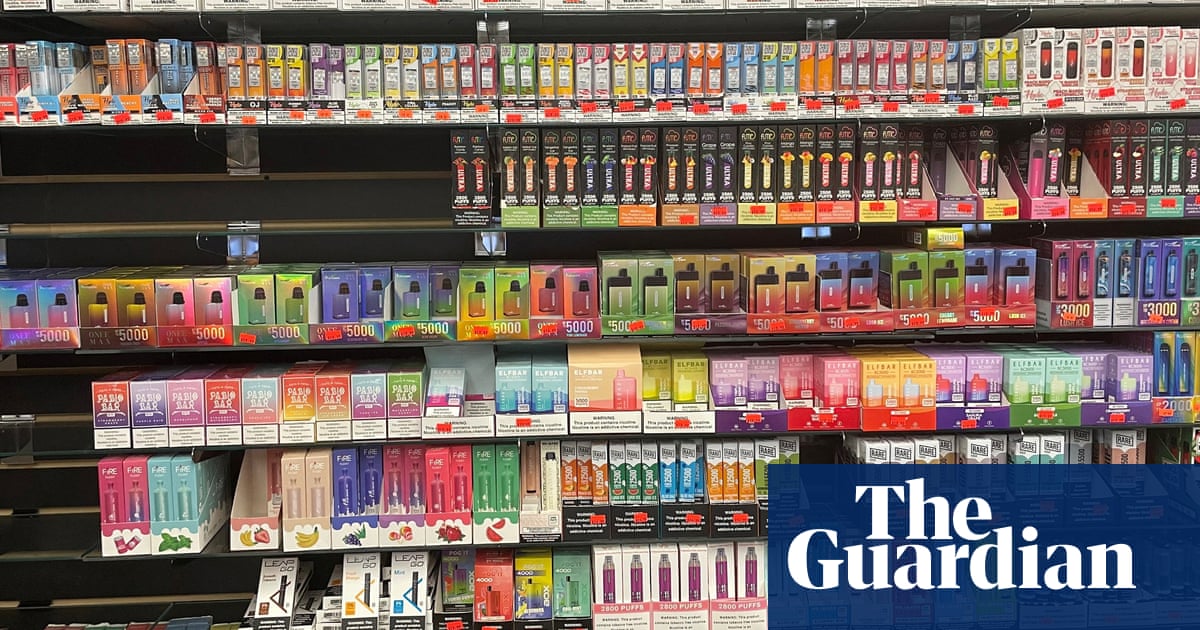
Tests conducted by Inter Scientific on dozens of vape brands sold in shops across England and Wales showed that some high street vapes claiming to be nicotine-free actually contain the same level of addictive substances as full-strength e-cigarettes. The data showed that oversized and overstrength vapes are being sold unlawfully in shops. The government has launched an “illicit vapes enforcement squad” as part of a crackdown on the sale of e-cigarettes to under-18s. Despite concerns about teenagers taking up products, this week the government announced plans for 1 million smokers to swap cigarettes for vapes.