Rising demand for AI and data center memory, especially DDR5 and HBM, has driven up RAM prices globally, leading to a shortage that is expected to impact smartphone costs and configurations in 2026. Manufacturers may reduce RAM in devices, delay high-memory models, or shift focus to storage, resulting in higher prices and potentially lower performance options for consumers. The supply constraints are unlikely to ease until at least 2027, influencing the smartphone market significantly.
PC manufacturers are struggling with severe DRAM shortages, leading to options like raising prices, modifying product configurations, or delaying launches, with major GPU releases postponed into 2026 and 2027 due to supply constraints.
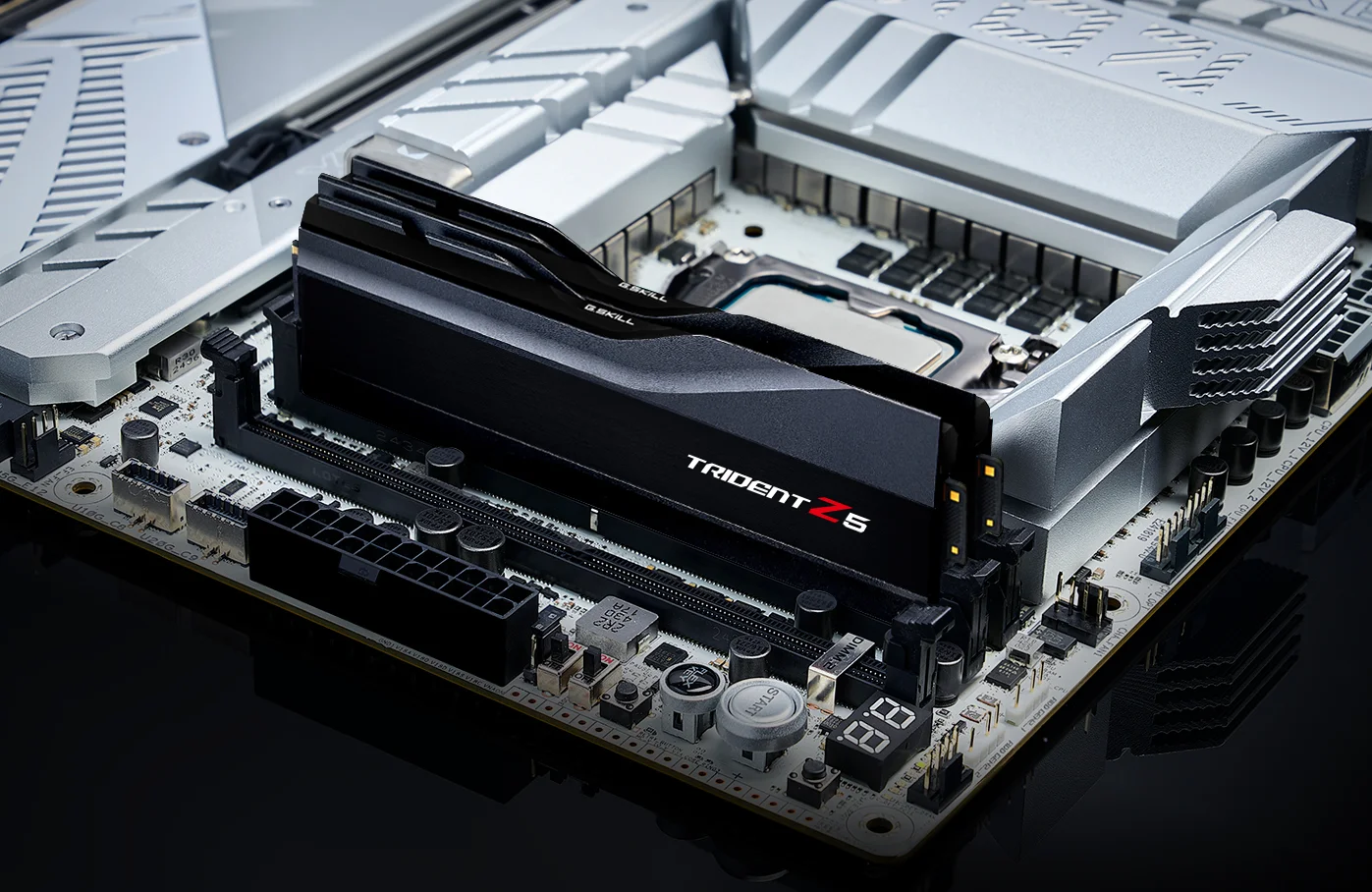
Asus plans to start manufacturing DDR5 RAM in 2026 to address the global memory shortage and prevent laptop prices from rising further, potentially reducing dependence on major suppliers like Samsung, Micron, and SK Hynix, though challenges remain in establishing new factories and supply chain constraints.
DRAM prices are expected to peak around 2026 due to high demand driven by AI and supply constraints, with prices remaining high until at least 2027. The market is diverging into consumer and enterprise segments, with enterprise memory like HBM experiencing rapid growth and price premiums. Supply chain challenges and long lead times for capacity expansion mean that memory shortages and high prices are likely to persist for several years, benefiting memory vendors financially.
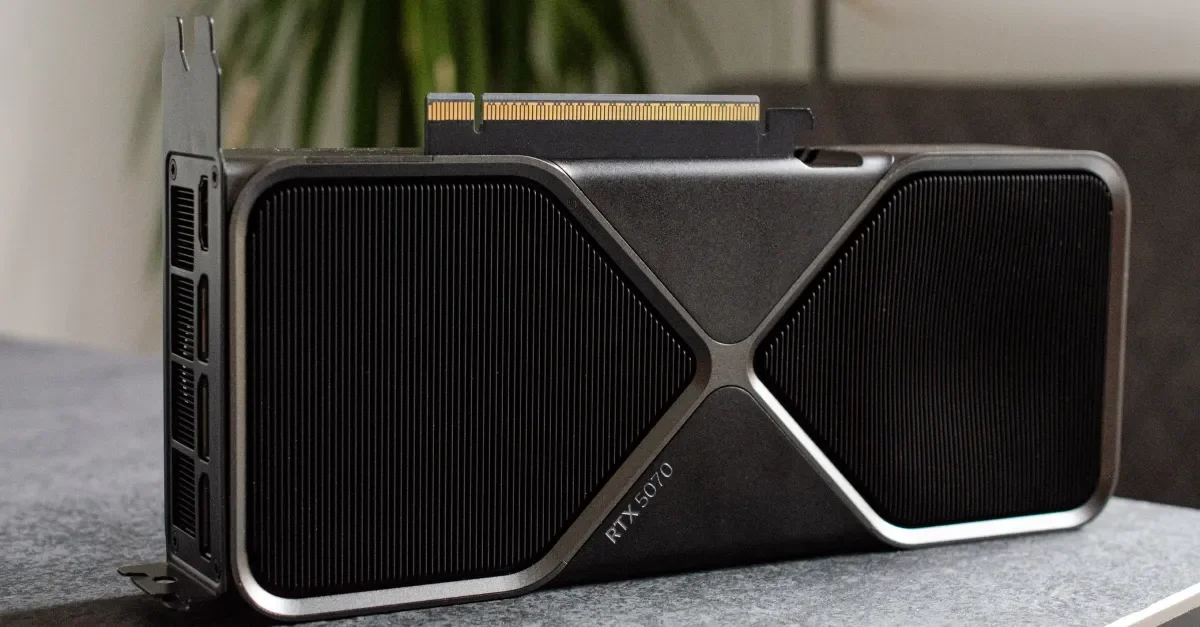
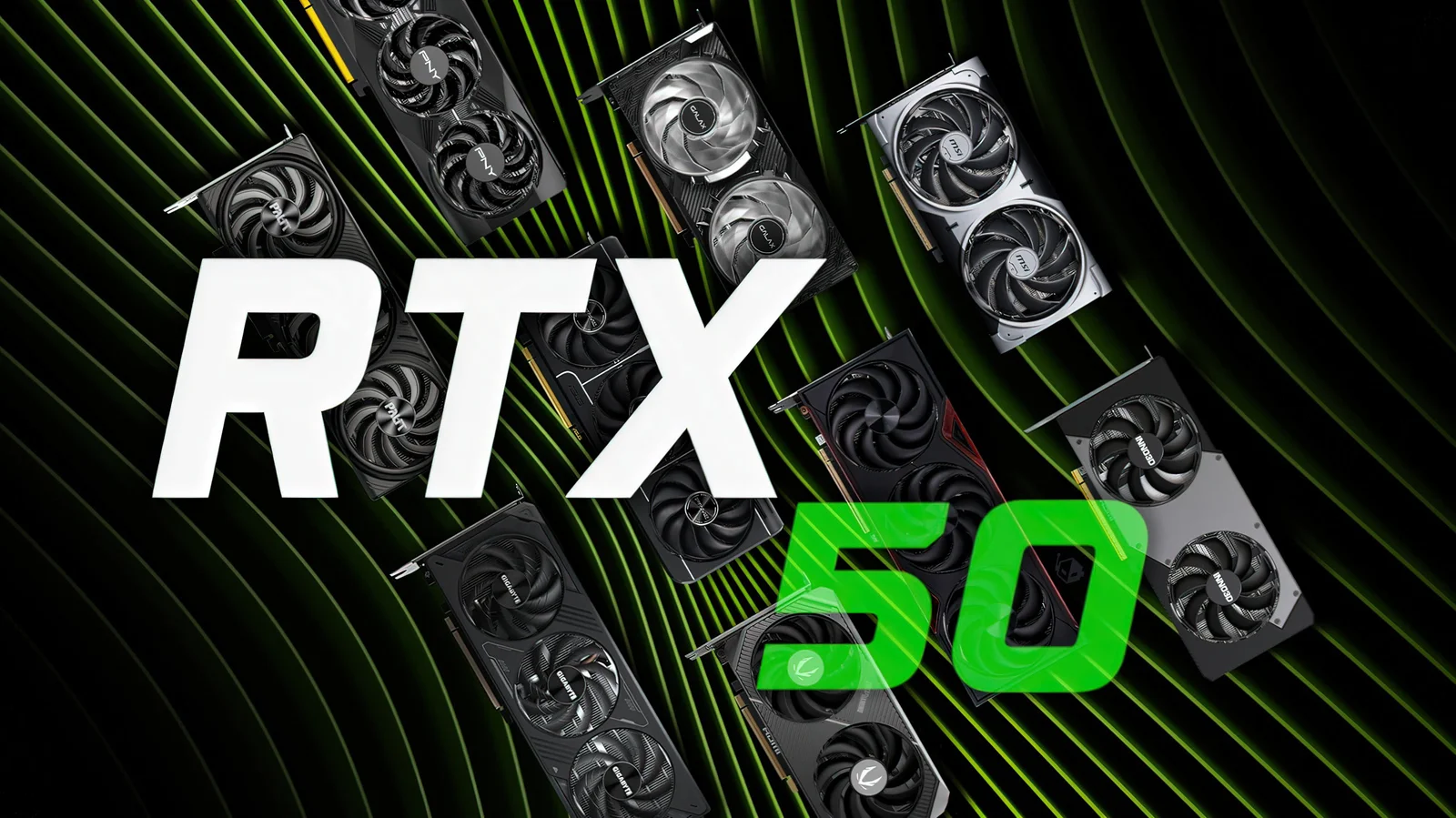
Nvidia plans to cut 30-40% of its GeForce RTX 50 series GPU production in early 2026 due to memory shortages, prioritizing more profitable models and potentially impacting consumer availability and prices, especially for high-VRAM GPUs.