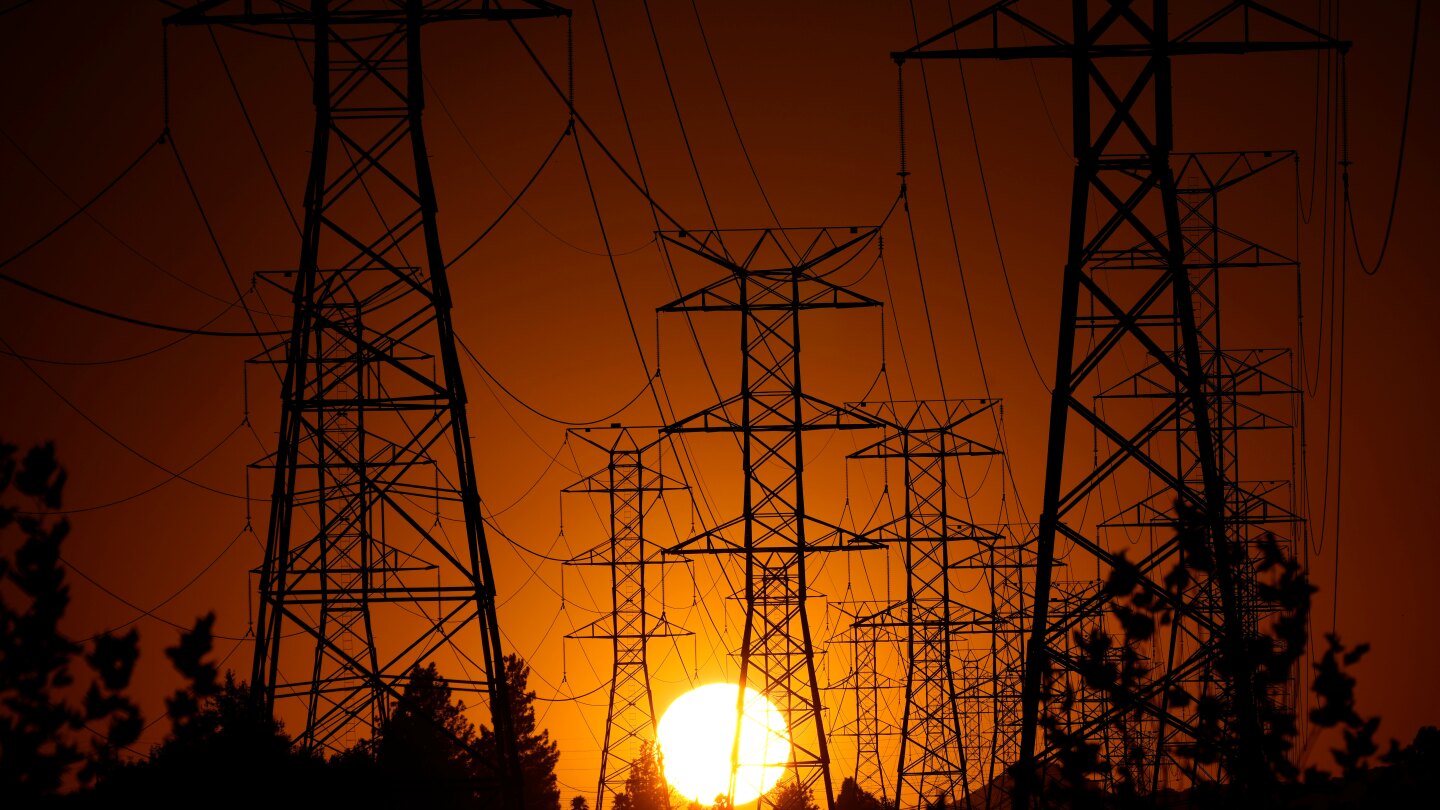
Rising utility bills, driven by increased electricity costs and demand from data centers, are becoming a key issue in the 2026 U.S. midterm elections, affecting voter sentiment and policy debates across several states.
Electric bills in the US are rising across 41 states due to increased demand from data centers and aging infrastructure, with costs expected to continue climbing. While some energy-saving measures and switching providers can help reduce bills, the overall increase is driven by large-scale developments like AI data centers, making it challenging for consumers to significantly lower their costs. Long-term solutions such as solar panels and electric heat pumps are recommended but may not provide immediate relief for all.
Utility rates in Pittsburgh are set to change on December 1, with some rates experiencing significant shifts. While overall rates are lower than last year, consumers are encouraged to shop for the best energy prices. The Pennsylvania Public Utility Commission has provided a list of utilities and their rate changes, with some electric suppliers seeing decreases while others see increases. Gas supply rates are also fluctuating. Consumers have the option to choose their energy supplier through websites like PAPowerSwitch.com and PAGasSwitch.com. Shopping for energy can help consumers save money, especially for those with larger homes and higher energy usage.
Georgia Power, the utility giant, will increase prices by 12% starting in June, citing rising fuel costs. The increase will result in an average monthly bill of $147.50, up from $131.60. The company will collect an additional $6.6 billion from its nearly 3 million customers over the next three years. Georgia Power will also raise fuel cost discounts for low-income senior citizens from $6 to $9.50 a month. The company recommends energy-efficient practices to help customers save on their bills and offers energy assistance programs for those struggling to make payments.