The article reflects on lessons learned from 14 years at Google, criticizing the company's user experience, internal culture, and the disconnect between engineers and user feedback, while also discussing broader industry trends affecting UX quality.
HBO Max has introduced a new feature allowing users to rate content with 'Love,' 'Like,' or 'Not For Me' to enhance content recommendations and give users more control over their viewing experience, following a recent price increase.
HBO Max has introduced a new rating feature allowing users to rate shows and movies with options like 'Love,' 'Like,' or 'Not For Me,' which will influence personalized recommendations and content suggestions across its platform.
YouTube now allows users to hide end screen recommendations with a new 'Hide' button, responding to user feedback for less distraction, while also removing the hover-over Subscribe button to streamline the viewing experience. These changes aim to improve user focus without significantly impacting creator metrics.
iOS 26's new Liquid Glass design, featuring translucent layers and dynamic animations, has sparked criticism due to reduced readability, lag, and usability issues, especially on older iPhones. While some appreciate its futuristic look, many users are frustrated by slower performance and limited control over the effects, raising questions about whether Apple will make further adjustments or stick with the current design. The company appears committed to the new aesthetic, despite the backlash.
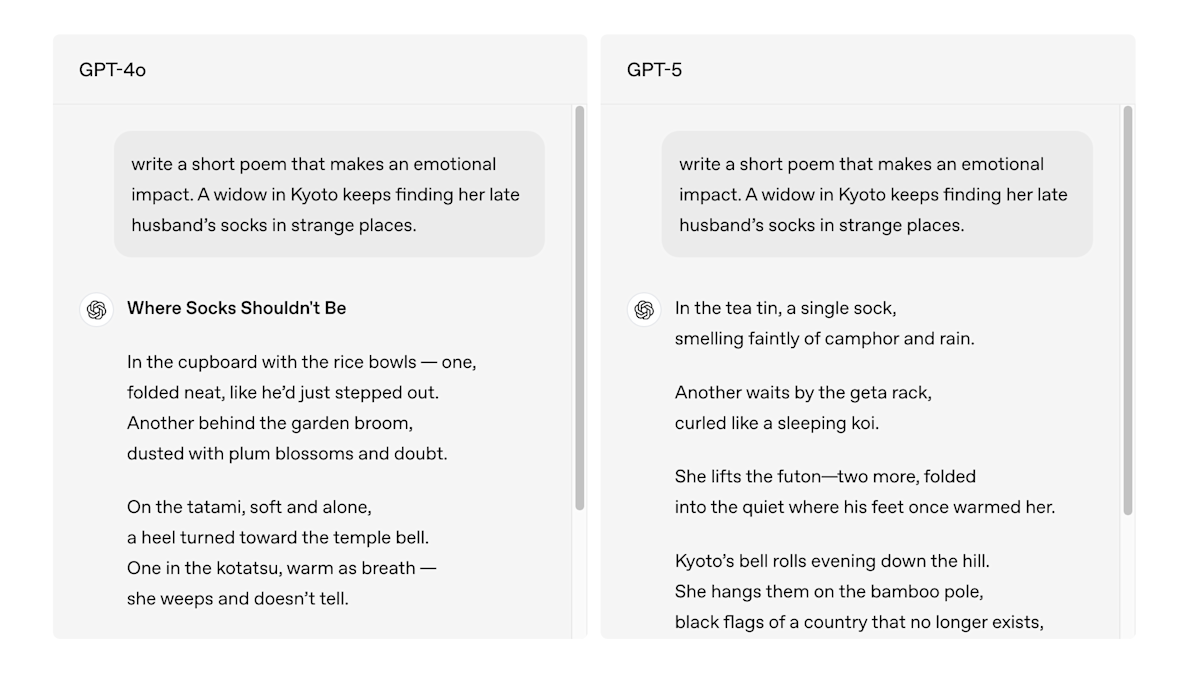
OpenAI has decided to no longer remove older ChatGPT models without warning after backlash, especially regarding the discontinuation of GPT-4o. The company aims to improve transparency and user experience by providing advance notice before retiring models, acknowledging the strong attachment users have to certain versions. Despite initial plans to simplify model choices, OpenAI is now committed to maintaining older models like GPT-4o as opt-in options and ensuring better communication about future changes.
OpenAI temporarily reintroduced GPT-4o after user backlash over GPT-5's writing quality and user experience, highlighting the importance of legacy models and user preferences in AI development.
Google Messages is addressing user complaints about its recent redesign by allowing users to access the camera and gallery separately, adding standalone options in the menu, although the default still opens the combined interface. This change aims to improve user experience following feedback on the new interface.
Spotify's 2024 Wrapped feature has disappointed many users, who took to social media to express their dissatisfaction with the lack of key data points like top genres and the absence of popular features from previous years, such as "Sound Town" and Audio Aura. The presentation's uninspired visuals also drew criticism, with some attributing the underwhelming experience to recent layoffs at Spotify and speculating about the use of artificial intelligence in its creation. Despite the backlash, Spotify highlighted the extensive effort involved in producing Wrapped.
Bluesky has introduced a new feature in its 1.95 software update that displays post replies by 'hotness,' prioritizing recent and liked replies. This change, now the default setting, has sparked criticism from users who argue it encourages popularity-driven behavior similar to other social media platforms like X. Users can adjust their settings to sort replies differently. Despite this controversy, Bluesky continues to grow, recently surpassing 20 million users, and is noted for its customizable algorithm and engagement model.
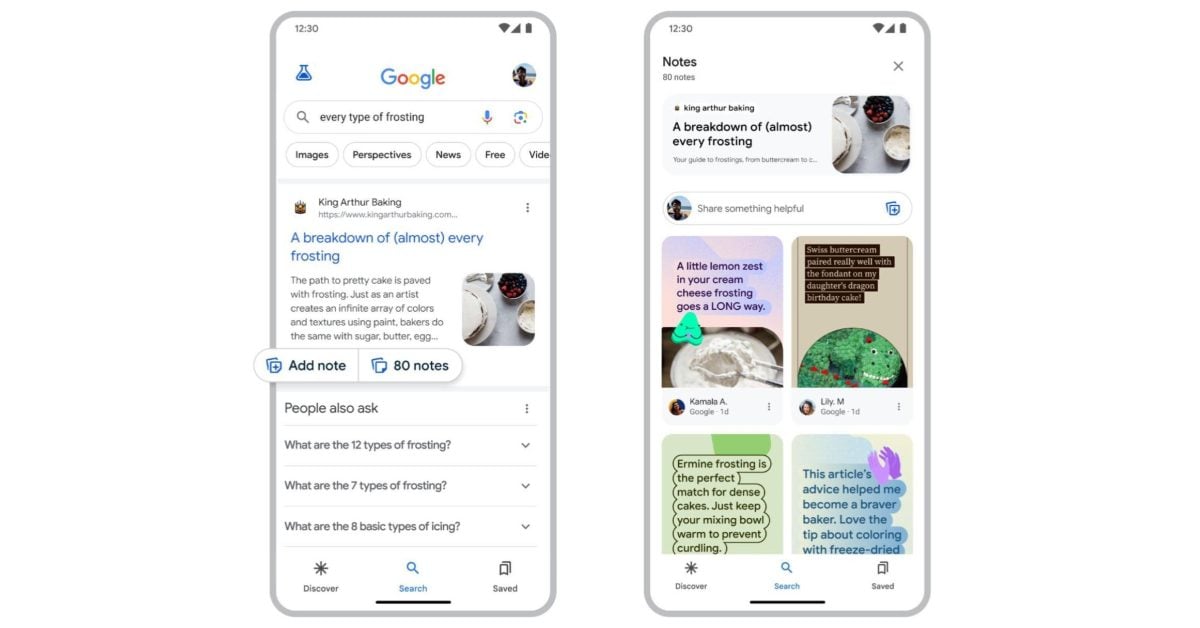
Google is ending its Notes experiment in Search Labs, which allowed users to leave tips and comments on search results. The feature, which combined elements of forums and social media, will be available until the end of July, with users able to download their notes until the end of August. Google plans to use insights from this experiment to develop future products.
YouTube has rolled back an update to its tvOS app that replaced Apple TV's default Aerial screensaver with its own, following user complaints. The change appears to have been made server-side, as the app itself hasn't been updated. This move alleviates concerns that YouTube might use the screensaver space for ads in the future.
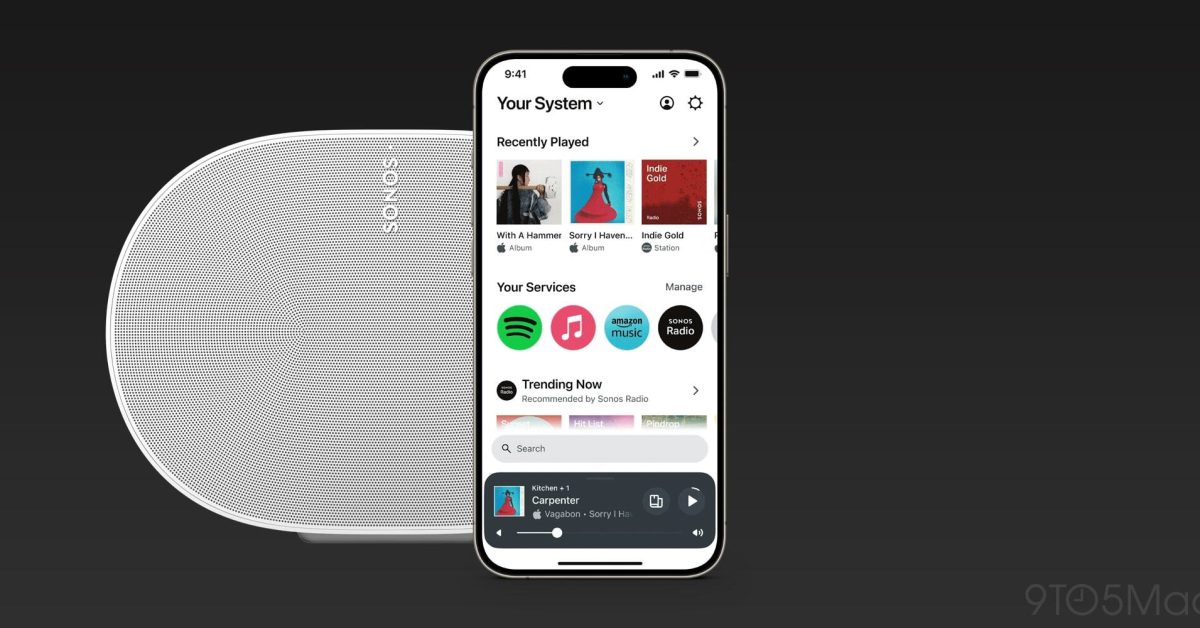
Sonos has released updates to its new app, addressing critical feedback by restoring features like local music library playback and improving VoiceOver and TalkBack support for vision-impaired users. The company has acknowledged user concerns and is committed to further enhancing the app experience.
YouTube is once again rolling out a widely disliked redesign that moves video titles, descriptions, and comments to the side, while placing larger video recommendations underneath the current video. This change, initially tested in mid-April and then reverted, is being tested again, though it remains unclear if it will become the default layout.
WhatsApp made a small change to capitalize the first letters of "online" and "typing" in user conversations, causing a significant backlash from users who found it annoying and unnecessary. The design change was also criticized for compromising the layout. WhatsApp has now confirmed that the change was a test with a limited number of users and will be reversed, highlighting the impact of user feedback on app features.