Boeing has appointed 39-year-old engineer Brian Yutko as chief of commercial airplanes product development, signaling a renewed focus on engineering and innovation amid the company's challenges. Yutko's background in aerospace engineering and his work on fuel-efficient aircraft design position him to lead Boeing's efforts in developing a new, disruptive aircraft to regain industry leadership. This move reflects Boeing's broader strategy to recover from safety issues, production delays, and market competition, with Yutko's leadership seen as a potential catalyst for a technological and cultural turnaround.
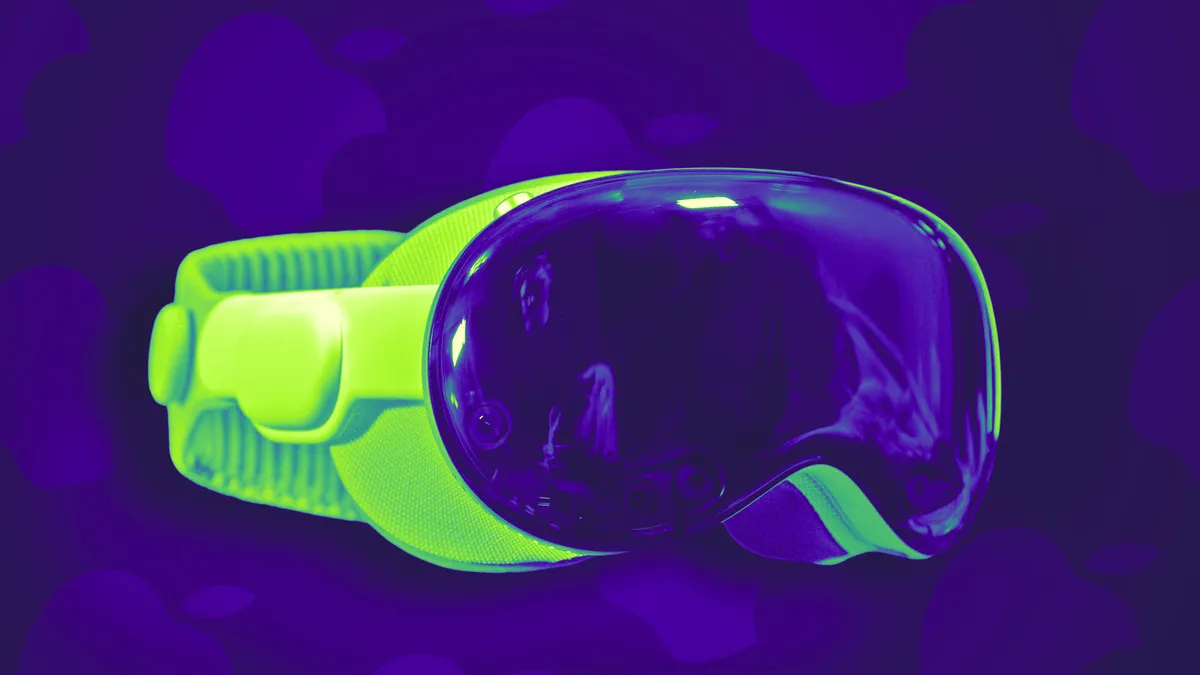
Apple may halt production of its Vision Pro mixed-reality headset due to low demand and an abundance of components, but this doesn't signal the end of the product line. The company is reportedly focusing on developing a more affordable version, potentially powered by an iPhone, while still planning a Vision Pro 2 release by late next year or early 2026. Despite positive reviews, the high price has limited its market to early adopters. Apple is also expanding Vision Pro sales to South Korea and the UAE.
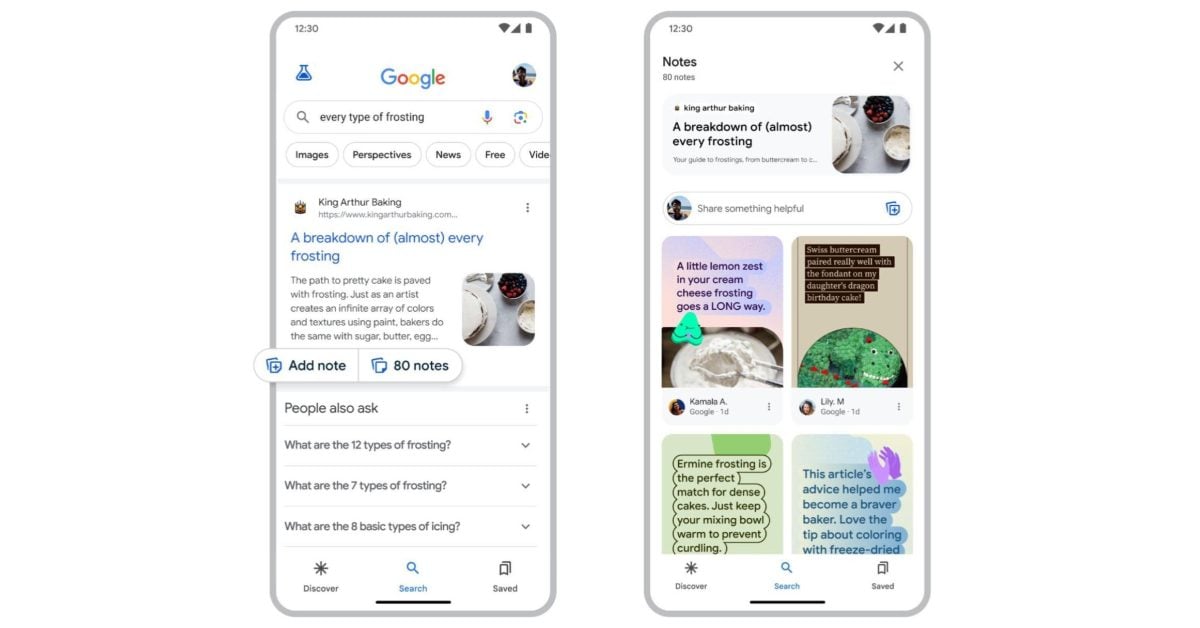
Google is ending its Notes experiment in Search Labs, which allowed users to leave tips and comments on search results. The feature, which combined elements of forums and social media, will be available until the end of July, with users able to download their notes until the end of August. Google plans to use insights from this experiment to develop future products.
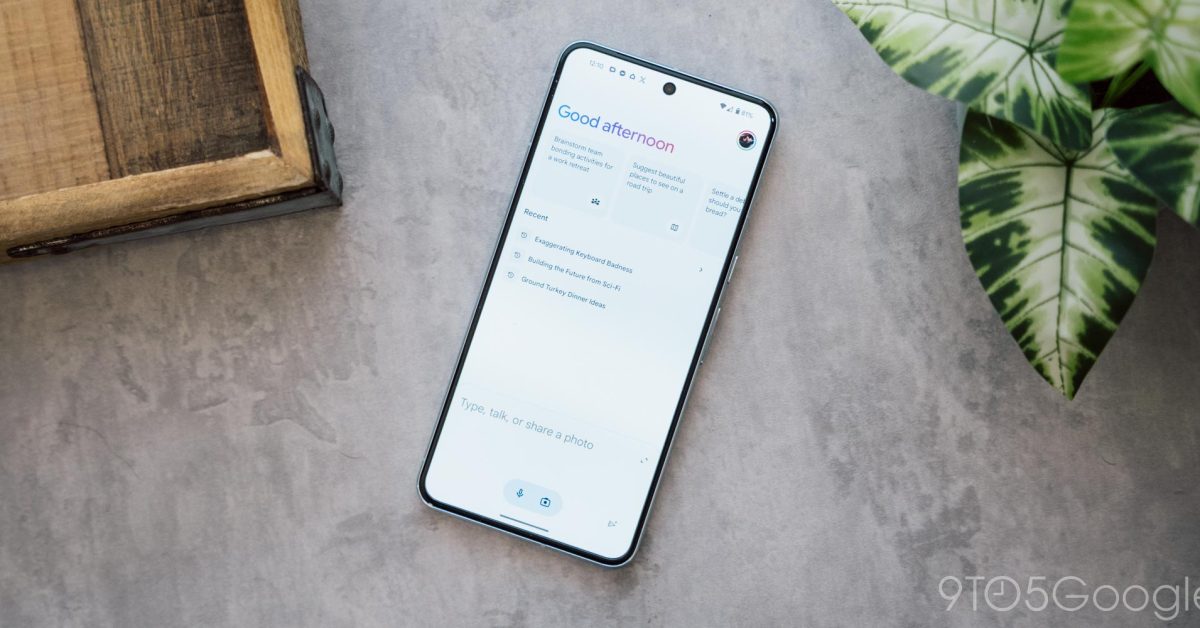
The article discusses the similarities between Google's new phone assistant, Gemini, and the development of Google Assistant, highlighting the potential impact of generative AI on product development. It reflects on the past trajectory of Google Assistant's evolution and the challenges it faced, while expressing optimism about the potential of large language models (LLMs) to drive meaningful product developments. The author hopes that Google will continue iterating on Gemini rather than restarting, ushering in a new era of innovation.
Some members of Apple's Vision Pro team believe that it may take four generations for the product to reach its ideal form, similar to the progression of the iPhone, iPad, and Apple Watch. The current Vision Pro is seen as more of a preview of the future than the future itself, with issues such as weight, battery life, and software bugs. While some suggest waiting for a later model, others argue that early adopters are experiencing a new and potentially worthwhile computing experience. Additionally, there is speculation that the Vision Pro could eventually replace the iPad, offering a better experience for tasks the tablet was designed for.
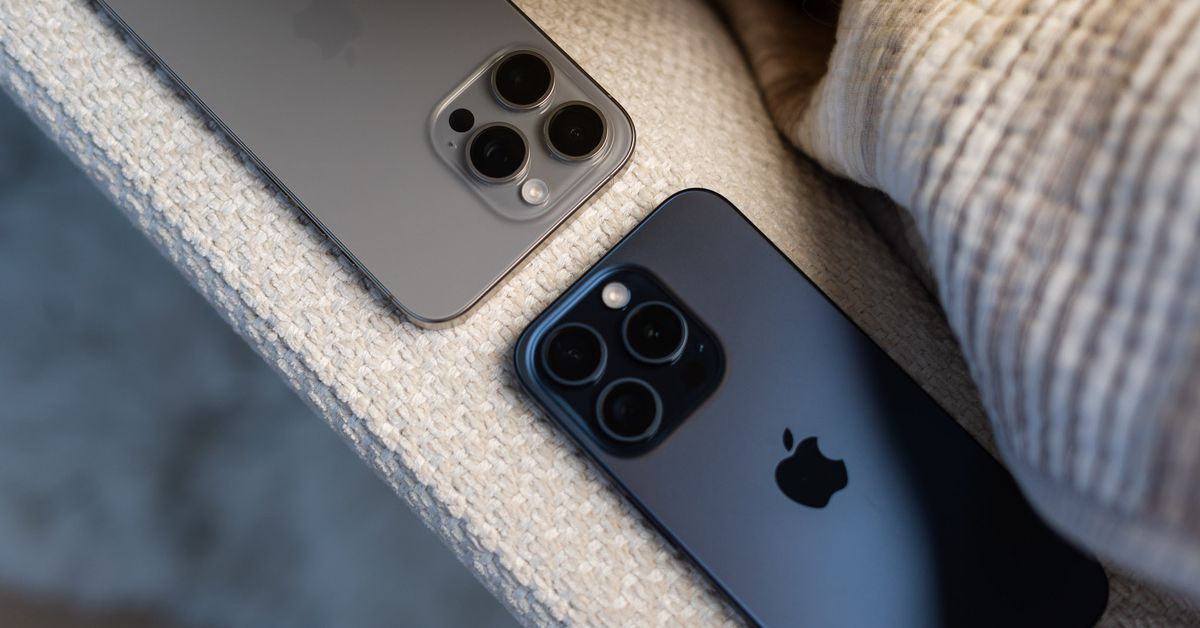
Apple is reportedly working on at least two prototypes for foldable iPhones that fold horizontally, similar to Samsung's Galaxy Z Flip devices, but mass production isn't planned until 2024 or 2025 due to engineering challenges. The company is also exploring the development of a foldable iPad around the size of an iPad Mini with an eight-inch display, aiming for a release in 2026 or 2027.
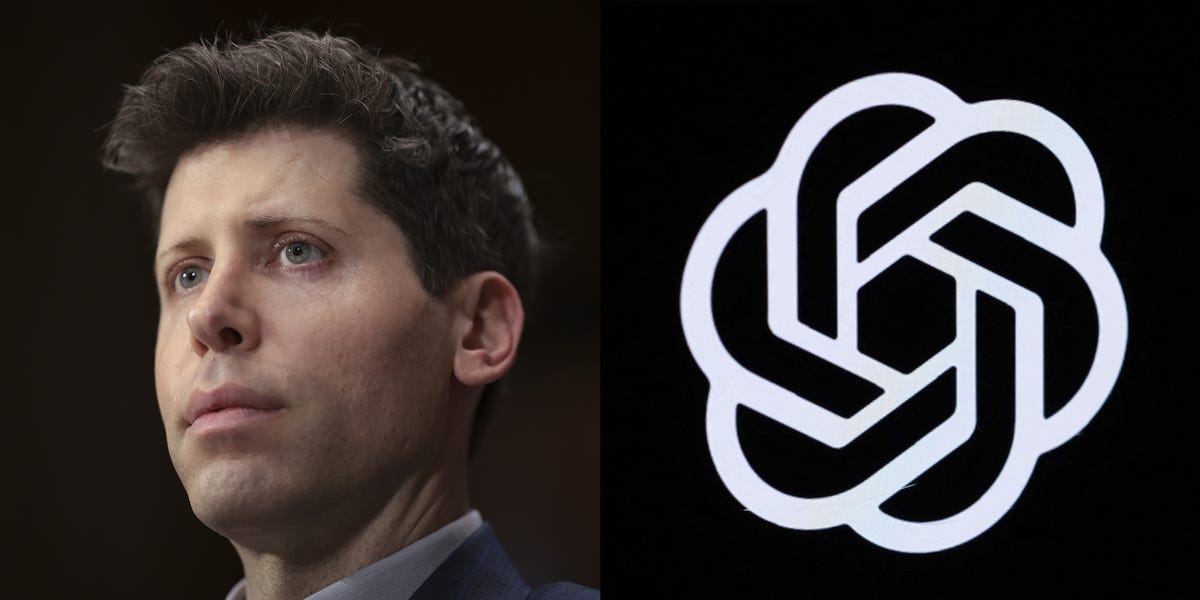
Sam Altman will remain in charge of OpenAI's team and products, whether from his new role at Microsoft or his old role at OpenAI. The three remaining OpenAI board members should clarify their motivations for firing Altman and move on. The stated reason of Altman lying to the board has not been substantiated, and one board member has expressed regret over the decision. Speculations about the firing include a potential conflict of interest with a competing feature on Quora and concerns about OpenAI's rapid development of AI. Regardless, Altman will continue to lead OpenAI, and the board members should communicate their intentions.
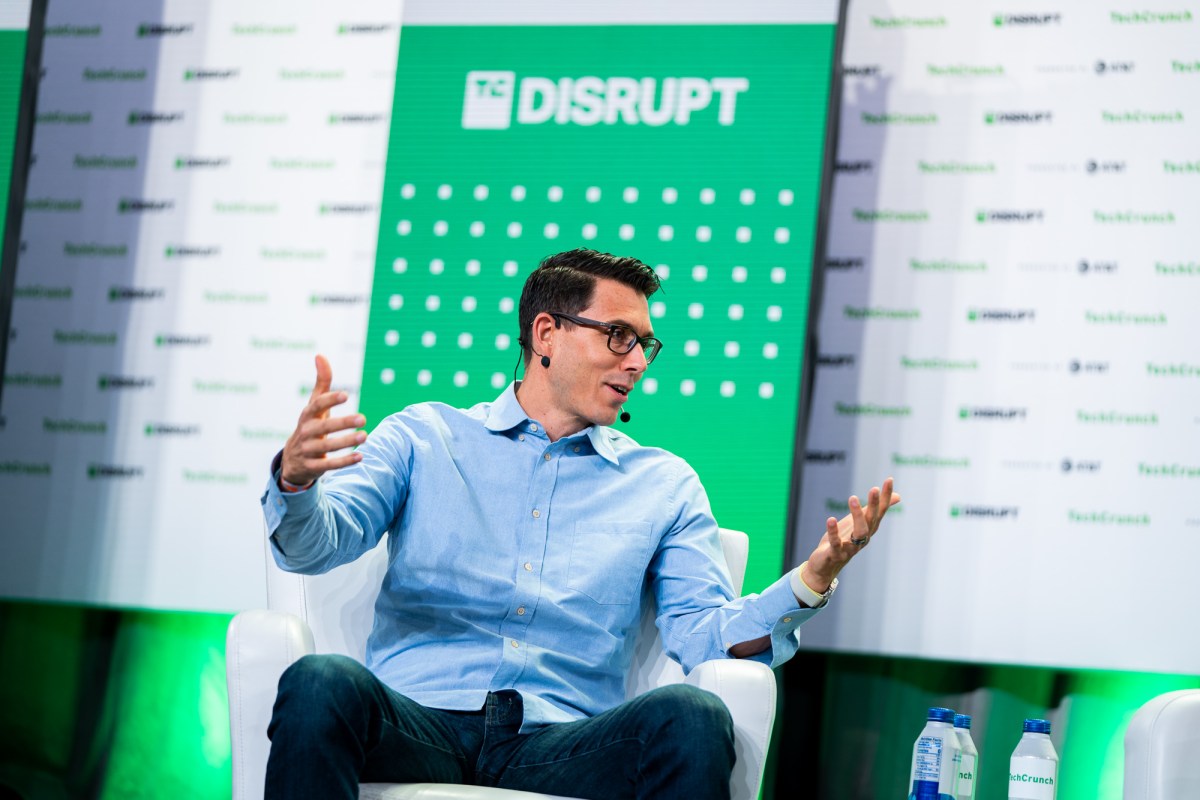
Rivian CEO RJ Scaringe has taken on the role of chief product officer as Nick Kalayjian transitions to an advisory position. Scaringe will now oversee all product development at the EV maker, focusing on their next-generation platform aimed at delivering more affordable electric vehicles and expanding into the mass market. Kalayjian will become the executive vice president of vehicle engineering and propulsion before moving into a product and technology advisory role. The executive team will undergo further shuffling, with Richard Farquhar assuming a new role in future R&D and other teams reporting directly to Scaringe and Kalayjian.
Apple has recently posted job listings indicating its plans to incorporate generative AI into multiple products. The company is seeking candidates for roles related to generative AI in various departments, including the App Store platform, Apple Retail, Siri Information Intelligence, and more. Apple aims to invest over $1 billion per year in generative AI-based products and features, with a focus on large language models (LLMs) to enhance Siri, Messages, Xcode, Apple Music, Pages, and Keynote. While Apple's rivals have already deployed AI-powered features, Apple is now getting serious about integrating generative AI into its offerings.
New York company Fantasy has developed scores of AI characters, known as synthetic humans, using machine learning technology similar to OpenAI's ChatGPT and Google's Bard. These synthetic humans are used to help businesses generate new product ideas, learn about audiences, and think through concepts. By feeding characteristics from ethnographic research into large language models, Fantasy creates bots that can converse about a client's offerings and even participate in focus groups alongside real people. The technology has shown promise in generating novel ideas and prompting creativity. However, experts caution that anthropomorphizing AI can have both powerful and problematic implications.
Fintech startup Ramp has raised $300 million in a funding round at a post-money valuation of $5.8 billion. The funding round was co-led by Thrive Capital and Sands Capital, with participation from General Catalyst, Founders Fund, and other existing backers. Ramp plans to use the capital to accelerate product development, expand into new categories, and hire significantly in the second half of the year. The company, which offers spend management solutions, has seen its valuation decrease from $8.1 billion in March 2022. Ramp has added features and expanded its customer base, now serving businesses of all sizes.
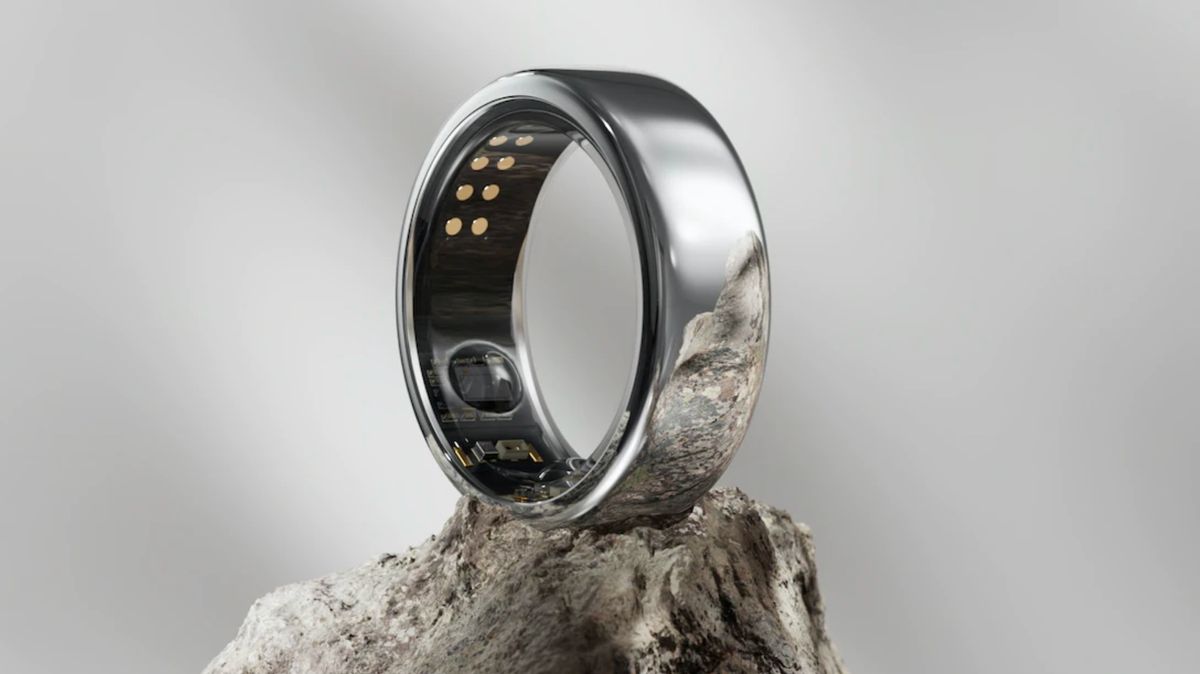
Samsung is reportedly close to making a decision on whether to mass-produce its own smart ring after testing a prototype. The product development phase could take seven to eight months, potentially pushing the release to March or April 2024. If the smart ring includes health functions that require medical approval, the release could be delayed until January or February 2025. The advantages of a smart ring include its subtlety, longer battery life, and potentially more effective sensors for health monitoring. However, Samsung will need to overcome challenges such as the fitting process for mainstream adoption.
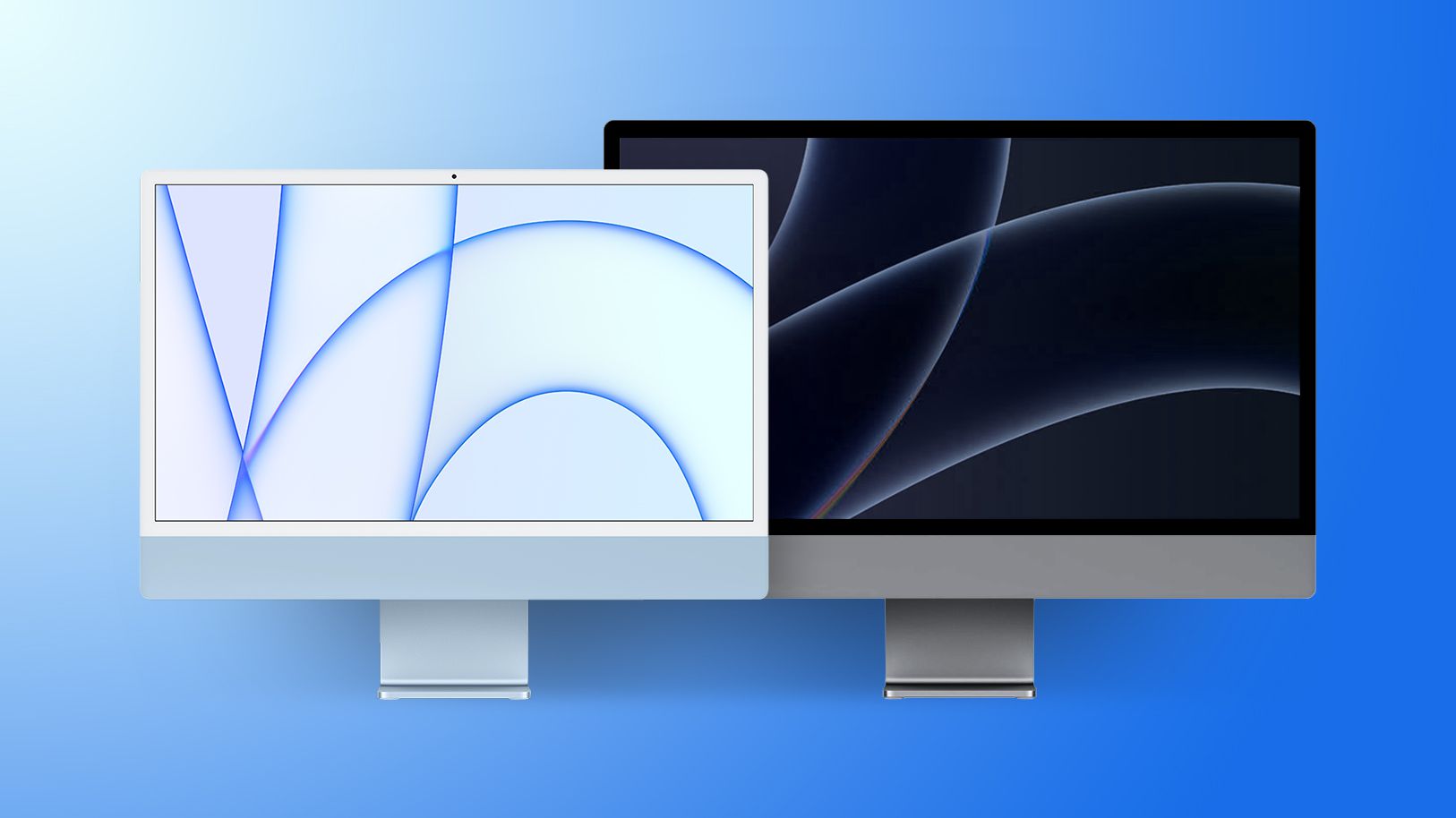
Apple is reportedly in the early stages of developing a new iMac with a display size over 30 inches, which would be the largest-ever for the all-in-one computer. The current iMac lineup only includes a 24-inch model, and Apple discontinued the larger Intel-based iMacs. The rumored larger iMac is expected to be powered by Apple silicon and may be at least a year or two away from launch. Additionally, Bloomberg's Mark Gurman suggests that the 24-inch iMac will be updated with the unannounced M3 chip by early next year.
Instant Pot's parent company has filed for Chapter 11 bankruptcy as sales in the electronic multicooker device category, where Instant Pot makes up the majority, have declined by 50% since 2020. The company's need to continue growing has led to the development of new products, such as an air purifier and convection oven, but it may need another hit product to recover. The pressure to constantly grow comes from private equity firm Cornell Capital, which acquired Instant in 2019. The company's CEO is encouraging the development of new products instead of reinvigorating the Instant Pot, but sometimes being very good at one thing is enough.
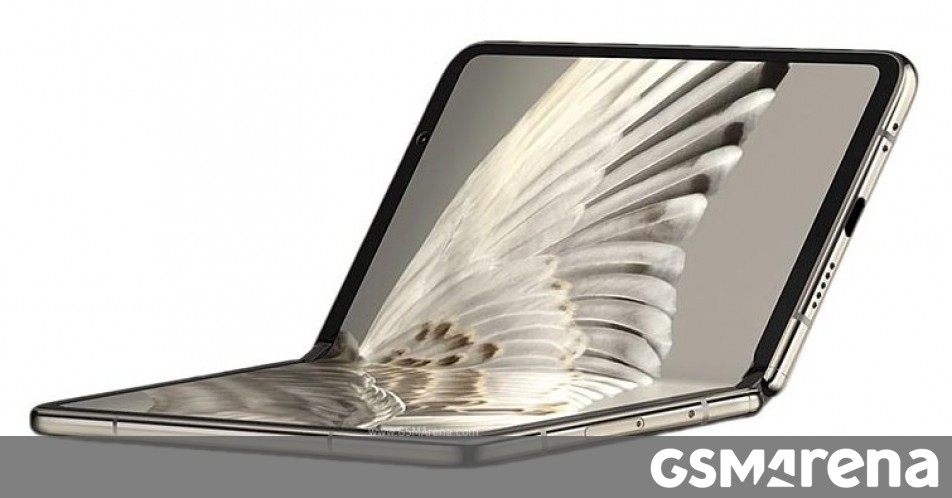
Google had developed a second foldable smartphone alongside the Pixel Fold, but it was eventually canceled as the team felt it wasn't good enough to be launched. No further details about the device have been revealed, but the team considered the Pixel Fold to be the better device of the two.