European stocks are expected to rise as investors await third-quarter GDP data, while Asian markets decline due to China's economic weakness and a strong US dollar. The Euro Stoxx 50 futures increased by 0.2%, contrasting with the fall in Asian equities and US stock futures. The dollar reached a two-year high, impacting Asian currencies and stocks, with the MSCI Asia Pacific Index on track for its worst week since April. Chinese equities remain stable amid limited stimulus expectations, and Hong Kong technology stocks continue to decline.
The U.S. dollar is experiencing a strong start to 2024, with the ICE U.S. Dollar Index rising 0.7% to 102.3, marking its best opening performance since 2015. This rebound follows a decline in 2023 when the Federal Reserve indicated potential interest rate cuts, which typically decrease a currency's appeal. Analysts suggest the current surge is due to a market correction from previous positions that were short on the dollar. Despite this uptick, the Fed's meeting minutes reveal that rate cuts are still expected, though the timing is uncertain, and rate hikes remain on the table. Economic data showing a slowdown in service sectors and mixed signals from the labor market have influenced market dynamics, impacting the dollar's value.
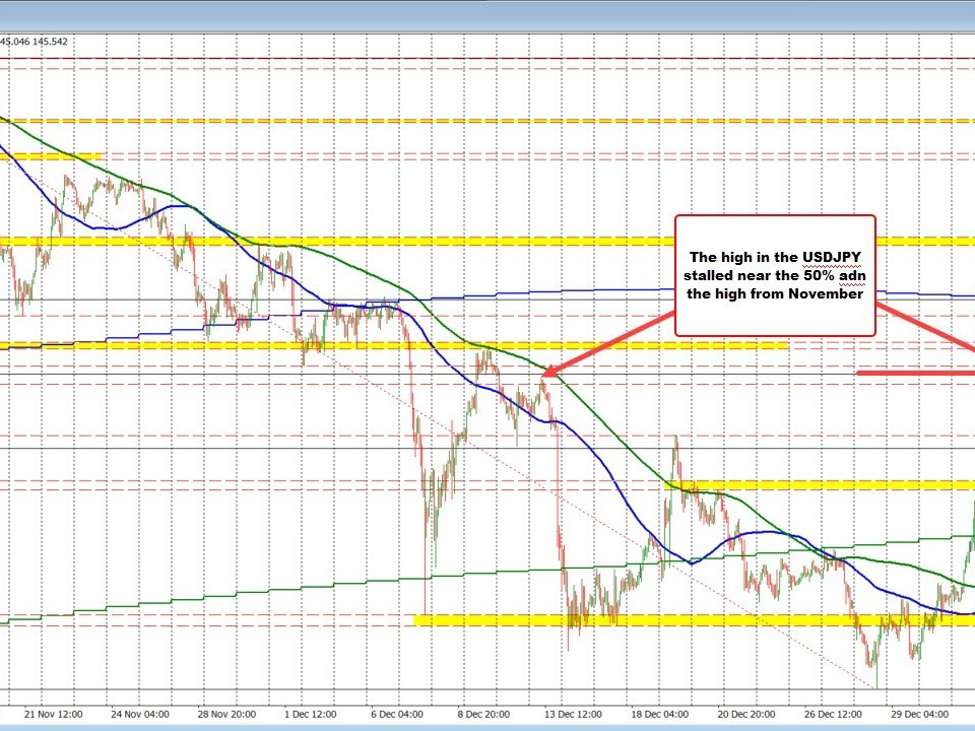
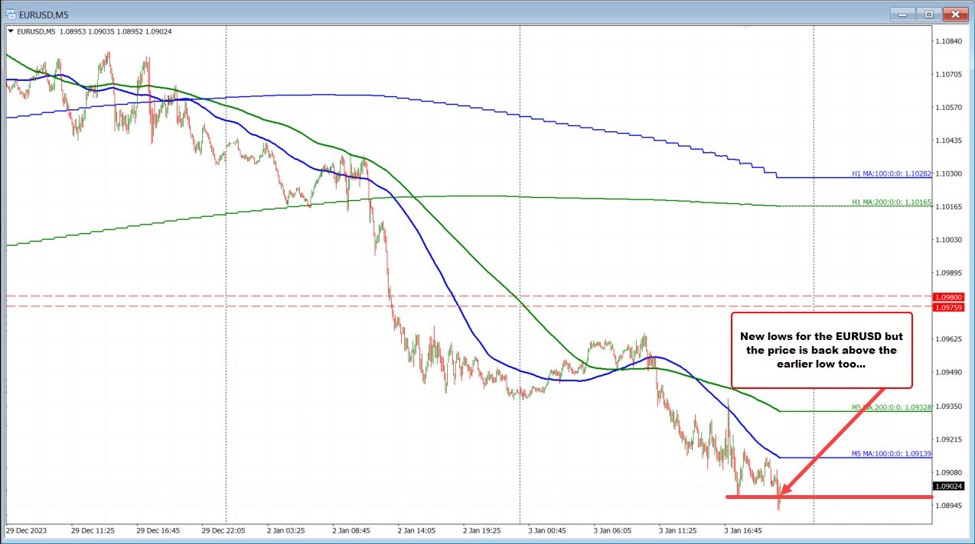
The U.S. dollar initially rose after a stronger-than-expected non-farm payroll report, but gains were tempered by downward revisions of previous months' data and a declining participation rate. Despite a solid unemployment rate of 3.7%, the market reassessed the strength of the jobs data, leading to a pullback in the dollar's value against other major currencies. The USDJPY retreated from near 146.00 levels, while the EURUSD and GBPUSD recovered from their post-report lows, with the EURUSD breaking above a key retracement level.
The U.S. dollar's recent gains were curtailed following the release of the Federal Reserve's minutes, which suggested a potential easing cycle ahead. The upcoming U.S. jobs report will be crucial for the dollar's trajectory, with strong job growth likely to bolster the currency, while a significant miss could weaken it. Technical analysis indicates potential movements for USD/JPY, EUR/USD, and gold prices, with key levels highlighted for each. Investors and traders are closely watching these indicators to gauge future market directions.
Following the release of the Federal Reserve minutes, the U.S. dollar saw a slight increase, with the EURUSD hitting a new low and the USDJPY reaching a marginal new high. The Treasury yield curve showed mixed movements, with a slight rise in the 2-year yield and a decrease in the 10-year and 30-year yields. U.S. stock markets experienced a minor drop post-release, with the Dow, S&P, and Nasdaq all showing small declines. The Fed minutes suggested potential rate cuts, but the market's expectations for the extent of these cuts may not align with the Fed's current stance.
The U.S. dollar reached a two-week high, tracking a rise in U.S. Treasury yields, as investors reassessed expectations for interest rate cuts in 2024. The dollar's strength came despite a contraction in the U.S. manufacturing sector and a decrease in job openings in November. Investors are awaiting the Federal Reserve's December meeting minutes for further direction. Meanwhile, the euro fell against the dollar, and Bitcoin's value dropped after a recent surge. Market sentiment was also affected by geopolitical tensions following the killing of a Hamas deputy leader in Beirut.
The U.S. dollar is gaining momentum alongside rising U.S. Treasury yields, with traders eyeing the upcoming ISM manufacturing survey and U.S. nonfarm payrolls report for further economic indicators. The EUR/USD, GBP/USD, and USD/JPY currency pairs are experiencing technical movements in response to these macroeconomic factors. The dollar's strength is contingent on positive economic data, which could reduce expectations of aggressive Fed rate cuts, while disappointing data could lead to a more dovish Fed stance and potential dollar weakness.
The U.S. dollar saw a slight increase ahead of significant economic data releases expected to influence Federal Reserve policy decisions. Investors are particularly focused on the upcoming U.S. nonfarm payrolls data, which could impact the Fed's approach to interest rates. The euro retreated from a five-month high, while the British pound's gains could be tempered by expectations of a Bank of England rate cut in 2024. The Japanese yen weakened following a major earthquake, and the Chinese yuan also edged higher despite weak manufacturing data.
Gold's price remained steady at the start of 2024 despite a stronger U.S. dollar, which typically makes gold more expensive for international buyers. The market is balancing the dollar's influence against expectations of Federal Reserve interest rate cuts and geopolitical tensions affecting shipping in the Red Sea. Gold's performance in 2023 and predictions for 2024 suggest potential gains if central banks ease policies. Investors are awaiting the Fed meeting minutes and key U.S. employment data for further market direction. Other precious metals like silver, platinum, and palladium experienced declines, with palladium hitting its lowest point since mid-December.