The Bank of Japan is expected to raise interest rates for the first time in 11 months, which could trigger a yen carry trade unwind and lead to yen appreciation, impacting global markets and currency strategies.
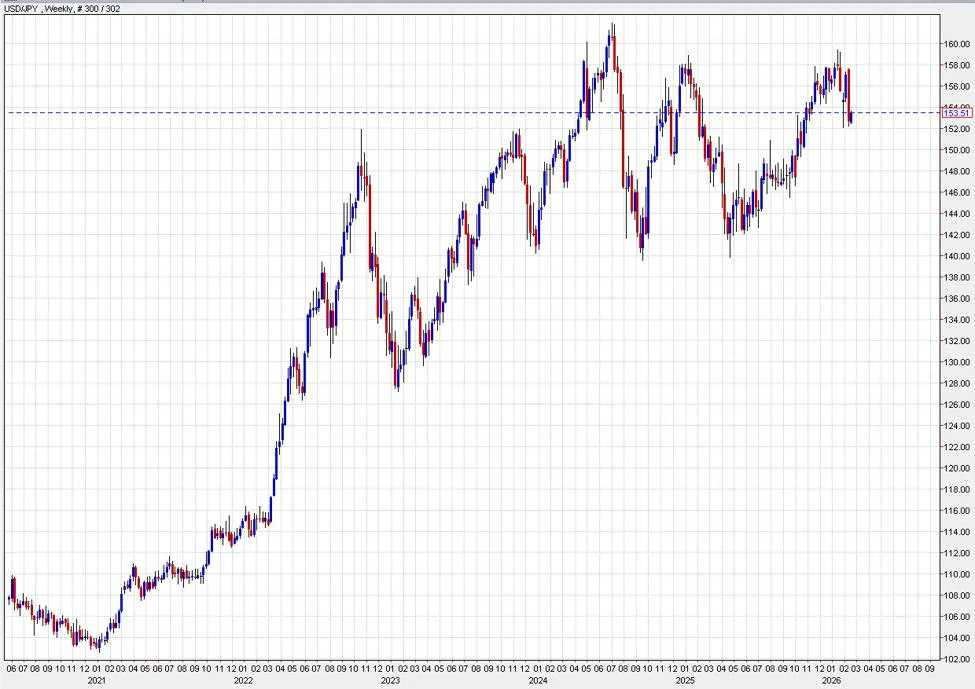
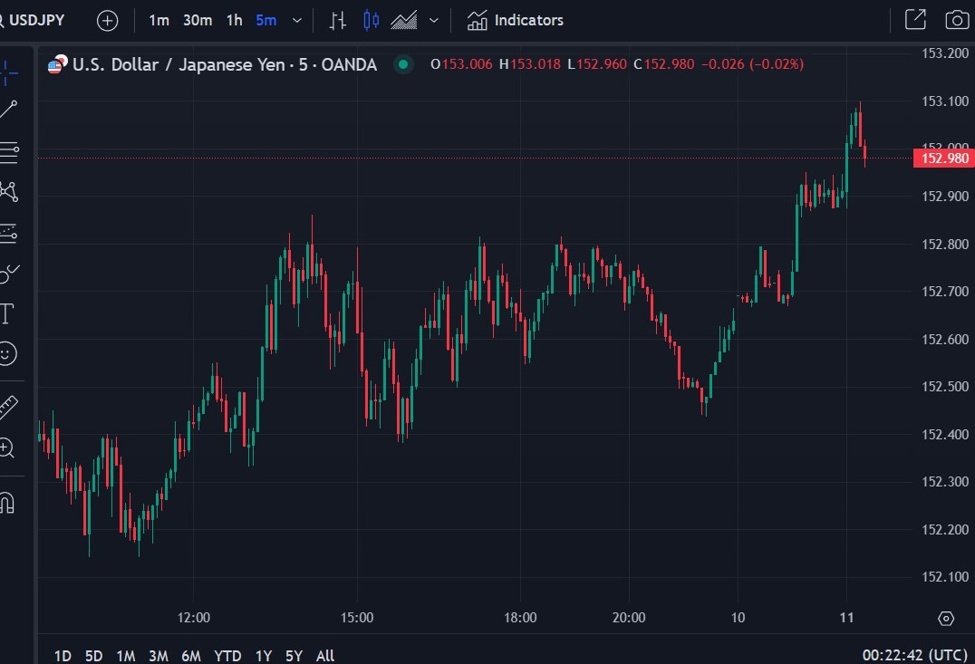
The USD/JPY currency pair is approaching a breakout point influenced by US-China trade negotiations, potential tariff reductions, and economic data. Positive trade developments and dovish US Federal Reserve policies could push the pair toward 155, while hawkish Bank of Japan rhetoric and weaker US data might bring it down to 150.
The Bank of Japan's October summary reveals a division among its members regarding the timing of interest rate hikes. While some members advocate for further rate increases after evaluating the U.S. economic situation, others urge caution and a more gradual approach. This uncertainty has led to a slight increase in the USD/JPY exchange rate.
The upcoming week in financial markets will start slowly due to holidays in the US and UK, potentially leading to low trading volumes and sluggish price action. Key events to watch include Eurozone May CPI figures and US Core PCE data on Friday, which could influence monetary policy decisions and market volatility. Eurozone inflation is expected to rise slightly, while US Core PCE is anticipated to show a small decrease, impacting the outlook for interest rates and the US dollar.
The article discusses the contrarian trading strategy and its application to three key Japanese yen FX pairs: USD/JPY, EUR/JPY, and GBP/JPY. IG client sentiment data reveals a prevailing bearish sentiment for these pairs, suggesting potential upside from a contrarian perspective. However, the article emphasizes the importance of integrating technical and fundamental analysis with sentiment data to make informed trading decisions.
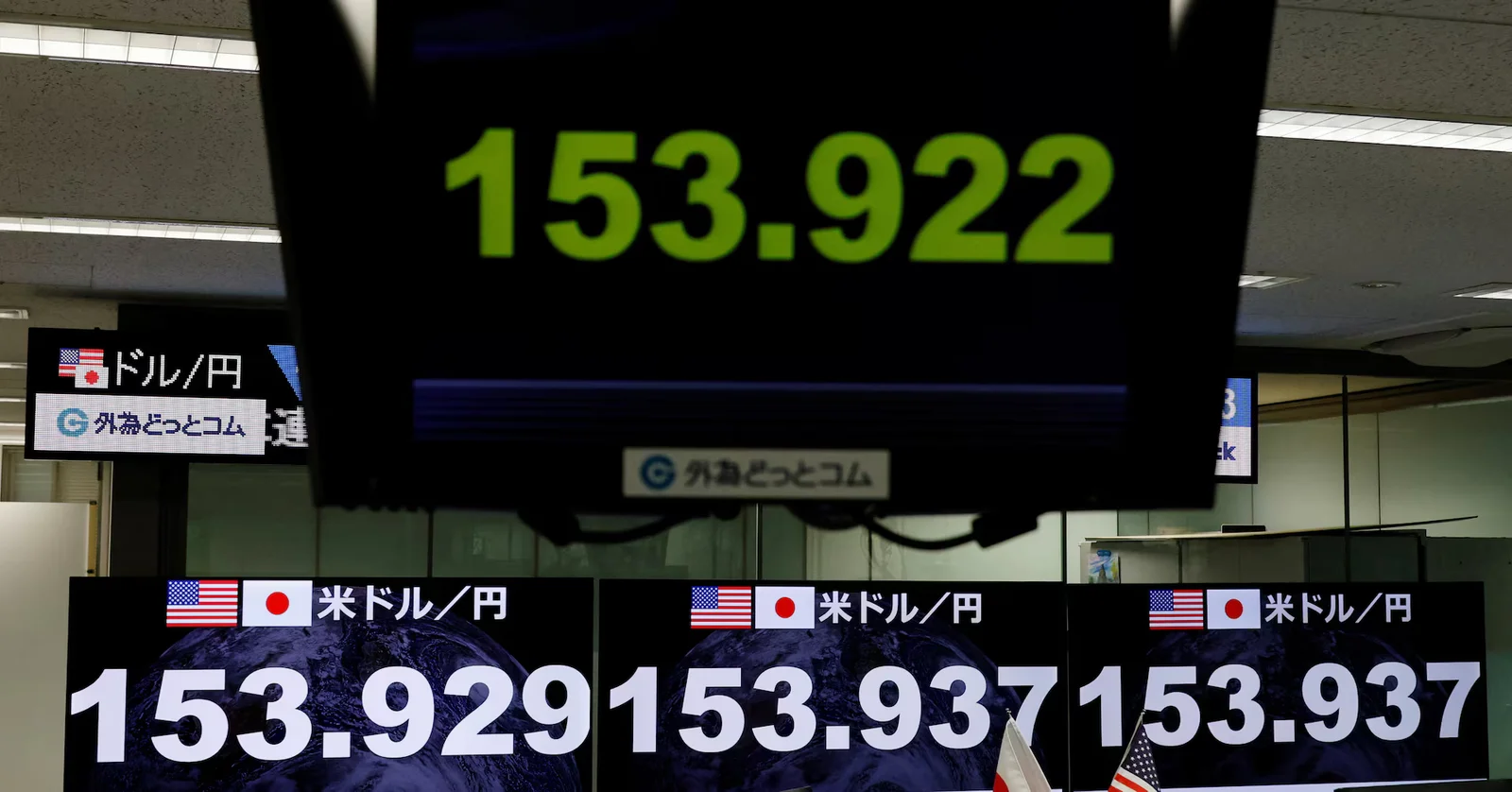
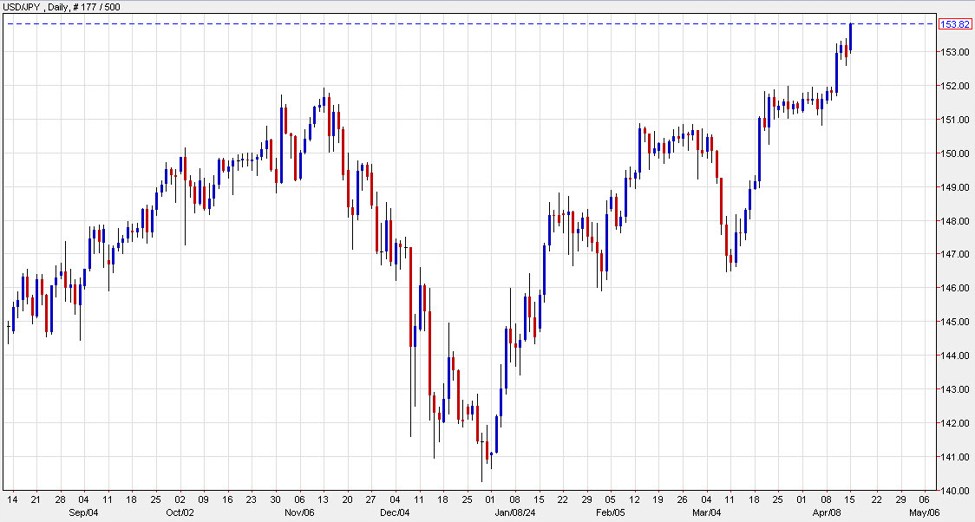
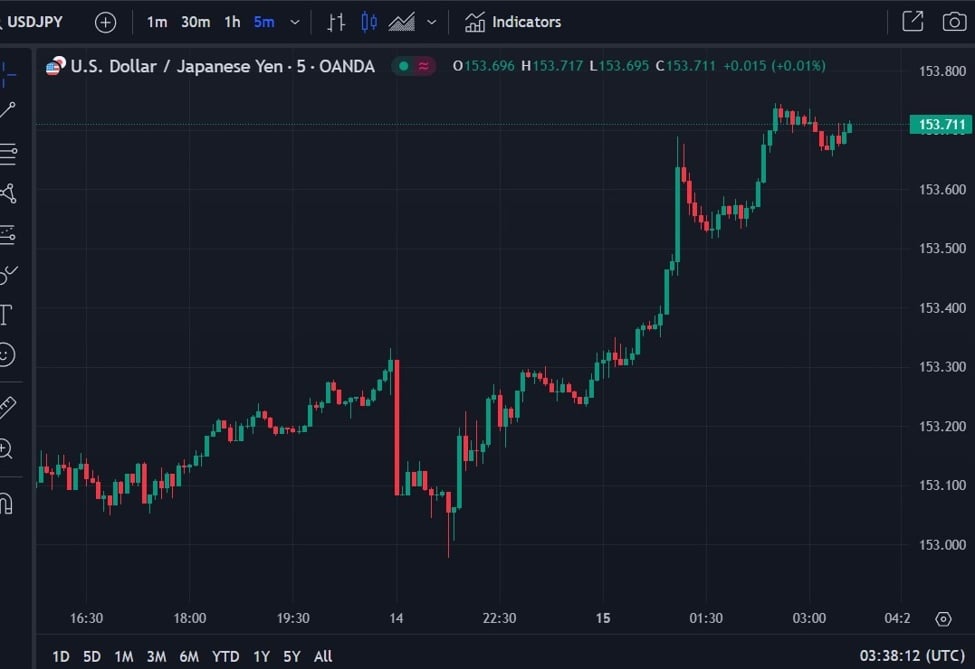
The USD/JPY pair has reached a fresh 34-year high, driven by market optimism for a peaceful resolution in the Iran-Israel conflict and fundamentally stronger CPI numbers leading to broad USD buying. The yen's move into technical blue skies has raised concerns about potential intervention from Japan, although no real intervention has been observed yet. However, there is a limit, and the market could see Japan draw a line at 155.00.
USD/JPY reaches a fresh 30+ year high as tensions escalate between Iran and Israel, causing Bitcoin to plunge and oil to experience volatility. Industrial metals like aluminum and nickel surge due to new US and UK sanctions on Russian supplies. China's People's Bank of China maintains an unchanged rate on this month’s Medium-term Lending Facility, while Chinese stock markets trade higher and state wealth fund Central Huijin increases stakes in China's big four banks. Additionally, Chinese private developers face a $553 billion funding gap to complete pre-sold homes.
The USD/JPY currency pair experienced a drop due to escalating geopolitical tensions, prompting concerns among forex traders. The high-risk nature of foreign exchange trading was emphasized, with a warning about potential losses and the need for careful consideration before investing. FOREXLIVE™, while providing market information, does not endorse specific opinions or recommendations and advises clients to conduct their own analysis.
The Japanese yen took center stage as it fell to its lowest level against the dollar since 1990 before rebounding following a series of comments from Japanese officials and a sudden meeting between the Ministry of Finance, Financial Services Agency, and Bank of Japan. The dollar traded steadily against other major currencies, while European equities and US futures rose. Gold also showed potential for a rebound after facing resistance at $2,200.
The USD/JPY pair remains near multi-year highs, with resistance at 151.90-94, but Tokyo is issuing warnings about the yen's weakness, suggesting potential intervention if the one-sided move continues. The bond market, particularly 10-year Treasury yields, will be crucial in determining the pair's direction. If the technical ceiling holds, Tokyo may not intervene, but a break higher could lead to a sharper decline in the yen.
The Japanese Yen weakened after the Bank of Japan (BoJ) announced its first rate increase since 2007 and scrapped the Yield Curve Control policy, with the USD gaining strength against the JPY. BoJ Governor Kazuo Ueda's remarks and hawkish Fed expectations further lifted the USD/JPY pair, reversing a recent corrective decline and approaching the year-to-date peak. Technical analysis suggests a potential challenge of the year-to-date top and conquering the 151.00 mark, while the BoJ's ultra-loose monetary policy since 2013 has led to a depreciation of the Yen against other currencies.
USD/JPY is experiencing volatility due to thinning liquidity and widening spreads ahead of the Bank of Japan's decision, with reports suggesting a potential pivot in March. The Bank's statement is expected within a specific time window, and there is uncertainty regarding whether it will wait until April to make any changes.
The Bank of Japan is expected to end negative borrowing costs and terminate its yield curve control scheme, potentially signaling a shift from its ultra-dovish stance. Traders are advised to focus on the central bank's guidance to gauge market reaction, with a gradual withdrawal of accommodative policies likely to weaken the yen, while a hawkish stance could lead to a bullish response. Technical analysis suggests potential resistance at 149.70 and 150.85 for USD/JPY, with support levels at 149.00/148.90 and 147.50/146.50.
The Japanese Yen's rally continues as the Bank of Japan's policy decision looms, with a potential rate hike driven by recent wage negotiations and the possibility of the Japanese Bank Rate being lifted out of negative territory for the first time in over eight years. The US dollar's strength has pushed USD/JPY back above 149.00, with market expectations of a rate cut at the June FOMC being questioned. The decision on the Japanese Yen's direction hinges on the upcoming BoJ policy meeting and the Fed's latest policy decision.
The upcoming US jobs report is expected to have a significant impact on the US dollar and financial markets, potentially guiding the timing of the Federal Reserve's easing cycle. Economists anticipate that U.S. employers added 200,000 workers to their ranks in February, with potential for an upside surprise. A strong jobs report could lead to a more hawkish interest rate outlook, pushing back expectations for rate cuts and boosting the US dollar, while a lackluster report could reinforce expectations of Fed cuts and weigh on the dollar. The article also discusses technical outlooks for EUR/USD, USD/JPY, and GBP/USD, highlighting key resistance and support levels for each currency pair.