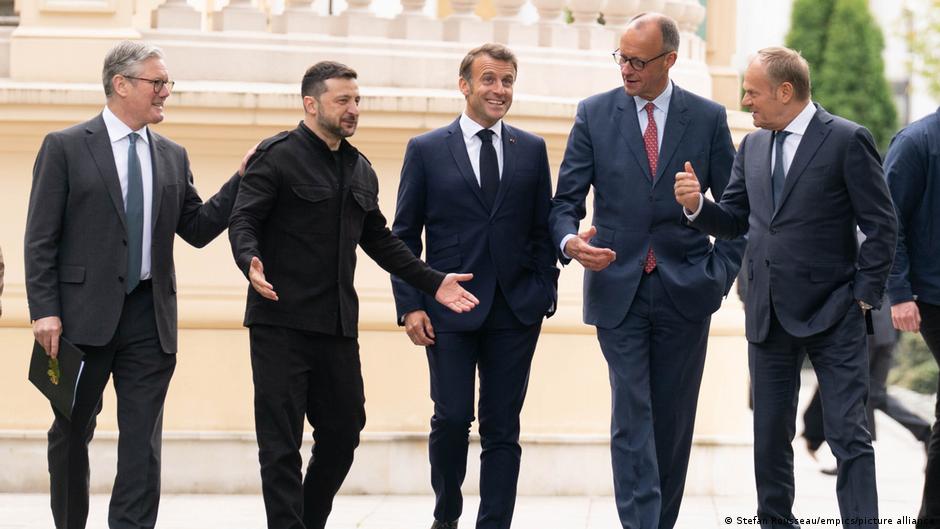
European allies, including France, the UK, and Germany, are considering deploying troops to Ukraine in a post-war scenario, with discussions focusing on multinational forces and security guarantees, but the absence of US support remains a significant obstacle to their plans.
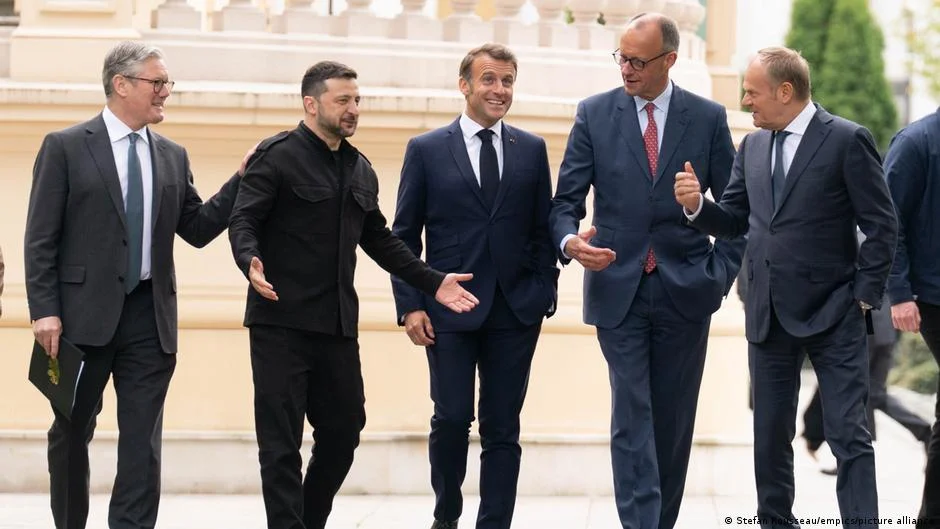
European countries including France, the UK, Germany, and Spain are planning to deploy troops to Ukraine in a postwar scenario, with France and the UK formalizing their intentions. However, the US has not committed to protecting these troops, raising concerns about the security guarantees for a potential European-led force. The coalition of the willing, comprising about 30 countries, aims to support Ukraine's defense and reconstruction, but key questions remain about the specifics of troop contributions and US involvement.
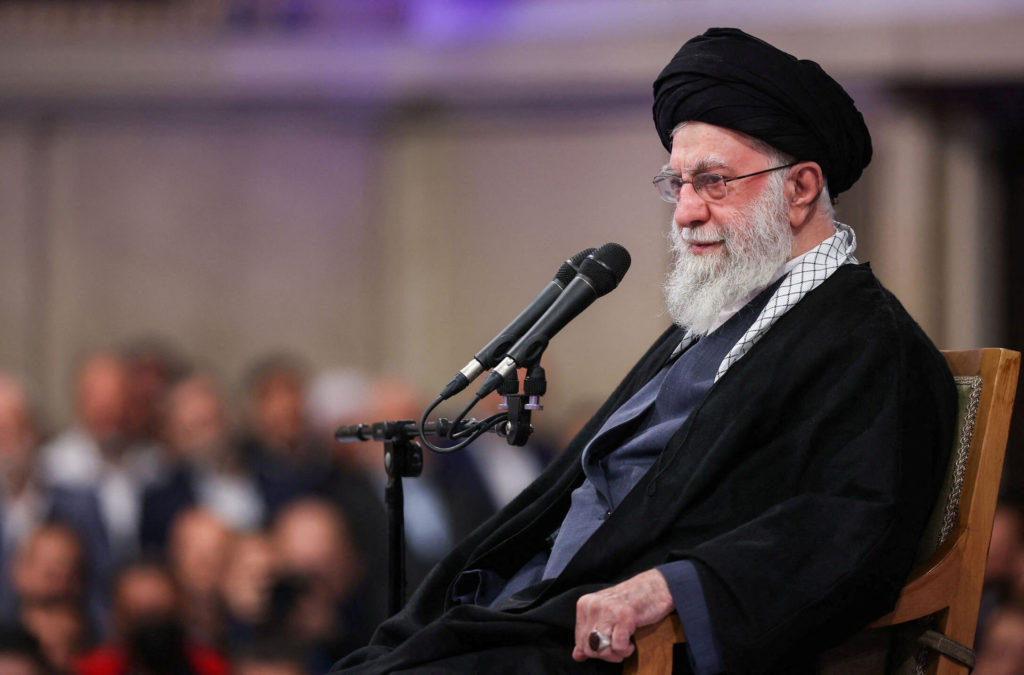
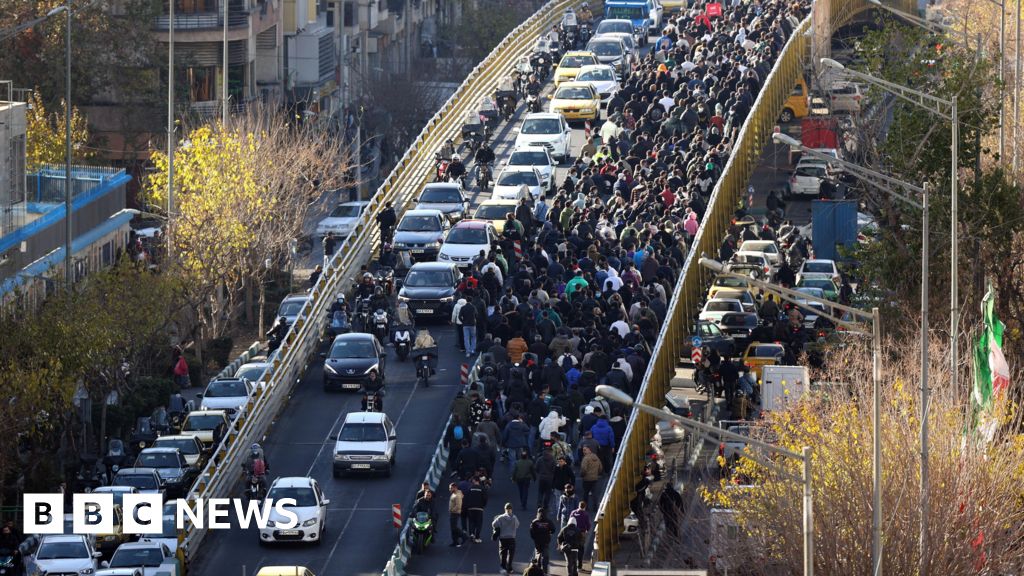
Iran's Supreme Leader signals a crackdown on protests amid rising death toll and internet shutdown, with tensions escalating as protesters chant against the government and call for intervention from the US and opposition figures like Reza Pahlavi.
The US has for the first time supported a coalition of European nations in promising security guarantees to Ukraine, including support in case of future Russian attacks, amid ongoing tensions and efforts to establish a ceasefire, with discussions on deploying troops and monitoring mechanisms, while Russia remains opposed to NATO presence in Ukraine.
Protests across Iran have escalated for the third day due to economic hardships, including currency devaluation and inflation, with demonstrations spreading to multiple cities, government officials considering dialogue, and international reactions including US support for protesters.
No significant breakthroughs were achieved in Ukraine peace negotiations in Miami, with ongoing disagreements and diplomatic uncertainties, despite some European openness to dialogue and continued US support for Ukraine. The talks remain stalled, and there are calls for increased pressure on Russia if negotiations fail.
The US and European allies have expressed support for Ukraine, promising security assistance similar to NATO's Article 5, while working on territorial agreements with Russia, including a proposed division of control over the Zaporizhzhia nuclear plant, amidst Ukraine's decision not to seek NATO membership.
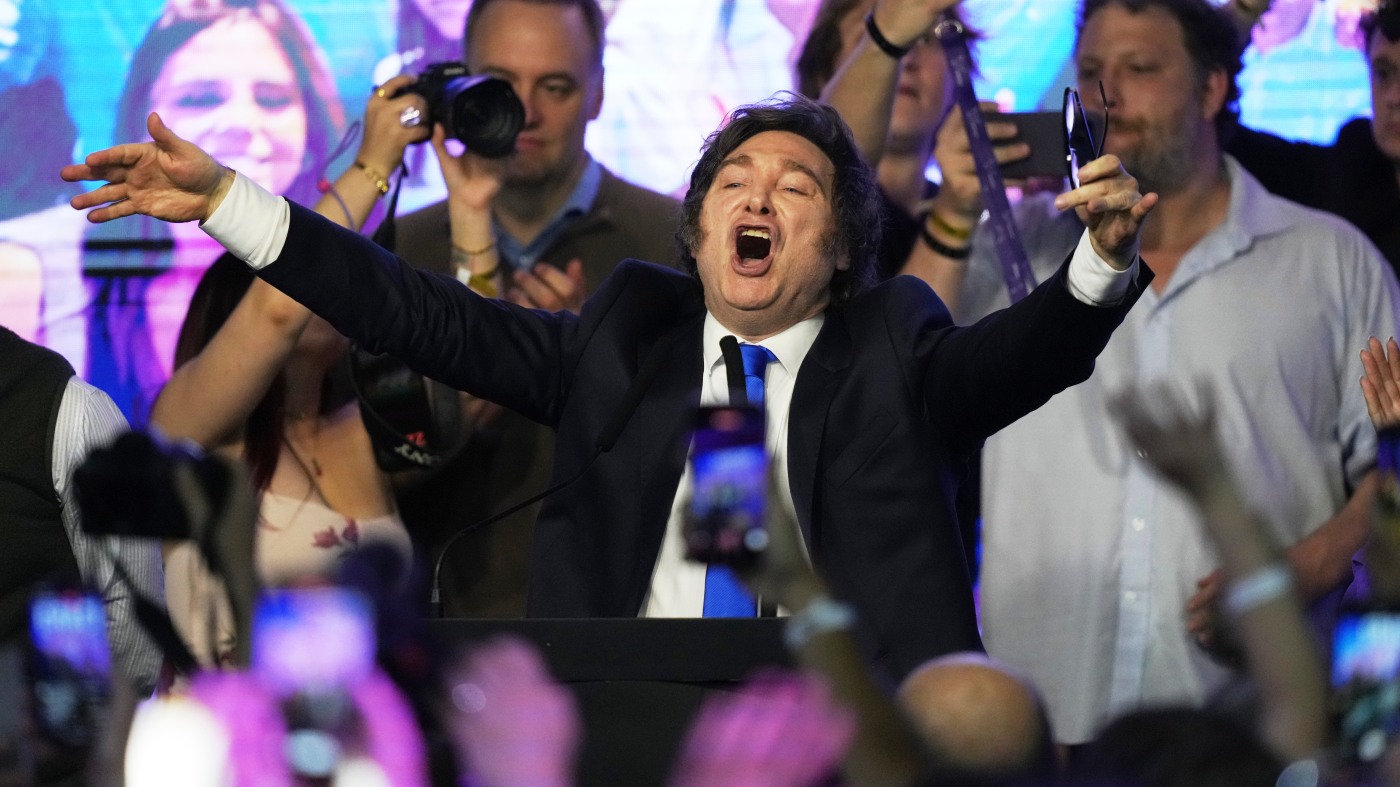
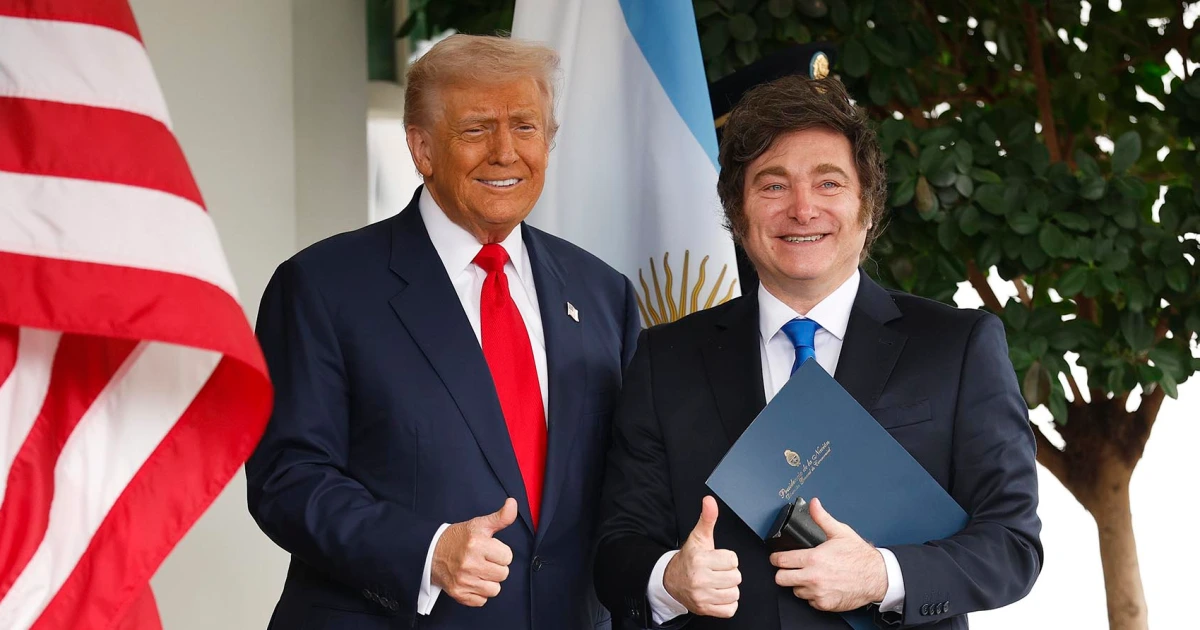
Argentina's libertarian President Javier Milei won significant victories in the midterm elections, strengthening his mandate to pursue radical free-market reforms with substantial backing from the U.S., amidst economic challenges and political polarization.
Javier Milei's libertarian party won Argentina's midterm elections with 41% of the vote, gaining a strong congressional foothold to pursue economic reforms, backed by US financial support and a shift in political momentum, marking a significant political comeback.
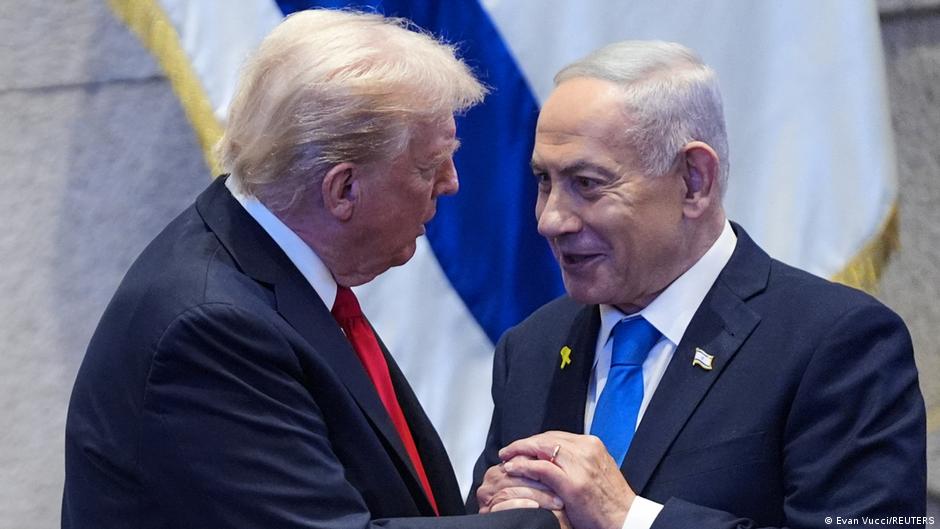
US President Donald Trump warned that Israel could lose all US support if it proceeds with annexing the West Bank, emphasizing the international controversy and US opposition to such a move amid ongoing tensions in Gaza and diplomatic discussions.
European leaders are advocating for a peace plan to end Russia's invasion of Ukraine following recent diplomatic setbacks and shifts in US support, including debates over military aid such as Tomahawk missiles, amid ongoing high-level talks involving the US, Russia, and Ukraine.
Ukrainian President Zelensky and US President Trump discussed US support for Ukraine, including potential provision of Tomahawk missiles, amid ongoing Russian military operations and diplomatic efforts to de-escalate the conflict. Russia continues its drone and missile campaigns impacting civilians, while also employing economic and military threats to deter Western aid. Ukraine's allies are increasing military aid, and Ukraine is engaging in strategic operations against Russian positions.
The Trump administration is planning to provide up to $40 billion in support for Argentina's economy, including a $20 billion additional support package, primarily through private-sector funding, amid ongoing economic and political challenges in Argentina. This move has sparked criticism domestically, especially among American farmers and policymakers, due to concerns over the use of US funds to support foreign debt and currency stabilization efforts.
The US has purchased Argentine pesos and finalized a $20 billion financial rescue plan to stabilize Argentina's currency crisis, supporting President Milei's reform agenda amid domestic and international scrutiny, with some US political backlash over the support's implications.
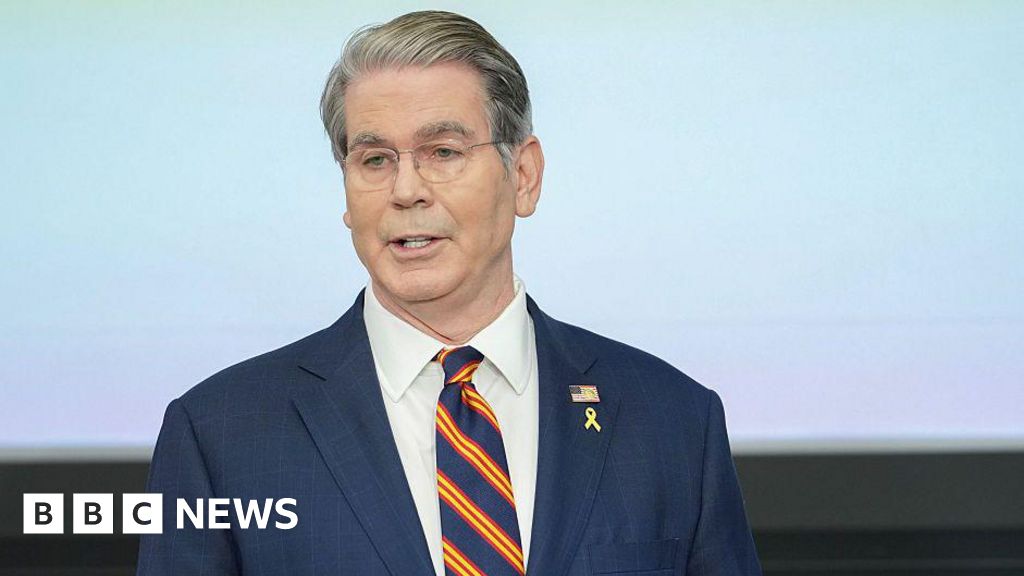
The U.S. government, through Treasury Secretary Scott Bessent, is supporting Argentina's President Javier Milei with financial tools like a swap line to promote economic stability and regional influence, viewing Argentina as a beacon for positive change in South America, despite market skepticism and economic challenges.