Since the Gaza ceasefire, Hamas has been consolidating power through rebuilding efforts, military reorganization, and public relations, while Israel faces strategic choices amid ongoing tensions and international involvement led by the US, with obstacles including disarmament, multinational force deployment, and governance structure.
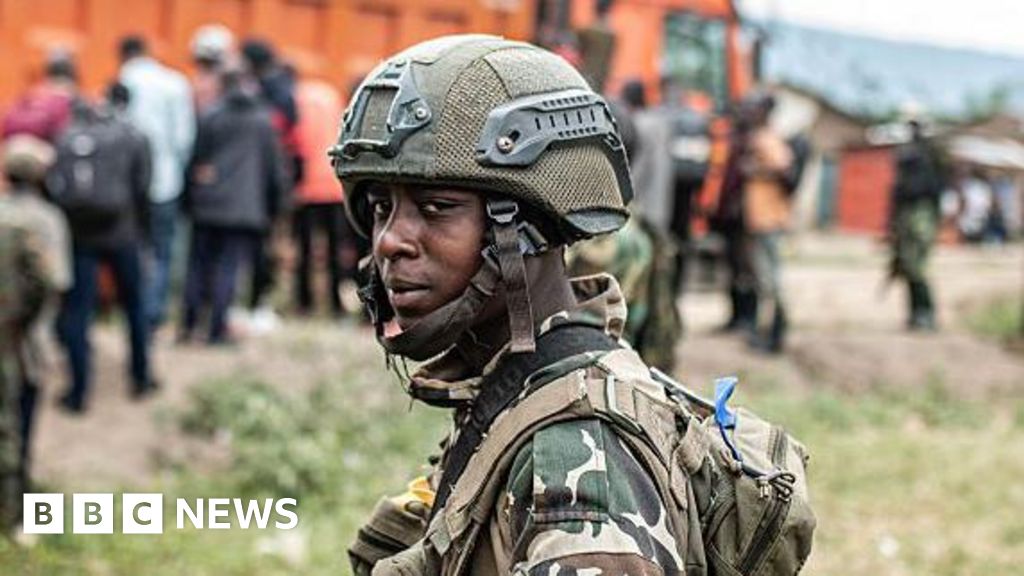
Rebel forces in eastern DR Congo have announced they will withdraw from Uvira city at the request of the US, as part of efforts to support a peace process and reduce conflict in the region, which is rich in valuable minerals and has experienced decades of instability.
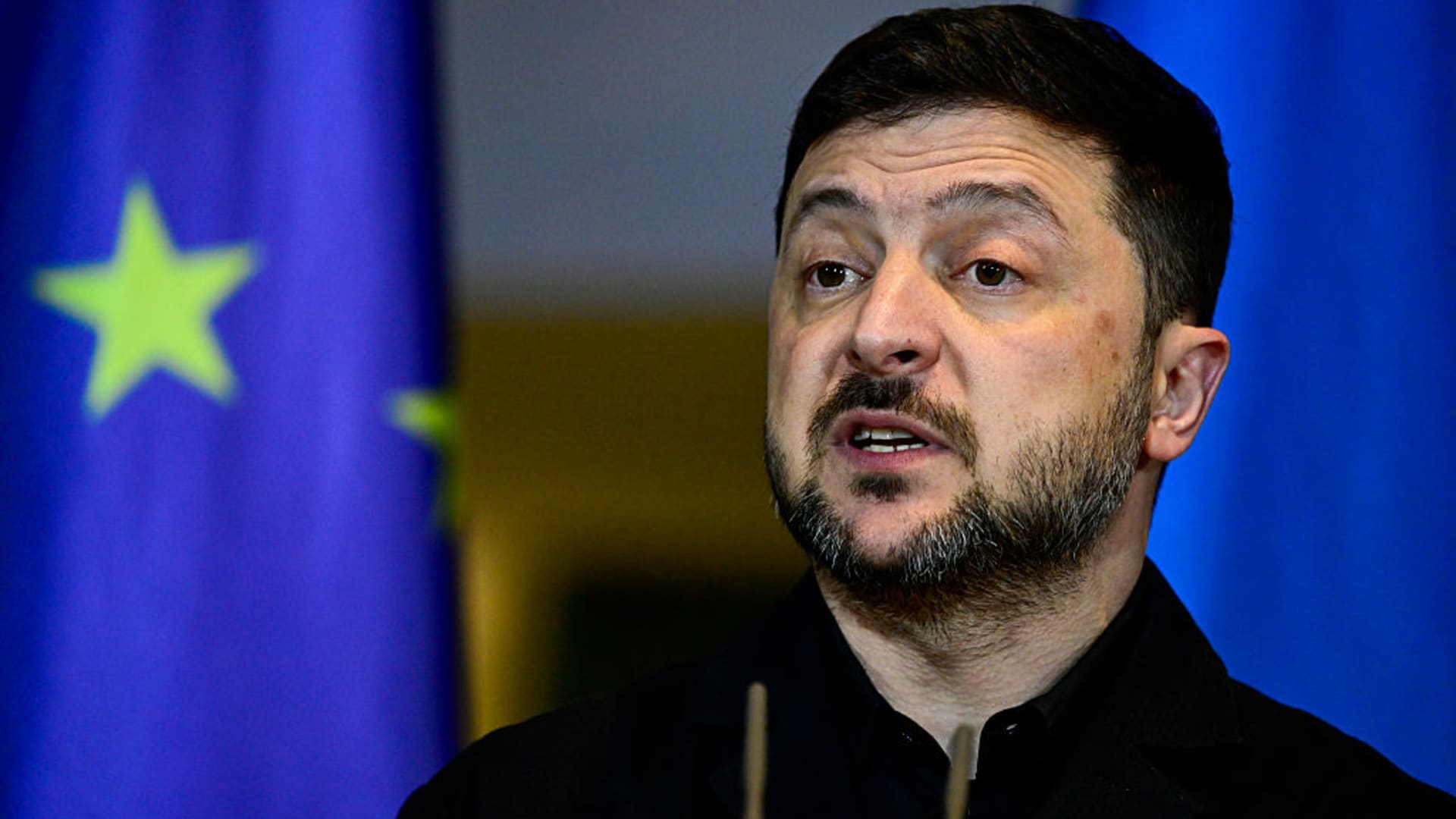
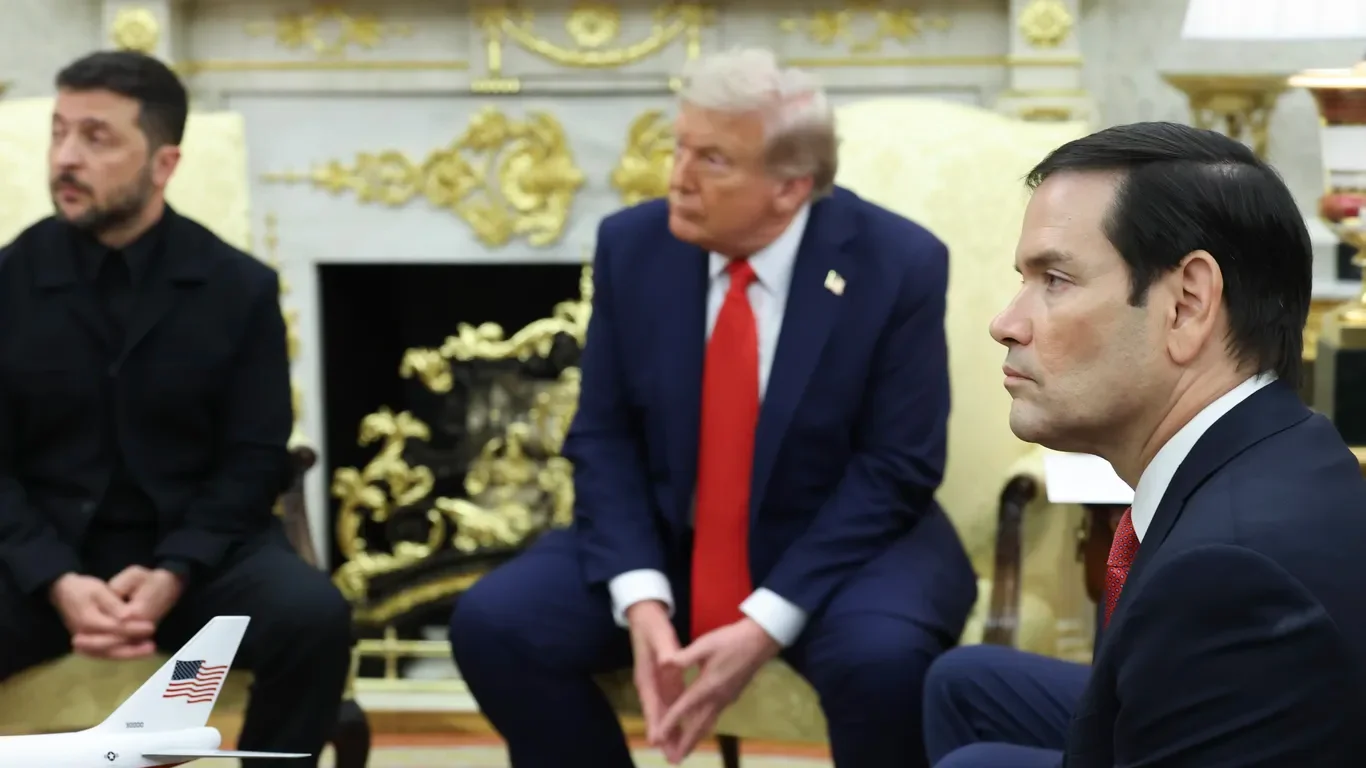
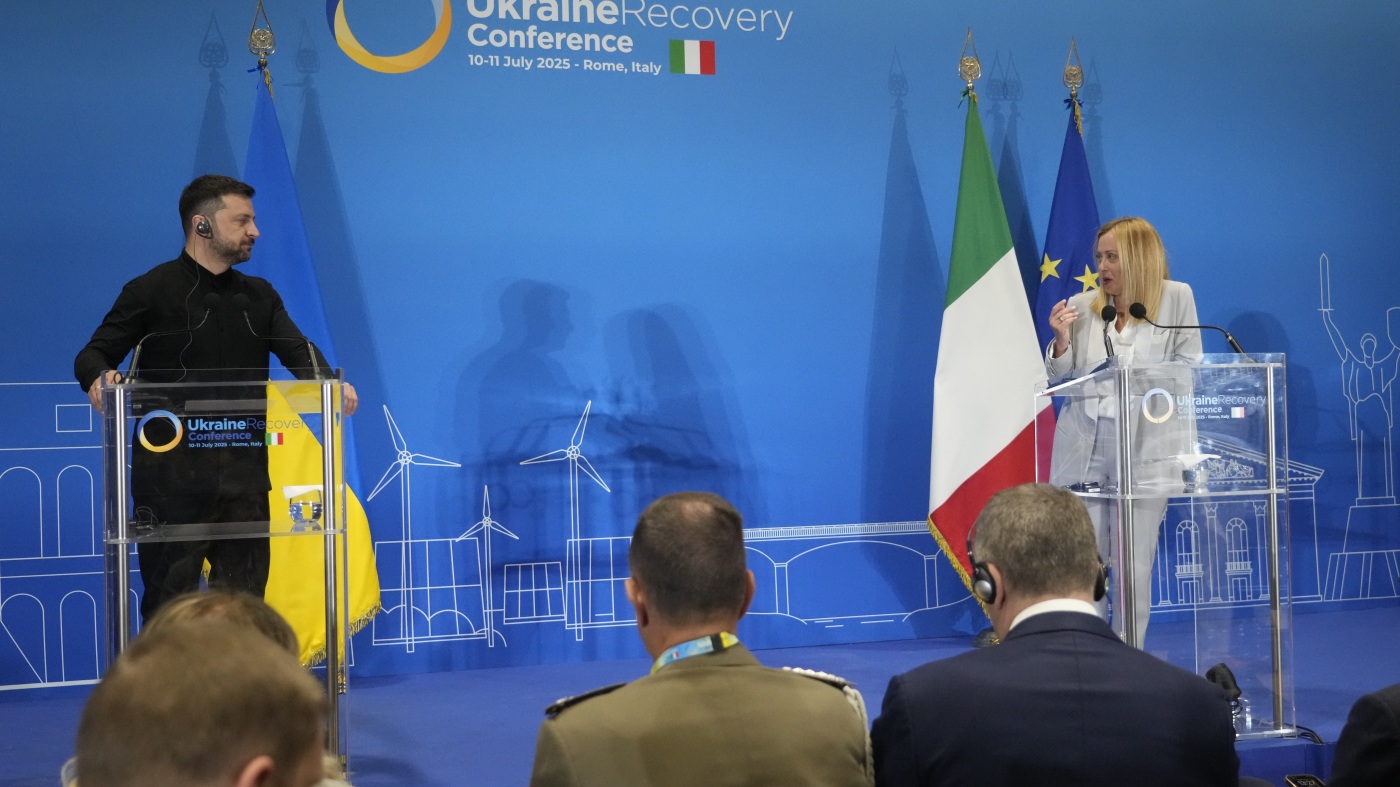
U.S. officials report that Ukraine and Russia are close to reaching a peace agreement, with Ukraine dropping NATO membership ambitions and Russia open to EU accession, though final territorial and security guarantees are still being negotiated, and key issues remain unresolved.
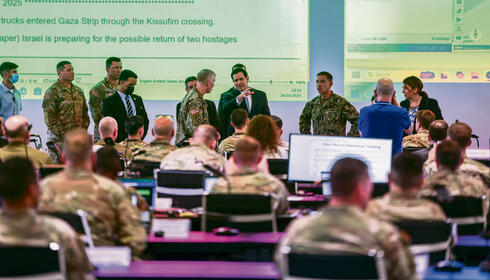
The US plans to build a $500 million military base near Gaza to house thousands of troops, signaling a significant escalation in US involvement in the Israeli-Palestinian conflict and potentially shifting control over Gaza's humanitarian and security operations.
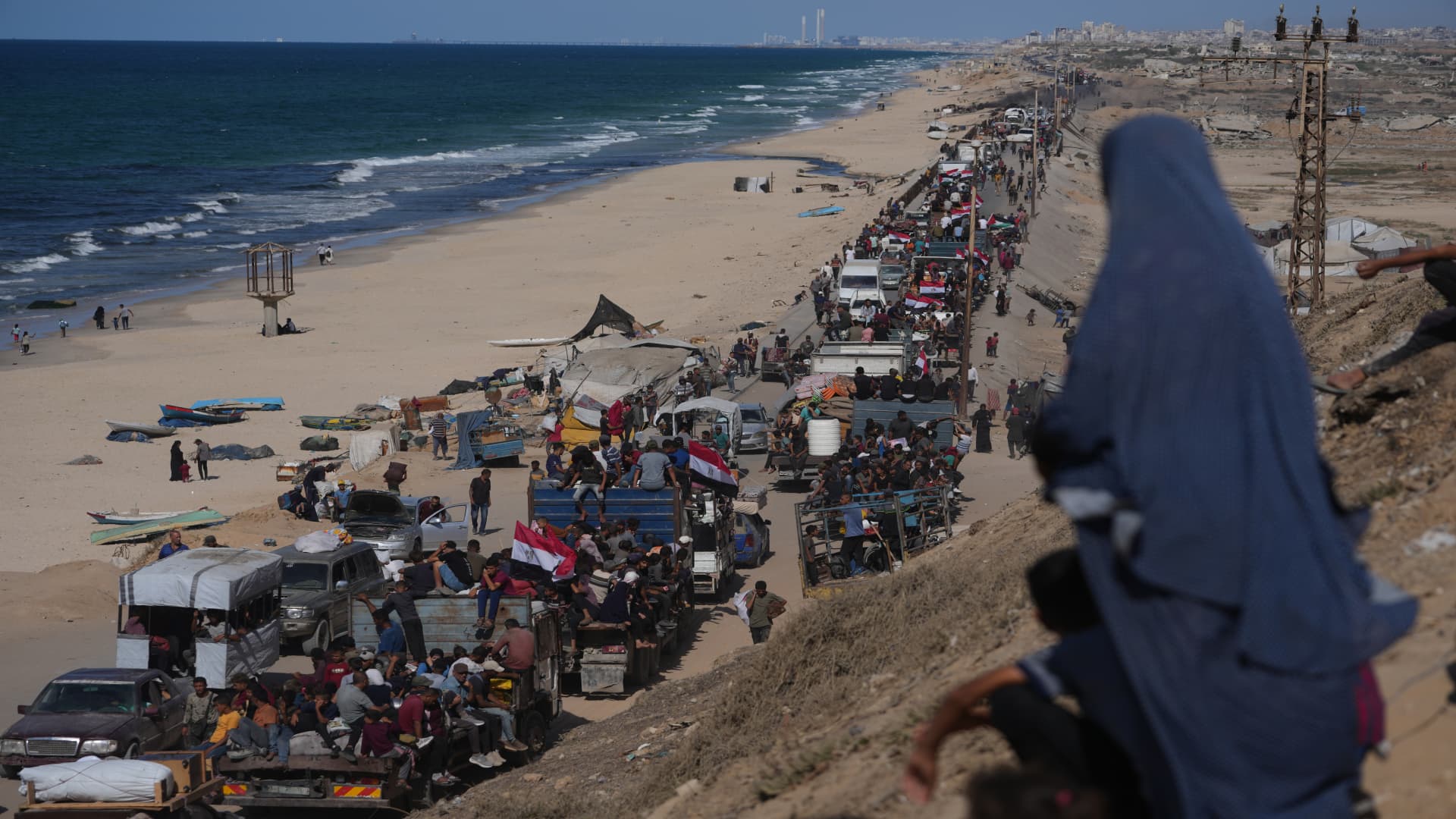
The Gaza ceasefire is holding into its second day, with displaced Palestinians returning home and the expected release of remaining hostages by Israel, amid ongoing destruction and international efforts to provide aid and establish security arrangements. The situation remains complex, with questions about Gaza's future governance and disarmament of Hamas.
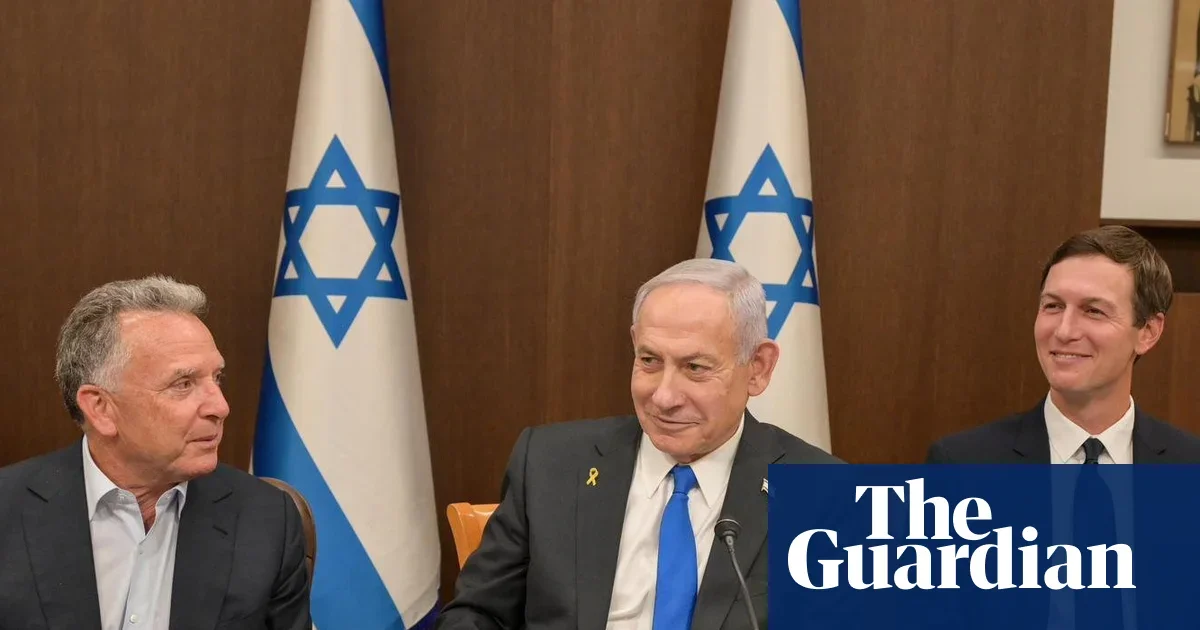
A ceasefire between Israel and Hamas in Gaza has been established, involving key figures such as US officials Trump and Kushner, Israeli Prime Minister Netanyahu, Hamas negotiator Hayya, and regional leaders including Qatar's Sheikh Al Thani and former British PM Tony Blair, with the deal influenced by US and regional diplomacy efforts.
Russia launched a significant drone and missile attack on western Ukraine, targeting an American-owned electronics plant and other military sites, amid ongoing peace efforts and international tensions. The attack highlights Russia's resistance to peace negotiations and the complex international response, including discussions on security guarantees for Ukraine and potential direct talks involving Zelenskyy and Putin.
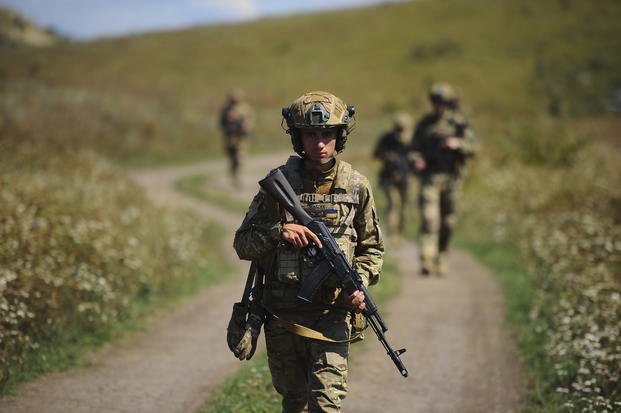
Senior officials from the U.S., Ukraine, and Europe are working on a proposal for security guarantees for Ukraine, likely involving U.S. air support, with Trump indicating willingness to assist without deploying troops. Discussions include potential security arrangements with Russia and European countries, but no final agreement or meeting date has been set. The talks aim to address Ukraine's security needs amid ongoing tensions with Russia.
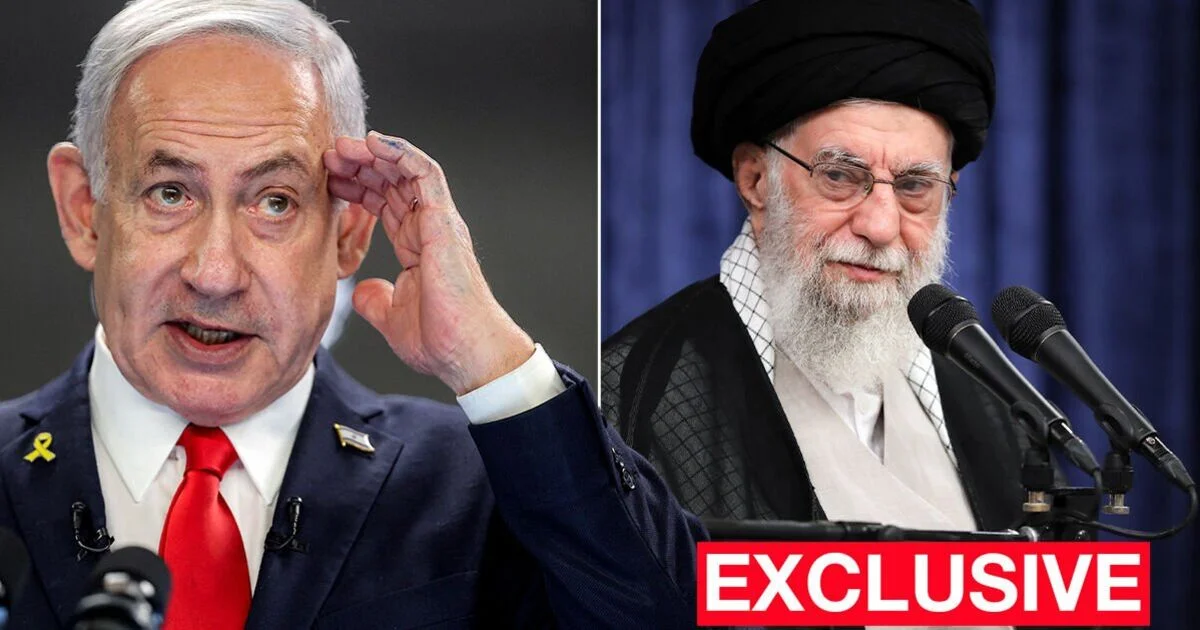
An expert warns that a new war between Israel and Iran could erupt as early as late August, with Israel heavily reliant on U.S. support and Iran preparing for a decisive strike, raising concerns of a broader regional conflict and U.S. escalation.
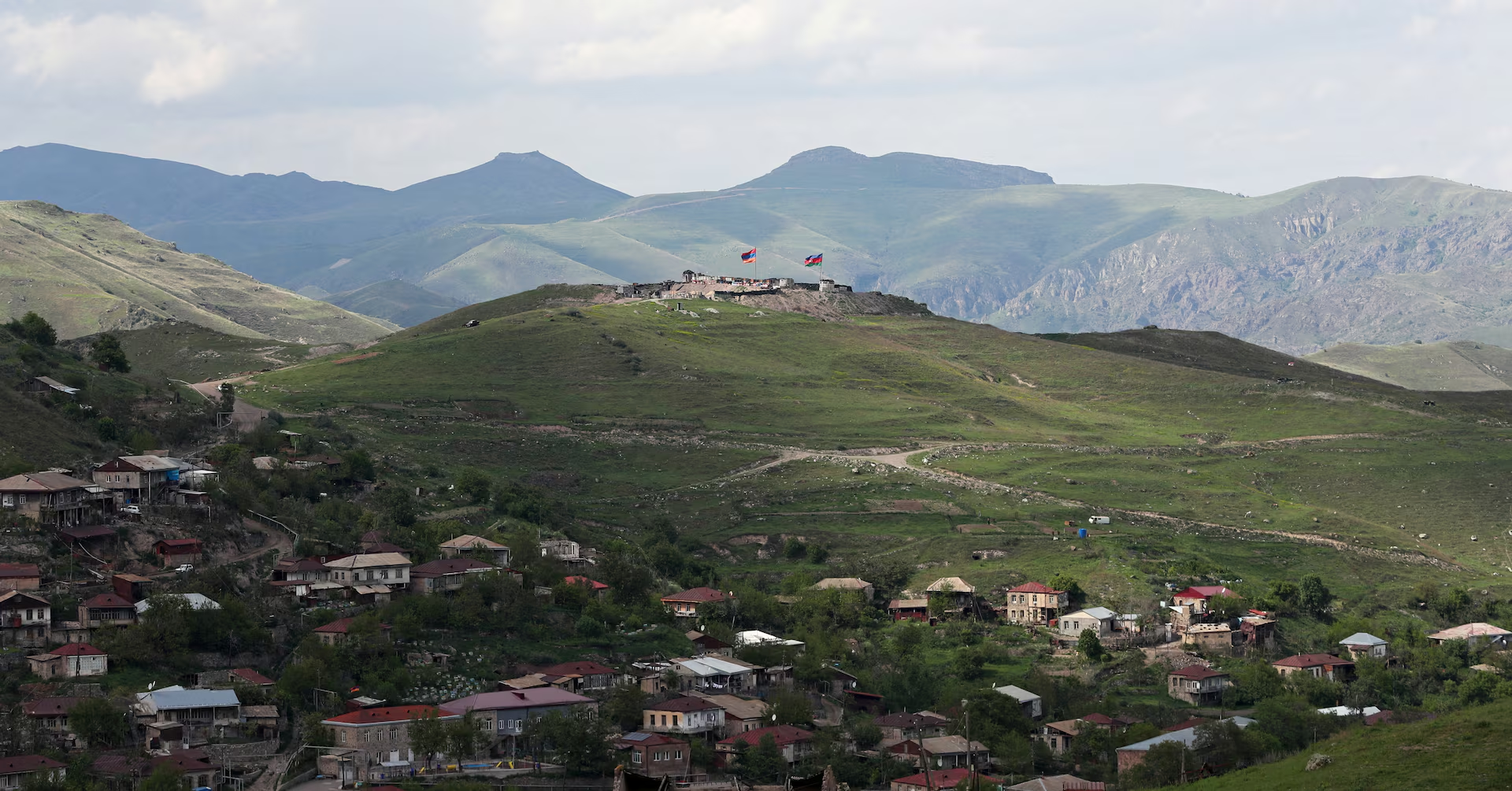
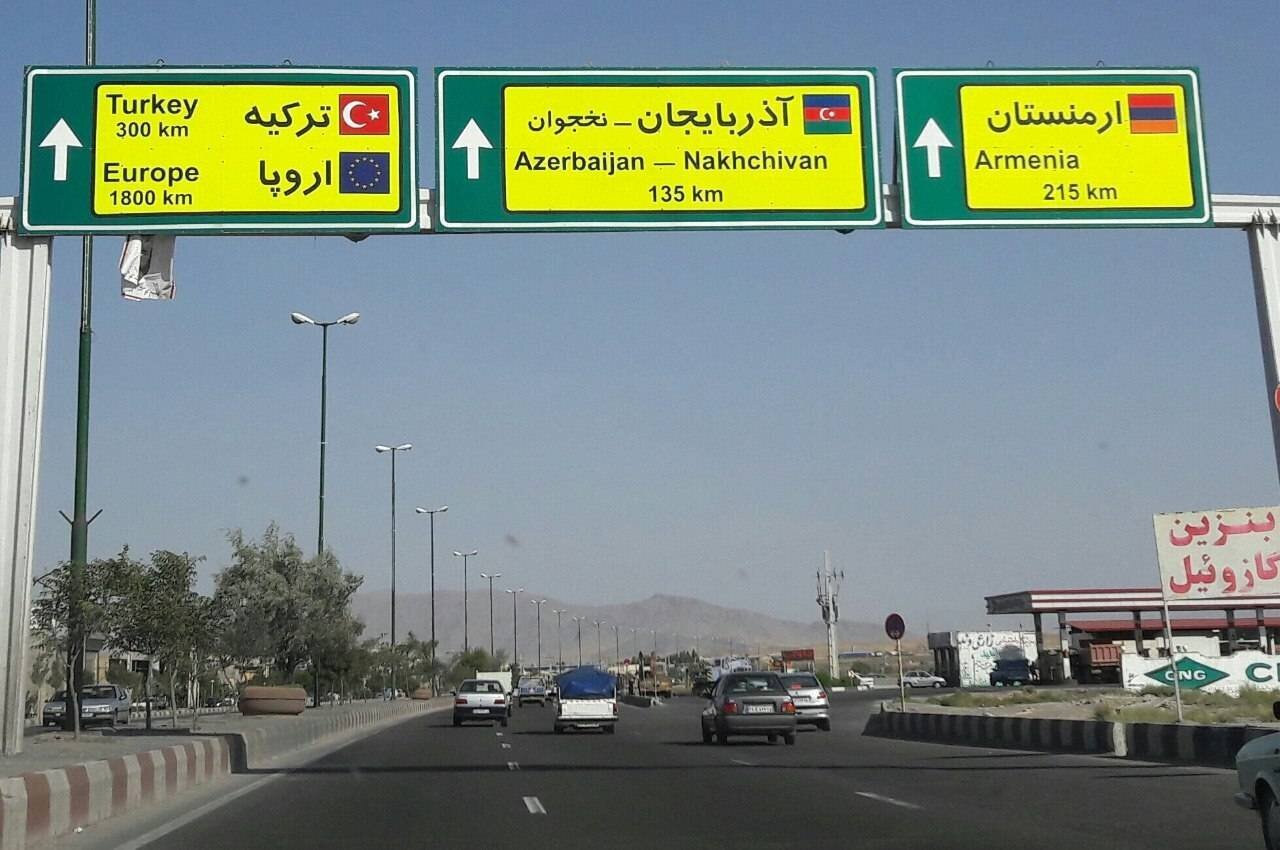
The US has brokered a peace framework between Armenia and Azerbaijan, including exclusive US rights to develop a strategic transit corridor through the South Caucasus, named the Trump Route for International Peace and Prosperity (TRIPP), aiming to promote regional stability and economic development.
The US has proposed taking control of the contentious Zangezur corridor, a route connecting Azerbaijan to Nakhchivan through Armenia, which Iran opposes due to its impact on regional borders and stability. The proposal aims to facilitate negotiations between Armenia and Azerbaijan but raises concerns about regional security and Iran's interests, especially amid tensions involving Azerbaijan, Israel, and Syria.
European allies, including the U.S., agreed to establish a headquarters in Paris for a multinational force to support Ukraine's recovery and security after a ceasefire, emphasizing Western unity and deterrence without committing U.S. troops on the ground.
Experts suggest Israel's military campaign against Iran is unlikely to achieve its long-term goals, even with US support, due to regional destabilization risks, Iran's resilience, and the limitations of air power, raising concerns about escalation and the potential for prolonged conflict.
The ongoing conflict between Iran and Israel has heightened fears across the Middle East of regional escalation, with concerns about US intervention and the potential for wider war, amid shifting alliances and international inaction.
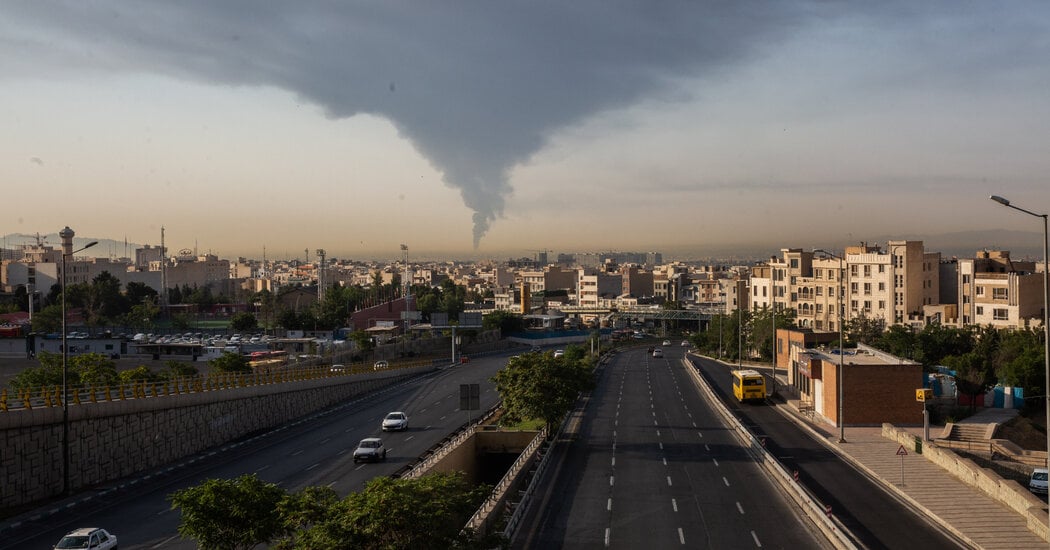
Israel conducted overnight strikes in Tehran targeting military sites, while Iran launched missiles at Israel, leading to increased tensions. The U.S. is deploying additional carrier groups to the Middle East, and President Trump is considering involvement, with international officials monitoring Iran's nuclear activities amid ongoing conflict.