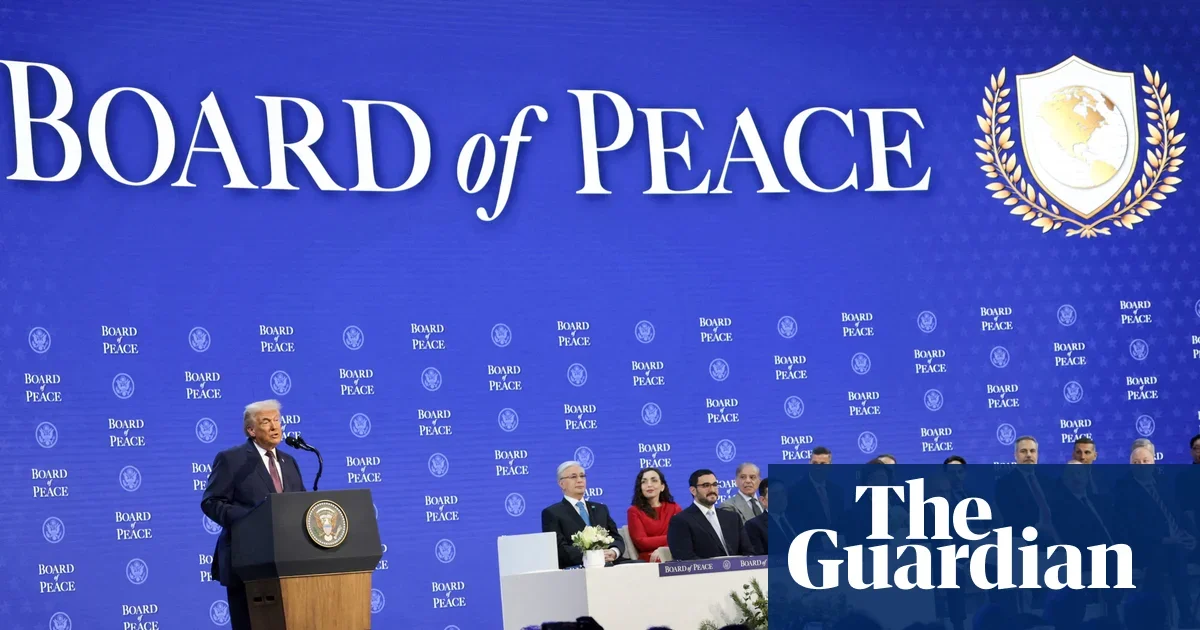
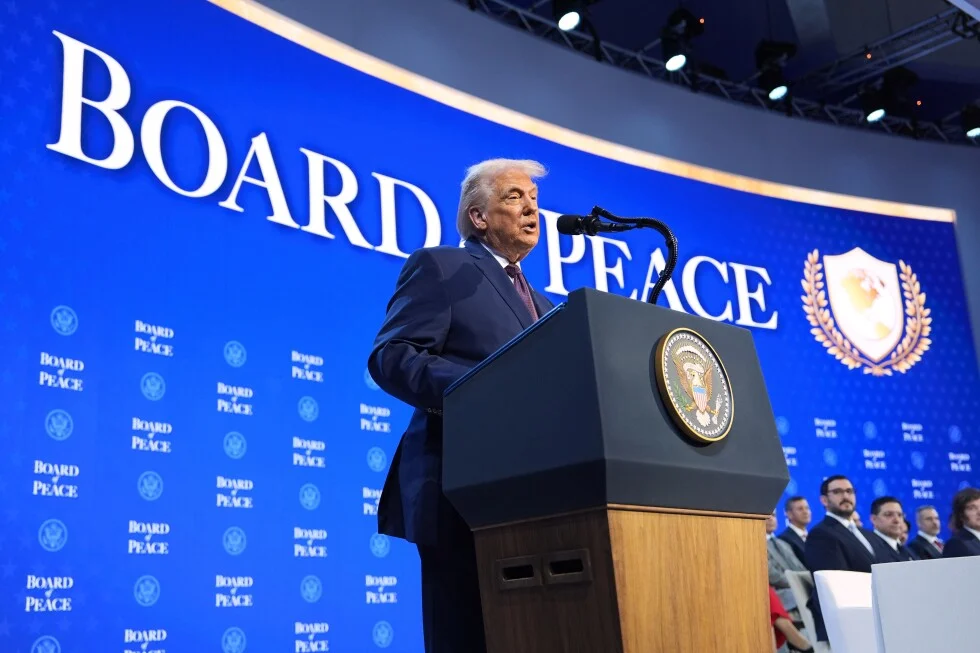
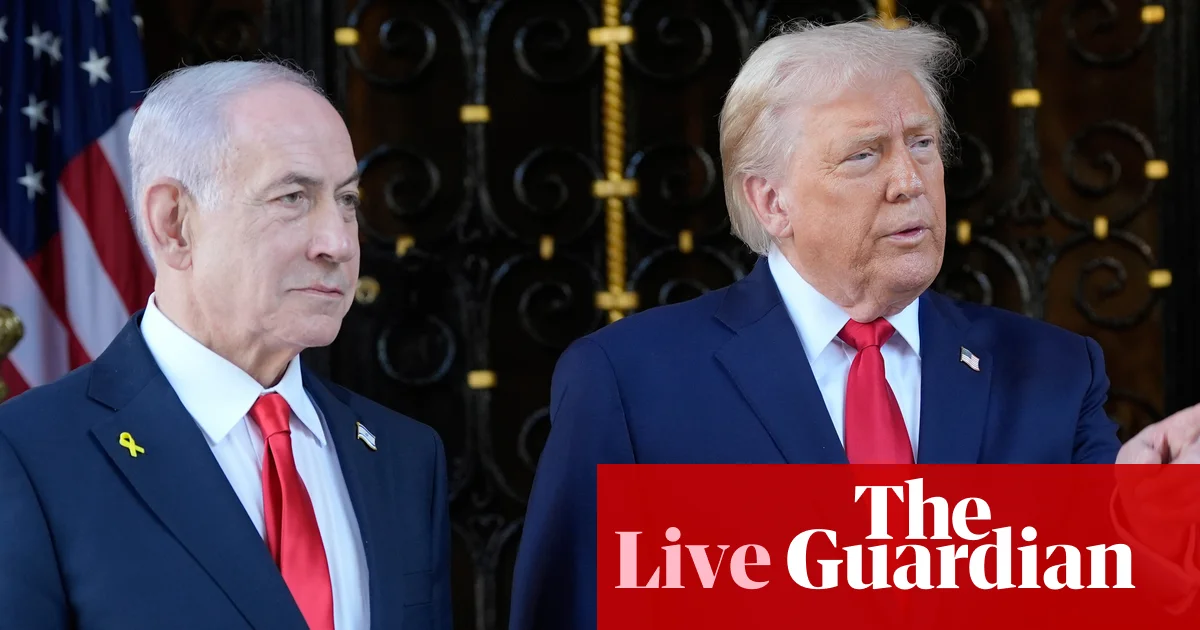
Donald Trump and Benjamin Netanyahu discussed five major issues including Gaza reconstruction, which Trump believes will start 'pretty soon,' amid ongoing Middle East tensions and geopolitical developments, while also addressing other topics like Venezuela, Iran, and the Gaza ceasefire.
Since the Gaza ceasefire, Hamas has been consolidating power through rebuilding efforts, military reorganization, and public relations, while Israel faces strategic choices amid ongoing tensions and international involvement led by the US, with obstacles including disarmament, multinational force deployment, and governance structure.
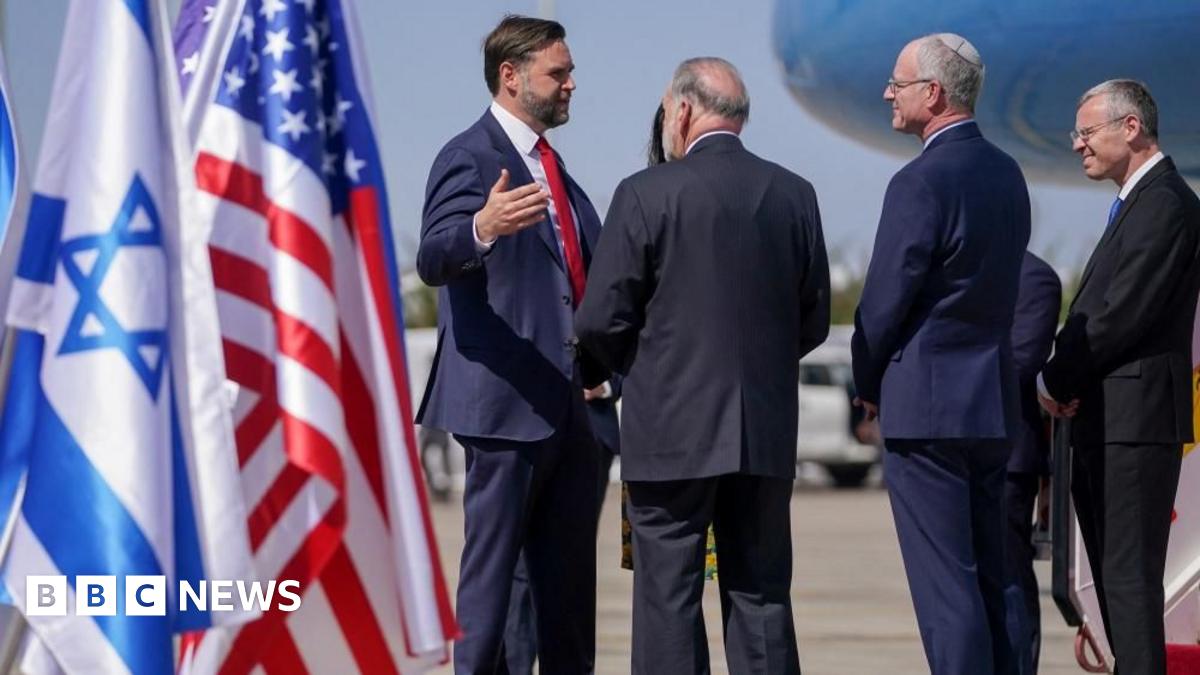
The article discusses the ongoing efforts to rebuild Gaza amid extensive destruction, recent violence threatening the Gaza ceasefire, and US diplomatic efforts led by Vice President JD Vance to strengthen the fragile peace agreement and promote long-term solutions in the Israel-Hamas conflict.
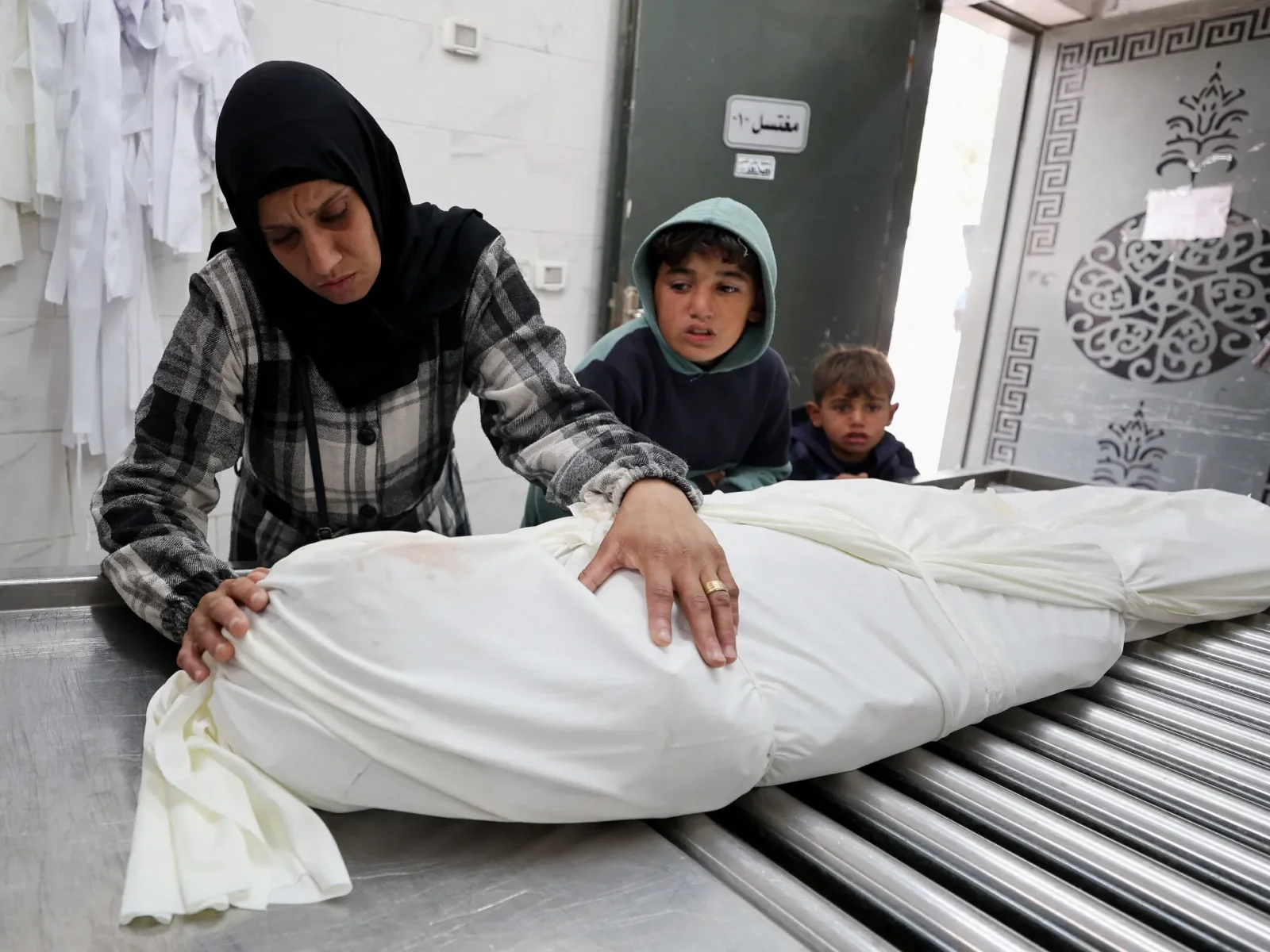
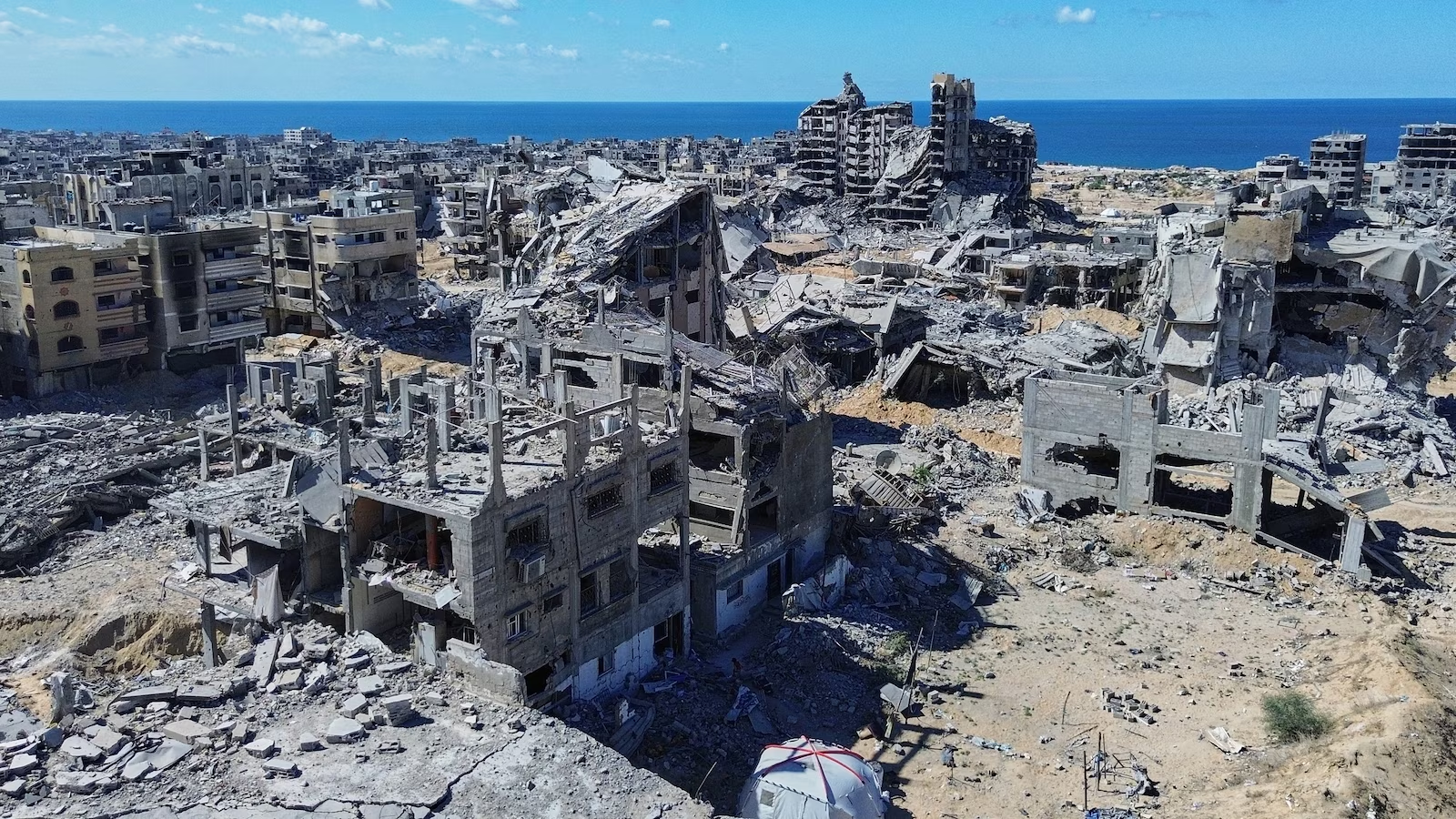
Rebuilding Gaza is expected to take decades and cost around $70 billion due to extensive destruction from recent conflicts. The process faces numerous challenges, including clearing rubble, restoring services, and ensuring safety, with international aid and regional funding potentially playing key roles in the recovery effort.
Israel plans to halve aid into Gaza due to slow return of dead hostages, amid ongoing ceasefire and negotiations involving Hamas, with international concerns over humanitarian and political developments.
A ceasefire between Israel and Hamas has led to the release of some hostages and prisoners, with ongoing complex issues including Gaza's reconstruction, disarmament of Hamas, and future governance, amid international efforts and regional tensions.
Tony Blair has emerged as a potential leader for a proposed UN-mandated administration to stabilize Gaza, aiming to include a multinational security force, as part of broader efforts to rebuild and stabilize the war-torn region.
Israeli Finance Minister Smotrich confirmed discussions with the US on a plan to transform Gaza into a lucrative real estate and tourism hub, following a proposal circulating within the Trump administration to place Gaza under US trusteeship and rebuild it as a high-tech and tourist center, with negotiations already underway on land sharing and urban renewal.
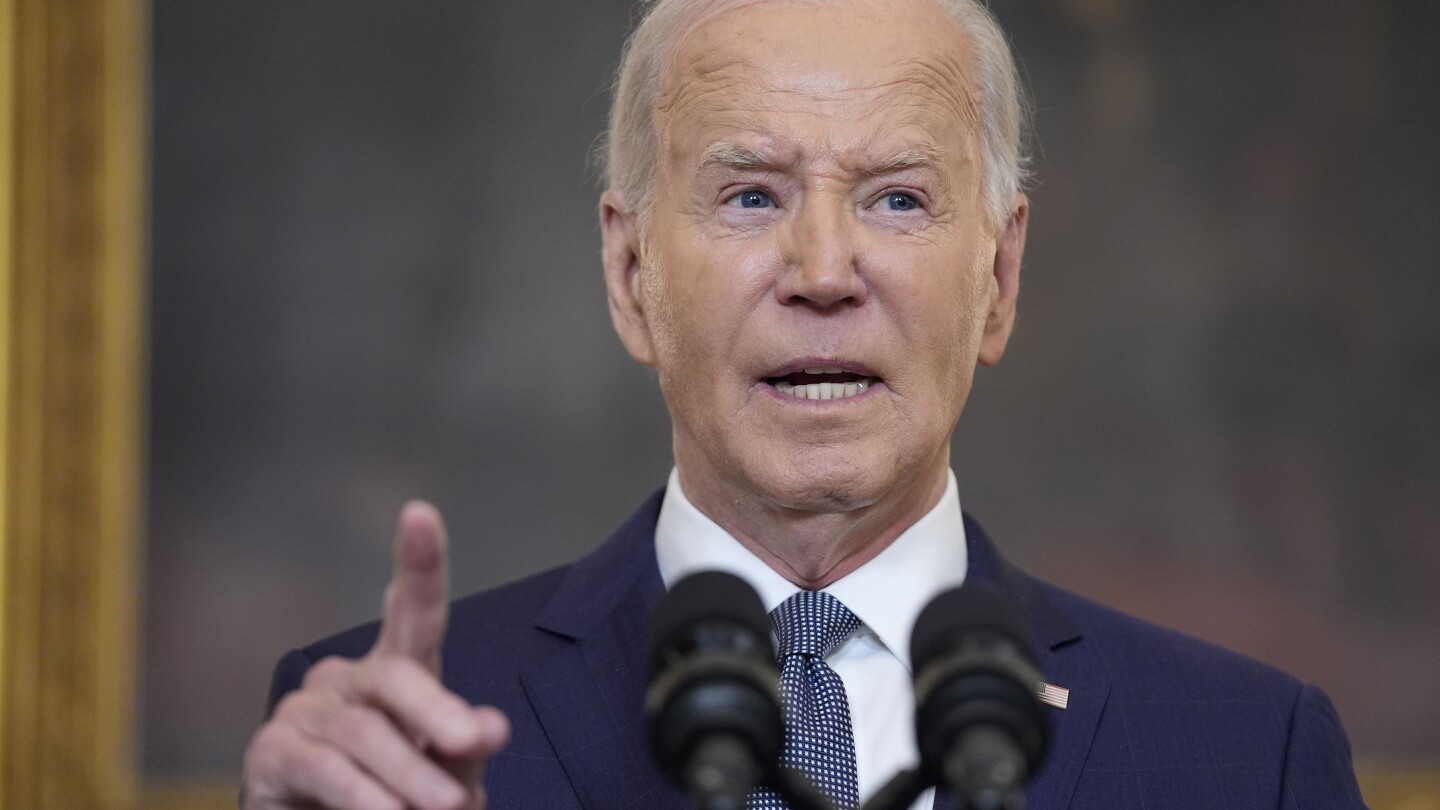
President Joe Biden outlined a three-phase deal proposed by Israel to Hamas aimed at ending the Israel-Hamas war and securing the release of hostages in Gaza. The plan includes a six-week ceasefire, withdrawal of Israeli forces, and a phased release of hostages in exchange for Palestinian prisoners. The final phase involves major reconstruction efforts in Gaza. Biden emphasized the difficulty of negotiations and urged both sides to commit to the deal, while Israeli officials remain focused on military objectives. Hamas responded positively but called for a permanent ceasefire and complete Israeli withdrawal.
Saudi Arabia's top diplomat stated in a CNN interview that the kingdom will not normalize relations with Israel or contribute to Gaza's reconstruction without a credible pathway to a Palestinian state, a stance rejected by Israeli Prime Minister Benjamin Netanyahu. The ongoing war between Israel and Hamas, with over 25,000 killed in Gaza, has intensified the dispute over Gaza's future and strained relations between Israel and its allies. Netanyahu faces mounting domestic pressure over the plight of Israeli hostages, with families protesting and calling for new elections, while the U.S. urges a shift to more precise military operations and broader postwar plans.
Saudi Arabia's top diplomat stated that the kingdom will not normalize relations with Israel or contribute to Gaza's reconstruction without a credible pathway to a Palestinian state, which is a nonstarter for Israel's government. The ongoing dispute over Gaza's future poses a major obstacle to any plans for postwar governance or reconstruction, and the war between Israel and Hamas has resulted in significant casualties and humanitarian crises. Israeli Prime Minister Benjamin Netanyahu faces mounting domestic pressure over the plight of Israeli hostages, with families of the hostages protesting and calling for their release.
The U.S. conducted airstrikes against Houthi missile sites in Yemen for the fifth time in a week, amid escalating tensions in the Middle East involving Israel, Hamas, Hezbollah, Iran, and Pakistan. The Houthis, defying demands to cease attacks on shipping lanes, have portrayed their campaign as a battle to force Israel to end its Gaza campaign. Israel's president singled out Iran as the source of threats, while Pakistan retaliated with strikes inside Iran after Iranian forces attacked what they said were militant camps in Pakistan. In Gaza, a hospital has become a refuge for displaced people, and it's estimated that it will cost $15 billion to rebuild destroyed housing units. Additionally, a communications blackout in Gaza has left civilians unable to call for help and aid workers struggling to reach them.