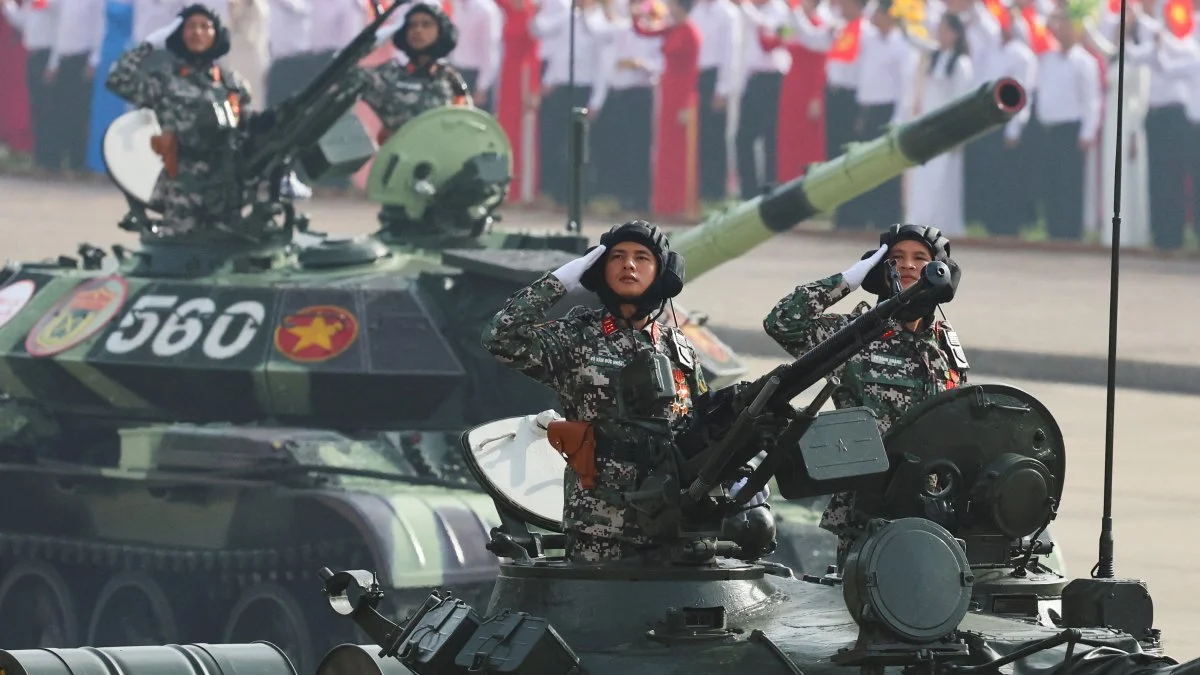
Leaked documents cited by The Times show Vietnam’s defence ministry drafted a 2024 plan for a potential US invasion, even as Hanoi publicly deepened ties with Washington; Project88 says the document exists, and analysts note it reflects deep suspicion of US aims and internal tensions within Vietnam’s leadership.
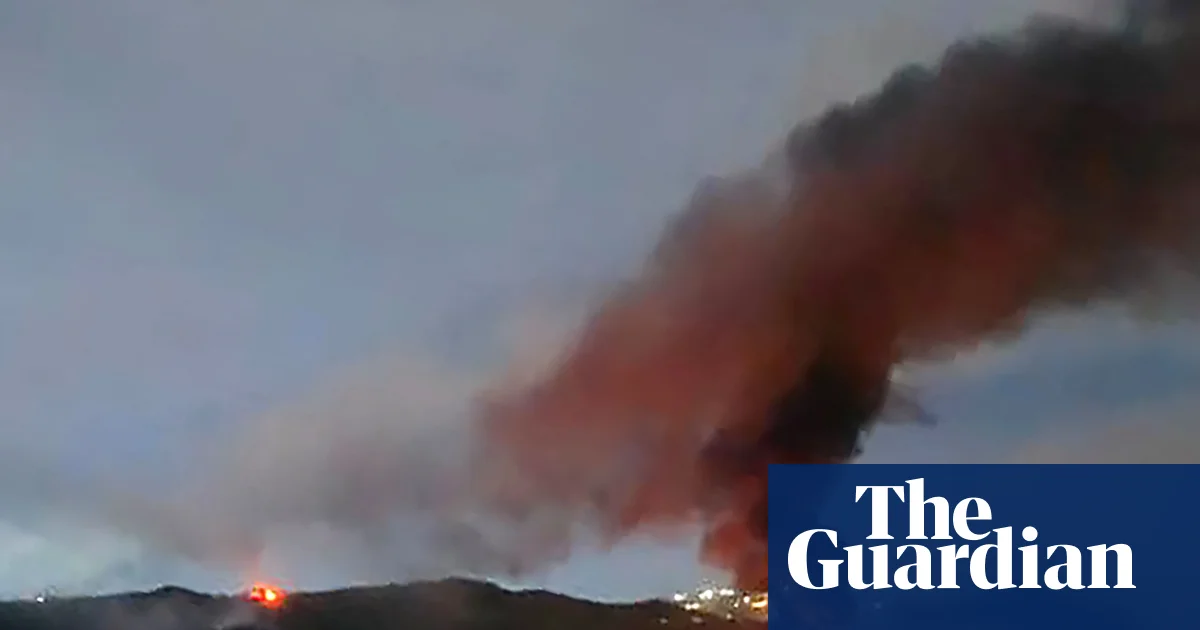
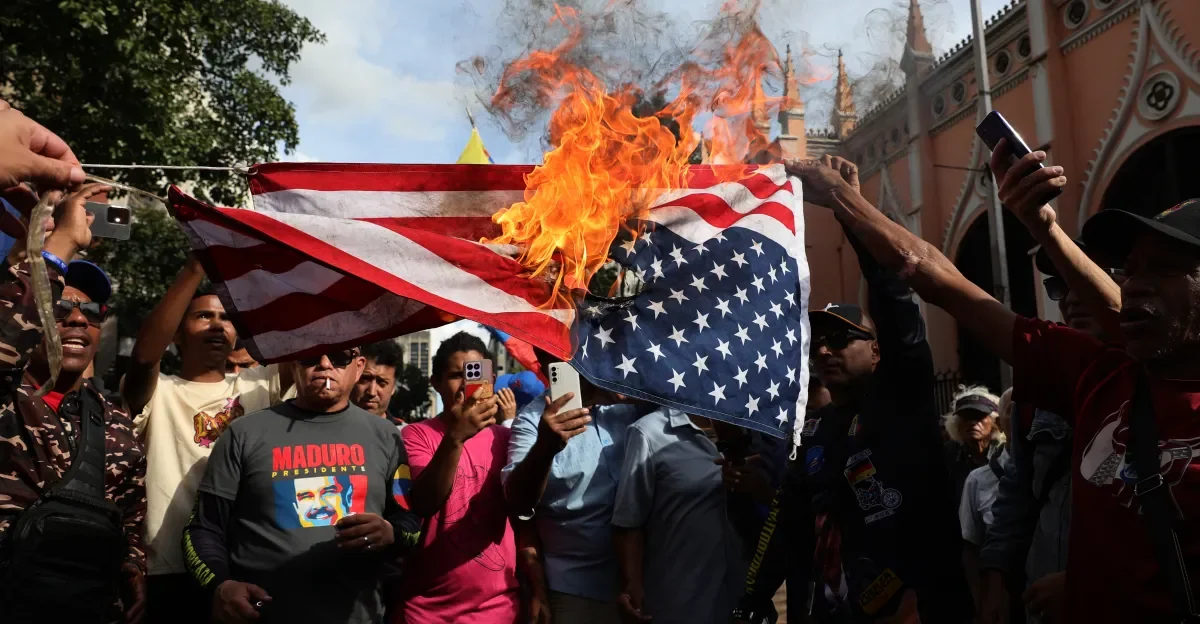
The article discusses the recent US military operation in Caracas, which marks the realization of long-standing Venezuelan fears of US invasion, highlighting the historical context of US-Venezuela relations, political rhetoric, and the surreal nature of the event amid ongoing tensions.
The article questions the true motives behind the US invasion of Venezuela, highlighting the lack of clear justification from the US government, with speculations that it may not be about drug trafficking or democracy as officially claimed.
The article argues that the US invasion of Venezuela is primarily driven by the desire to protect the US dollar's dominance through the petrodollar system, which is under threat as Venezuela and other countries move away from dollar-based oil transactions and join de-dollarization efforts with BRICS. Historically, challenges to the petrodollar have led to regime changes, and the current invasion is seen as a last-ditch effort to maintain US economic hegemony through violence and control of strategic resources. The article suggests this may accelerate global de-dollarization and weaken US influence.
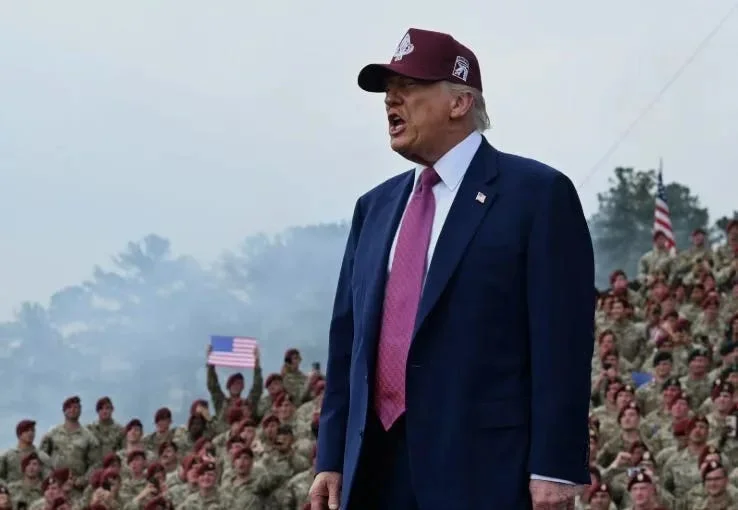
The article argues that the US invasion of Venezuela under Trump is a violation of international law, reflecting a broader pattern of disregarding global legal norms by authoritarian leaders like Putin, Netanyahu, and Trump himself. It highlights the erosion of international rules through actions such as illegal blockades, attacks on ships, and support for war crimes, emphasizing Canada's historical role in establishing the International Criminal Court and urging Canada to prepare for future threats by building alliances and citizen volunteer forces.
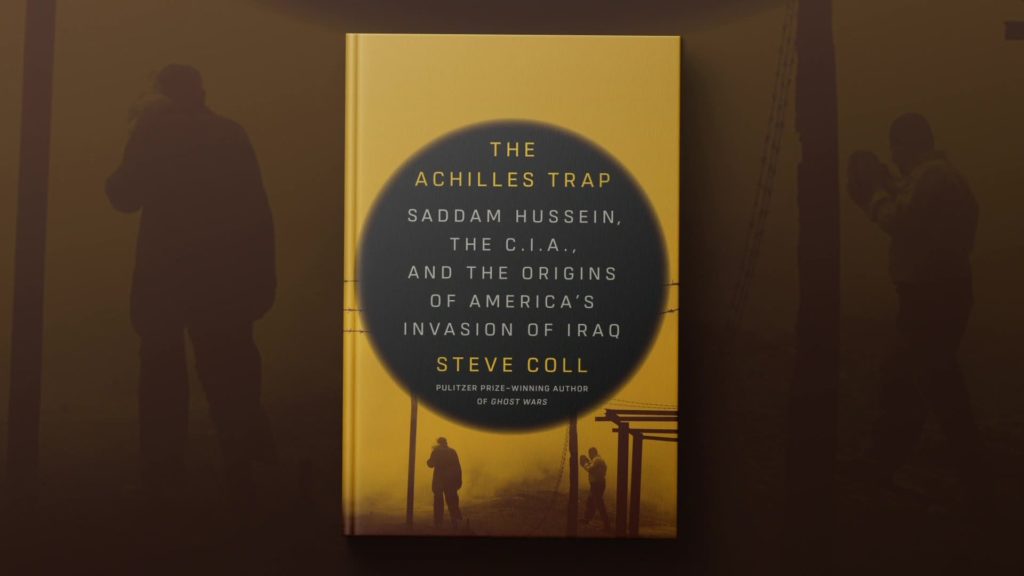
Author Steve Coll's new book, "The Achilles Trap," delves into Saddam Hussein's perspective on his complex relationship with the United States, using previously unreleased audio tapes and transcripts of internal meetings. The book offers a fresh look at Hussein's views and sheds light on the events leading up to the 2003 U.S. invasion of Iraq, which was based on the claim that Hussein possessed weapons of mass destruction.
The US invasion of Afghanistan and its subsequent withdrawal has raised concerns about US overreach and the wasting of resources in forever wars. This analogy is now affecting US involvement in Israeli decision-making regarding the Gaza war, with the US sending Lt.-Gen. James Glynn to advise the IDF. While American guidance could be beneficial in terms of postwar planning and improving tactics, there are concerns that it may also lead to a reduction and delay in Israel's invasion, limiting its ability to eliminate Hamas's military apparatus. The delay in making a clear decision has both costs and benefits, and the responsibility lies with the Israeli government and military leadership.
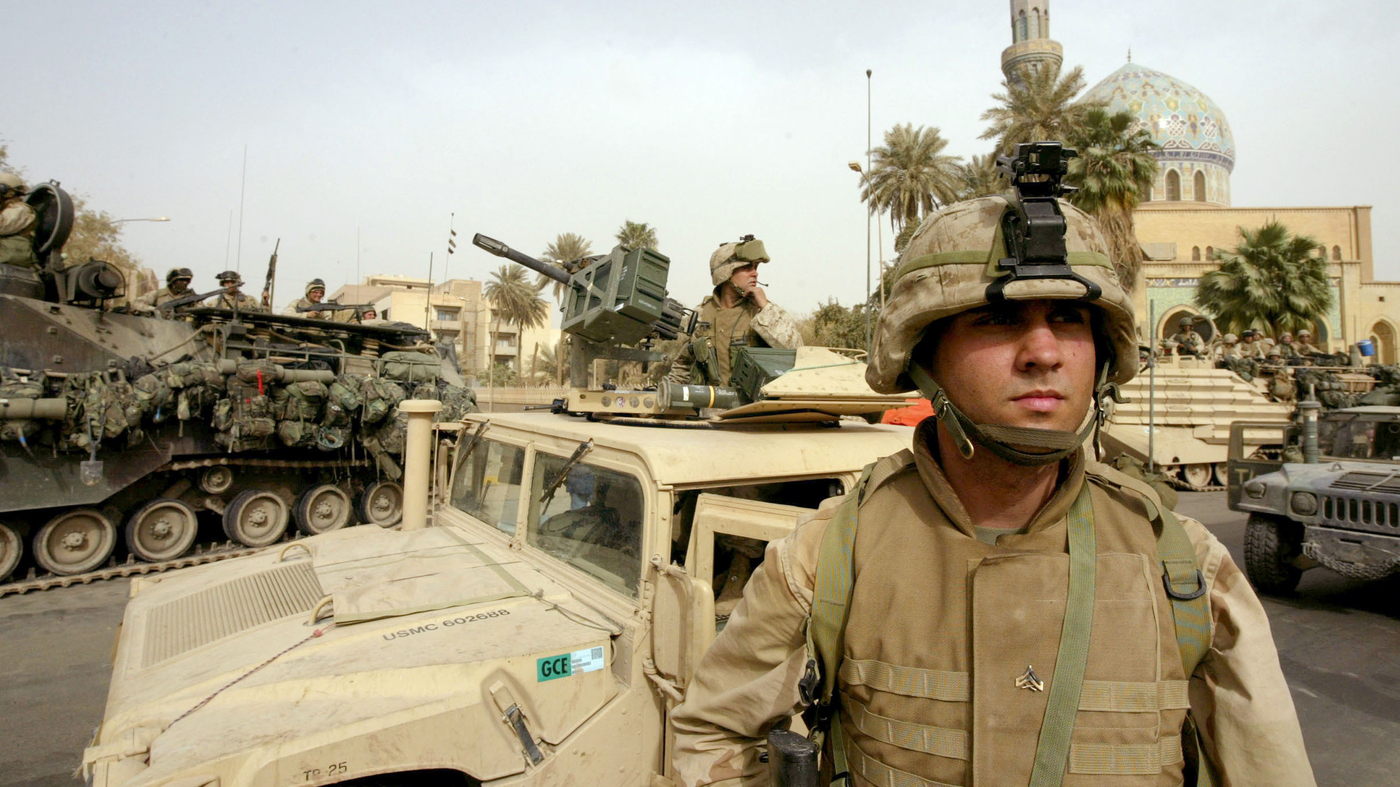
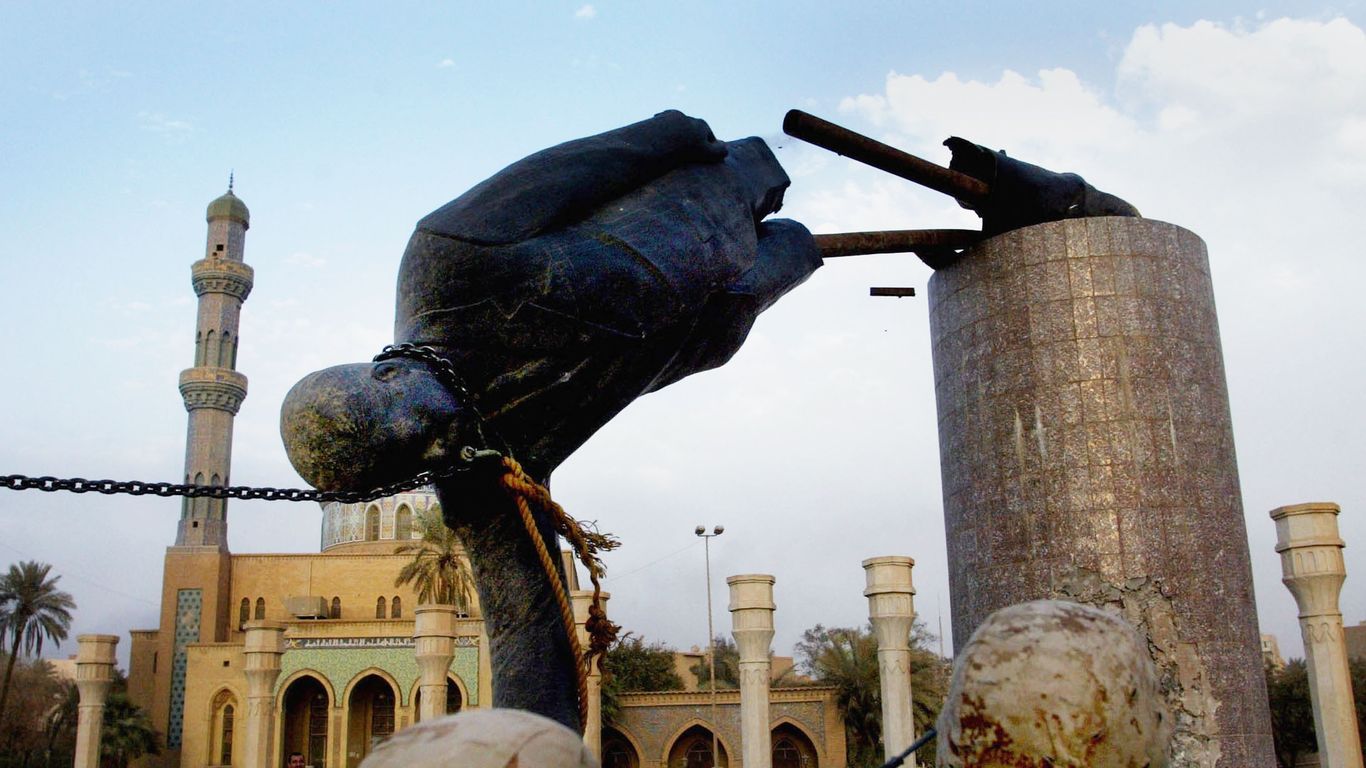
As the 20th anniversary of the U.S. invasion of Iraq approaches, the high toll of the conflict is still being calculated, with as many as 210,038 Iraqi civilians and 4,599 U.S. troops killed. Iraqis had warned of chaos and danger from any regime change, and scenes from early 2003 showed people afraid of their country's dictator and of his sudden downfall. The invasion was marked by poor U.S. planning, tragically wrong assumptions, and misleading claims about alleged chemical weapons stockpiles. The country descended into civil war between Sunni and Shia factions, and foreign troops were unable to keep the peace or nation-build in a country that didn't want to be occupied.
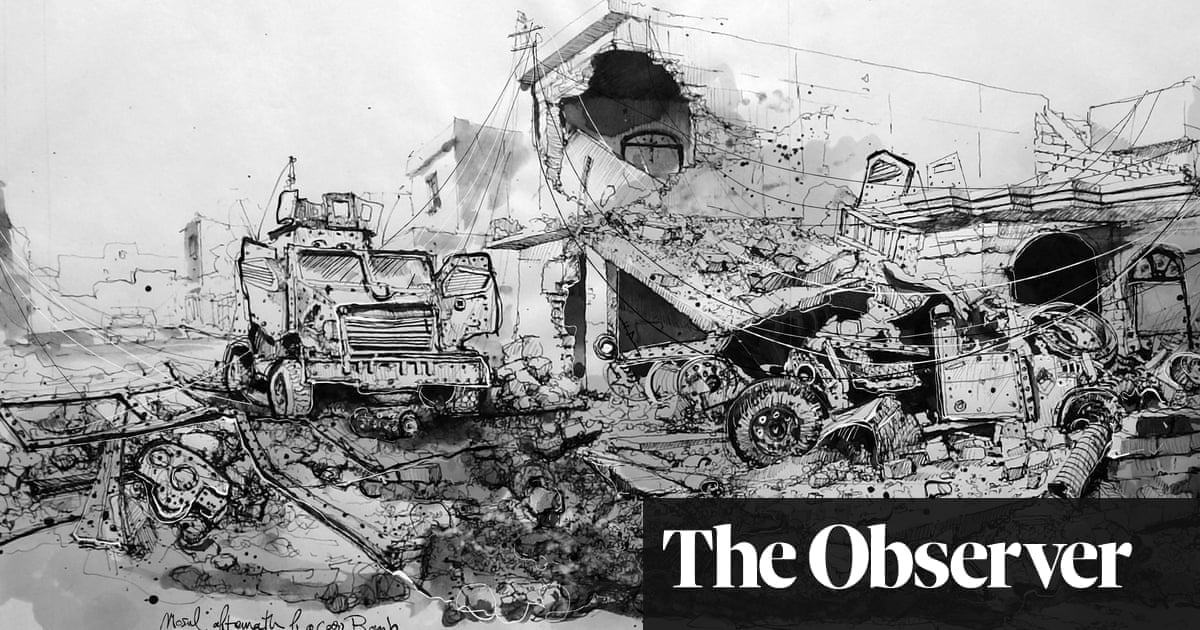
Ghaith Abdul-Ahad's book, A Stranger in Your Own City, reflects on the impact of the US-led invasion of Iraq 20 years ago. The book shatters the assumption that sectarianism was deeply rooted in Iraq's history, revealing that it was imposed by new rulers who needed a political system based on sectarianism to build constituencies. The book also highlights the militarization of ordinary lives, the rise of corruption, and the mass protests that demanded an end to the post-2003 political system. The protests shook the system, but it quickly rebounded, killing hundreds and injuring tens of thousands more.
Two decades after the U.S. invasion of Iraq, corruption and sectarianism continue to plague the country's politics, with Shiite, Sunni, and Kurdish parties dividing up top jobs and government ministries to enrich themselves and their supporters. Patronage networks, state resources, and militias have helped entrench the power of a new class of politicians who emerged after the invasion. Despite a modicum of freedom, repeated and relatively fair parliamentary elections, and a free press, Iraq remains one of the world's most unhappy countries, with plunging voter turnout and waves of protest driven by a lack of basic services. Current Prime Minister Mohammed Shia al-Sudani, backed by pro-Iran parties, is trying to balance outside powers and demonstrate progress at home, particularly in the power supply, but many are skeptical that the old guard will change its stripes.