A series of at least six earthquakes, including a magnitude 4.0 quake, struck the San Ramon area on Friday night, causing local alarm but no damage. The seismic activity is part of a larger swarm that has been ongoing for days, with experts noting that such swarms are usually not indicative of an imminent larger quake and are often caused by fluid interactions or slow fault slipping.

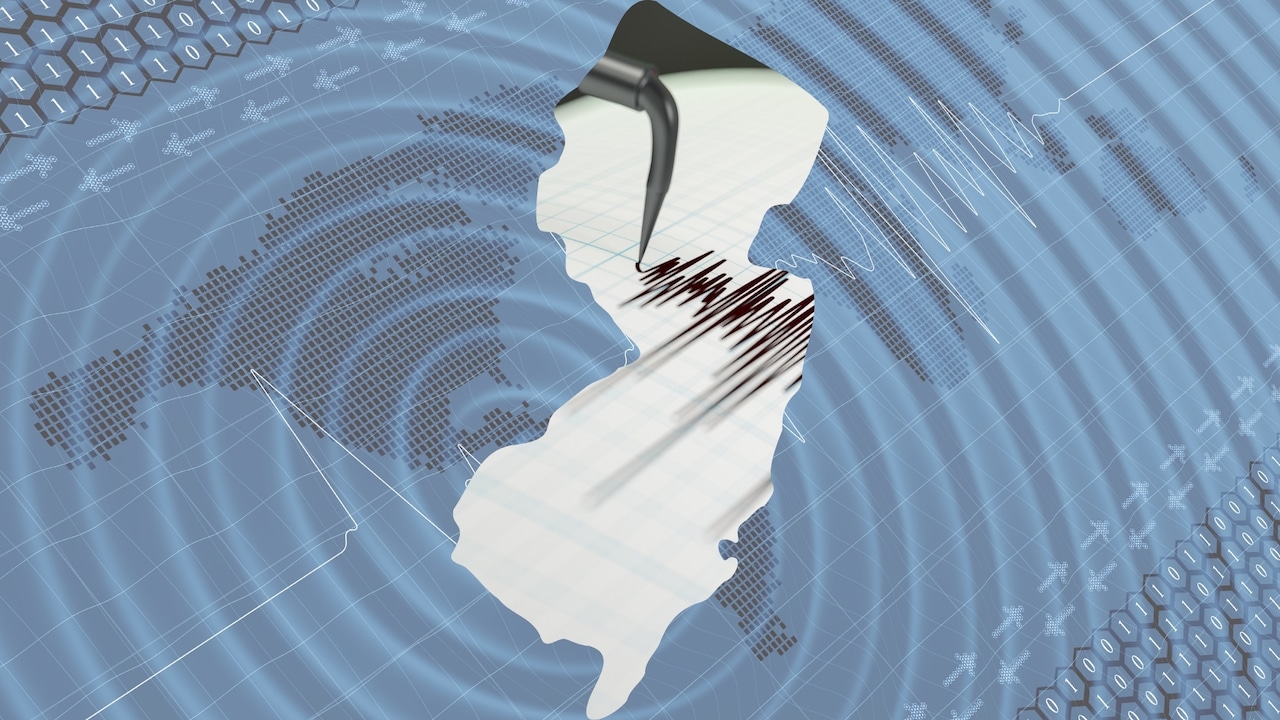
A 2.7-magnitude earthquake occurred near Hillsdale, New Jersey, felt by residents from Staten Island to Connecticut, with its shallow depth and the region's dense, old rocks amplifying the shaking over a larger area.
A small earthquake with a magnitude of 2.7 occurred in Bergen County, New Jersey, on August 5, 2025, marking the second quake in four days, with shaking felt as far away as Connecticut, Massachusetts, Delaware, and Virginia.
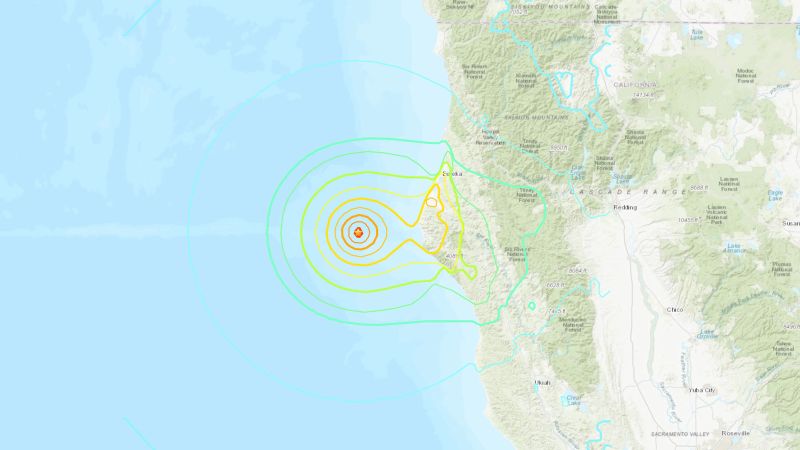
A 7.0-magnitude earthquake struck off the coast of Northern California, prompting tsunami warnings for parts of the California and Oregon coastlines. The quake occurred 60 miles southwest of Ferndale, California, and could affect cities such as San Francisco, Crescent City, and Fort Bragg in California, as well as Port Orford, Brookings, and Charleston in Oregon. The National Weather Service warns that tsunamis can consist of multiple waves, with the first not necessarily being the largest.
A 6.8 magnitude earthquake struck off the southern coast of Cuba near Santiago de Cuba, following an earlier 5.9 magnitude quake. The epicenter was located 24 miles south of Bartolomé Masó in Granma Province. While there were reports of some damage, no injuries or tsunami threats were reported. The quakes occurred shortly after Hurricane Rafael impacted western Cuba, exacerbating the island's ongoing energy crisis.
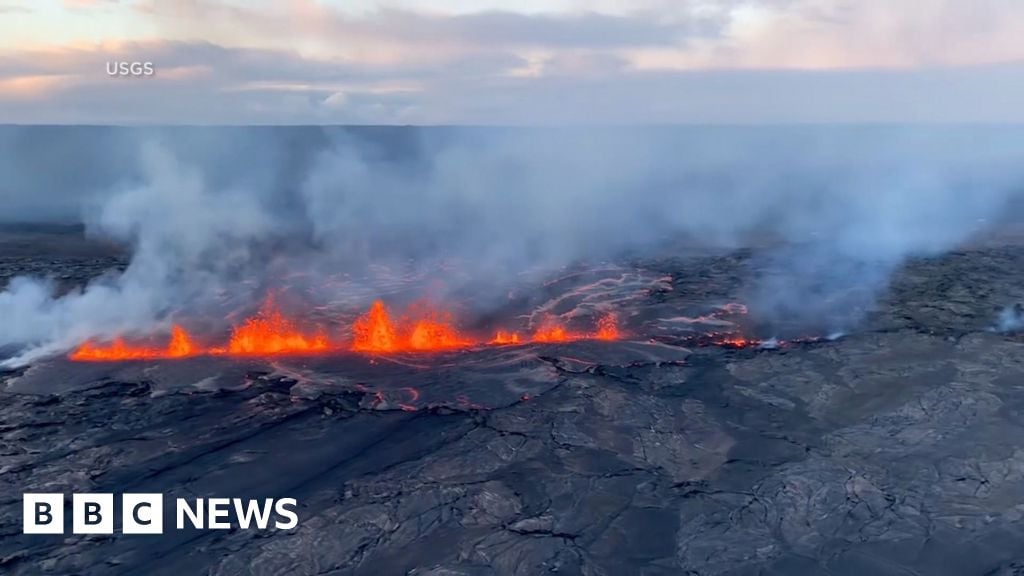
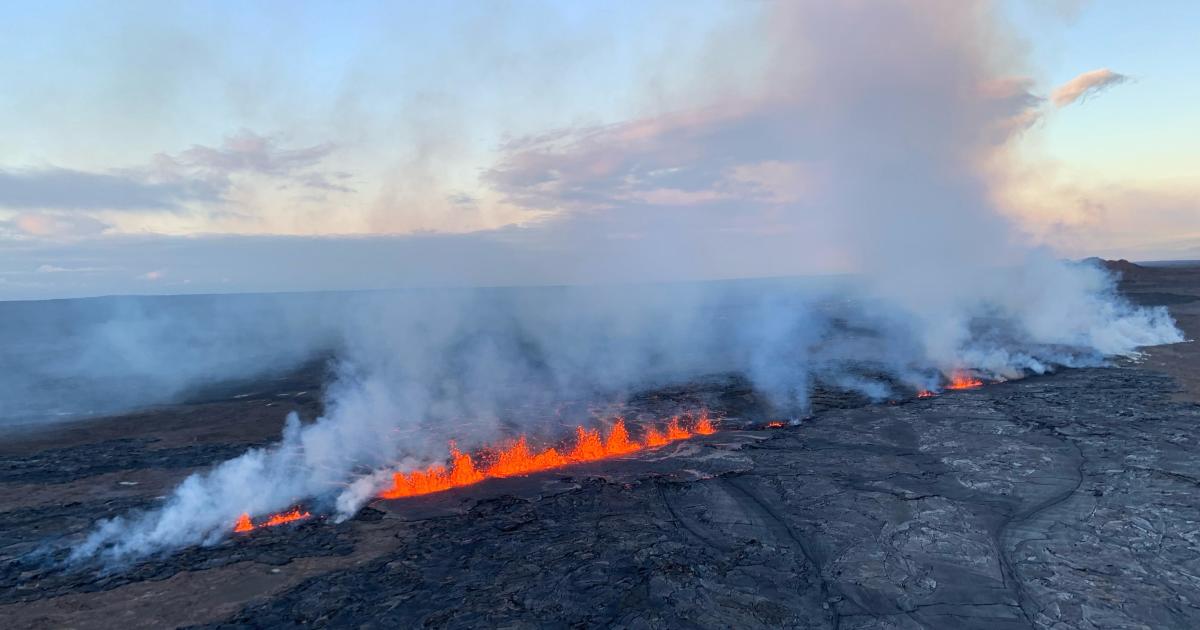
The Kilauea volcano in Hawaii began erupting on Monday in a remote area, with a fissure system extending about 1 km. The US Geological Survey described the eruption as low in volume and posing no immediate threat to human life or infrastructure.
Hawaii's Kilauea volcano erupted early Monday in a remote part of Hawaii Volcanoes National Park, posing no immediate threat to human life or critical infrastructure. The eruption, characterized by low eruptive volume, primarily emitted gas and rock fragments. The U.S. Geological Survey noted minor or no ash emissions and observed lava from fissures. The last eruption in this area occurred nearly 50 years ago. The event was preceded by increased seismic activity, including around 250 earthquakes.
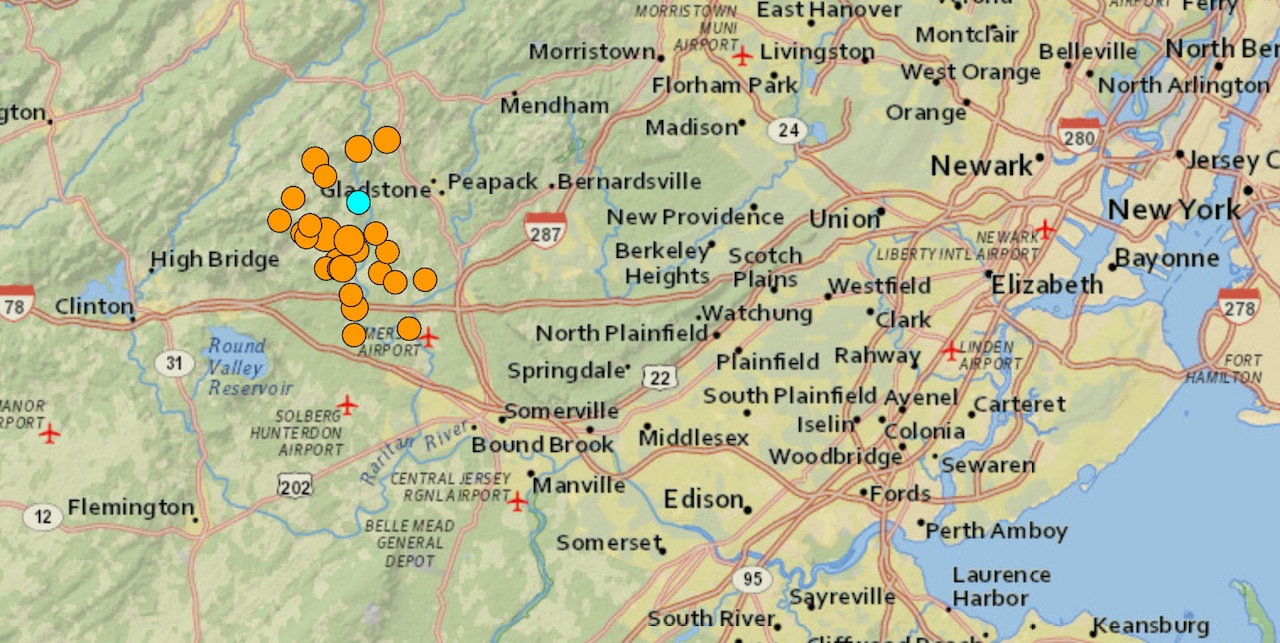
A 2.9 magnitude earthquake struck near Gladstone, New Jersey early Friday morning, following a larger 4.8 magnitude quake in April. The quake's epicenter was 3.7 miles west southwest of Gladstone and about 4 miles deep. This is one of several aftershocks felt in the area since the April event.
The NASA and US Geological Survey's Landsat program has provided a continuous record of Earth's land for over 50 years, offering valuable insights into the planet's transformation. The program has documented significant changes to the Earth's surface, and its data has been instrumental in understanding environmental changes and informing policy decisions. Looking ahead, the Landsat program continues to play a crucial role in monitoring and studying the Earth's dynamic landscape.
The NASA and US Geological Survey's Landsat program has provided a continuous record of the Earth's surface changes for over 50 years, offering valuable insights into the planet's transformation. The program has documented various environmental changes and has been instrumental in monitoring deforestation, urban expansion, and natural disasters. As the program continues, advancements in technology and data analysis will further enhance our understanding of Earth's dynamic changes.
A 2.6 magnitude aftershock hit New Jersey on Wednesday morning, bringing the total to 47 aftershocks following the 4.8 magnitude earthquake on Friday. The aftershocks have been centered around Hunterdon County, with the strongest recorded at 3.8 magnitude. Experts predict more aftershocks in the coming days, with an 80% chance of one reaching 3.0 or higher within a week of the initial earthquake.
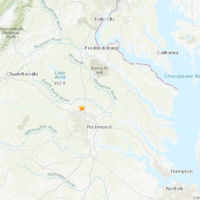
A 2.1 magnitude earthquake rattled the Richmond region on Monday night, centered between Glen Allen and Ashland, following a recent 4.8-magnitude earthquake near Lebanon, New Jersey. Earthquakes large enough to be felt by many people are relatively rare on the East Coast, with only about 20 quakes above 4.5 magnitude since 1950, compared to over 1,000 on the West Coast. The 2011 5.8 magnitude earthquake near Mineral was one of the most widely felt quakes in North American history.
Aftershocks from the 4.8 magnitude earthquake that struck New Jersey on Friday continued overnight, with 11 aftershocks reported in Hunterdon and Somerset counties between 5 p.m. Friday and 4 a.m. Saturday, according to preliminary data from the U.S. Geological Survey.
Experts from the US Geological Survey predict an 80% chance of an aftershock of magnitude 3.0 or higher in the New Jersey region within the next week, following the 4.8 magnitude earthquake that struck on Friday. Almost a dozen aftershocks ranging from magnitude 1.8 to 4.0 have already occurred, with some felt hundreds of miles away. Seismologists emphasize the unpredictability of earthquakes and urge preparedness for potential future events.
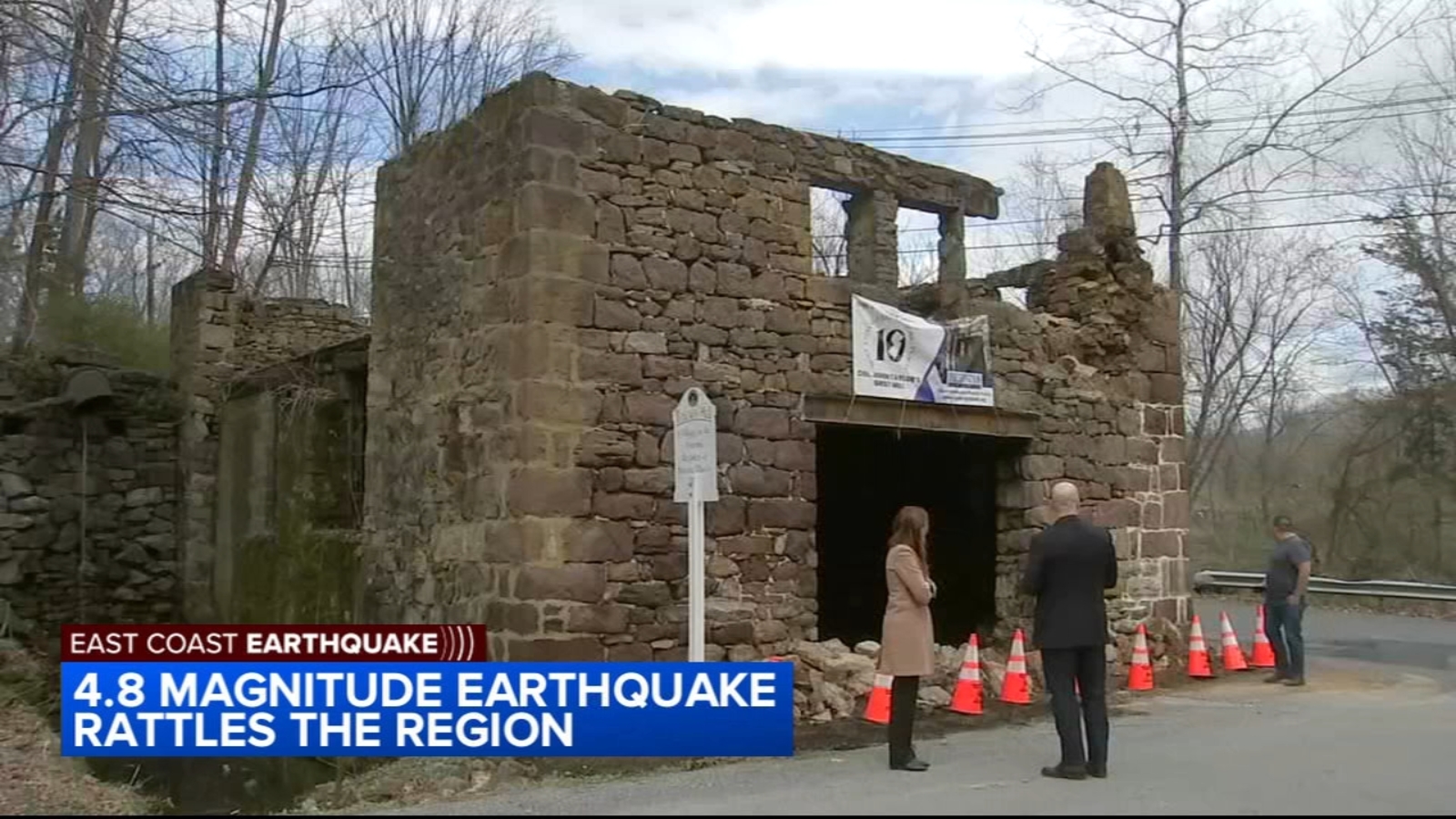
A 4.8 magnitude earthquake struck Hunterdon County, New Jersey, with shaking felt across the northeastern United States, including Philadelphia. The quake, centered near Whitehouse Station, Califon, and Lebanon, startled millions in a region unaccustomed to such tremors. Over 42 million people may have felt the rumbling, and the damage was minimal, with an important historic site in New Jersey sustaining some damage. Local officials reported limited damage, and President Biden was briefed on the earthquake. The last time an earthquake of this magnitude was felt in Philadelphia was in 2011.