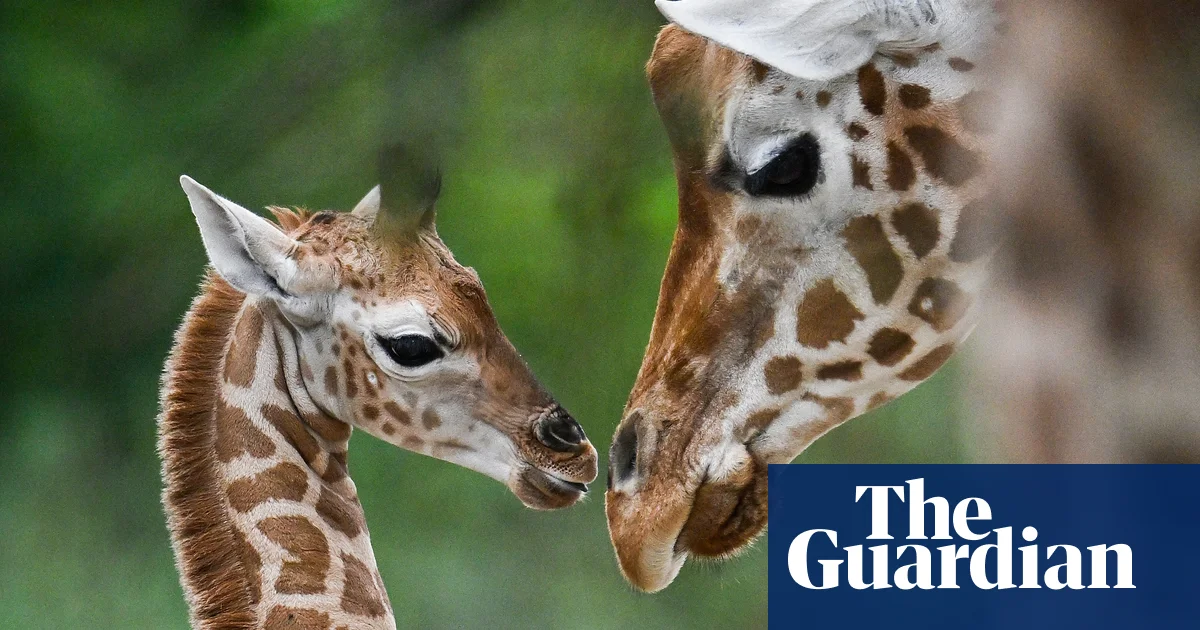
The US Fish and Wildlife Service has proposed listing giraffes under the Endangered Species Act for the first time, covering five subspecies. This move aims to combat poaching and habitat loss, which have significantly reduced giraffe populations. The listing will require permits for importing giraffe parts into the US and is expected to enhance conservation efforts. Environmental groups welcome the proposal, though they criticize the delay in action. The decision is open for public comment until February 2024, with a final rule expected thereafter.
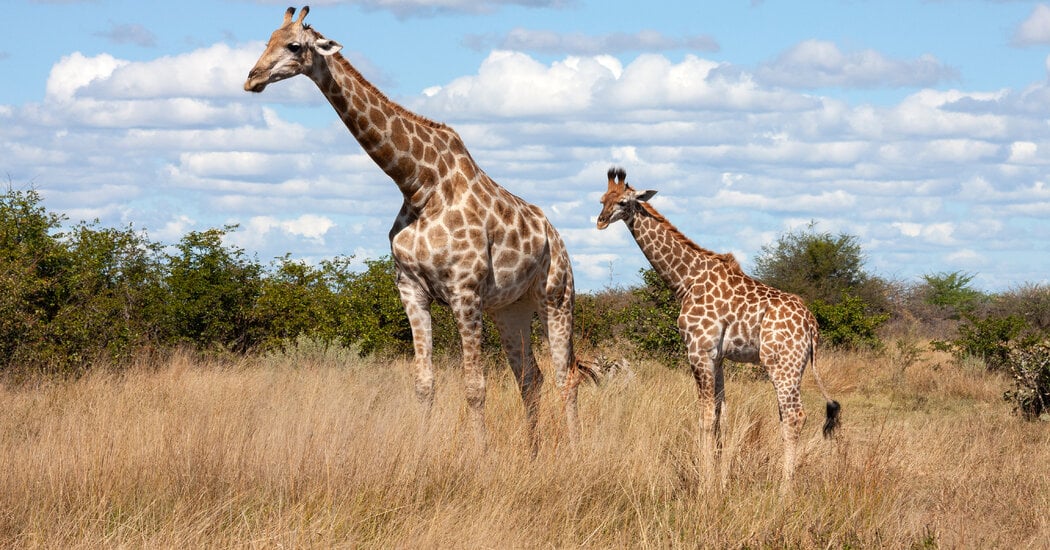
U.S. officials have proposed that giraffes be listed under the Endangered Species Act to provide them with greater protection due to declining populations and threats from habitat loss and poaching. This move by the U.S. Fish and Wildlife Service aims to enhance conservation efforts and ensure the survival of giraffes in the wild.
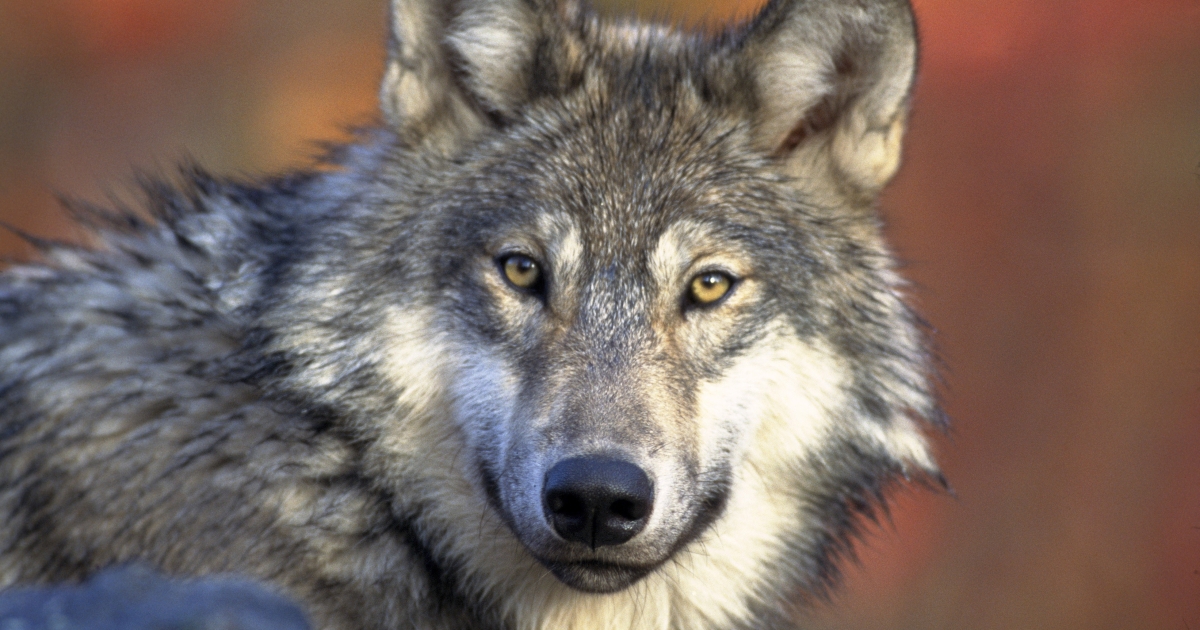
The U.S. Fish and Wildlife Service has completed a status review and announced a National Recovery Plan for gray wolves in the Western United States, emphasizing the need for a comprehensive approach to conservation involving federal, state, and Tribal governments. Following an extensive assessment, the Service found that gray wolves are not at risk of extinction in the Western United States and will not be listed under the Endangered Species Act. The Service will develop a nationwide gray wolf recovery plan by December 2025 and engage in a national dialogue on coexistence with wolves. Collaboration with states and Tribes will be crucial in ensuring the long-term conservation and acceptance of gray wolves on the landscape.
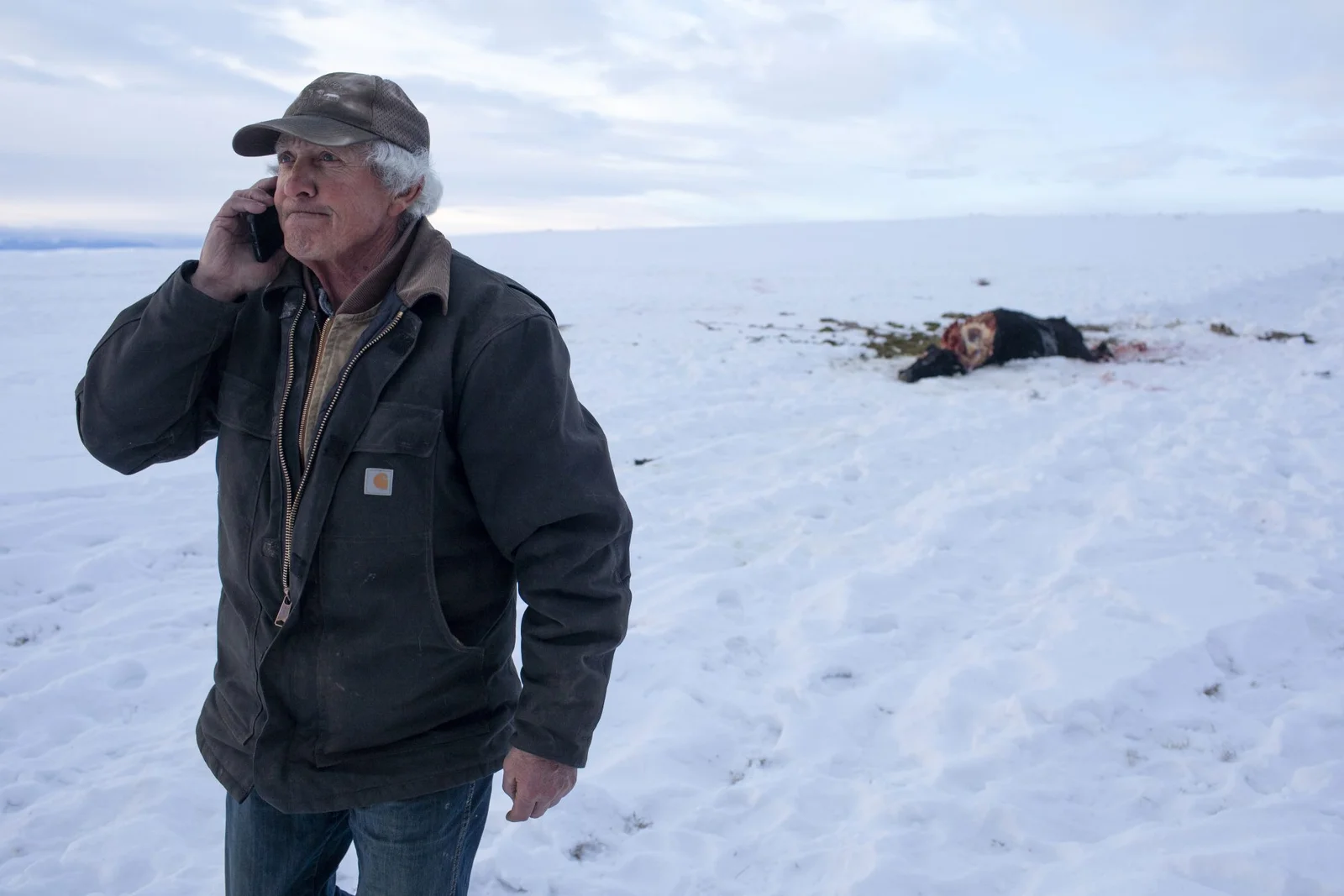
A lawsuit filed by Colorado ranchers seeking to block the release of wolves in the state has led to a flurry of filings from various parties involved. The ranchers are requesting an injunction and temporary restraining order to prevent Colorado Parks and Wildlife (CPW) from releasing wolves on the Western Slope. CPW has agreed not to release wolves until after a hearing on Thursday. The ranchers argue that the U.S. Fish and Wildlife Service should have conducted an environmental impact statement review before renewing its agreement with CPW. Attorneys for the Fish and Wildlife Service argue that the ranchers are unlikely to succeed in their claim. Defenders of Wildlife and Friends of Animals have asked the court to allow them to defend the planned wolf reintroduction. CPW argues that the ranchers' case is not likely to succeed and that a delay in the reintroduction will cost money and not serve the public interest.
The U.S. Fish and Wildlife Service has declared 21 species, including birds, a bat, and several mussels, as extinct. These species were previously on the national list of threatened and endangered species. Factors such as habitat destruction, climate change, pollution, invasive species, and inadequate conservation efforts have contributed to their decline. While 99% of animals on the endangered and threatened list have not reached extinction, this serves as a reminder of the importance of conserving imperiled species before it's too late.