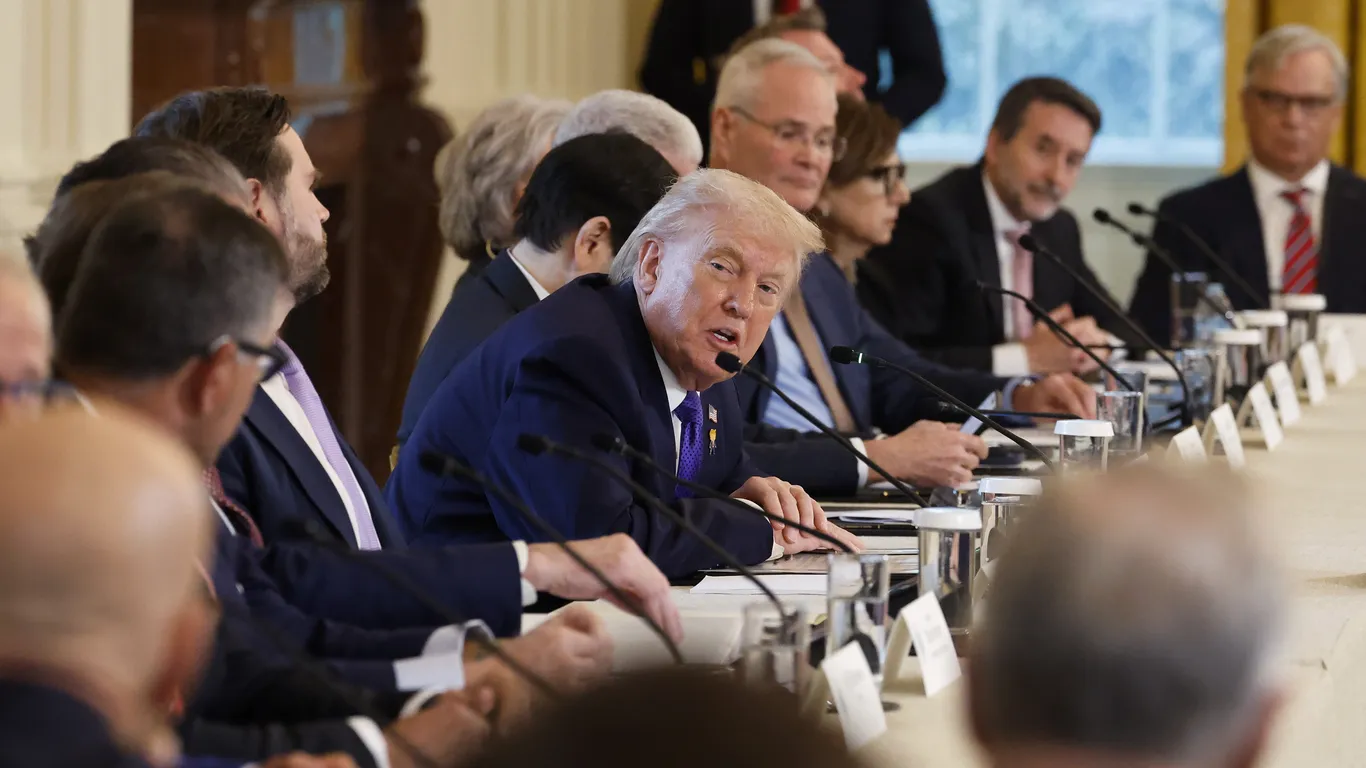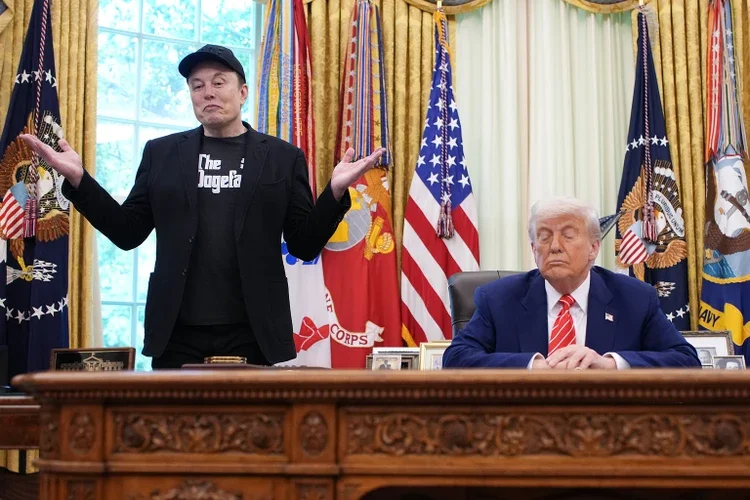
U.S. oil giants expressed cautious interest in investing in Venezuela's oil sector during a meeting with President Trump, emphasizing the need for legal and security assurances, while highlighting the challenges posed by Venezuela's current investment climate and sanctions. Despite some signals of willingness, major companies like Exxon and ConocoPhillips remain cautious, citing the need for significant reforms and restructuring before committing to large investments, as the U.S. government explores ways to revive Venezuela's oil industry.
The world's largest arms producers saw a record revenue increase last year, driven by US, European, and Russian companies, despite ongoing delays and challenges in supply chains and procurement, with notable growth in European and Russian markets and a slight decline in Asia and Oceania.
A bipartisan investigation reveals that American and allied companies, including Dutch and Japanese firms, have significantly contributed to China's semiconductor industry by selling equipment and technology, which fuels China's military ambitions, human rights abuses, and economic self-sufficiency. The report warns of the risks to US national security and recommends tighter export controls, aligned international policies, and increased enforcement to preserve US technological leadership.
Donald Trump proposed that U.S. companies should shift from quarterly to semi-annual earnings reports, arguing it would save money and reduce short-term focus, though the change requires SEC approval and contrasts with practices in Europe and China.
Donald Trump has called on US companies to eliminate quarterly reporting requirements, advocating for a shift in financial disclosure practices to potentially reduce regulatory burdens and improve business flexibility.
US companies are slowing down hiring efforts following the impact of tariffs imposed during Donald Trump's administration, highlighting economic challenges faced by businesses due to trade policies.
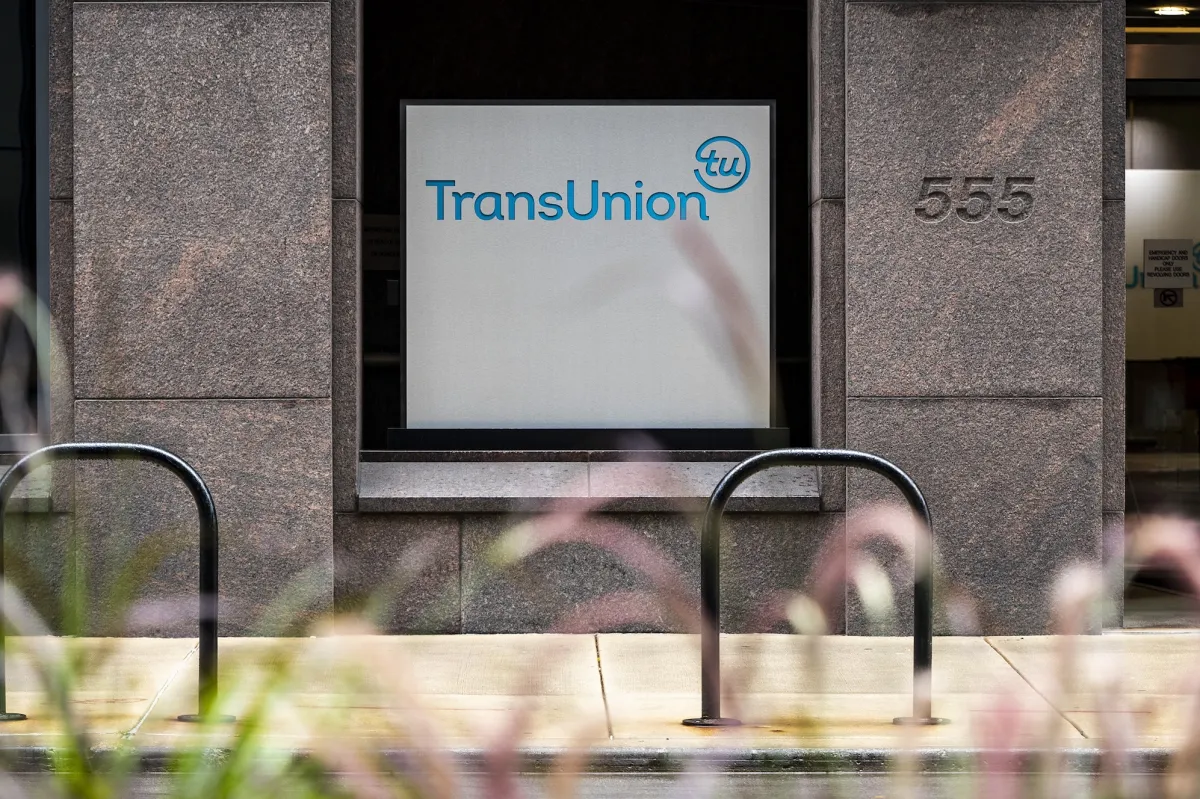
TransUnion disclosed a data breach affecting over 4.4 million customers, with hackers accessing personal data including names, birth dates, and Social Security numbers, though the company claims no credit information was accessed. The breach was due to unauthorized access to a third-party application, and the perpetrators remain unidentified.
President Trump is increasingly involving the government in U.S. companies by taking stakes and demanding revenue cuts, signaling a shift towards state-managed capitalism and raising concerns among corporate leaders about interference.
David Sacks argues that the current AI landscape is characterized by vigorous competition among major US companies, avoiding monopolistic control, and emphasizing the role of open source models and division of labor between humans and AI, which collectively foster innovation and positive prospects for America in the AI race.
An Arizona woman, Christina Chapman, was sentenced to over eight years in prison for her role in a $17 million scheme that helped North Korea steal American identities to secure remote IT jobs, aiding North Korea's sanctions evasion and economic activities. The scam involved stealing 68 U.S. identities, targeting hundreds of companies, and operating a 'laptop farm' to fake remote work, with Chapman claiming she was motivated by her mother's terminal illness. The DOJ continues to investigate North Korea's efforts to fund its weapons programs through such schemes.
An Arizona woman was sentenced to over eight years in prison for orchestrating a scheme that helped North Korean workers secure remote jobs at U.S. companies using false identities, generating over $17 million mostly for North Korea.
President Donald Trump expressed his support for Elon Musk and his companies, stating he does not intend to harm their businesses through revoking federal subsidies and emphasizing the importance of U.S. companies thriving for the country's benefit.
An Arizona woman was sentenced to eight years in prison for running a 'laptop farm' that facilitated North Korean remote workers, generating over $17 million for North Korea between 2020 and 2023 by deceiving U.S. companies into hiring North Koreans as remote employees using stolen identities. The scheme involved at least 90 laptops and impacted major corporations, highlighting significant cybersecurity risks for U.S. businesses.
Christina Chapman, an Arizona woman, was sentenced to 8.5 years for her role in a scheme that helped North Korean IT workers fraudulently obtain remote jobs at U.S. companies, stealing identities and causing millions in damages, with the scheme allegedly funding North Korea's nuclear program.
Analysts at Citi and Deutsche Bank find that U.S. companies are primarily bearing the costs of Trump's tariffs this year, with limited impact on consumers and foreign firms, and evidence suggesting that American importers are absorbing most of the tariff costs into their profit margins, while foreign exporters are less affected.