US tariffs on China are increasing costs for major retailers like Target, Walmart, and Home Depot, leading to higher prices and financial struggles for some companies, with ongoing uncertainty causing business paralysis and limited reshoring efforts.
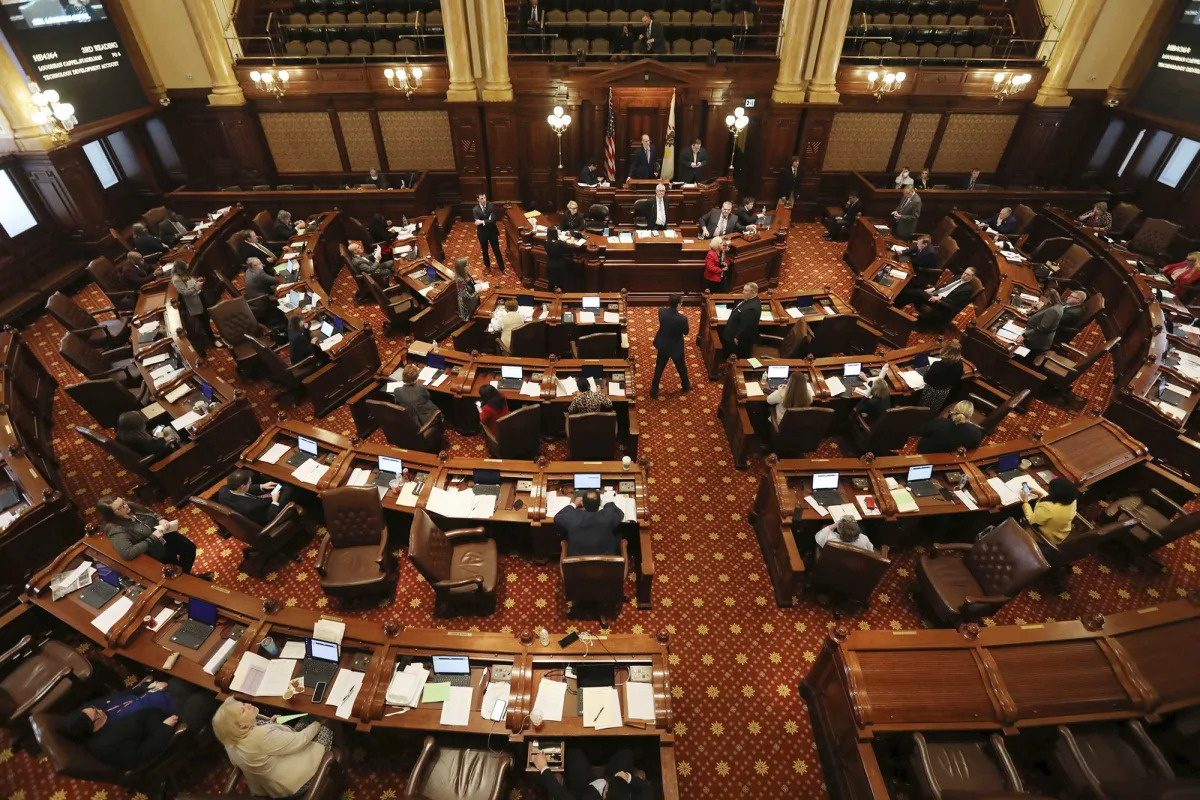
The patchwork of state laws governing artificial intelligence in the US is causing confusion for businesses, with 30 states and the District of Columbia proposing or adopting new laws placing constraints on AI systems. The lack of direct federal regulation has led to a variety of state-specific legislation targeting issues such as data transparency, reducing bias, and protecting consumers from AI-generated decisions. While these laws reflect federal priorities, their subtle differences make compliance challenging for businesses, with some states requiring risk assessments and others enacting opt-out provisions.
The Bumblebee malware has reappeared in a new phishing campaign targeting U.S. organizations, using voicemail-themed lures with OneDrive URLs to deliver malicious Word documents. The malware leverages VBA macros to execute PowerShell commands and download the Bumblebee loader, which is associated with delivering ransomware. Additionally, new variants of QakBot, ZLoader, and PikaBot have surfaced, with QakBot employing stronger encryption and virtual machine detection. This resurgence underscores the ongoing threat posed by sophisticated malware and the need for robust cybersecurity measures.
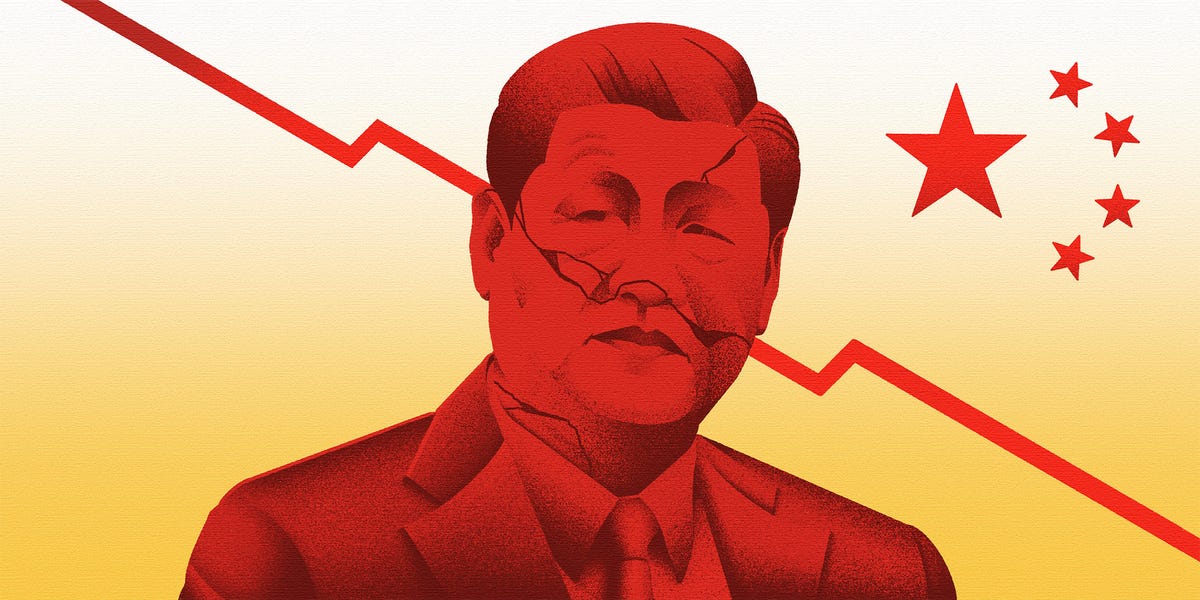
China's economy, which has been on an uninterrupted expansion for the past three decades, is now facing a significant downturn. President Xi Jinping has shifted the Chinese Communist Party's focus from economic growth to national security, leading to a change in government priorities and behavior. The real estate market, a crucial source of wealth and government funding, is showing signs of collapse, with developers facing financial difficulties and prices declining. Other sectors of the economy, such as exports and domestic demand, are also under strain. This economic decline has implications for US businesses, including shrinking demand and unstable supply chains. Beijing's shift towards power and technology, rather than economic growth, poses challenges for policymakers and creates a more precarious global environment.
American businesses are expected to fare better in the coming months as inflation slows down, boosting confidence in the economy and improving the odds of a soft landing for the Federal Reserve. Surveys show that businesses are rejoicing in better economic conditions, with rising sales, stabilizing wages, and improved profit margins. The optimism is fueled by slowing inflation and a resilient job market, with the Consumer Price Index rising at a much slower pace and employers adding jobs. Some Fed officials are confident about avoiding a recession, and businesses are optimistic about lower prices and improved supply chains. However, the labor market remains a challenge, with job openings that are hard to fill.
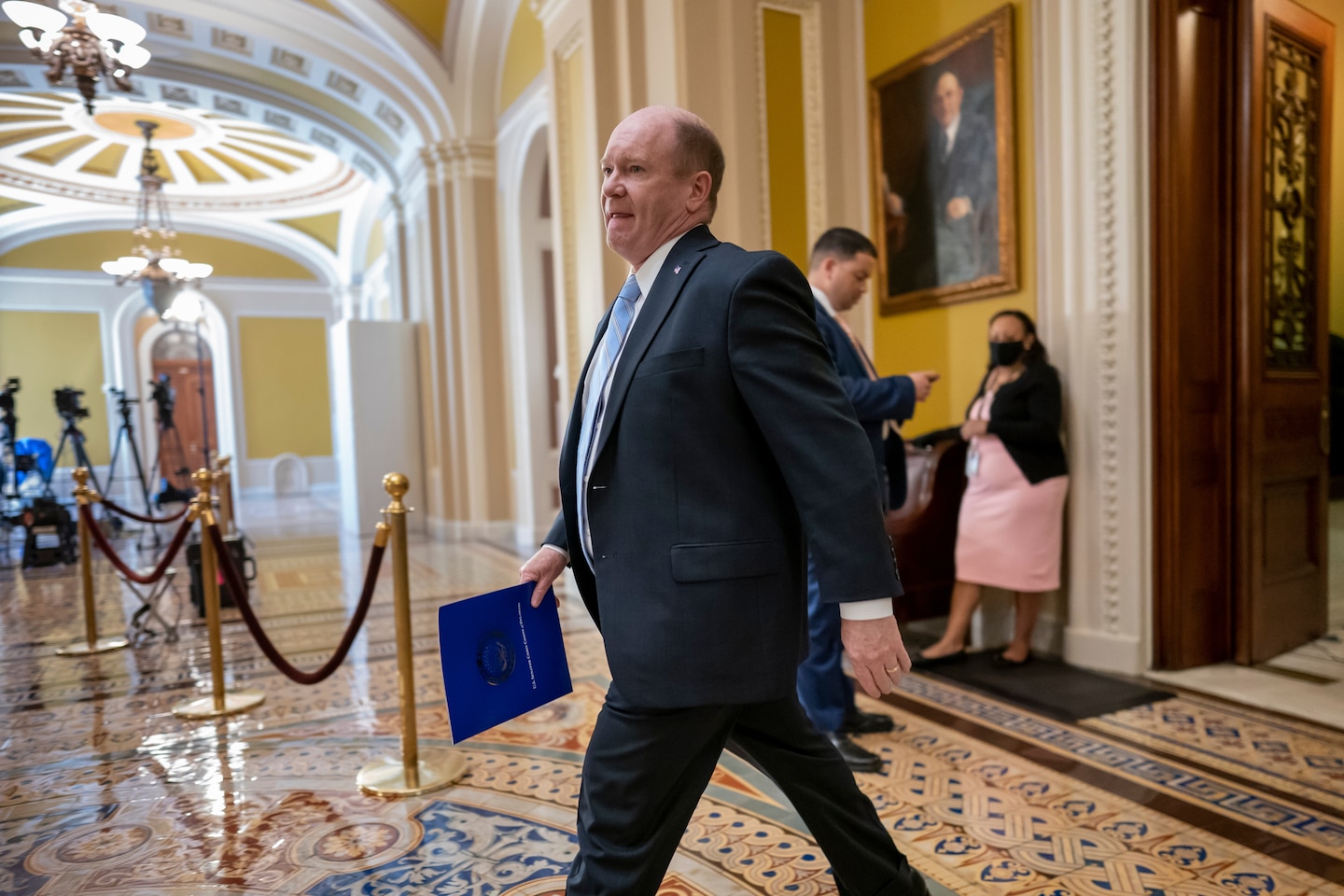
Senators Christopher A. Coons and Kevin Cramer will introduce a bipartisan bill that would lay the groundwork for America's first carbon border tax, which would impose fees on iron, steel, and other imports from countries that are not significantly reducing greenhouse gas emissions. The bill would require the Energy Department to study the emissions intensity of certain products produced in the United States and in certain countries. The goal is to use trade to advance American manufacturing and disadvantage dirty or high-emissions products, ultimately putting effective pressure on China, Russia, and India to dramatically reduce their emissions.