Taiwanese President Lai Ching-te pledged to defend Taiwan's sovereignty amid China's military drills and expansionist threats, emphasizing strengthening national defense and resilience, following the US's largest arms sale to Taiwan and China's angry response.
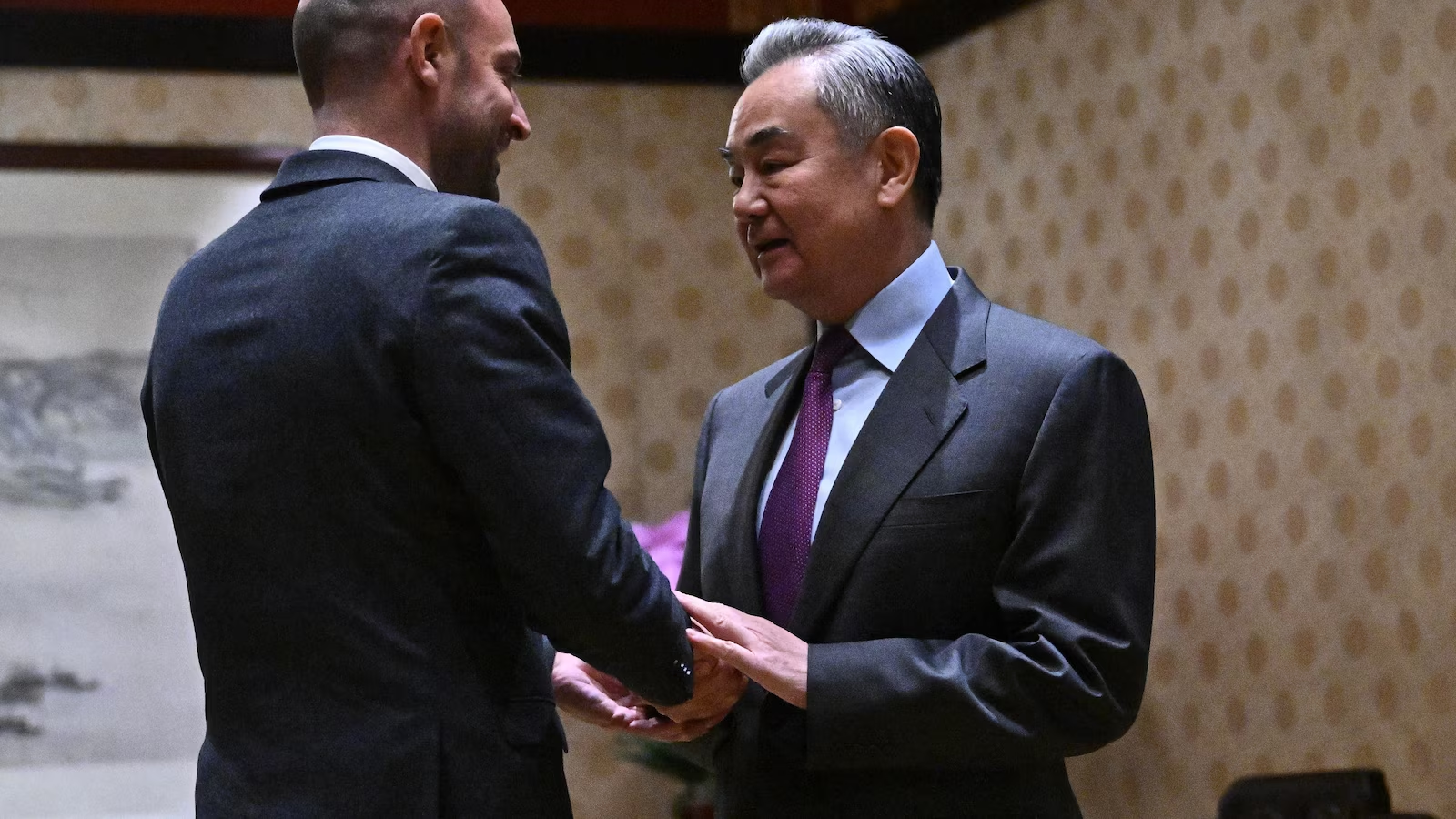
China's foreign minister condemned the US for its record arms sale to Taiwan and criticized pro-independence forces, while China conducted military drills around Taiwan and emphasized its goal of reunification, amidst broader regional diplomatic efforts and tensions.
China is conducting military drills around Taiwan, rooted in historical claims and strategic concerns over sovereignty, with recent tensions heightened by US arms sales to Taiwan and political statements from Japan and the US, reflecting longstanding regional tensions and China's insistence on reunification.
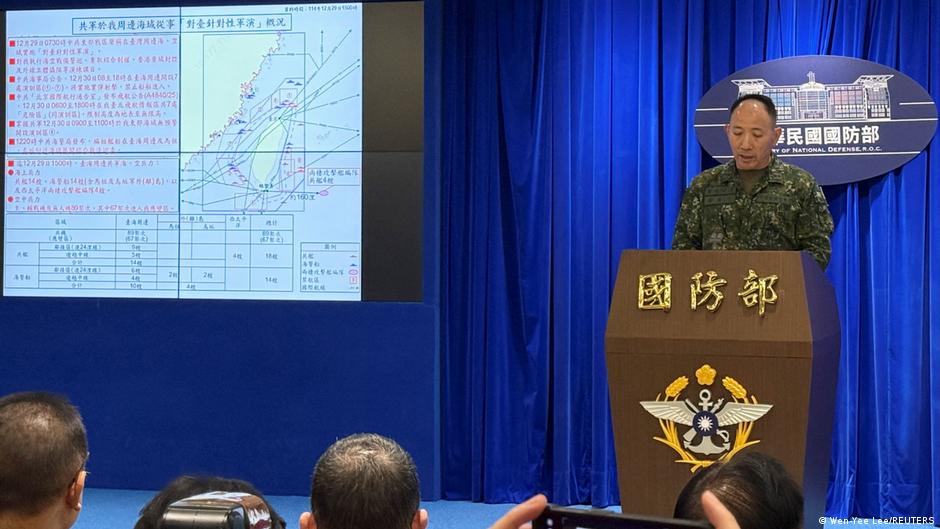
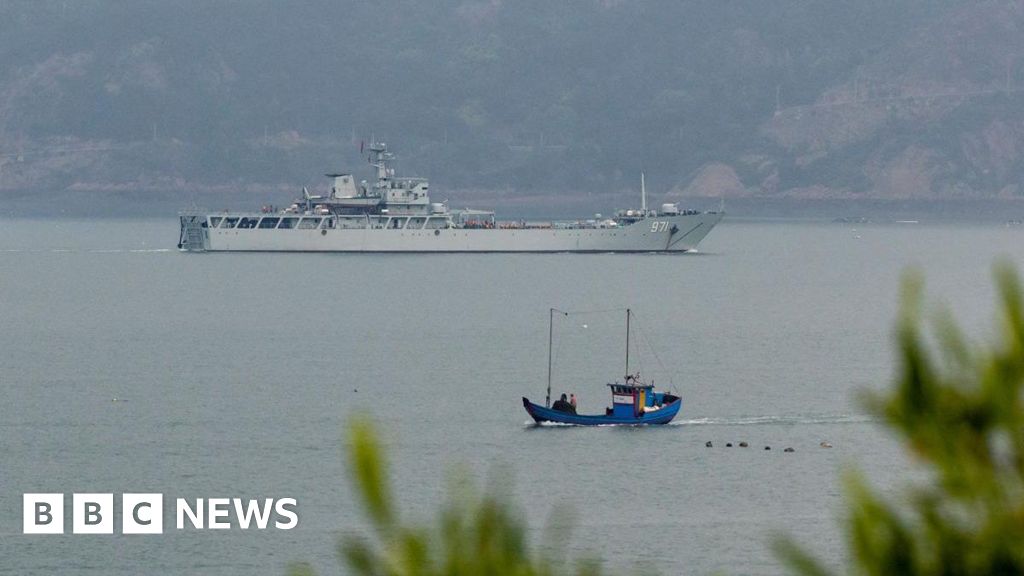
China launched extensive military exercises around Taiwan, simulating a blockade and testing joint operations, amid rising tensions following US arms sales to Taiwan and regional geopolitical disputes. The drills, part of 'Justice Mission 2025,' aim to demonstrate China's military capabilities and influence Taiwan's political landscape, while also testing US responses and regional stability.
China announced military drills around Taiwan, simulating seizure and blockade, as a warning to 'separatist forces' amid increased tensions following US arms sales to Taiwan and Taiwan's own defense enhancements. The drills, involving multiple branches of the Chinese military, are part of ongoing efforts to assert pressure on Taiwan, which maintains a stance of maintaining the status quo amid regional tensions.
The US has announced an $11 billion arms sale to Taiwan, including advanced missile systems and artillery, which has angered China and heightened regional tensions amid ongoing geopolitical disputes.
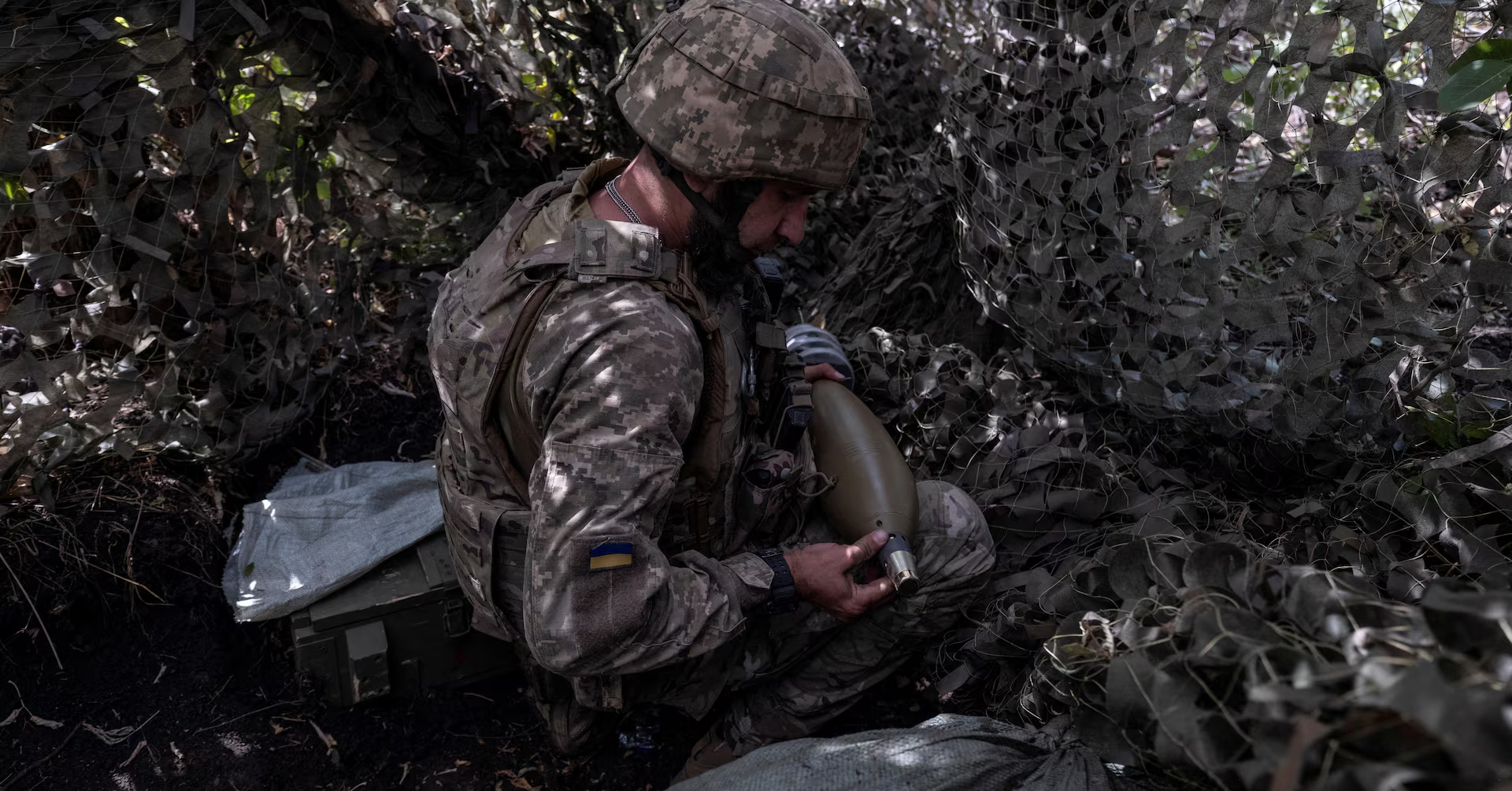
The US State Department has approved a potential $825 million sale of air-launched cruise missiles and related equipment to Ukraine, aimed at strengthening Ukraine's defense amid ongoing Russian attacks, with funding from European allies and the US.
The US has approved the sale of 3,550 ERAM missiles to Ukraine, with delivery expected in six weeks, amid ongoing tensions and restrictions on the use of long-range missiles inside Russia, including a review process overseen by the Pentagon to control their deployment. Additionally, Ukraine is seeking extensive military aid and has proposed a $90 billion weapons purchase, while internal political issues continue to affect trust and governance.