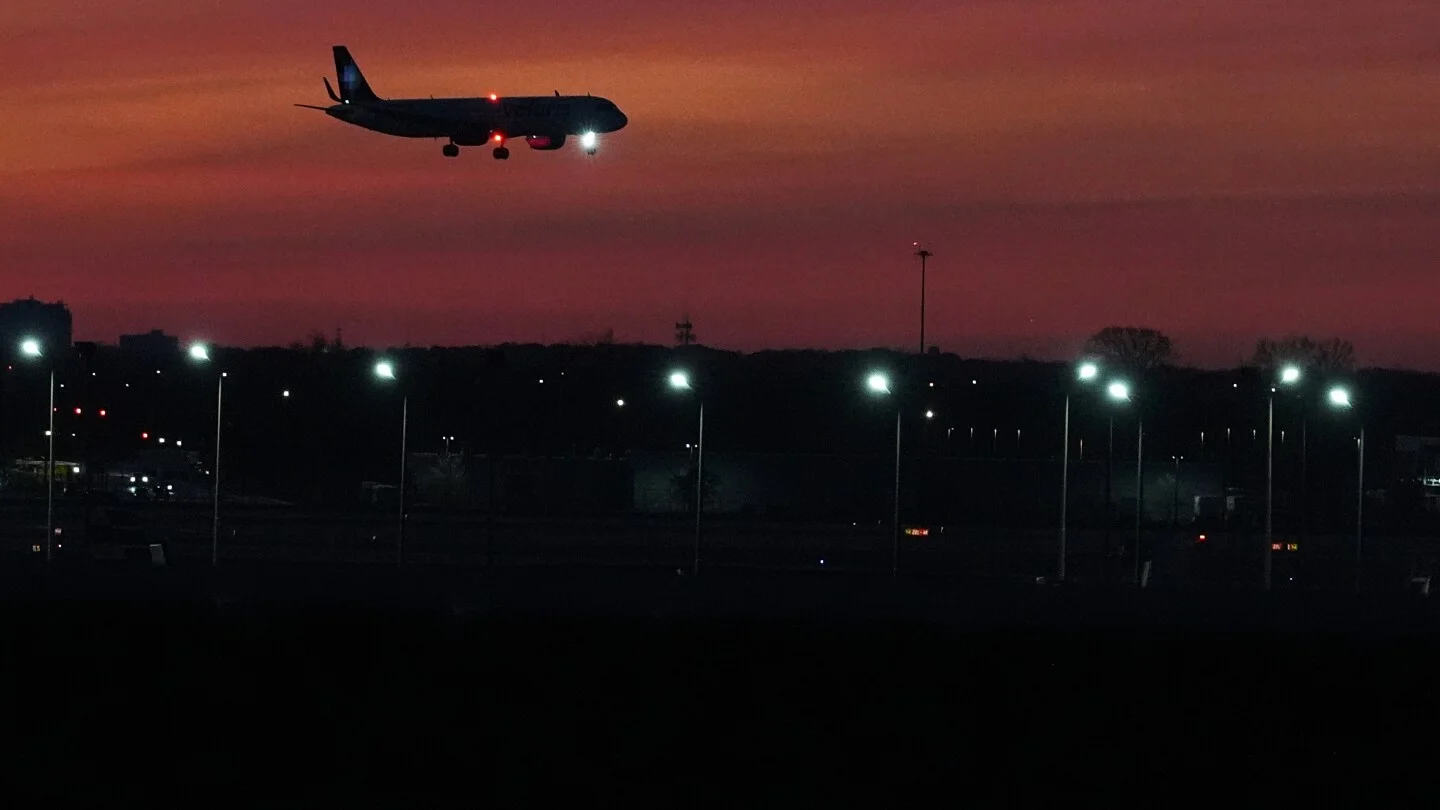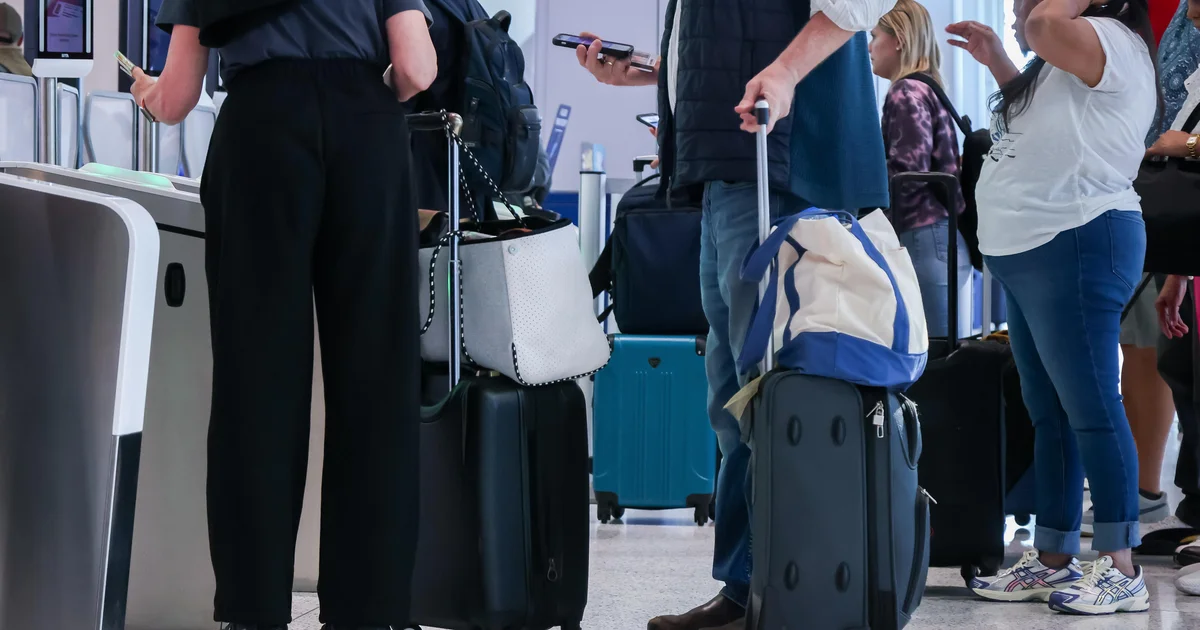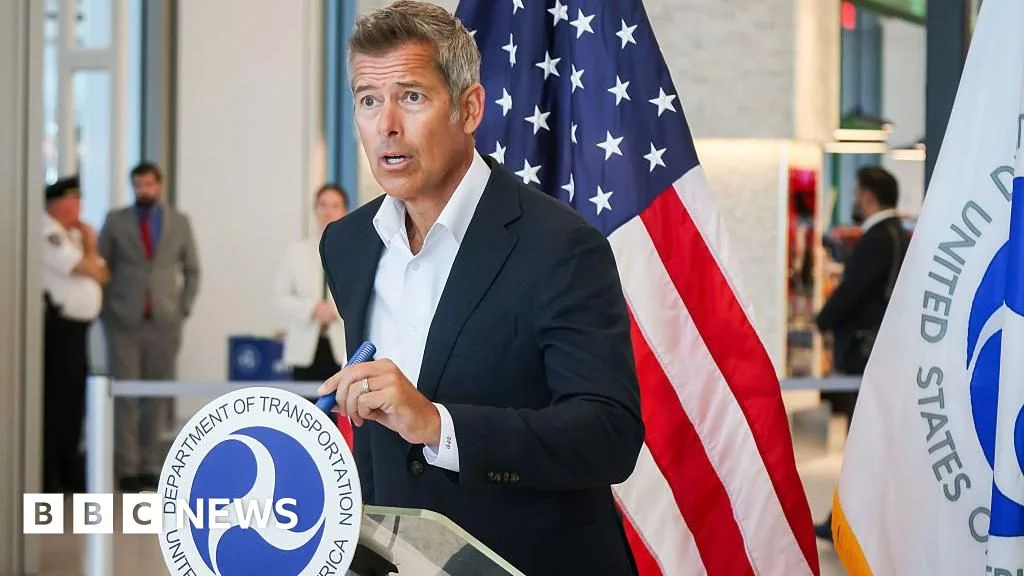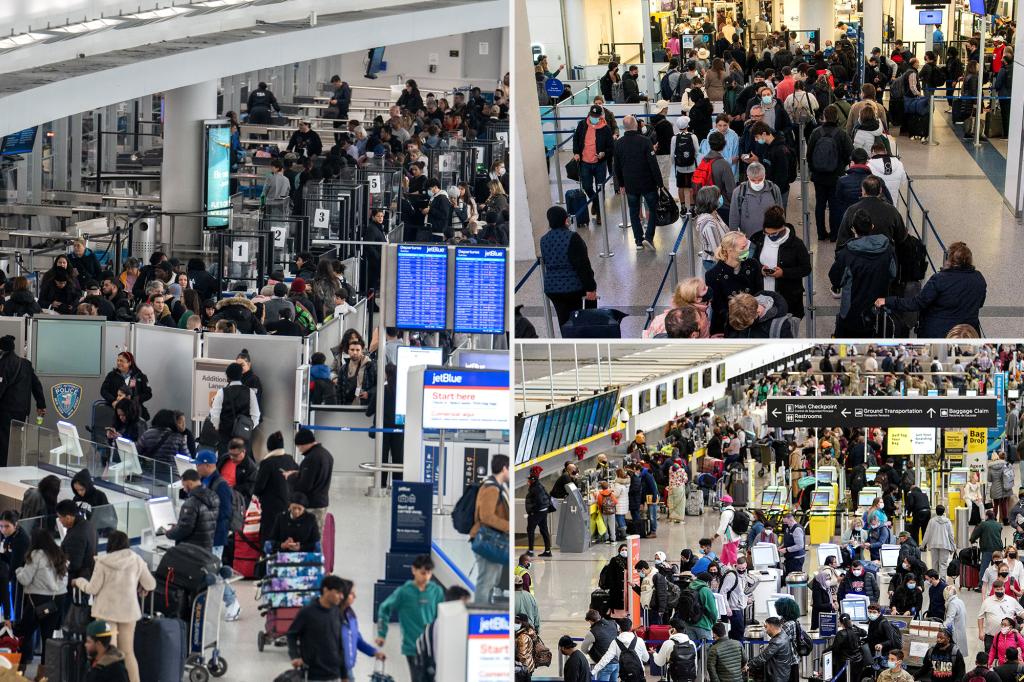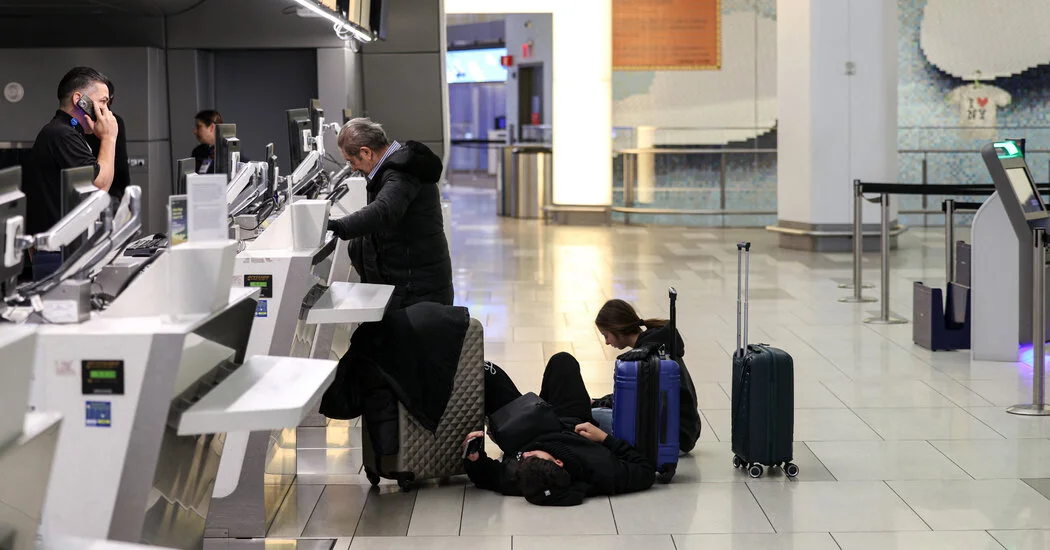
Flight reductions at 40 major US airports will stay at 6% instead of increasing to 10% as more air traffic controllers return to work, following safety concerns and staffing shortages caused by the government shutdown. The FAA and transportation officials emphasize safety and data-driven decisions, with the situation still under assessment. Airlines are optimistic about returning to full capacity soon, but the disruptions have caused significant flight cancellations and operational challenges ahead of the holiday travel season.
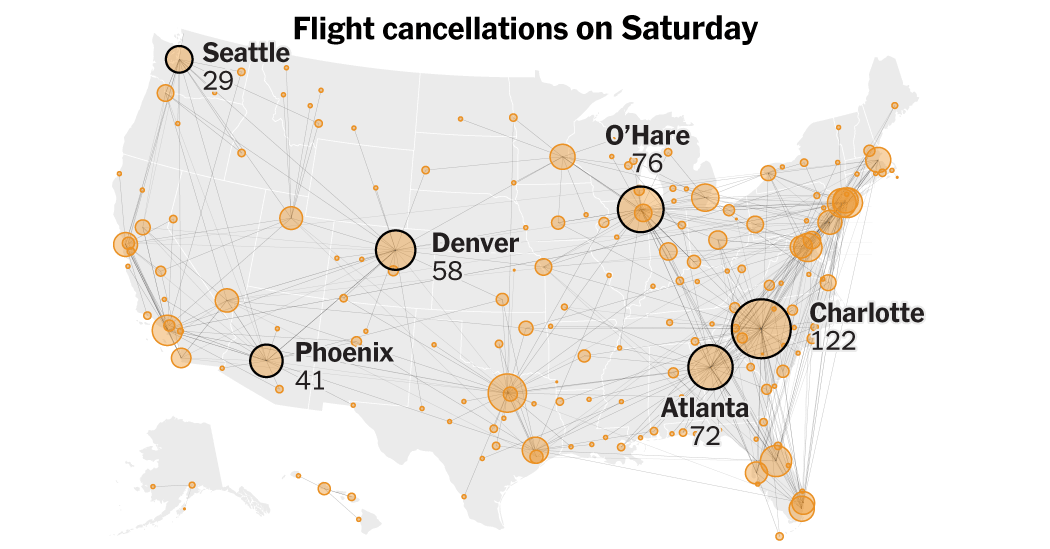
Hundreds of flights across the US were canceled due to government shutdown-related staffing issues, with over 4,300 cancellations since the shutdown began, affecting major airports nationwide and prompting phased flight reductions to ease air traffic pressure.
Over 1,100 flights were canceled nationwide on Sunday due to ongoing staffing issues at the FAA, marking a continuation of the longest government shutdown in US history that has caused over 3,700 cancellations since Friday, with disruptions expected to persist.
US airports experienced over 20 air traffic controller shortage incidents in one day, leading to ground stops and delays, as the ongoing government shutdown affects staffing and training at the FAA, with many controllers working unpaid and taking second jobs, raising safety and operational concerns.
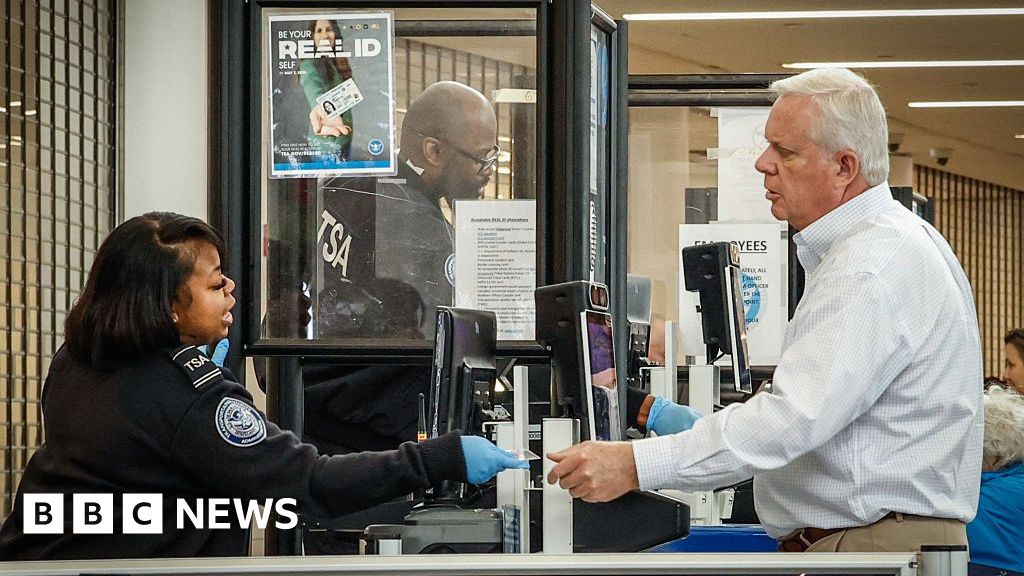
Flight delays at major U.S. airports are persisting due to staffing shortages caused by the ongoing government shutdown, with increased sick calls among TSA officers and air traffic controllers leading to sporadic delays and cancellations, especially during the Columbus Day weekend.
During the US government shutdown, Transportation Secretary Sean Duffy threatened to fire absent air traffic controllers, blaming a small subset for causing significant flight delays and cancellations, while emphasizing that only those who do not show up for work will not be paid. The shutdown has led to widespread disruptions at airports, delays, and potential delays in federal worker pay, with ongoing political disagreements hindering a resolution.
The ongoing US government shutdown has caused staffing shortages at airports, leading to increased flight delays and disruptions, with concerns about worsening impacts on holiday travel and airport operations as critical federal workers continue to work without pay.
United Airlines has halted flights across major US airports due to a technology issue, causing over 700 delays and ground stops at airports including Chicago, Denver, Houston, San Francisco, and New Jersey. Flights already in the air are continuing, and regional flights are unaffected but may experience delays. The airline is working to resolve the issue, prioritizing safety.
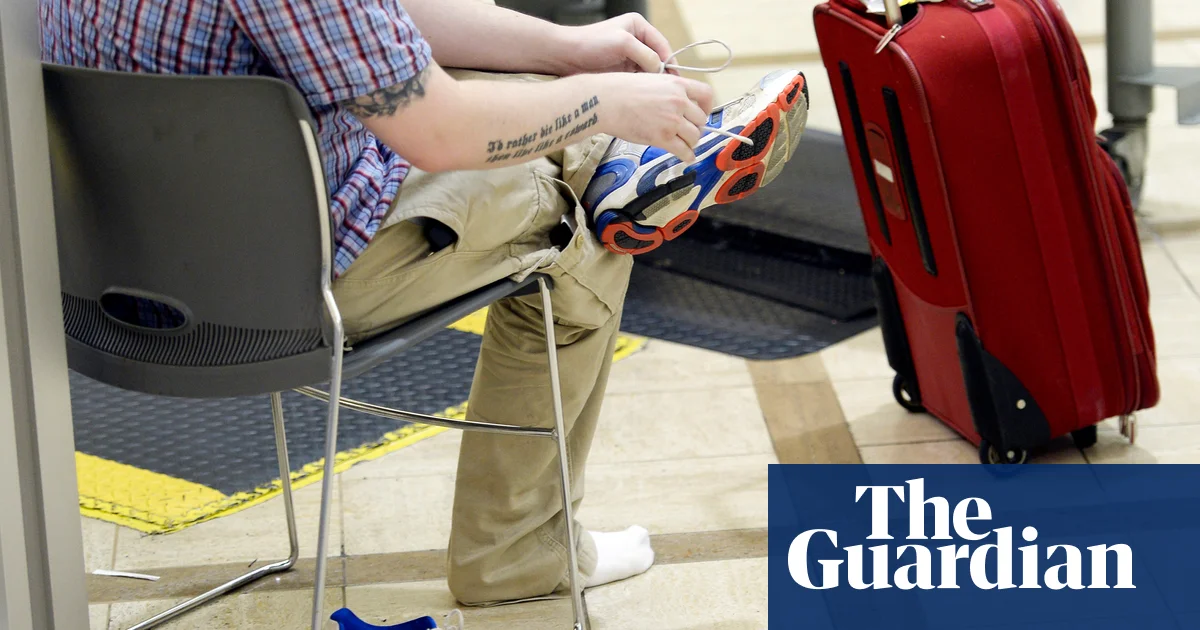
The TSA has officially ended the two-decade-old requirement for passengers to remove shoes during security screenings at US airports, citing advancements in security technology and a multi-layered security approach, while maintaining other screening protocols.
Travelers at US airports no longer need to remove their shoes during security checks for the first time in nearly 20 years, thanks to advancements in security technology, which aims to reduce wait times while maintaining safety standards.
The article ranks the 50 best U.S. airports in 2025 based on traveler feedback, ease of access, design, amenities, and unique features, highlighting airports like Detroit, Salt Lake City, Indianapolis, Albuquerque, Providence, and others that excel in providing a pleasant travel experience.
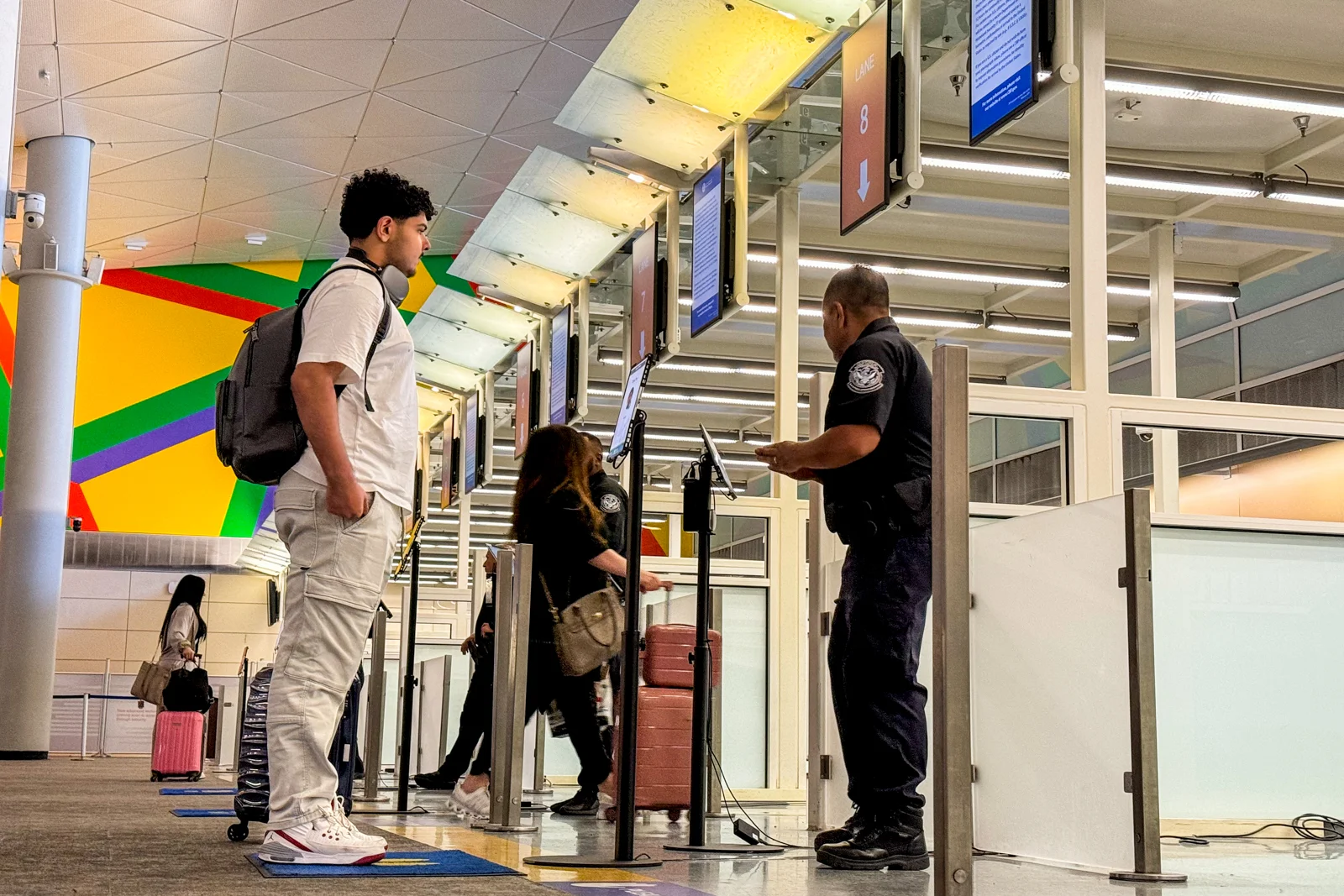
A new biometric, contactless passport control program called Enhanced Passenger Processing (EPP) is now available at over a dozen major US airports, offering a faster, fee-free alternative to Global Entry for U.S. citizens, significantly reducing wait times and streamlining international arrivals.
A 57-year-old Russian woman, Svetlana Dali, was charged with being a stowaway on a New York-to-Paris flight after evading security by blending in with a flight crew. She admitted to previous attempts to travel without a ticket at other US airports. Dali, who has no prior criminal history, was released with strict bail conditions, including electronic monitoring and a ban from airports. Her lawyer suggested her actions were due to a mental health issue, while the prosecution highlighted significant security concerns.
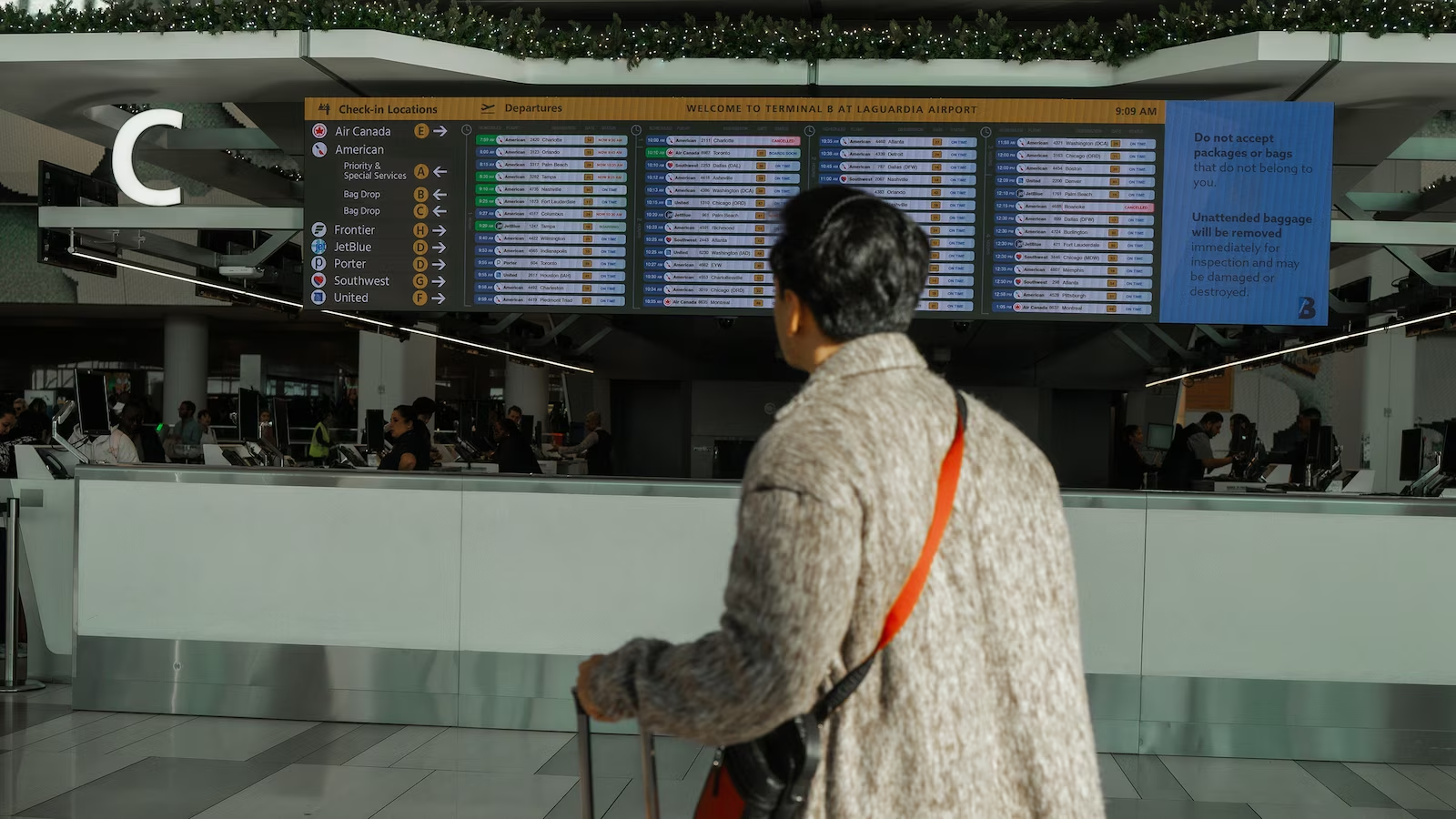
Skytrax's ratings of US airports revealed that only two airports, William P. Hobby Airport in Houston and Terminal B in New York’s LaGuardia Airport, received five stars, while more than three dozen US airports were rated as "fair or average." The five busiest US airports, including Atlanta Hartsfield International Airport, Dallas/Fort Worth International Airport, Denver International Airport, Chicago O’Hare International Airport, and Los Angeles LAX International Airport, each received three stars, with criticisms ranging from inefficient immigration and security staffing to dated terminal interiors and limited facilities.
The Sunday after Thanksgiving set a new record as the busiest day ever at U.S. airports, with over 2.9 million passengers screened by the Transportation Security Administration (TSA), surpassing the previous record set in June. Despite the high volume of travelers, flight operations remained relatively smooth, with only a small percentage of flights canceled. Airlines took precautions to avoid the disruptions experienced last year, including Southwest, which purchased additional deicing trucks and updated crew-scheduling technology. The government also increased staffing and opened new air routes to accommodate the holiday travel season.