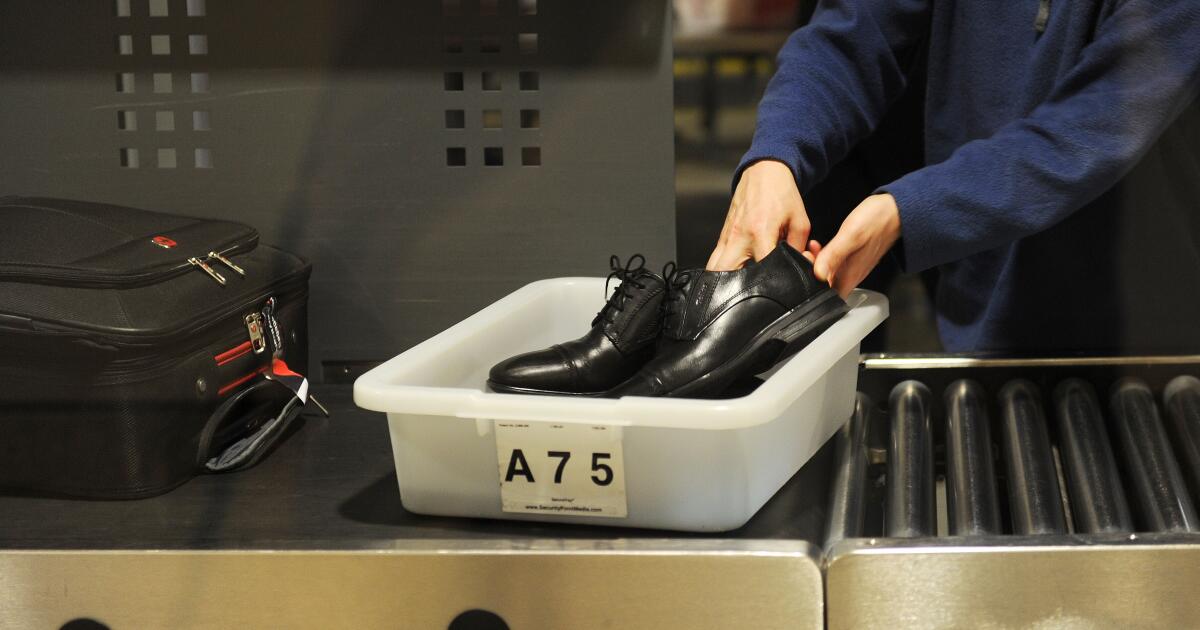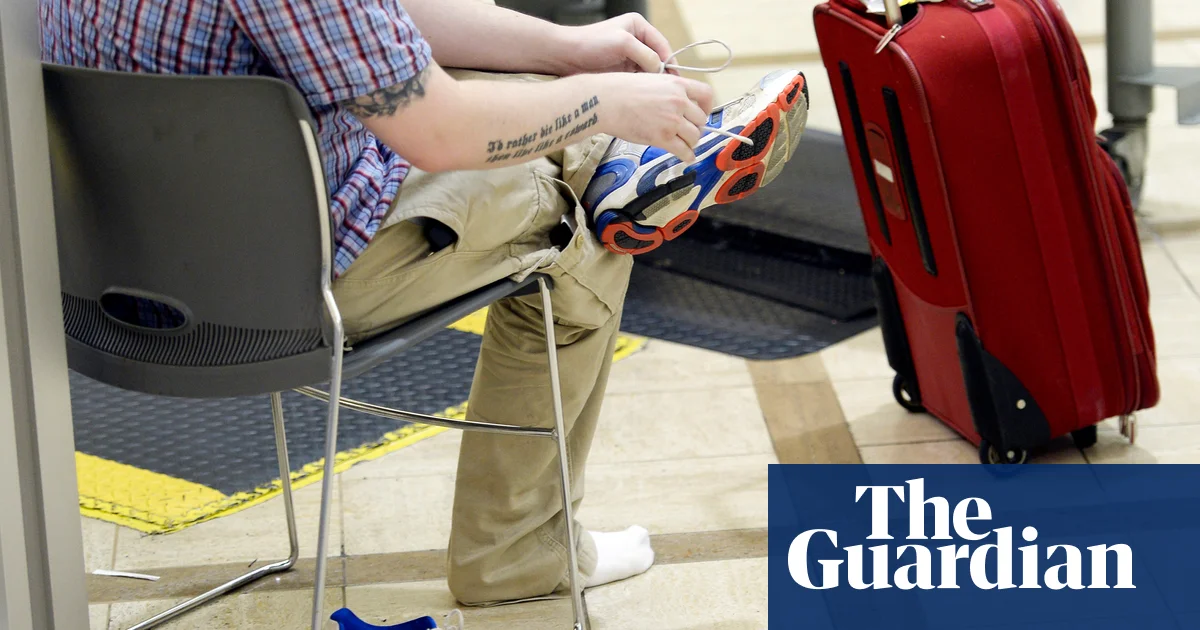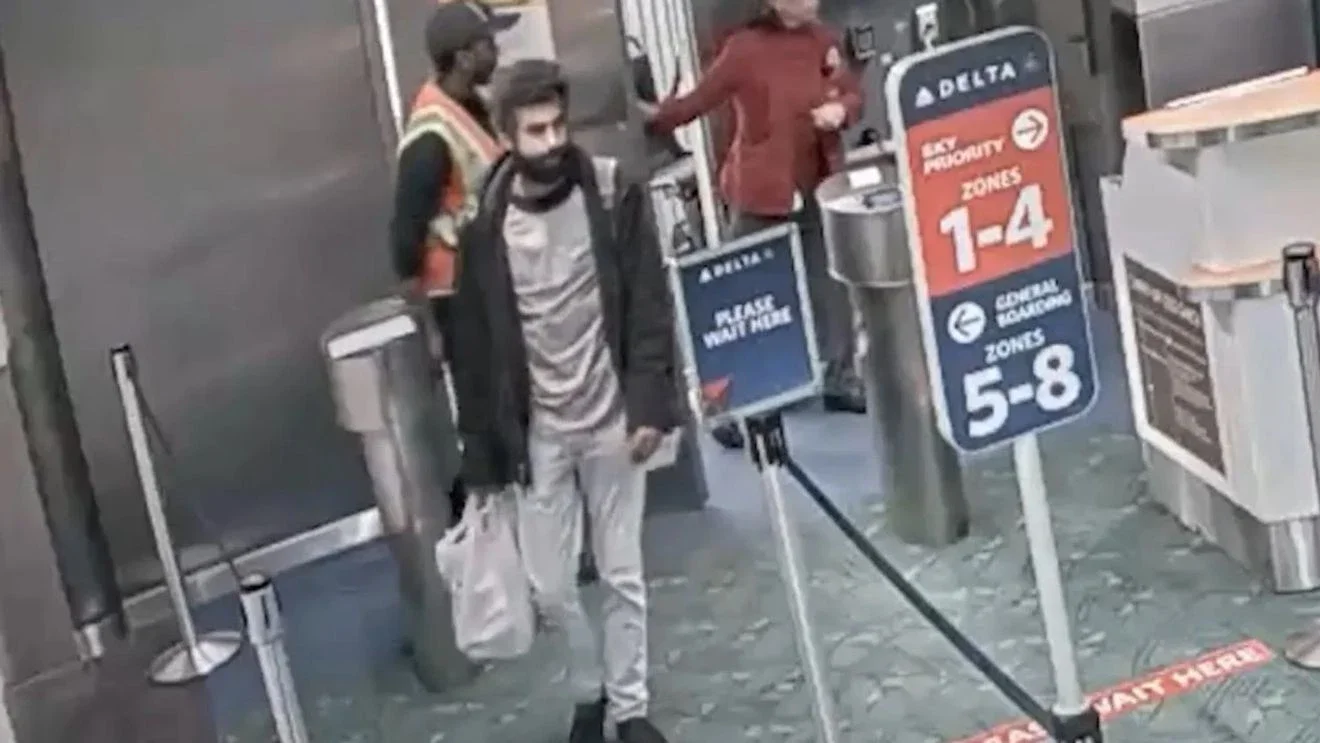
The TSA has implemented a new policy allowing travelers to keep their shoes on during security screenings at some U.S. airports, aiming to streamline the process ahead of major events like the Olympics and World Cup. The change, already in effect at select airports, is part of broader efforts to improve efficiency and security, with plans to expand nationwide. The policy shift follows technological advancements and research into new screening methods, including shoe-specific scanners.
Travelers at US airports no longer need to remove their shoes during security checks for the first time in nearly 20 years, thanks to advancements in security technology, which aims to reduce wait times while maintaining safety standards.
The TSA is ending the long-standing requirement for travelers to remove their shoes at airport security checkpoints, starting at some airports including LaGuardia, marking a significant change after nearly 20 years.
A woman who underwent a mastectomy 15 years ago was forced to remove her breast prosthesis in public after it set off security scanners at Dublin Airport, causing public outcry. The airport has apologized and promised to investigate the incident, admitting that the situation could have been handled better. The passenger, Réaltán Ní Leannáin, expressed her distress and emphasized the need for sensitivity towards post-mastectomy travelers, while also seeking assurance that similar situations will be avoided in the future.
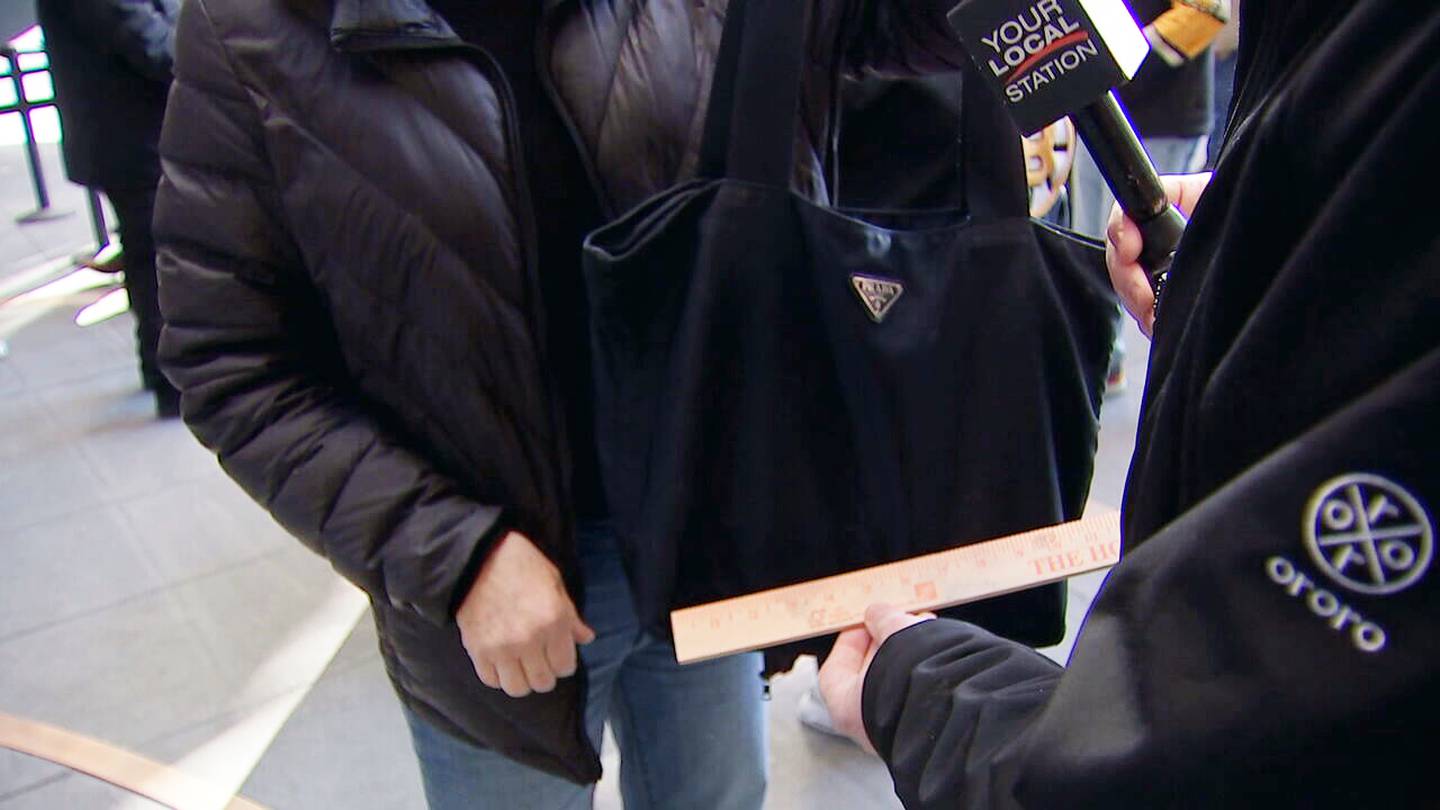
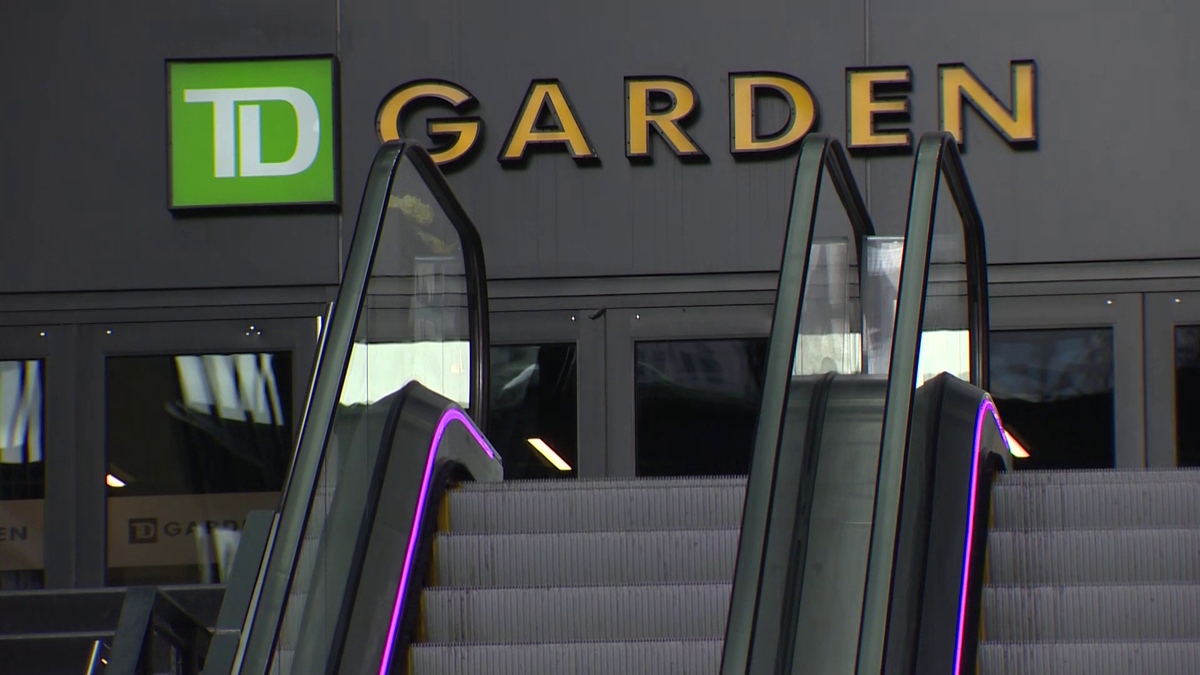
Boston's TD Garden has implemented a new bag policy, prohibiting bags larger than 6x4 inches and requiring frictionless security screening for entry. Fans are upset, with some calling the policy "totally ridiculous," while the arena's president emphasizes the importance of safety and security. Lockers are available for a $15 fee, with exceptions for diaper and medicine bags, and a new AI screening system aims to streamline the entry process.
TD Garden in Boston debuted AI-based security screening technology from Waltham-based Evolv Technology, coinciding with a new bag policy that limits attendees to small bags. Exceptions are made for specific items, and fans with non-compliant bags will be directed to check their items for a fee. The policy sparked criticism on social media due to its impracticality, with officials citing the change as a response to implementing Evolv's security screening equipment, which uses sensors and AI to detect concealed weapons without requiring fans to empty their pockets or bags.