Tag

Ursid Meteor Shower

All articles tagged with #ursid meteor shower

science27 days ago

Upcoming Meteor Showers in December 2025: When and Where to Watch

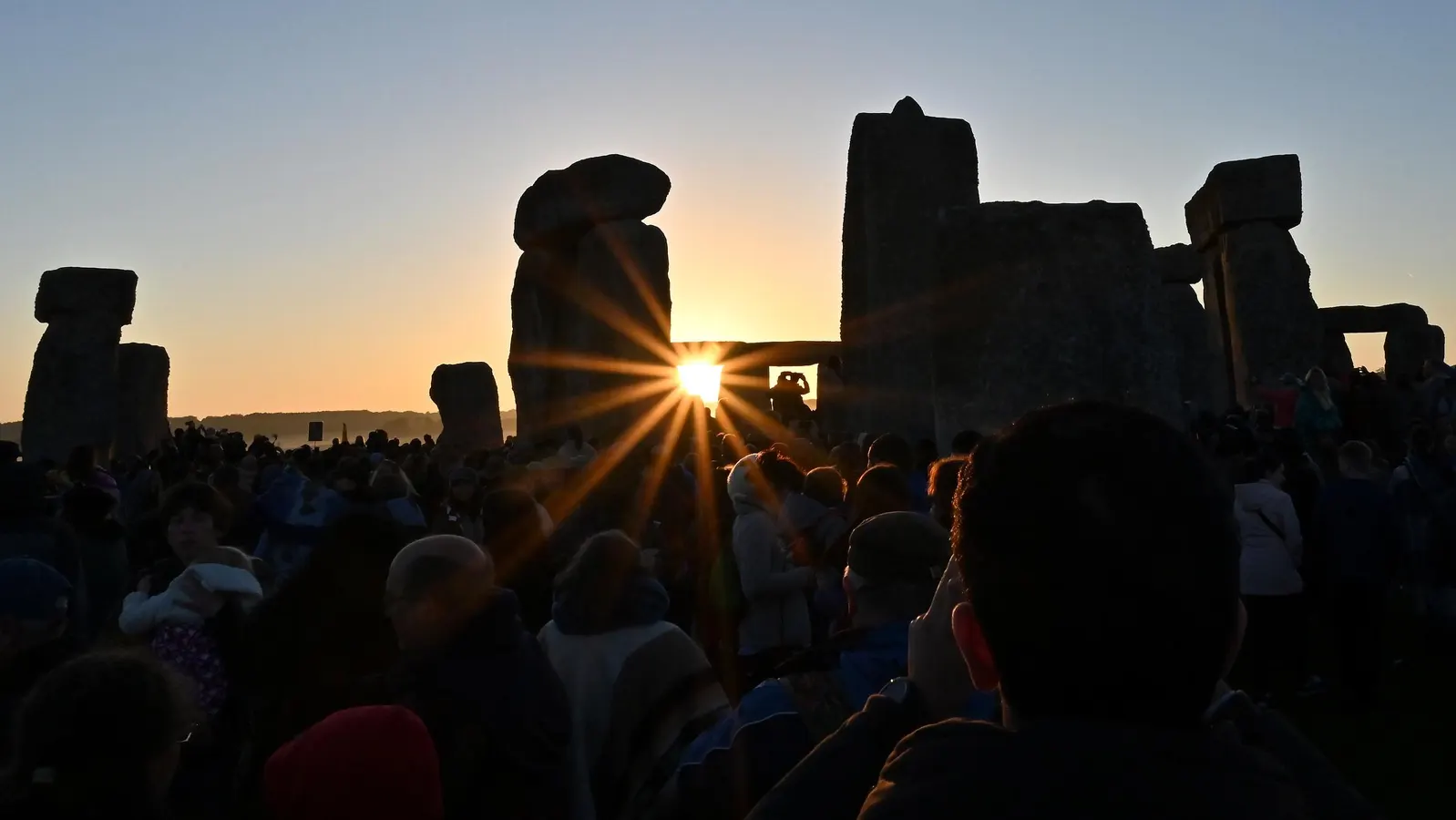
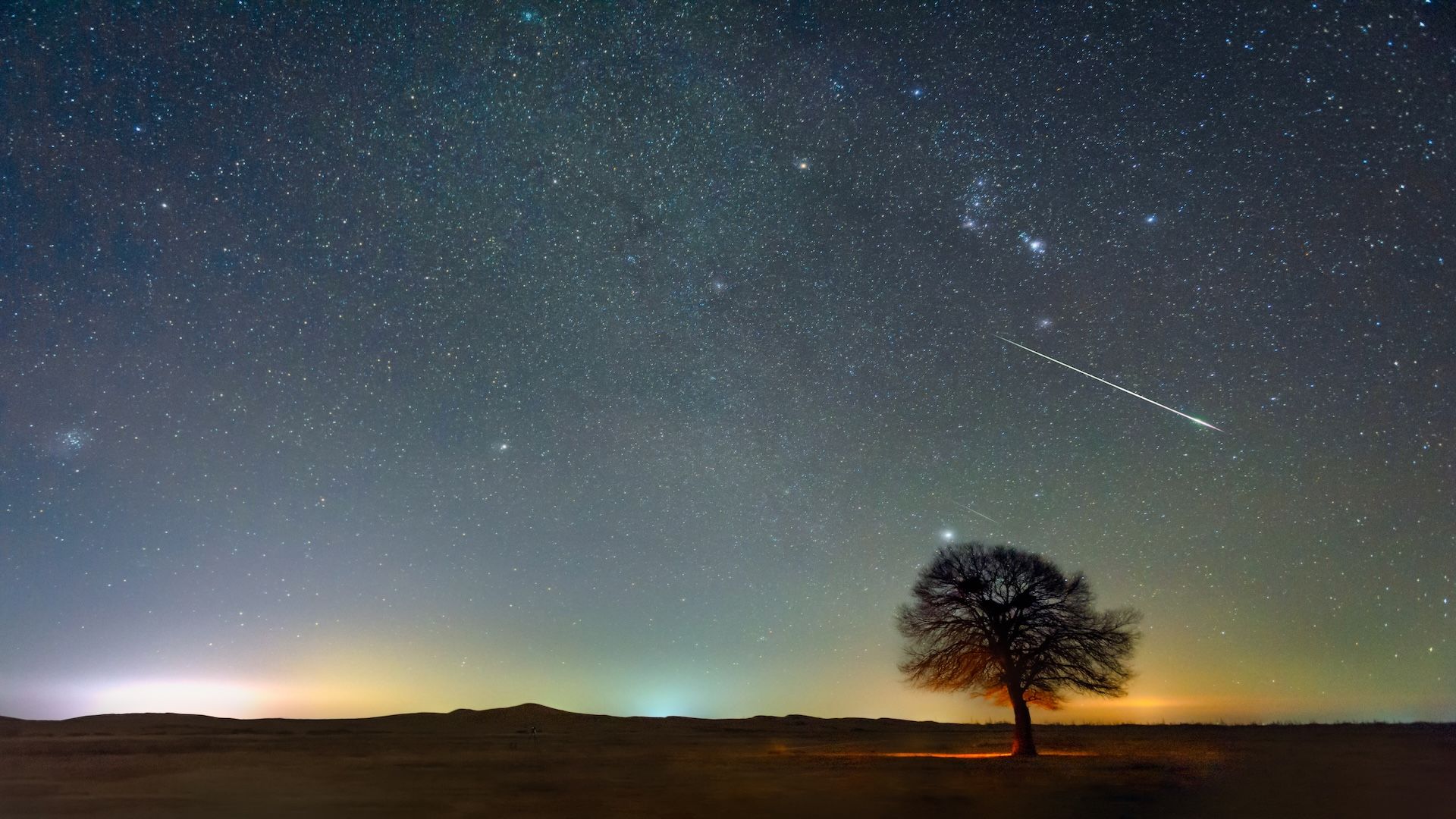
The Ursid meteor shower peaks overnight on December 21-22, 2025, coinciding with the winter solstice, offering a great opportunity for stargazing under dark skies, especially before dawn on December 22 when the radiant point is highest in the northern sky. The shower, caused by debris from Comet 8P/Tuttle, usually produces 5-10 meteors per hour but can have outbursts exceeding 25, with historical peaks of 100 meteors per hour.
astronomy2 years ago

Unraveling the Mystery of the Star of Bethlehem

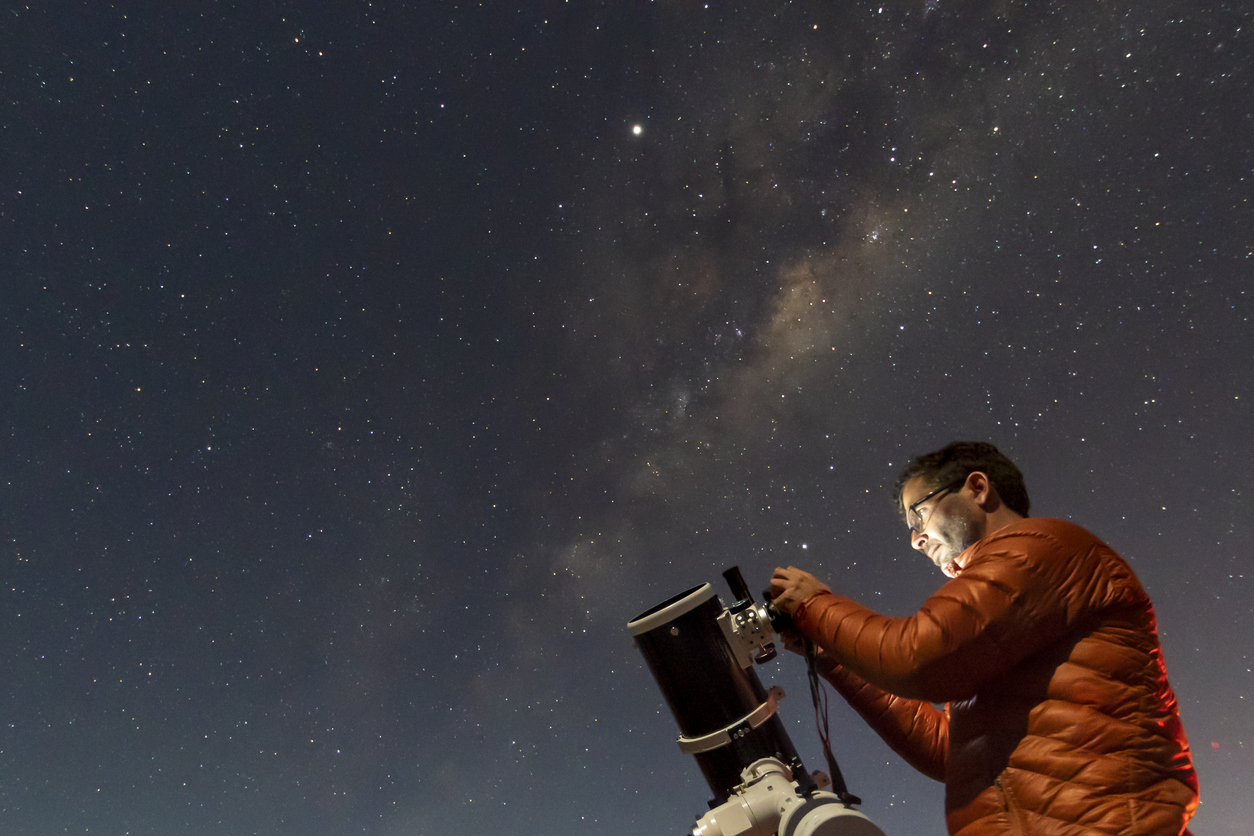
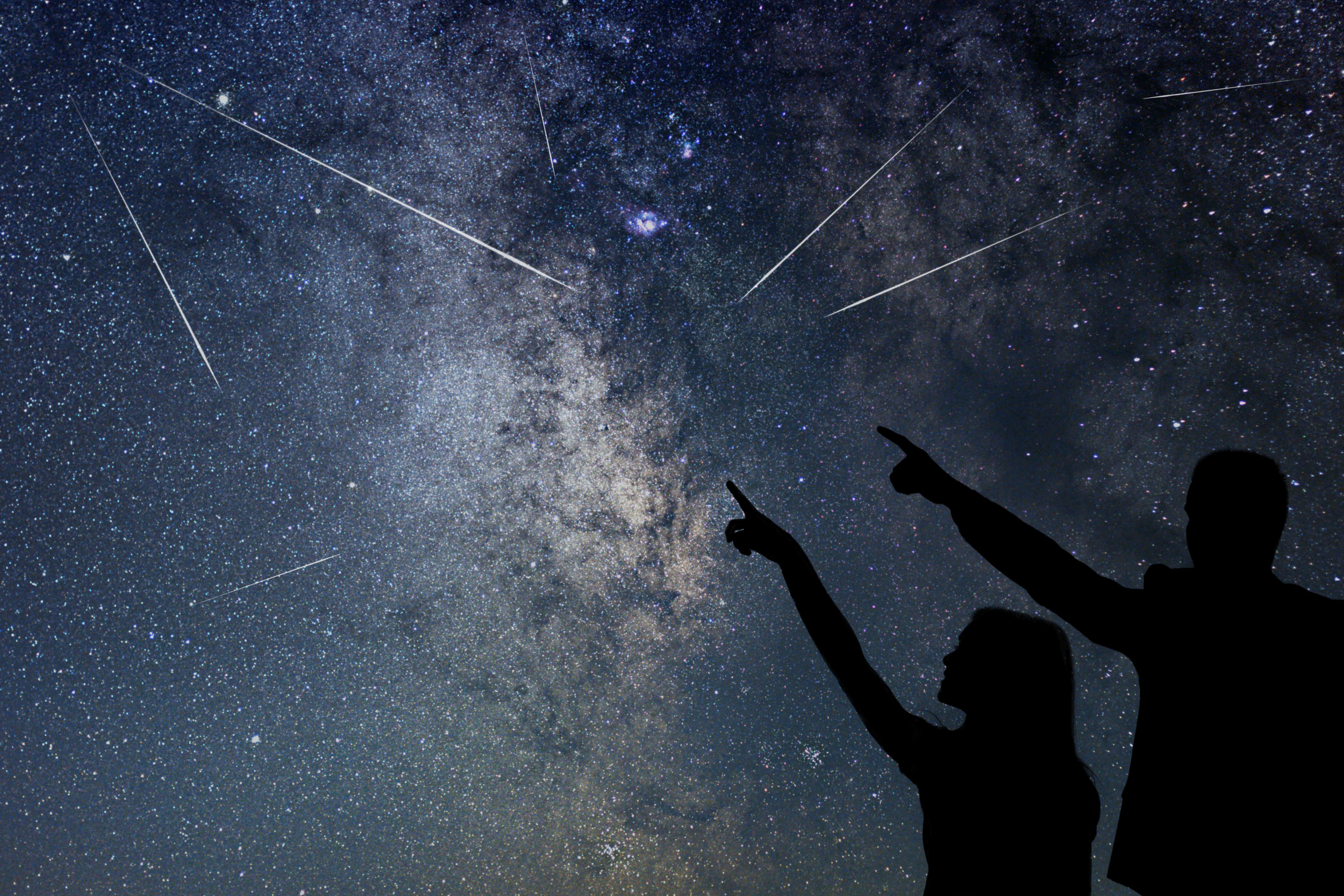
This week, two "Stars of Bethlehem" will light up the night sky, which are actually Jupiter and Venus. Jupiter, the largest planet in our solar system, is currently at its brightest point and can be seen throughout the night. Venus, our closest neighbor, is known as the "Morning Star" and rises before sunrise. Additionally, the rare "Great Conjunction" of Saturn and Jupiter occurred on December 21, 2020, creating a spectacular view. The next occurrence of this event won't happen until 2080. The annual Ursid meteor shower will also peak on December 22, offering viewers the chance to see five to 10 shooting stars per hour.

astronomy2 years ago

Don't Miss the Spectacular Ursid Meteor Shower Lighting Up the Holiday Skies

The Ursid meteor shower is set to peak on December 22 and 23, with an expected rate of five to ten meteors per hour. Best viewed during the darkest hours in areas with low light pollution, the shower originates from the constellation Ursa Minor and is visible primarily in the Northern Hemisphere. However, the brightness of the moon and other forms of light pollution may hinder visibility. The Ursids are caused by the Earth intersecting with debris from the comet 8P/Tuttle, resulting in streaks of light known as meteors.

astronomy2 years ago

"Stunning Celestial Display: Christmas Star Shines as Shooting Stars Fall"

This week is ideal for stargazing in the northern hemisphere due to the solstice, which brings the longest nights of the year. However, the moon will be bright and visible throughout the week, making it harder to observe faint stars and constellations. On December 19, the moon reaches its First Quarter phase, becoming 50% lit. On December 21, the solstice occurs, marking the shortest day and longest night of the year. The moon will also meet Jupiter on December 21/22 and the Pleiades on December 23. The Ursid Meteor Shower will peak this week, but the moon's brightness may hinder visibility.