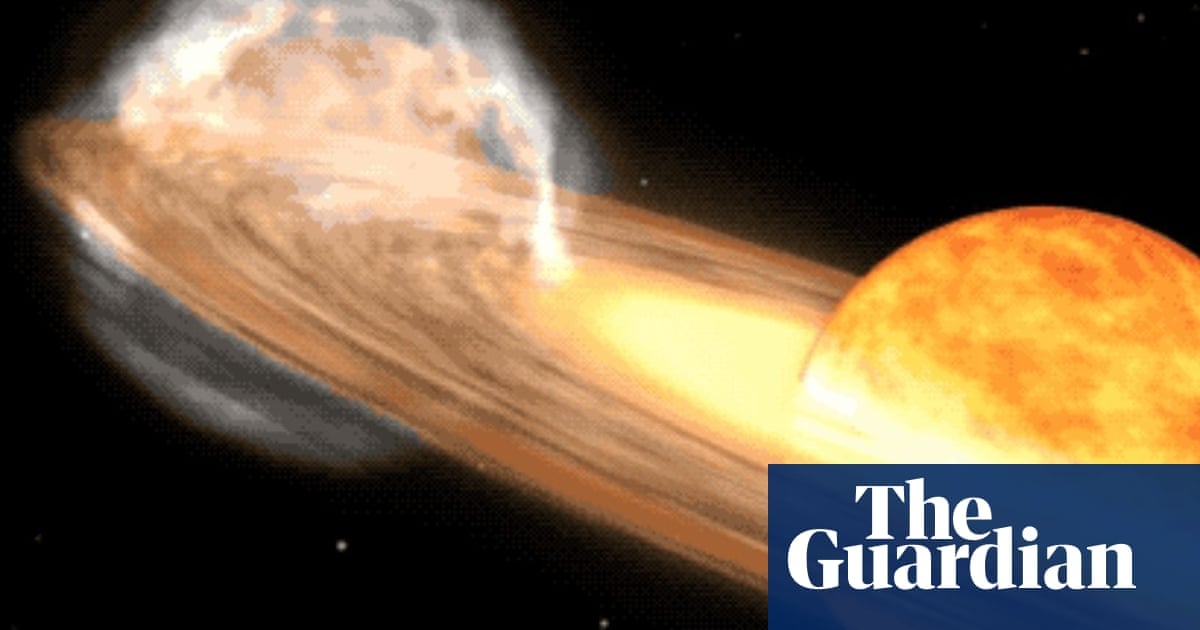
The University of Warwick is using AI and machine learning to simulate and analyze supernovae, significantly speeding up the process and improving accuracy, which will help astronomers better understand these cosmic explosions.
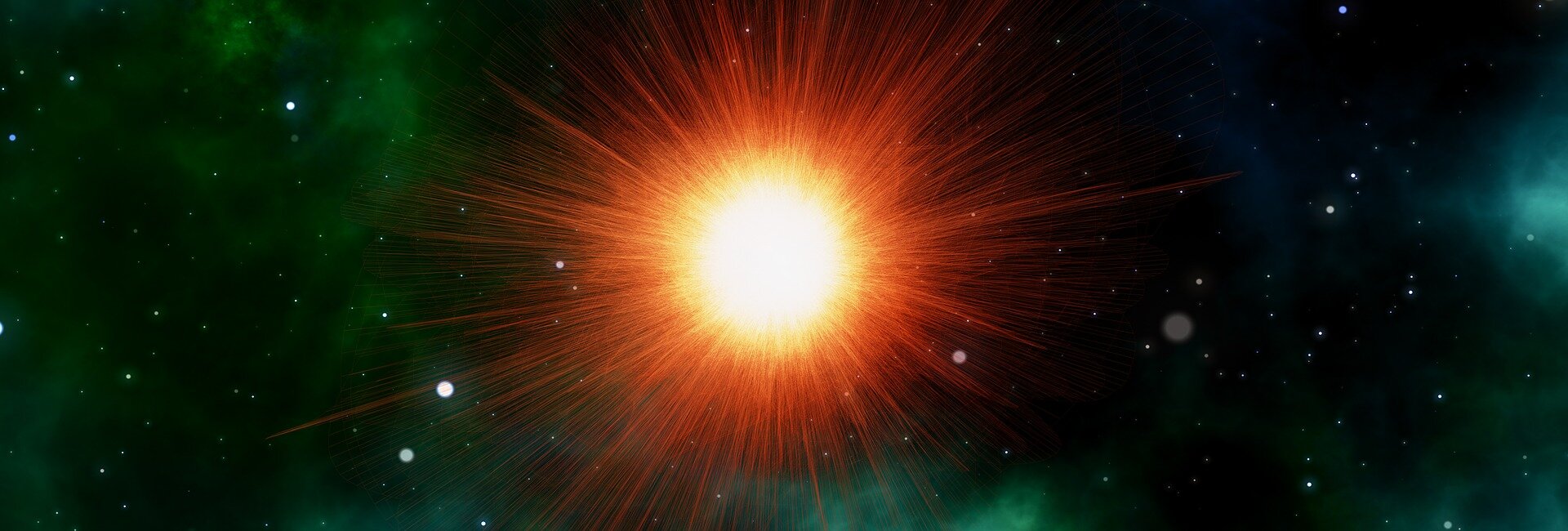
Scientists at the University of Warwick are using machine learning to analyze supernovae, significantly speeding up the process of generating models to understand these cosmic explosions. This AI approach allows for the creation of thousands of models in seconds, enhancing the accuracy and depth of supernova research by comparing explosion models to real-life observations.
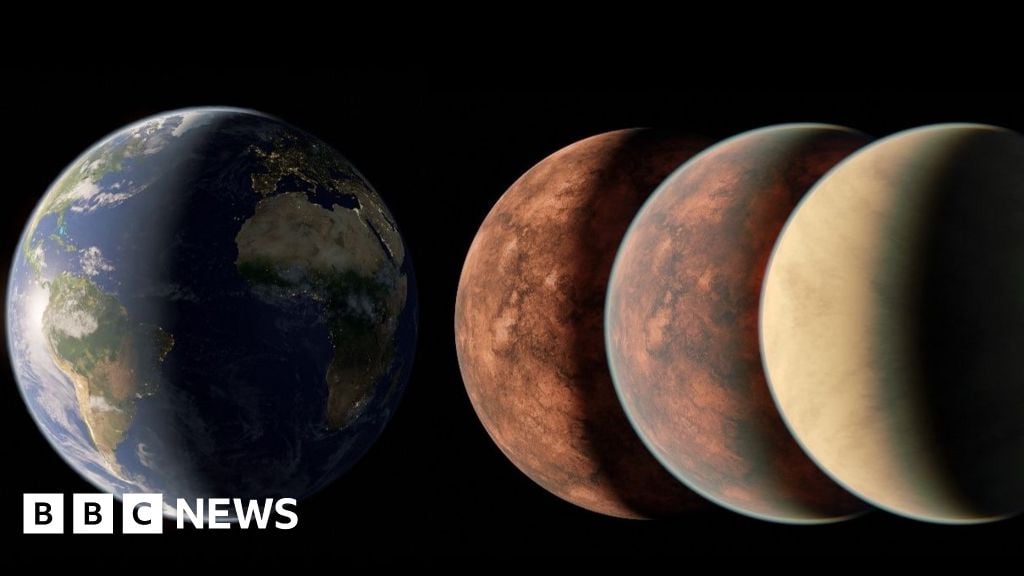
Researchers at the University of Warwick, in collaboration with NASA and ESA, have discovered an Earth-sized planet named Gliese 12 b, located 40 light years away. The planet has a surface temperature of about 42°C and orbits a red dwarf star in the constellation Pisces. While its distance makes close examination challenging, the discovery is significant for studying planetary habitability and atmospheric conditions.
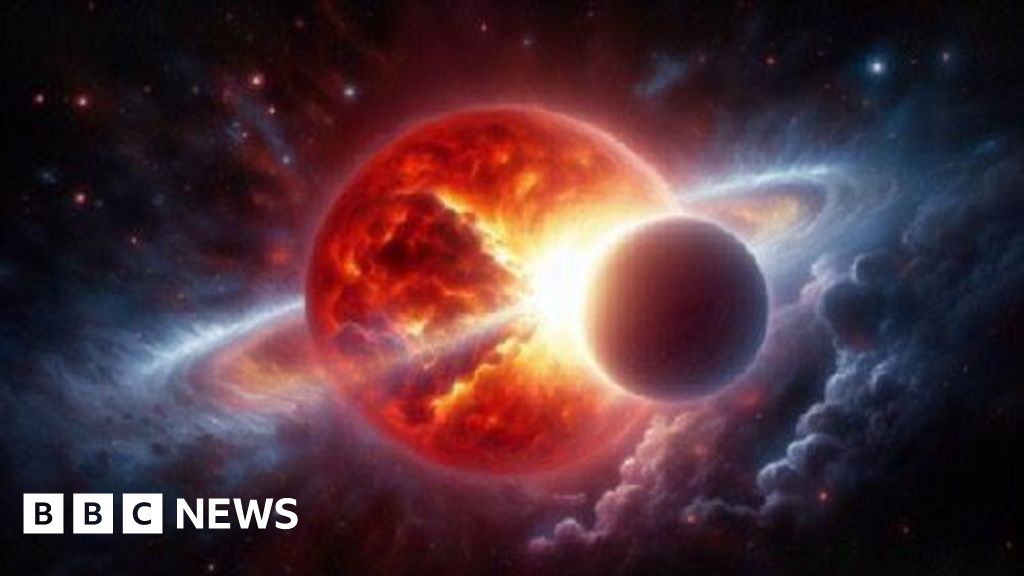
A study by scientists from the University of Warwick and other universities sheds light on the impact of white dwarf stars on planetary systems like our solar system. When asteroids, moons, and planets get close to a white dwarf, its gravity rips them into smaller pieces, eventually grinding them into dust. The study observed changes in brightness of three different white dwarfs over 17 years, revealing chaotic variability and catastrophic events. While Earth will likely be swallowed by the expanding sun before it becomes a white dwarf, other parts of our solar system, including asteroids and moons, may undergo the shredding process near a white dwarf.