Tag

Habitable Planet

All articles tagged with #habitable planet

science-and-technology1 year ago

"New Earth-Sized Planet Gliese 12 b Discovered, Potential for Life"

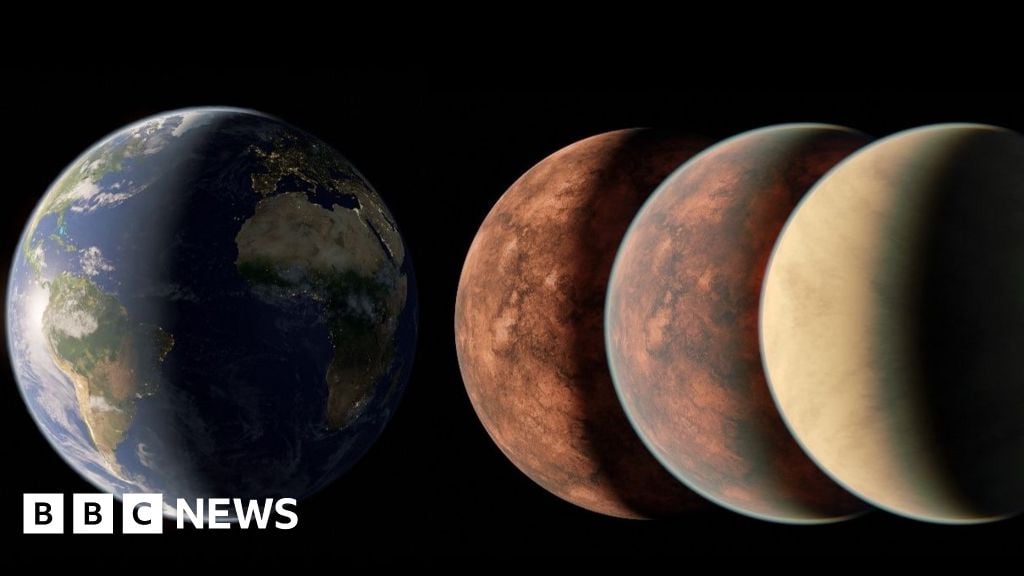
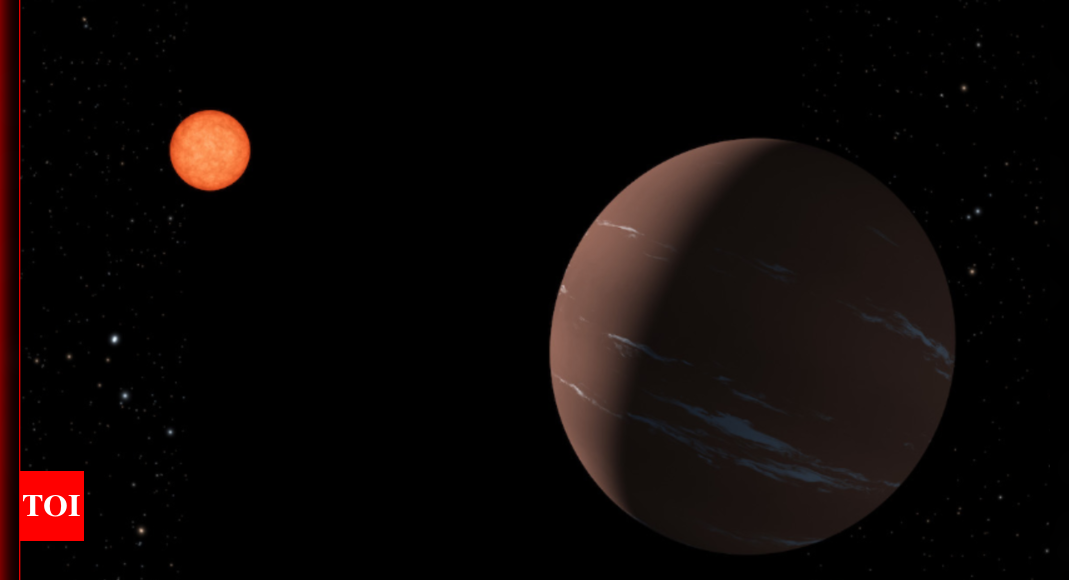
Researchers at the University of Warwick, in collaboration with NASA and ESA, have discovered an Earth-sized planet named Gliese 12 b, located 40 light years away. The planet has a surface temperature of about 42°C and orbits a red dwarf star in the constellation Pisces. While its distance makes close examination challenging, the discovery is significant for studying planetary habitability and atmospheric conditions.
space-exploration1 year ago

"NASA Discovers 'Super-Earth' in Optimal Habitable Zone, Just 137 Light-Years Away"

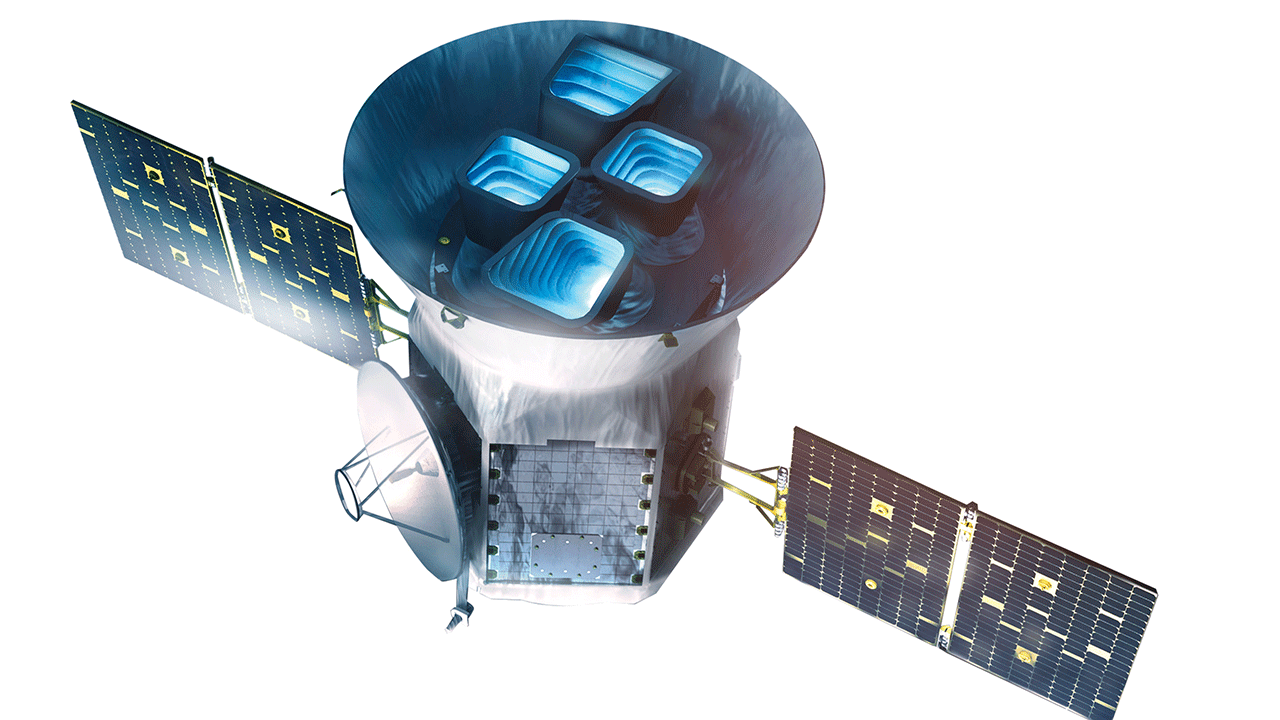
NASA has announced the discovery of a potentially habitable planet named TOI-715 b, located 137 light-years away. This super-Earth is slightly larger than our planet and orbits a small reddish star within the "conservative habitable zone," where liquid water could exist. There is also a second Earth-sized planet in the same system that exhibits similar potentially habitable qualities. These discoveries were made by the Transiting Exoplanet Survey Satellite (TESS), and further exploration will be conducted to learn more about these exoplanets, potentially with the James Webb Space Telescope.

space-exploration1 year ago

NASA Discovers Potentially Habitable "Super-Earth" 137 Light-Years Away

NASA has discovered a potentially habitable "super-Earth" named TOI-715 b, located 137 light-years away. Orbiting a small, reddish star, the planet is approximately 1.5 times the size of Earth and may be within the conservative habitable zone where liquid water could exist. The planet's shorter orbit duration allows for easier study, and NASA plans to further examine it using the James Webb telescope to understand its mass, atmosphere, and potential habitability.

space-exploration1 year ago

"NASA Finds Super-Earth in Habitable Zone 137 Light-Years Away"

NASA has discovered a potential habitable "super-Earth" named TOI-715 b, located 137 light-years away. This planet, orbiting a red dwarf star, is one and a half times larger than Earth and completes an orbit in just 19 days. It has a "conservative" habitable zone, suggesting the possibility of liquid water on its surface. Additionally, a smaller nearby planet may also be within the habitable zone. These findings offer exciting prospects for further exploration and potential signs of life beyond our solar system.

science-and-technology2 years ago

Elon Musk Targets Habitable Planet in Close Proximity.

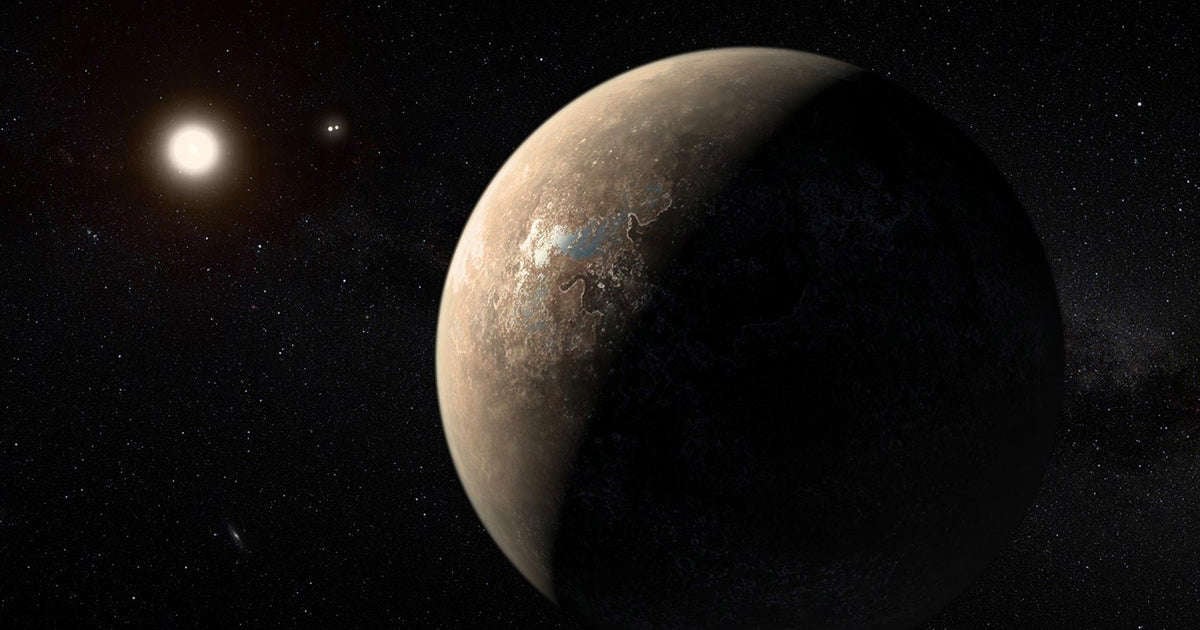
Elon Musk has shown interest in a study detailing the habitability of Proxima Centauri b, an Earth-sized exoplanet located 4.2 light-years away from the Sun. The study concluded that the planet is potentially the closest “highly habitable” planet to our Solar System. Despite its relatively close distance, travelling to Proxima Centauri b requires technology that is still in the conceptual stages of development. Musk has frequently voiced his concerns about humanity’s long-term survival, claiming that setting up self-sustaining colonies on other planets is vital to ensure the continuation of our species. SpaceX has been developing its reusable Starship rocket with the intention of transporting people and cargo across the solar system.

science-and-technology2 years ago

Elon Musk Targets Habitable Planet in Close Proximity.

Elon Musk has shown interest in a study detailing the habitability of Proxima Centauri b, an Earth-sized planet located 4.2 light-years away from the Sun and potentially the closest "highly habitable" planet to our Solar System. The planet sits within the "Goldilocks Zone" of the red-dwarf star Proxima Centauri and computer simulations suggest it can sustain liquid water that may harbour living organisms. Despite its relatively close distance, travelling to the planet requires technology that is still in the conceptual stages of development. SpaceX has been developing its reusable Starship rocket with the intention of transporting people and cargo across the solar system.

science2 years ago

New study challenges theory that melted meteorites brought Earth's water

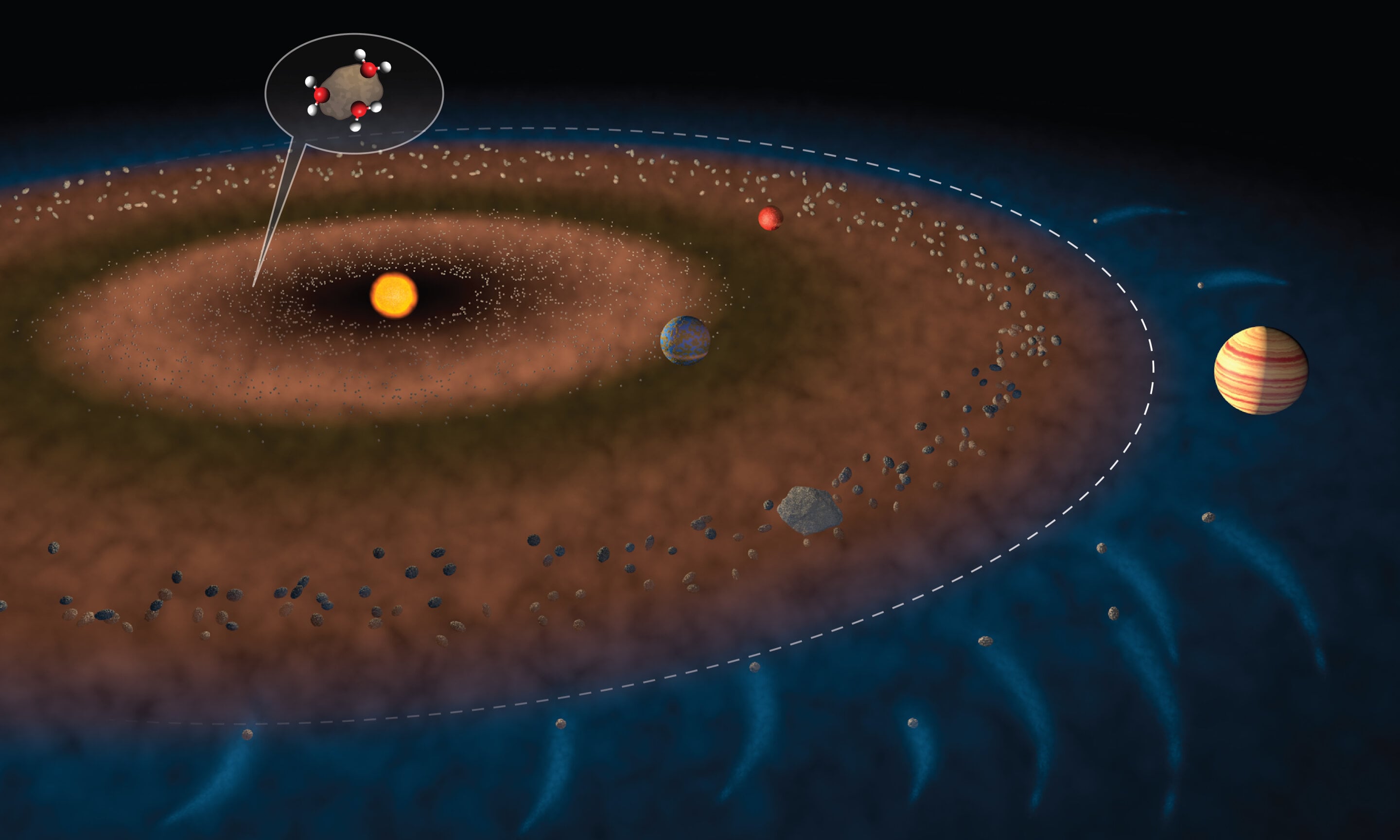
A new study published in the journal Nature has ruled out melted meteorites as the primary source of Earth's water. Researchers analyzed melted meteorites that had been floating around in space since the solar system's formation 4 1/2 billion years ago and found that they had extremely low water content. The team of researchers analyzed seven melted, or achondrite, meteorites that crashed into Earth billions of years after splintering from at least five planetesimals. The heating and melting of planetesimals leads to near-total water loss, regardless of where these planetesimals originated in the solar system and how much water they started out with.