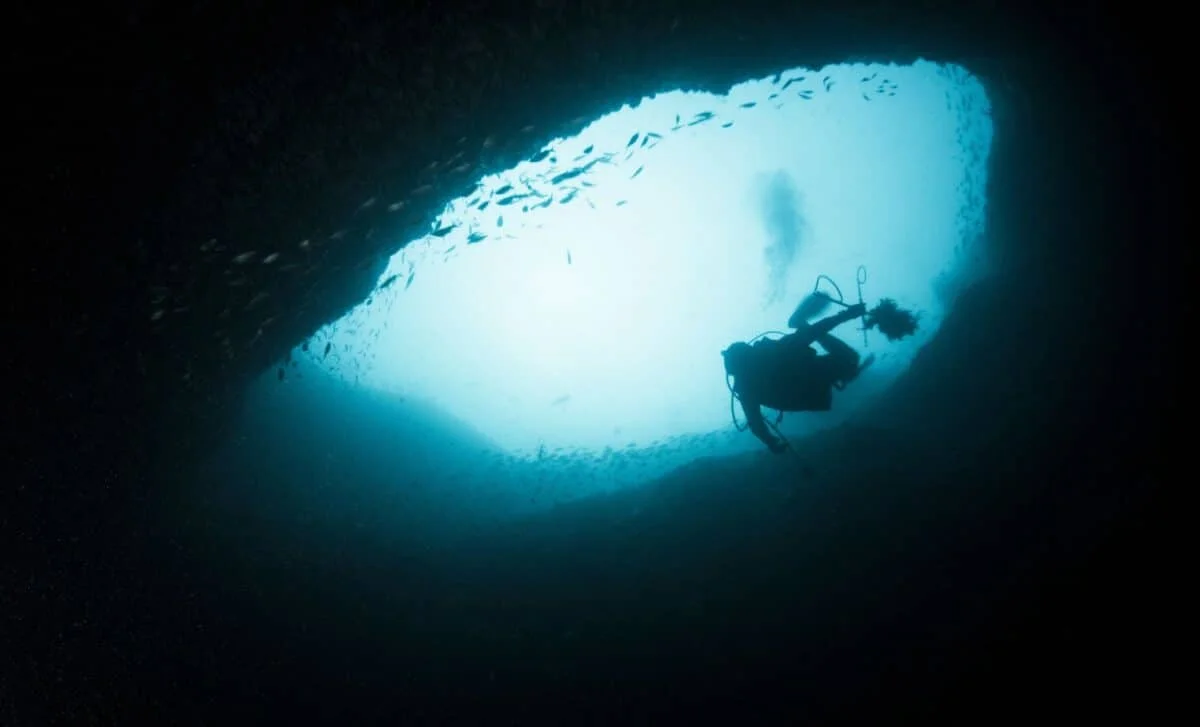
A team of researchers discovered the deepest blue hole on Earth in Chetumal Bay, Mexico, reaching over 420 meters deep, but its bottom remains unexplored due to technological limitations, highlighting the vast unknowns of oceanic caves and ecosystems.
Archaeologist Kathleen Martínez and her team have discovered a sunken port off the coast of Taposiris Magna in Egypt, suggesting the site was a significant maritime hub during Cleopatra's era and possibly the location of her burial, bringing her closer to finding Cleopatra's tomb after two decades of search.
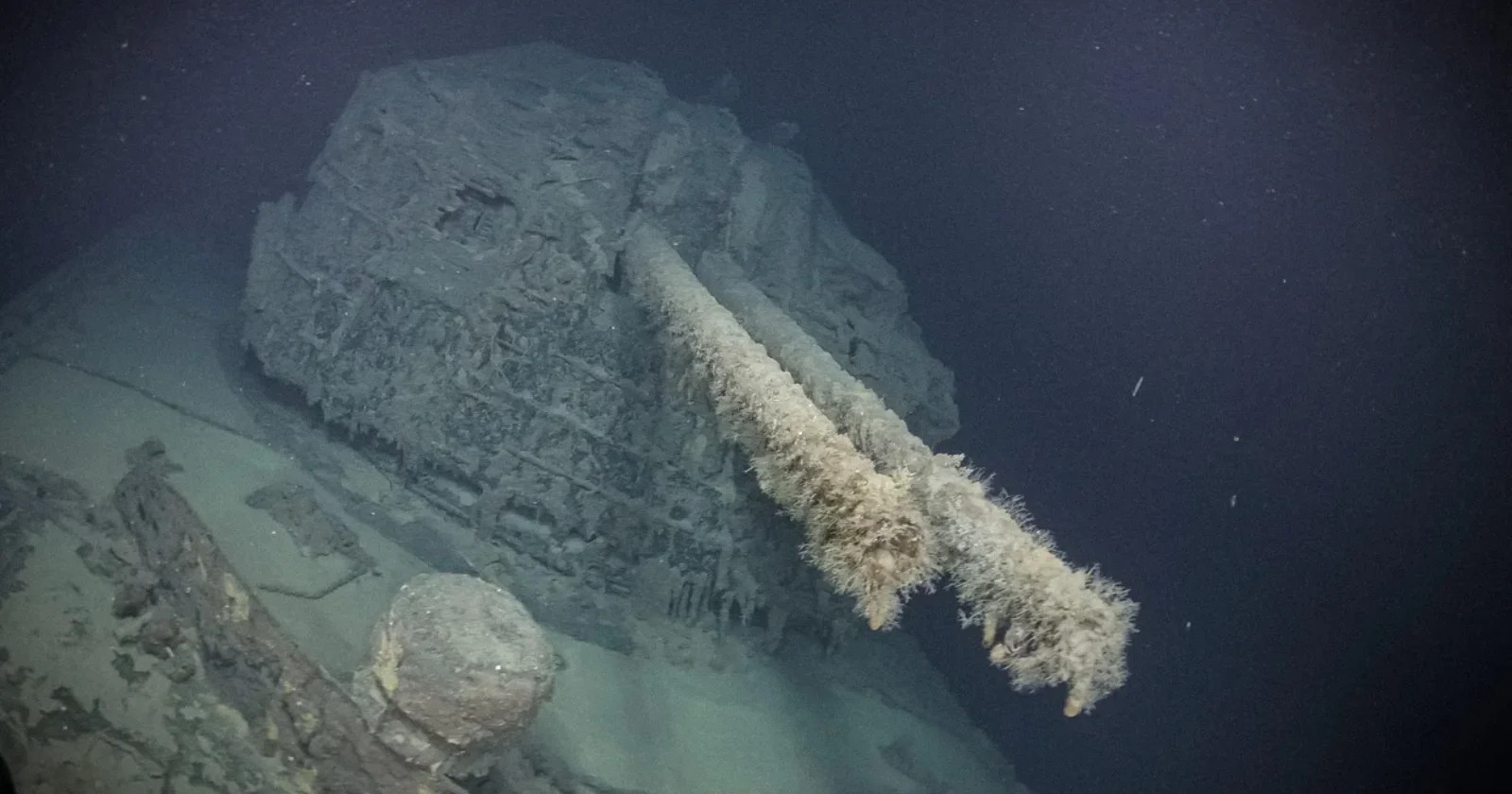
Researchers using remotely operated cameras have captured the first-ever images of the WWII Japanese destroyer Teruzuki, which sank in 1942 near the Solomon Islands. The discovery provides unprecedented visual insight into a long-hidden naval wreck, revealing details of the ship's remains and its volatile munitions after over 80 years underwater.
Scientists discovered a 140,000-year-old city and fossils, including a Homo erectus skull and remains of 36 species, beneath the ocean in Indonesia, providing new insights into early human behavior and the lost landmass of Sundaland.
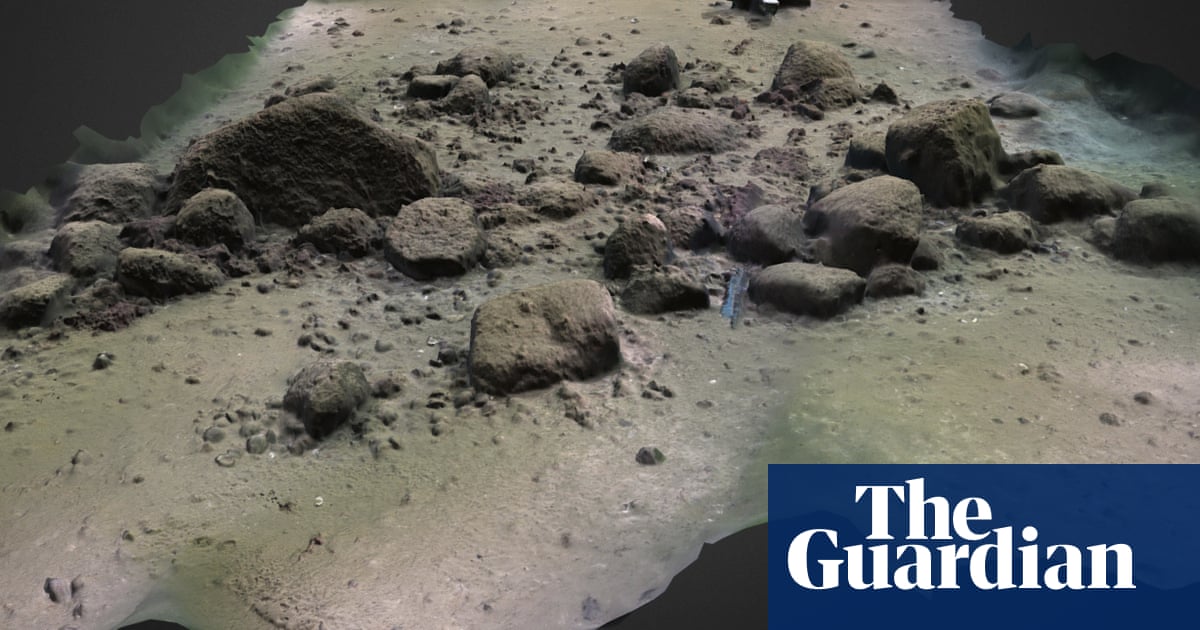
A stone age wall, named the Blinkerwall, discovered at the bottom of the Baltic Sea near Germany's coast, may be Europe's oldest known megastructure, potentially built more than 10,000 years ago by hunter-gatherers to create a driving lane for hunting herds of reindeer. The 971-meter-long wall, covered by 21 meters of water, consists of nearly 1,400 smaller stones connecting larger boulders, suggesting intentional construction. Researchers believe it was submerged with rising sea levels about 8,500 years ago and are eager to revisit the site to search for animal bones and human artefacts.
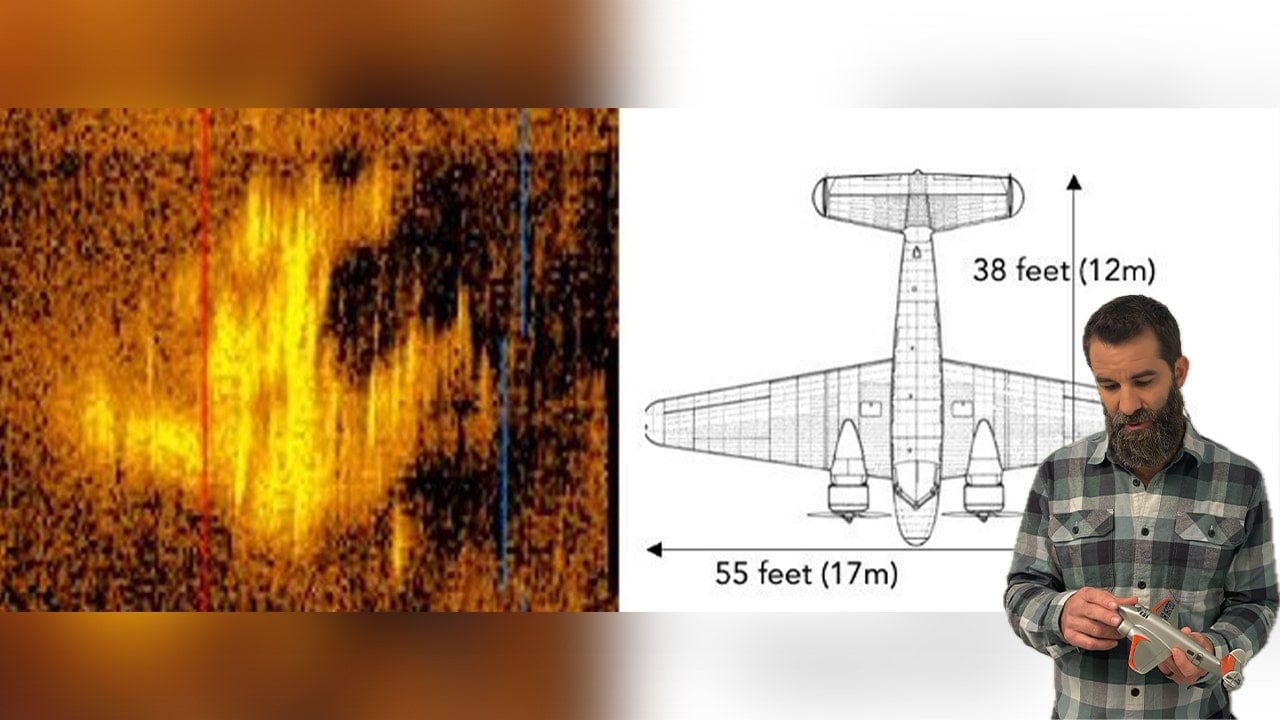
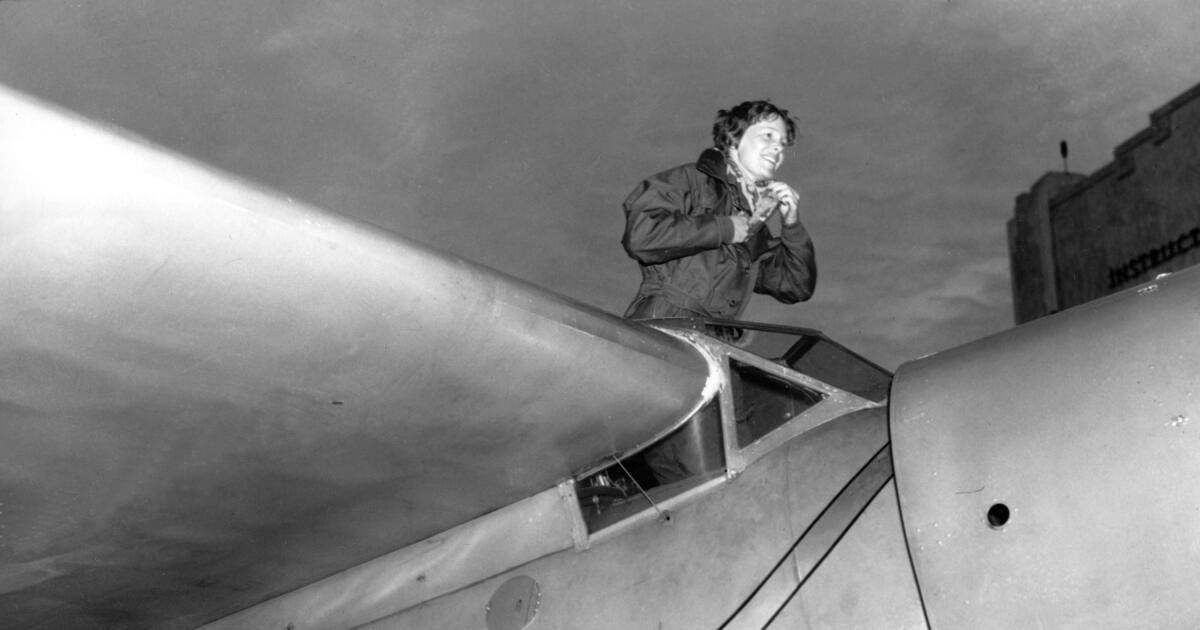
After a 90-day expedition, Tony Romeo and his team believe they have discovered Amelia Earhart's missing plane at a depth of 16,000 feet near Howland Island. Sonar images show what Romeo is "certain" is the wreckage of Earhart's plane, backed by the Scripps Institute and the Smithsonian. The discovery could solve one of the greatest mysteries in aviation history, and Romeo plans to return for further exploration and confirmation of the find.
Deep-sea exploration company Deep Sea Vision believes it has found Amelia Earhart's plane, the Lockheed 10-E Electra, in the Pacific Ocean based on sonar images taken 5,000 meters below the surface. The founder, Tony Romeo, has spent $11 million on the search and plans to return for better images. The discovery could potentially solve the mystery of Earhart's disappearance in 1937, which has led to various conspiracy theories and failed searches over the years. If confirmed, the relatively intact state of the plane suggests a gentle landing on the water, supporting the theory that Earhart attempted to land the aircraft after running out of fuel.
Charleston pilot Tony Romeo, inspired by Amelia Earhart's story, embarked on a mission to find her plane at the bottom of the Pacific Ocean. Using an autonomous underwater vehicle, his crew captured a sonar image resembling a plane about 100 miles from Howland Island, where Earhart disappeared over 80 years ago, marking a potentially significant discovery in the search for the aviation pioneer's lost aircraft.