The article explores the decline of the romantic and sexual allure associated with air travel, highlighting the nostalgic appeal of the Mile High Club and how modern aviation's regulations and culture have diminished its prominence, while also discussing niche services like Love Cloud that attempt to revive the fantasy at cruising altitude.

Fred Smith founded FedEx in 1973, transforming it from a small startup into the world's largest cargo airline through strategic aircraft acquisitions, innovative fleet management, and industry advocacy, until his death at age 80. The company now employs over 500,000 people, operates a vast fleet, and facilitates global commerce, with Smith's hands-on leadership and vision being central to its success.
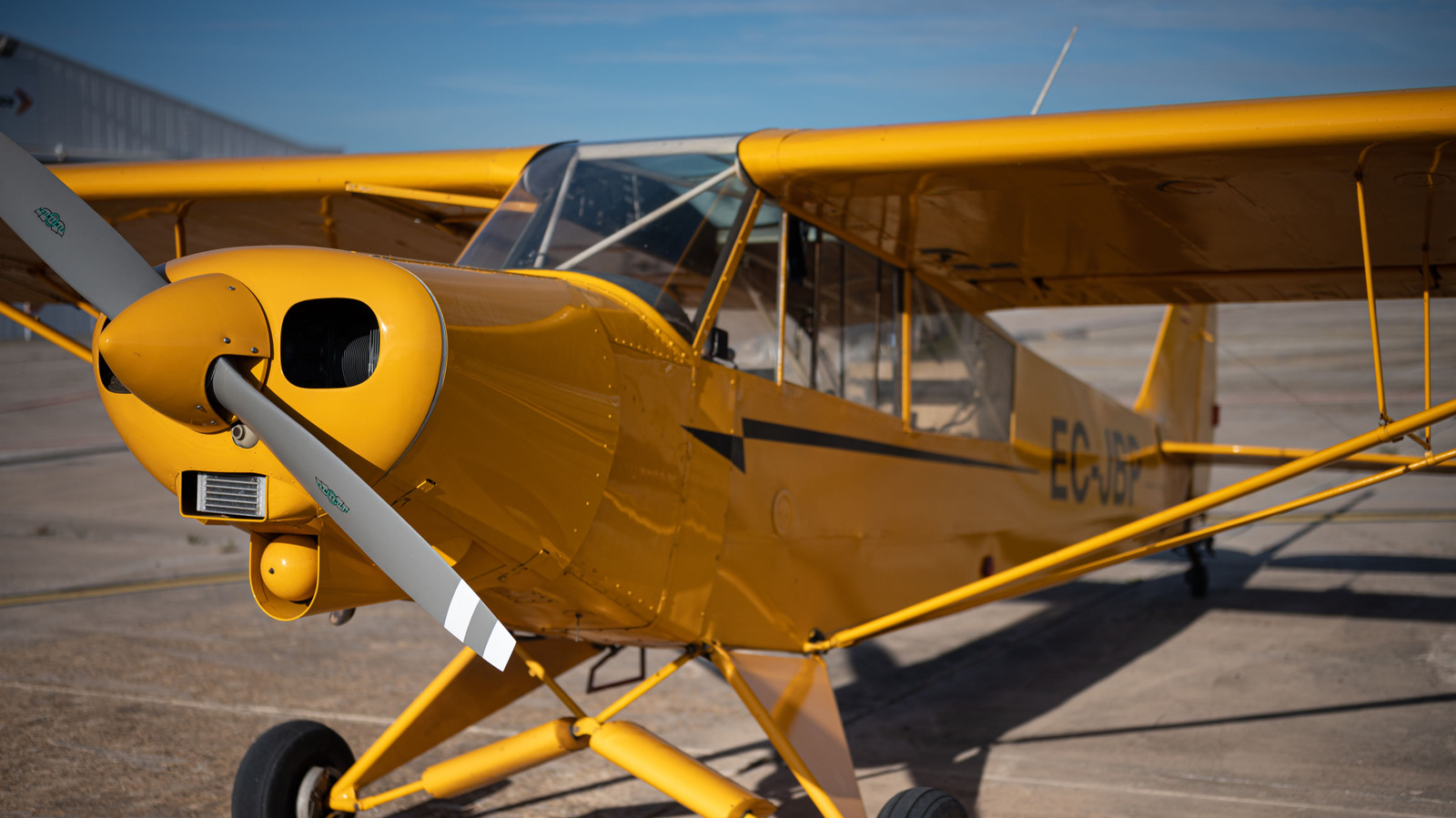
The Lycoming O-320 engine, introduced in the late 1950s, is a powerful, reliable, and simple four-cylinder piston engine still used today in light aircraft, demonstrating the enduring effectiveness of classic engine design despite the rapid evolution of aviation technology.
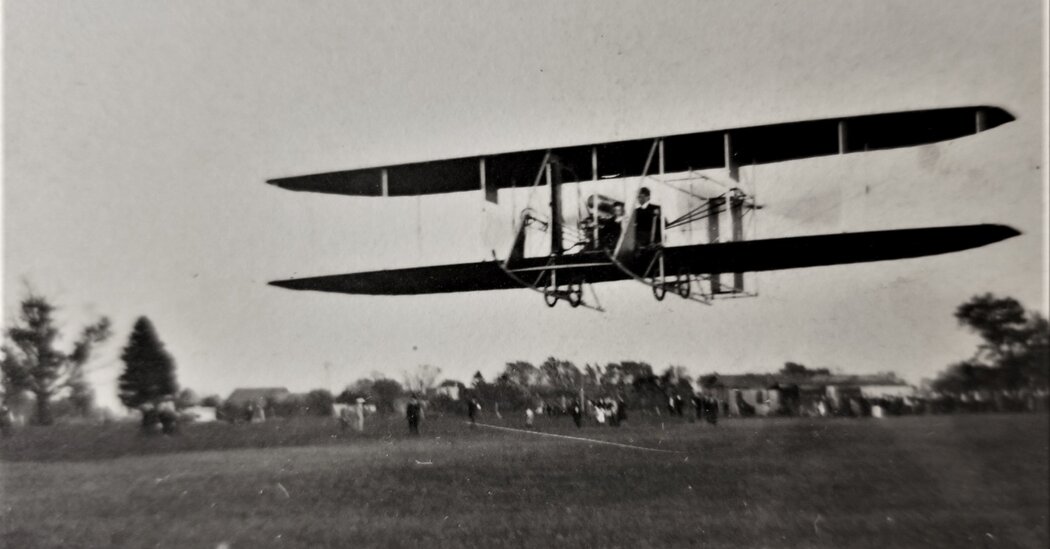
The heirs of a man, who was historically criticized for dodging the draft, are seeking the return of a Wright Brothers plane that is currently held in a museum. The legal dispute centers around the ownership and rightful possession of the historic aircraft, which the heirs claim should be returned to their family.
Bette Nash, the world's longest-serving flight attendant who began her career in 1957 and became a Guinness World Record holder, has died at 88 from breast cancer. Known for her nearly seven-decade service on the Washington-to-Boston route, Nash never officially retired and was a beloved figure in the aviation industry.
Bette Nash, the longest-serving flight attendant with a 67-year career, has died at 88. Starting in 1957 with Eastern Air Lines, Nash witnessed significant changes in the airline industry while maintaining a warm and friendly presence. She was recognized by Guinness World Records for her lengthy service and as the oldest active flight attendant. Nash's dedication to her job and passengers made her a beloved figure in aviation.
Bette Nash, the world's longest-serving flight attendant, has died at age 88. Nash began her career in 1957 and worked for nearly seven decades, earning a Guinness World Record in 2022. She was known for her dedication and warmth, particularly on shuttle flights between Washington and Boston. Nash passed away in hospice care following a recent breast cancer diagnosis. American Airlines and the Association of Professional Flight Attendants have both paid tribute to her remarkable career and legacy.
Bette Nash, the world's longest-serving flight attendant, passed away at age 88 after nearly 67 years of service. She began her career with Eastern Airlines in 1957 and continued with American Airlines after a merger. Nash, who was based in Washington, D.C., chose routes that allowed her to care for her son with Down syndrome. She passed away in hospice care following a breast cancer diagnosis, but never officially retired. American Airlines honored her legacy on social media.
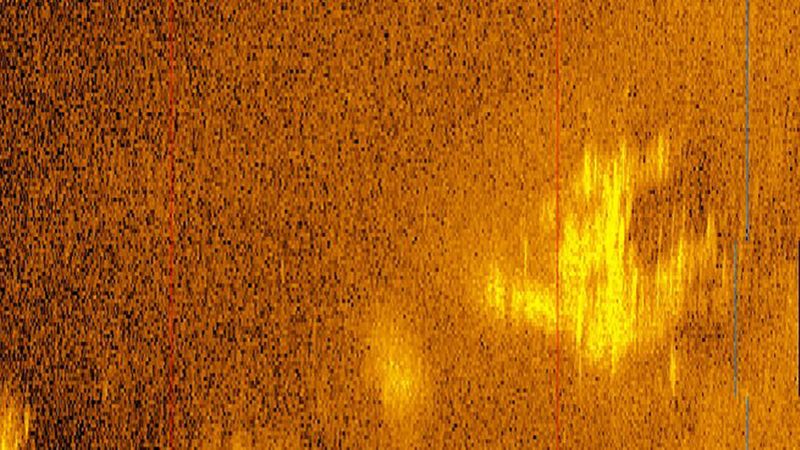
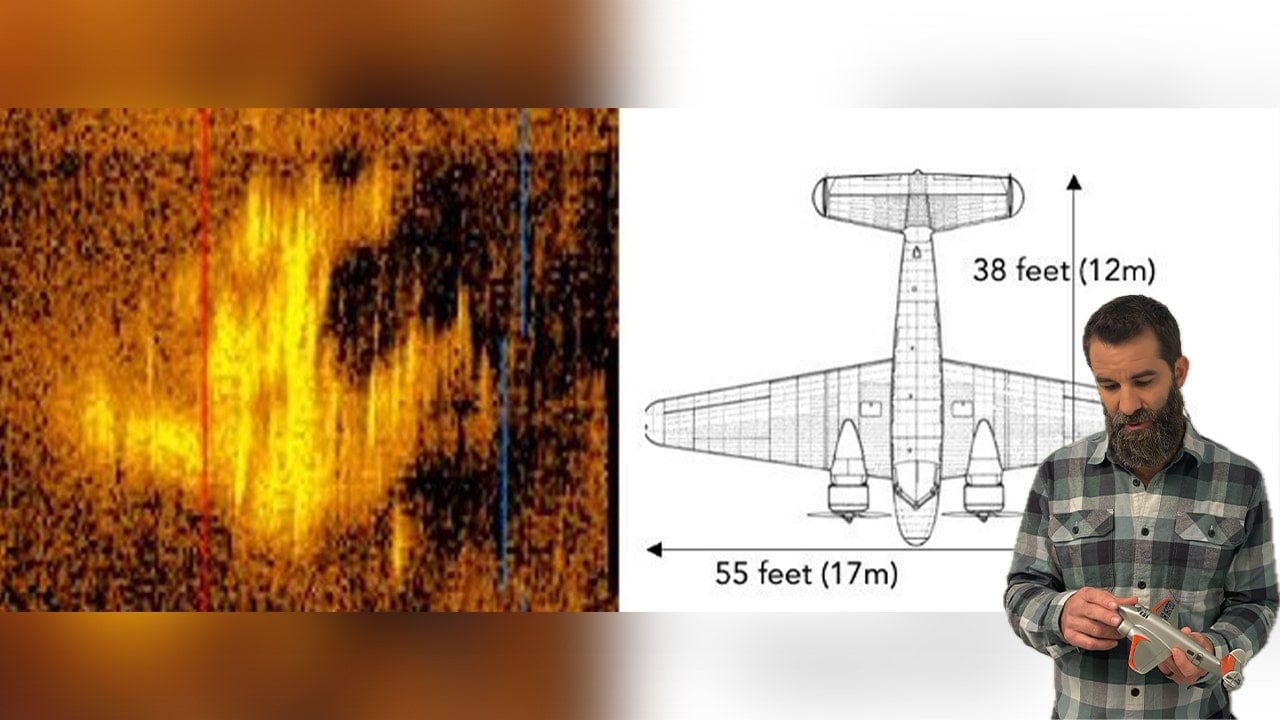
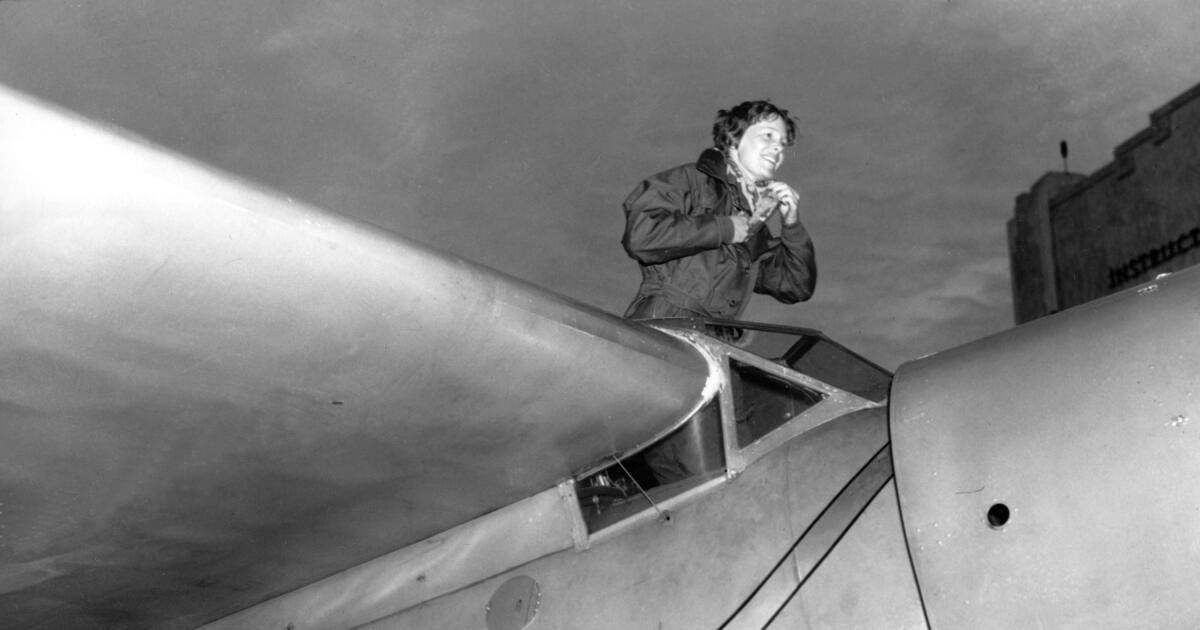
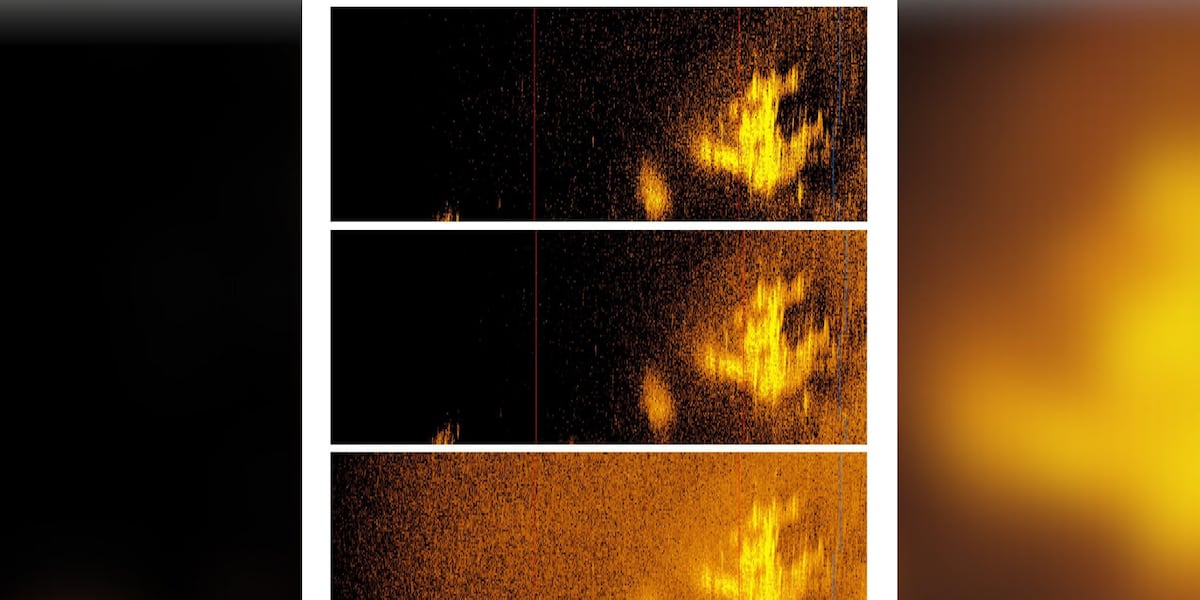
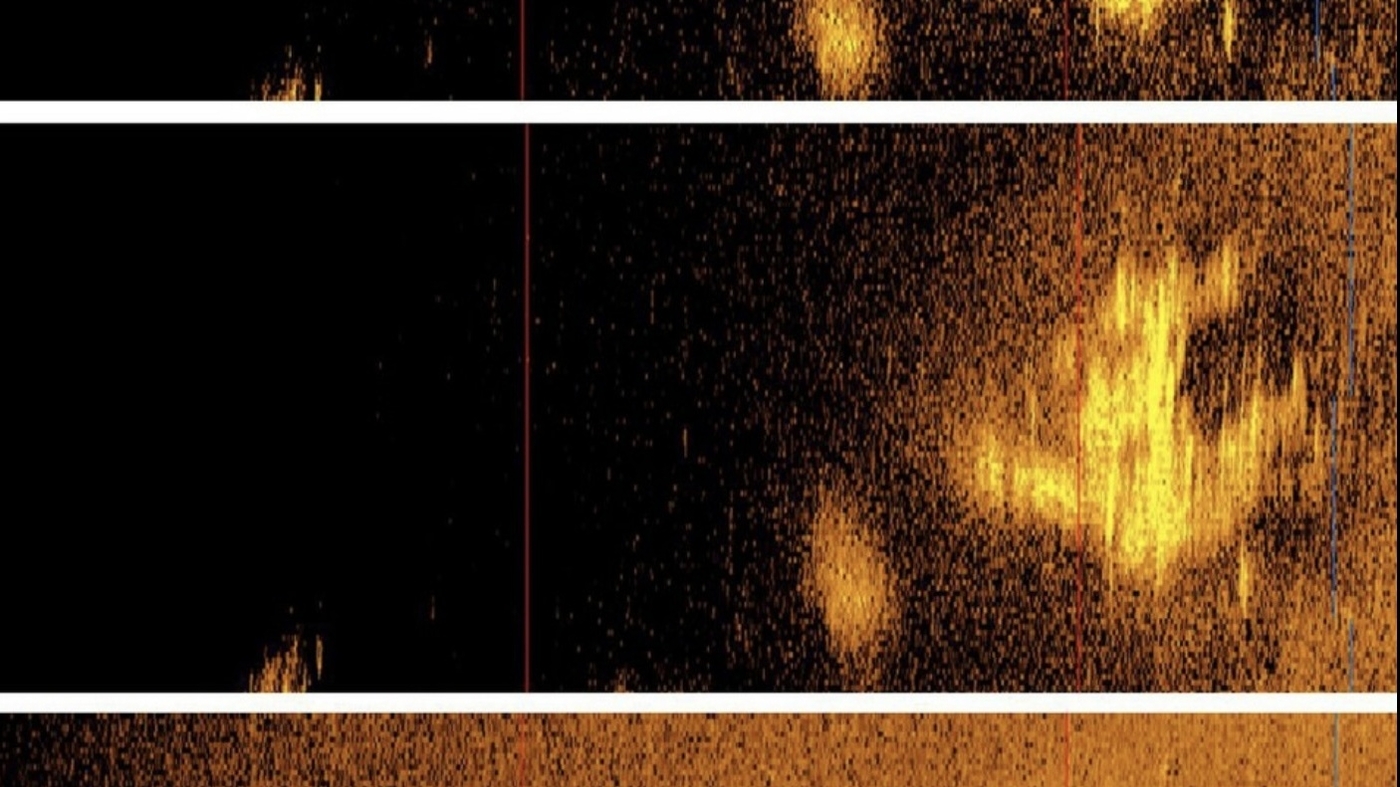
A team of underwater archaeologists and marine robotics experts with Deep Sea Vision believes they may have found a clue that could bring closure to the mystery of Amelia Earhart's disappearance, spotting an anomaly in the Pacific Ocean resembling a small aircraft using sonar imaging. The anomaly, located more than 16,000 feet underwater, could potentially be Earhart's Lockheed 10-E Electra. However, experts caution that further investigation is needed to confirm whether the object is indeed the missing plane, and the proximity of the anomaly to Howland Island, where Earhart was expected to land, adds to the intrigue.
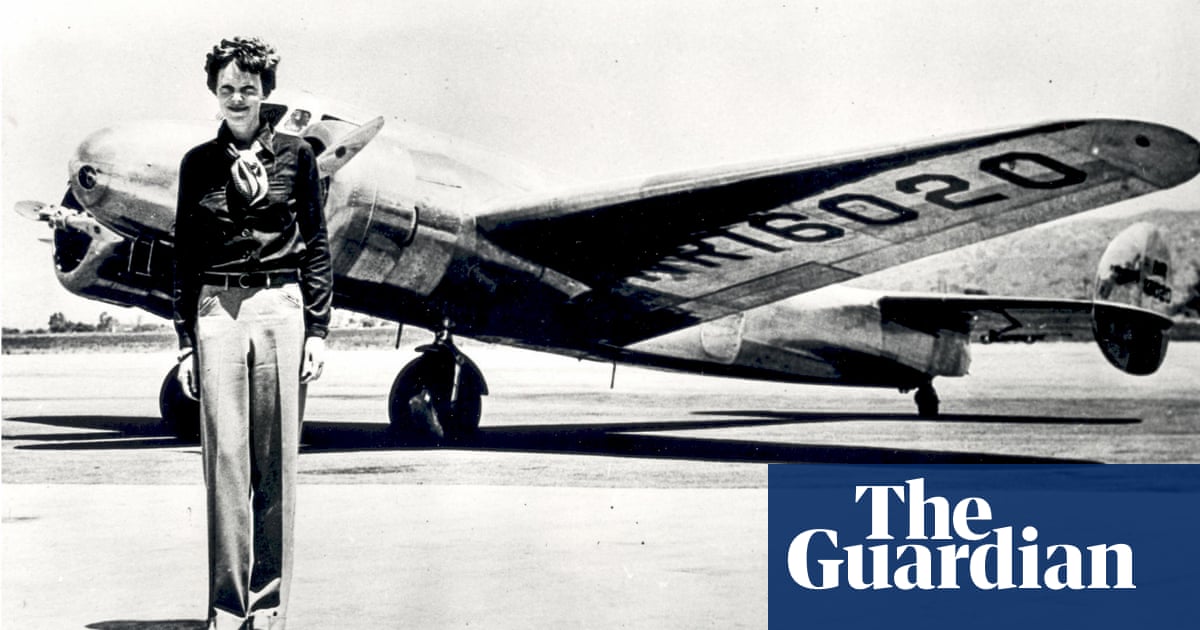
A robotics company claims to have found a sonar image showing what they believe to be Amelia Earhart's long-lost plane at the bottom of the Pacific Ocean, near Howland Island. However, experts remain skeptical, stating that it's too early to confirm the discovery. The image, captured by Deep Sea Vision, shows a plane with distinctive fin stabilizers and dimensions similar to Earhart's Lockheed 10-E Electra, but the precise location has not been disclosed.
After a 90-day expedition, Tony Romeo and his team believe they have discovered Amelia Earhart's missing plane at a depth of 16,000 feet near Howland Island. Sonar images show what Romeo is "certain" is the wreckage of Earhart's plane, backed by the Scripps Institute and the Smithsonian. The discovery could solve one of the greatest mysteries in aviation history, and Romeo plans to return for further exploration and confirmation of the find.
Deep-sea exploration company Deep Sea Vision believes it has found Amelia Earhart's plane, the Lockheed 10-E Electra, in the Pacific Ocean based on sonar images taken 5,000 meters below the surface. The founder, Tony Romeo, has spent $11 million on the search and plans to return for better images. The discovery could potentially solve the mystery of Earhart's disappearance in 1937, which has led to various conspiracy theories and failed searches over the years. If confirmed, the relatively intact state of the plane suggests a gentle landing on the water, supporting the theory that Earhart attempted to land the aircraft after running out of fuel.
A marine robotics company claims to have captured a sonar image of what is believed to be the aircraft aviator Amelia Earhart flew before her disappearance, providing a potential clue to one of the greatest mysteries of the 20th century. The discovery, made in the Pacific Ocean, supports the Date Line theory, suggesting that Earhart's navigator miscalculated the navigation by forgetting to turn back the date, leading to a westward navigational error. The CEO of the company hopes the findings can help answer questions regarding Earhart's disappearance almost a century ago.
Former US air force pilot Tony Romeo claims to have possibly located the wreckage of Amelia Earhart's plane at the bottom of the Pacific using sonar images, reigniting the mystery surrounding her disappearance in 1937. His images, posted on Instagram, show a blurry mass that could resemble a plane, and he plans to obtain better images. This discovery would be a significant breakthrough in the search for Earhart's plane, but it follows previous attempts, including the forensic analysis of bones and other expeditions, to solve the enduring mystery.
Deep Sea Vision, an ocean exploration company, has captured sonar images of what appears to be Amelia Earhart's long-lost aircraft at the bottom of the Pacific Ocean, near Howland Island where she and her navigator, Fred Noonan, were supposed to refuel but never arrived during their 1937 circumnavigation attempt. The discovery, made possible by high-tech unmanned underwater drones, has reignited interest in the decades-old mystery of Earhart's disappearance, with the team planning to investigate the area further this year.