Unraveling the Mysteries of Ultra-High-Energy Cosmic Rays
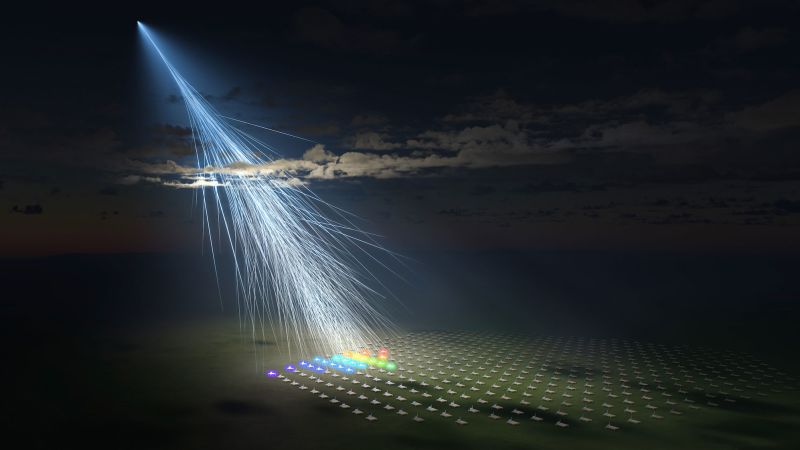
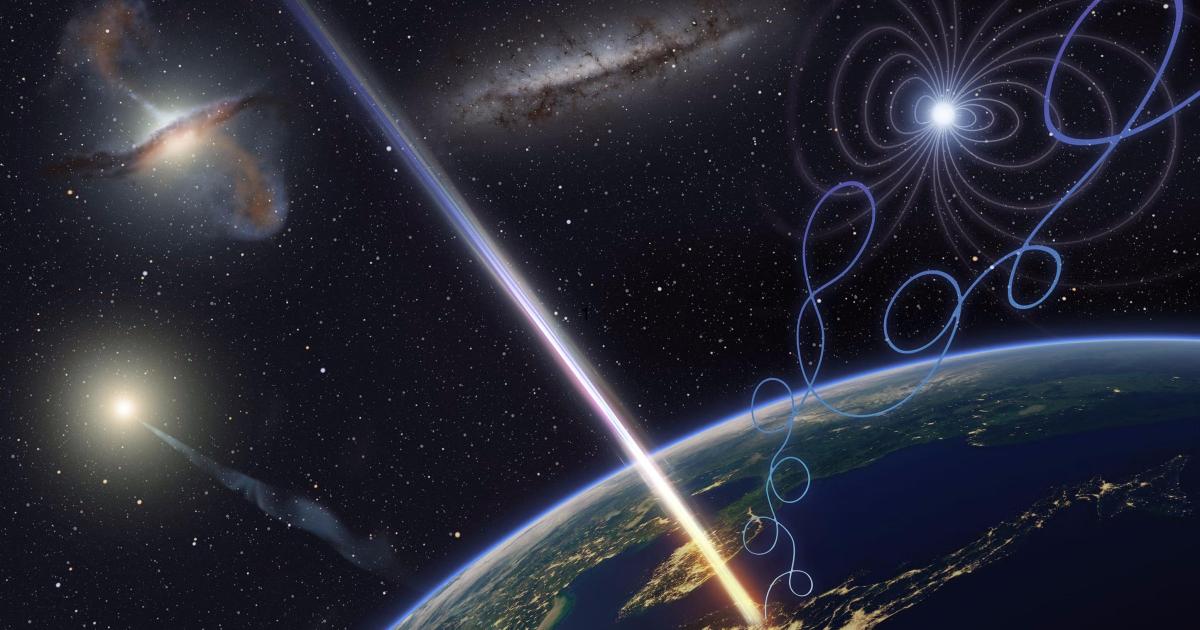
Ultra-high-energy cosmic rays, which are particles produced in high-energy processes throughout the Universe, have been observed exceeding the theoretical limit known as the GZK cutoff. While most cosmic rays are protons, the highest-energy particles may be composed of heavier atomic nuclei, such as helium, carbon, oxygen, and iron. These heavier nuclei do not experience the same energy loss when colliding with photons, allowing them to maintain their high energies. Although the origin of these ultra-high-energy cosmic rays remains a mystery, the simplest explanation for their existence is that they are heavy ions traveling at high speeds throughout the Universe.