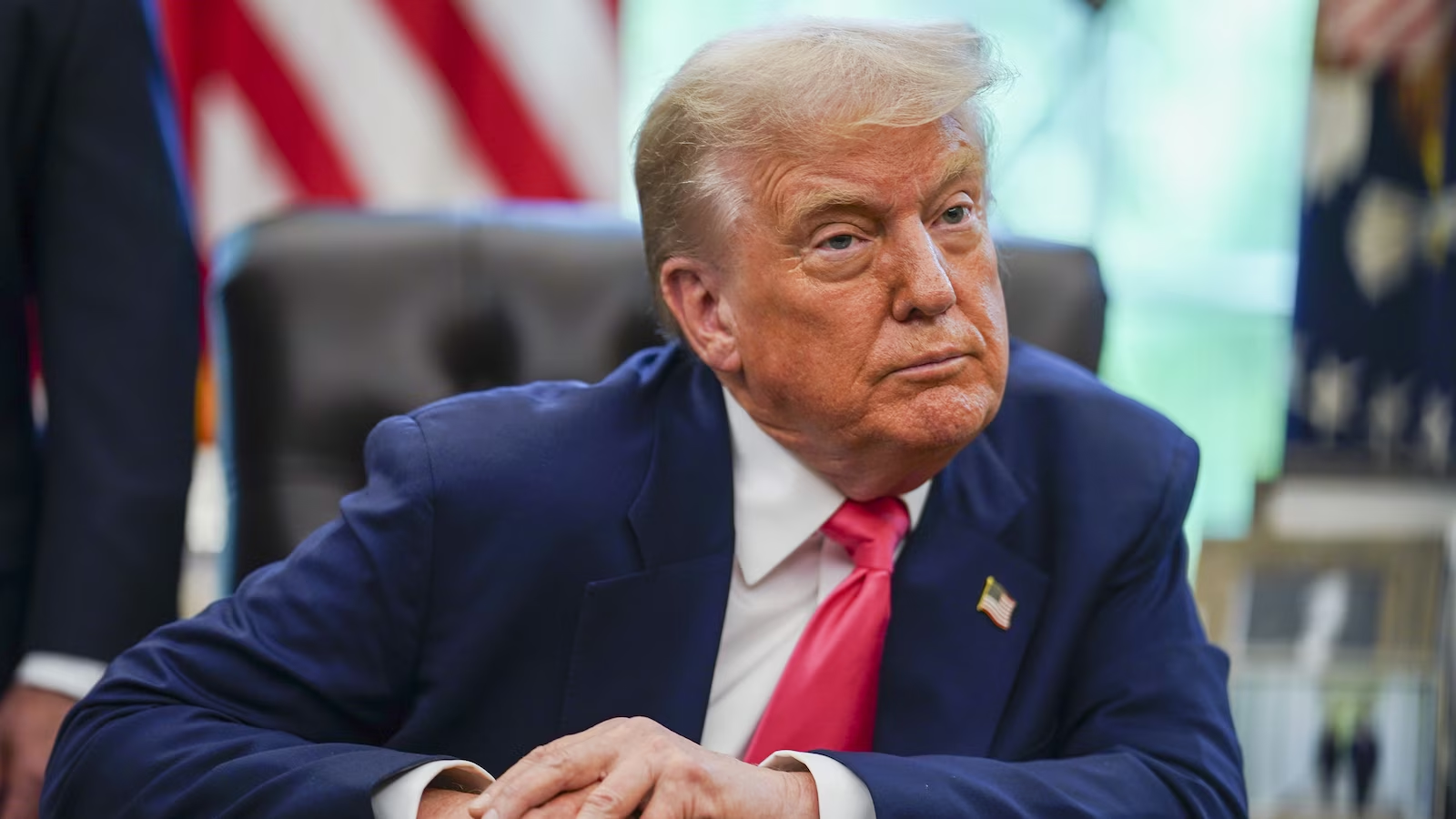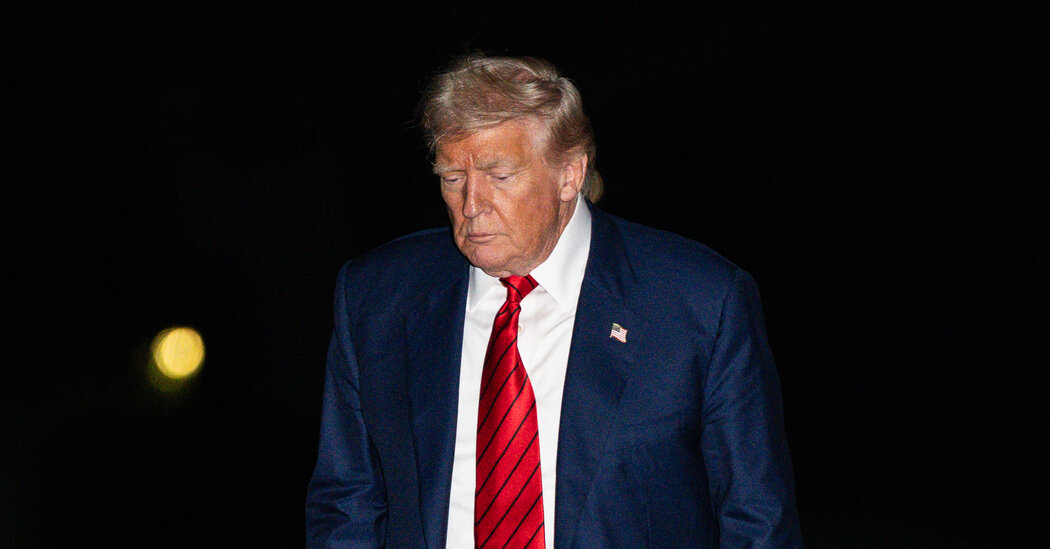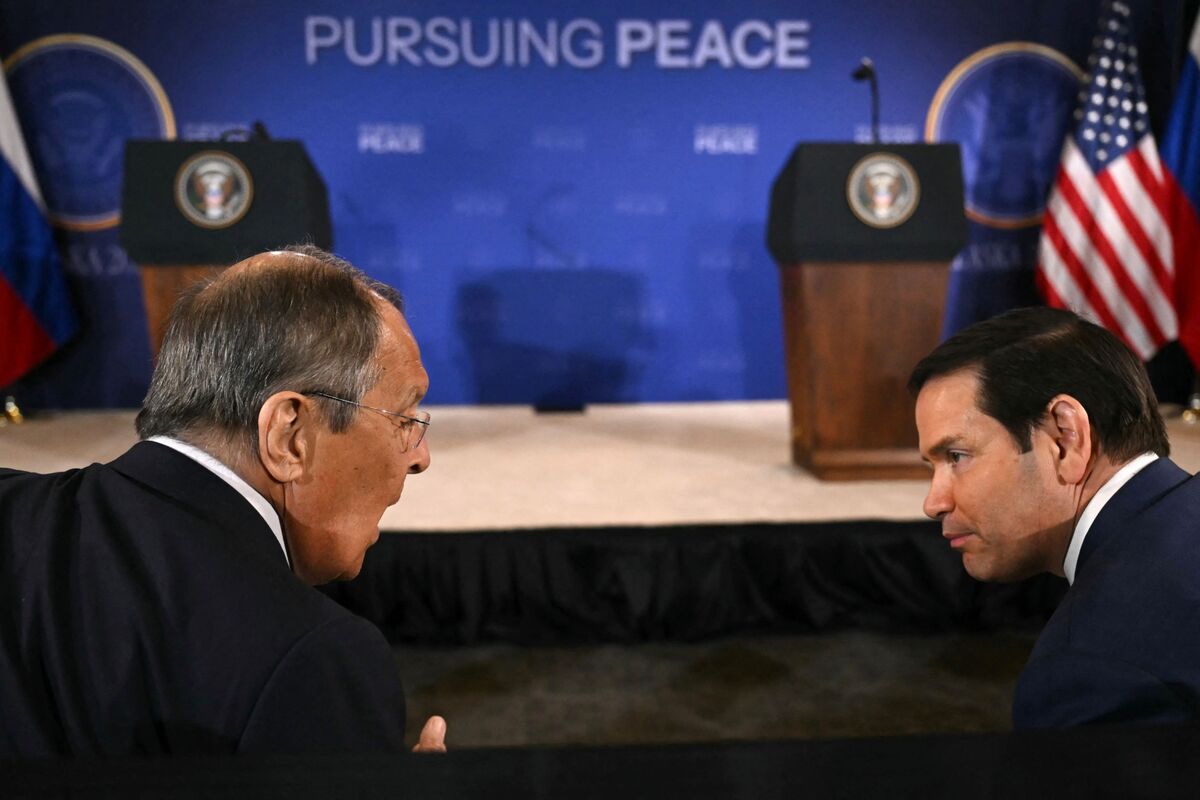
President Trump reversed his previous stance and imposed sanctions on Russia, influenced by Marco Rubio's assessment that Moscow was not making substantive concessions in Ukraine, leading to a shift in US policy and a cancellation of planned peace talks with Putin.
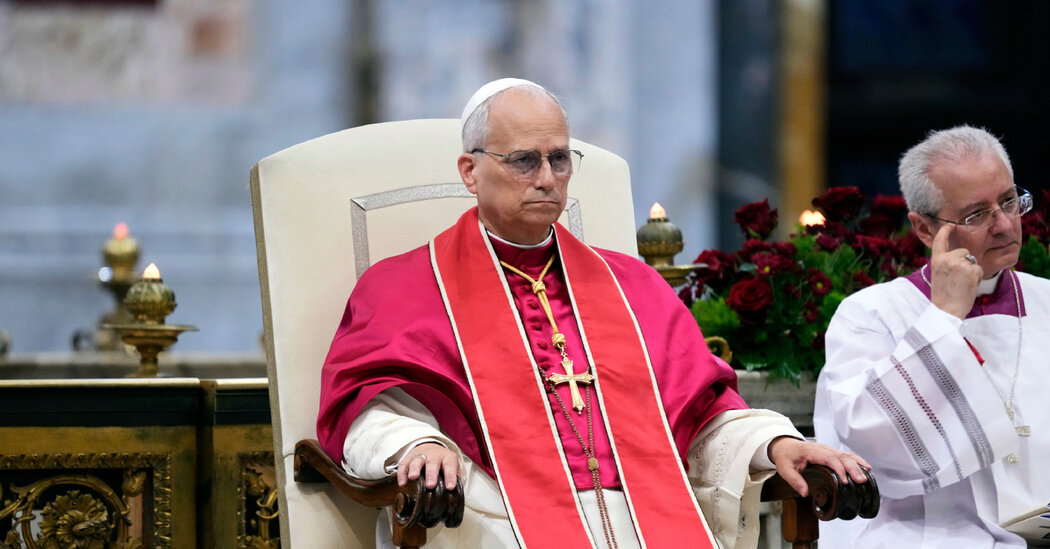
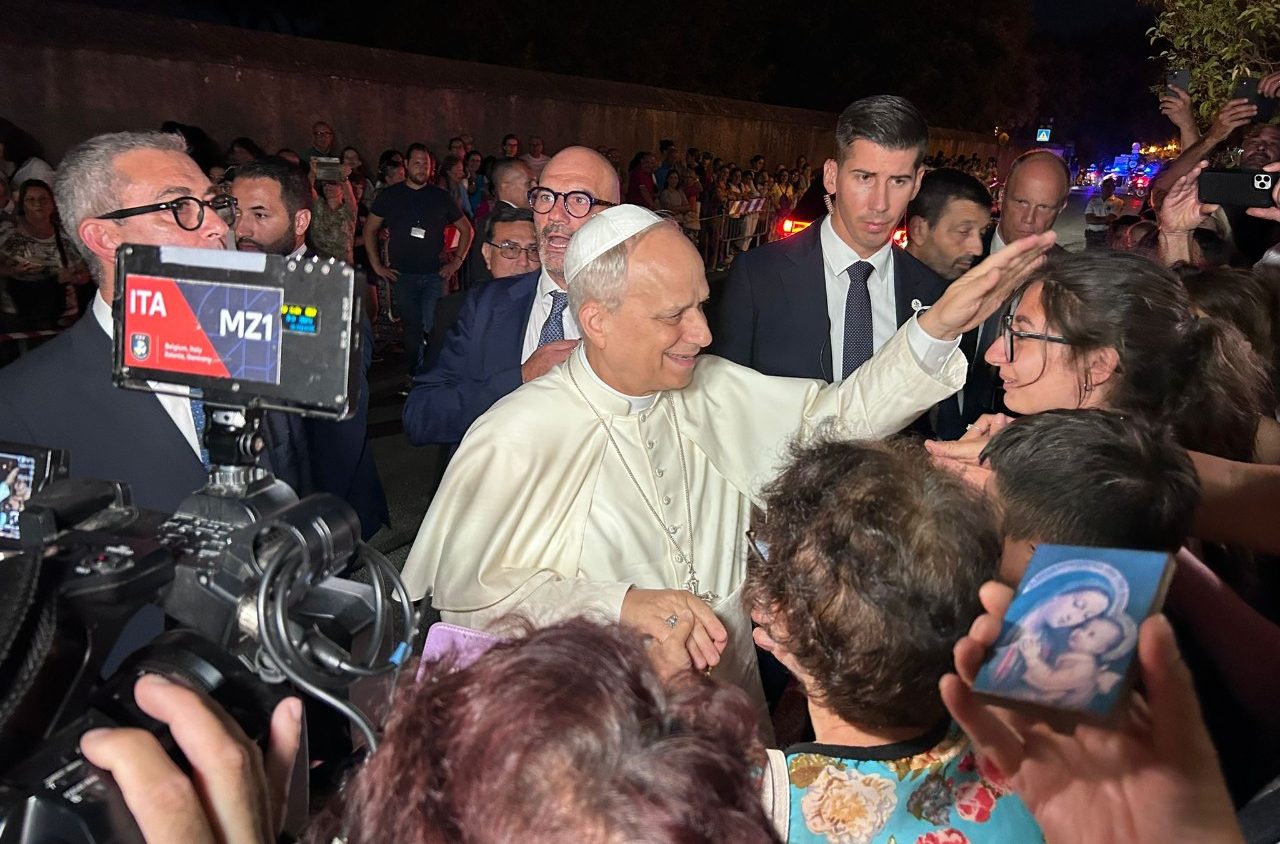
Pope Leo XIV stated that while the Vatican advocates for peace, it is unlikely to mediate in the Ukraine conflict, emphasizing neutrality and highlighting concerns about rising income inequality and the UN's effectiveness.
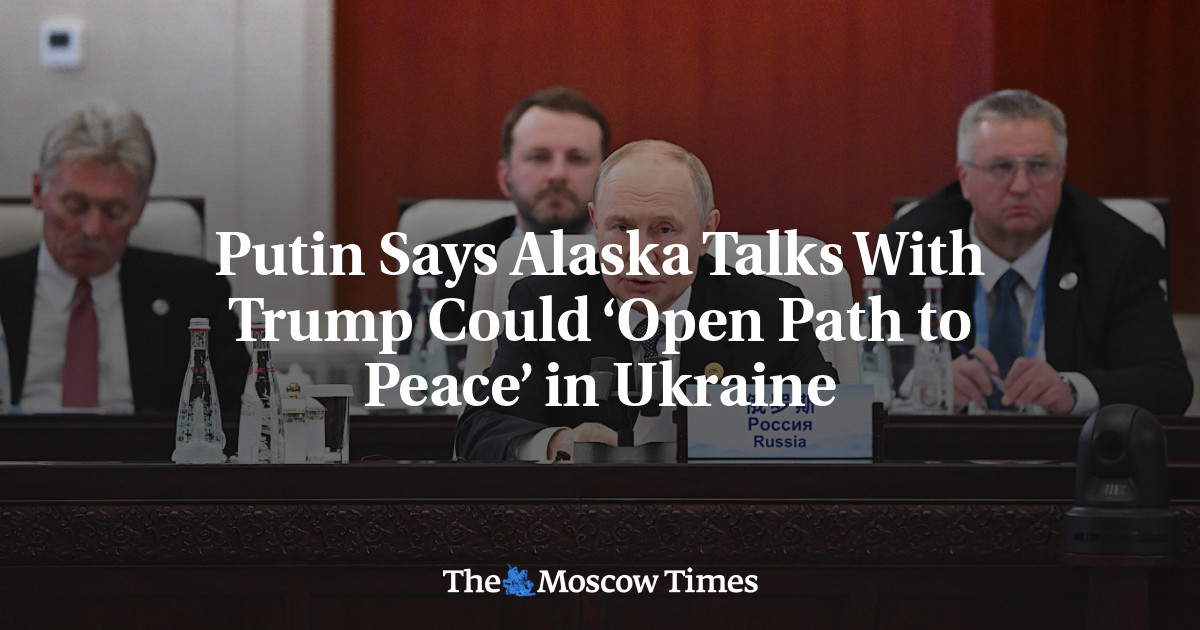
Vladimir Putin expressed optimism that the recent Alaska meeting with Donald Trump could lead to peace in Ukraine, highlighting ongoing efforts and strategic partnerships, despite stalled negotiations and entrenched positions between Russia and Ukraine.
Pope Leo expressed hope for peace in Ukraine, emphasizing the importance of work, prayer, and seeking diplomatic solutions, while also engaging in various religious and charitable activities during his stay at Castel Gandolfo.
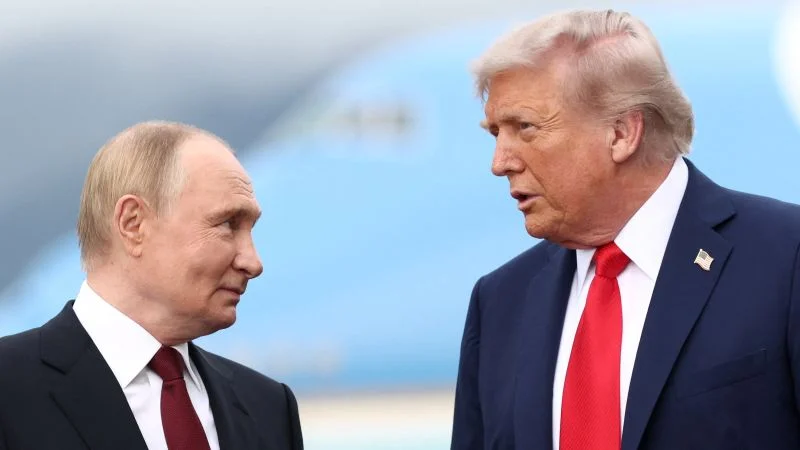
The Alaska summit highlighted a significant win for Putin and left Trump with difficult strategic choices, as he failed to secure a ceasefire or impose new sanctions on Russia, raising questions about his approach to Ukraine and US-Russia relations.
President Trump is seeking a Nobel Peace Prize through his efforts to broker peace deals, including a summit with Putin aimed at ending the Ukraine war, amid concerns that his obsession with the prize may influence diplomatic decisions.
A veteran diplomat criticizes the hastily arranged Trump-Putin summit, arguing it is unlikely to produce a meaningful or enforceable peace deal due to the lack of preparation, expertise, and the historical context of unfulfilled security guarantees, comparing it to the amateurish Munich Agreement of 1938.
President Trump plans to appoint a new top labor statistics official after firing the previous one amid controversy over jobs data, while also pushing forward with large-scale renovations to the White House and engaging in diplomatic efforts regarding Ukraine, amidst ongoing legal challenges to his administration's actions.
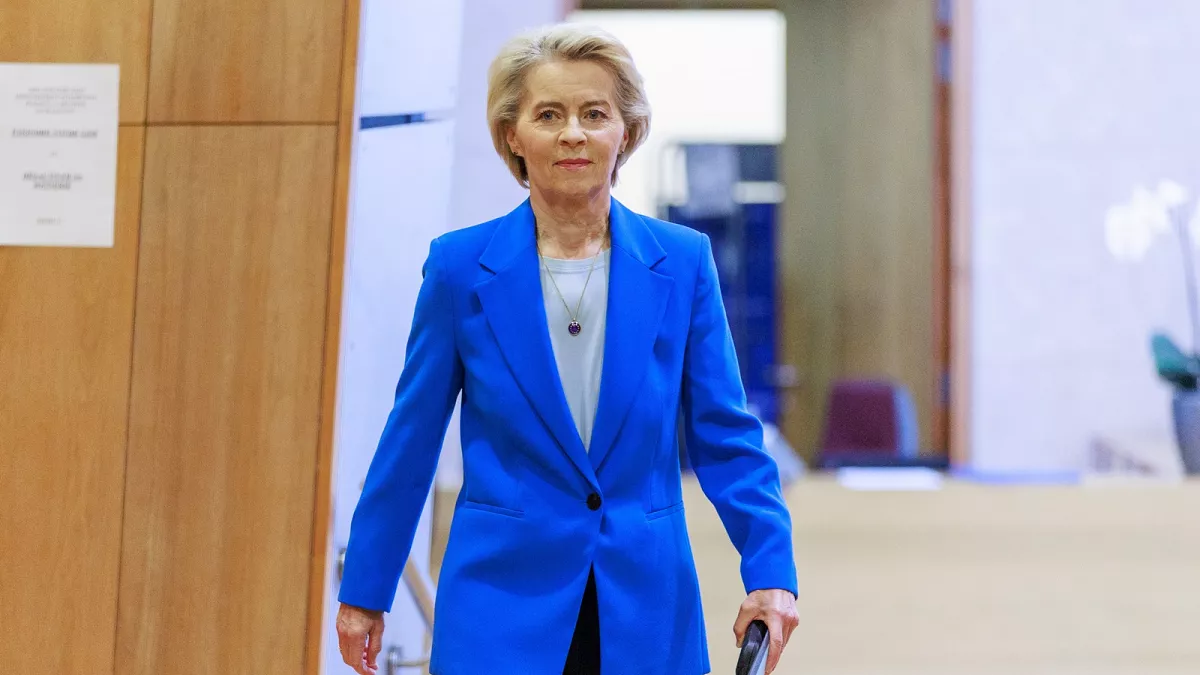
Ursula von der Leyen supports a bipartisan US Senate bill proposing severe sanctions on Russia, including tariffs and restrictions on energy exports, aiming to pressure Russia into peace negotiations in Ukraine, despite potential economic impacts on the EU and global energy markets.