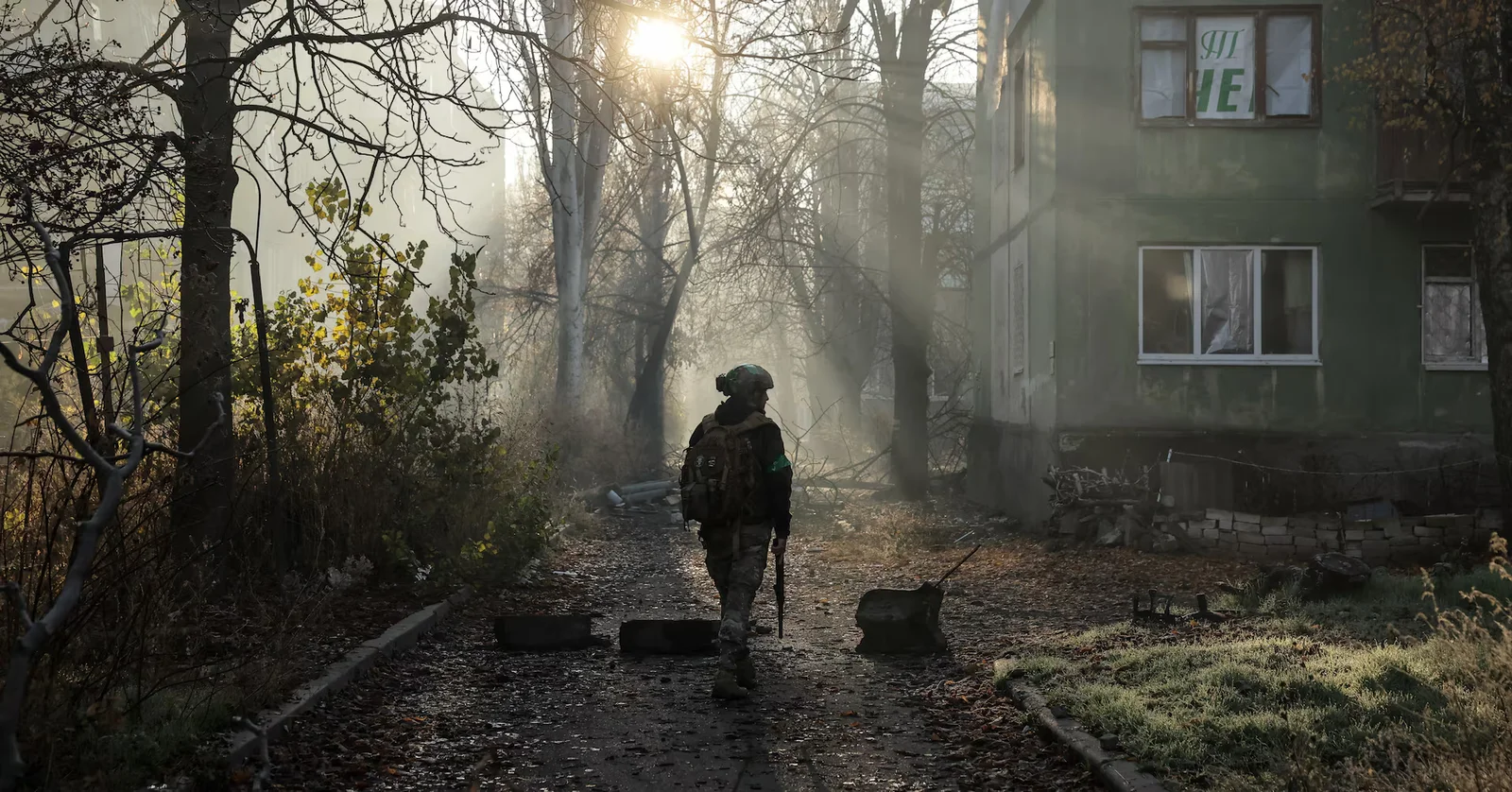
The British government announced Nightfall, a rapid-competition to develop a new ground-launched ballistic missile for Ukraine, capable of carrying a 200 kg warhead over more than 500 km (310 miles) to support Kyiv in its war against Russia.
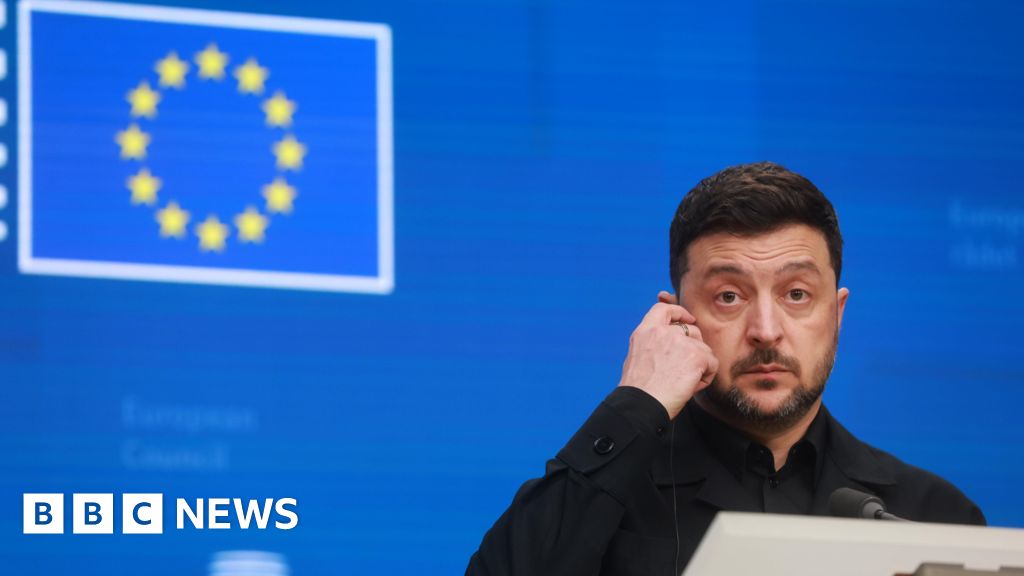
EU leaders agreed to raise €90bn in zero-interest loans to support Ukraine for the next two years, amid divisions over the approach and differing attitudes towards Russia, with some countries seeking exemptions and considering future use of frozen Russian assets. Ukraine also needs additional funding and hopes for support from non-EU allies and international banks.
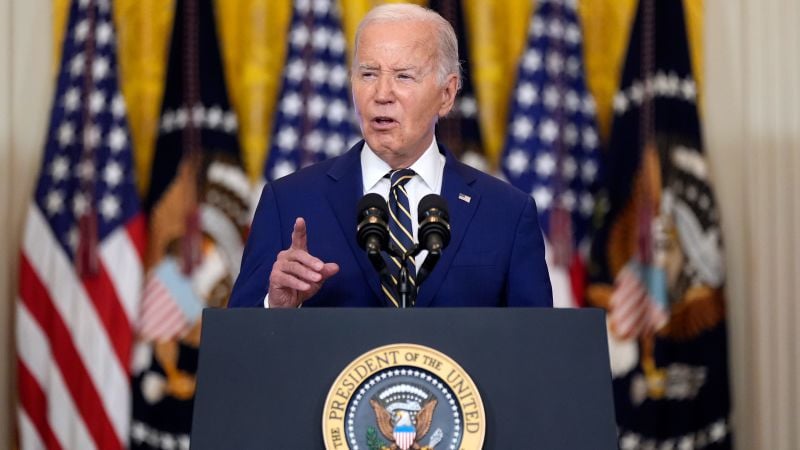
President Joe Biden is in France to mark the 80th anniversary of D-Day and to strengthen transatlantic ties amid the Ukraine crisis. Biden's visit includes a speech in Normandy and a state visit with French President Emmanuel Macron, focusing on bolstering European support against Russian aggression and addressing global geopolitical challenges. The trip also comes amid scrutiny of Biden's mental acuity, which the White House has defended. Biden will meet with Ukrainian President Volodymyr Zelensky during the visit and at the upcoming G7 summit in Italy.
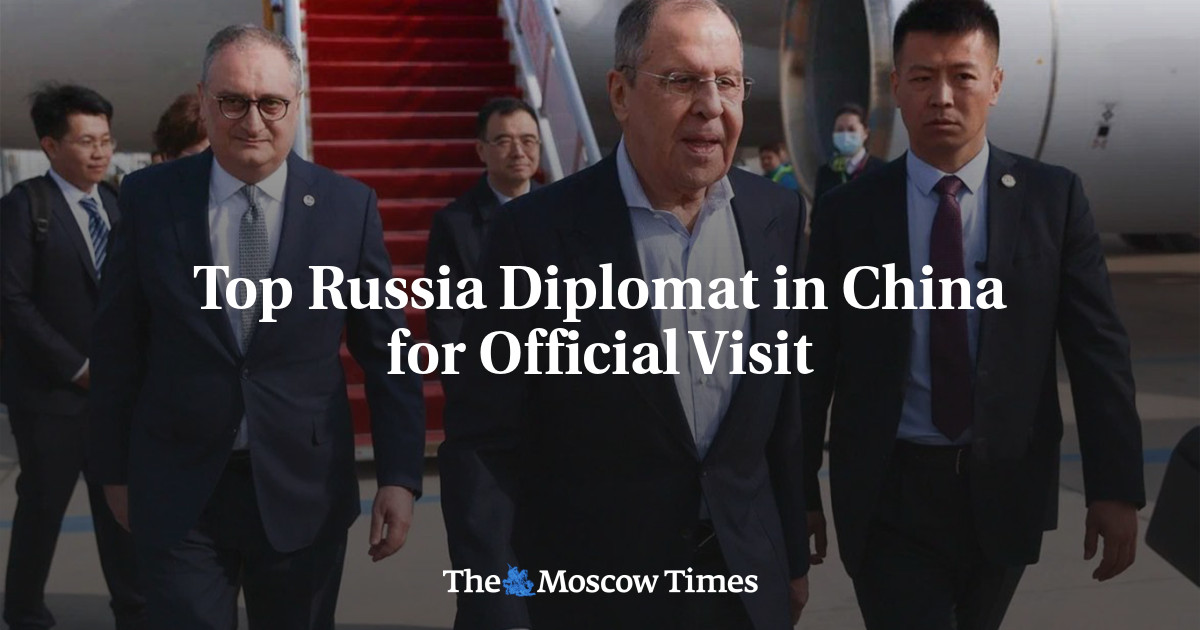
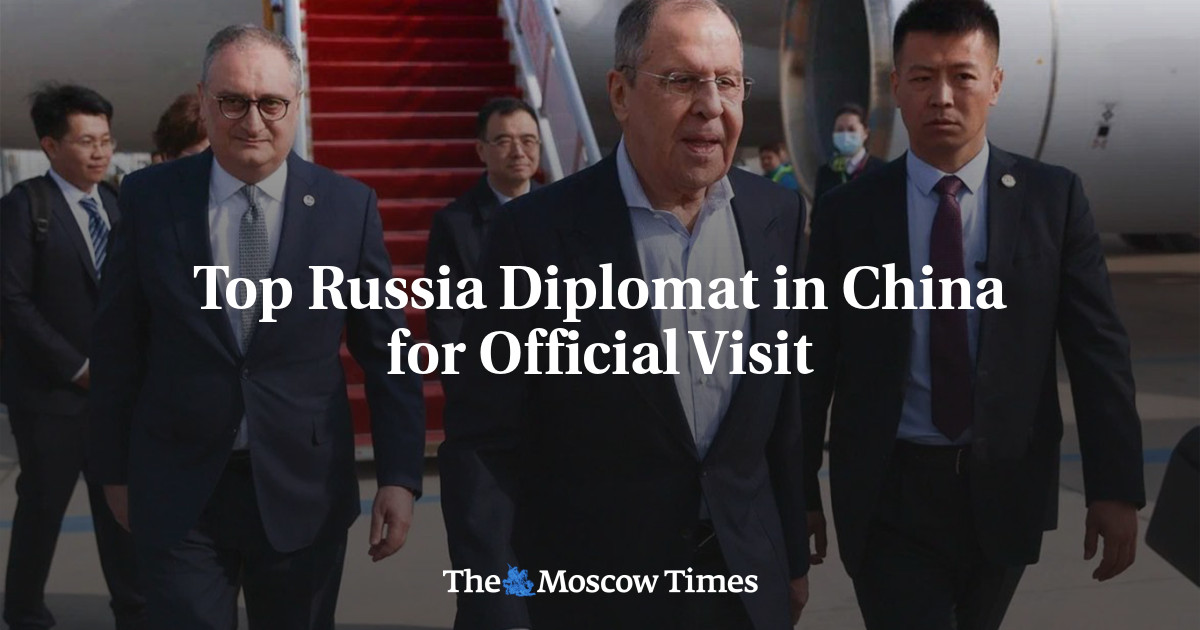
Russian Foreign Minister Sergei Lavrov is in China for a two-day official visit to strengthen diplomatic ties amid Russia's ongoing invasion of Ukraine. The visit aims to deepen cooperation on bilateral and international issues, including the Ukrainian crisis and the Asia-Pacific region. China and Russia have strengthened their diplomatic relations in recent years, with China being Russia's leading trade partner. Despite Western pressure, China maintains its neutrality in the Ukraine crisis and asserts that it will continue to promote peace talks while controlling exports of dual-use items.
Russian Foreign Minister Sergei Lavrov is set to visit China for discussions with his Chinese counterpart Wang Yi on "burning subjects" including the Ukrainian crisis and the situation in the Asia-Pacific region, as the two nations strengthen their ties following Russia's assault on Ukraine. The visit follows a pattern of rapprochement between the two countries, with Chinese leader Xi Jinping declaring "unlimited friendship" with Russia and emphasizing mutual political trust. While China sees itself as a neutral party in the Ukraine conflict, it has become Russia's leading trade partner and is urged by Western nations to play a greater role in restoring peace in Ukraine.
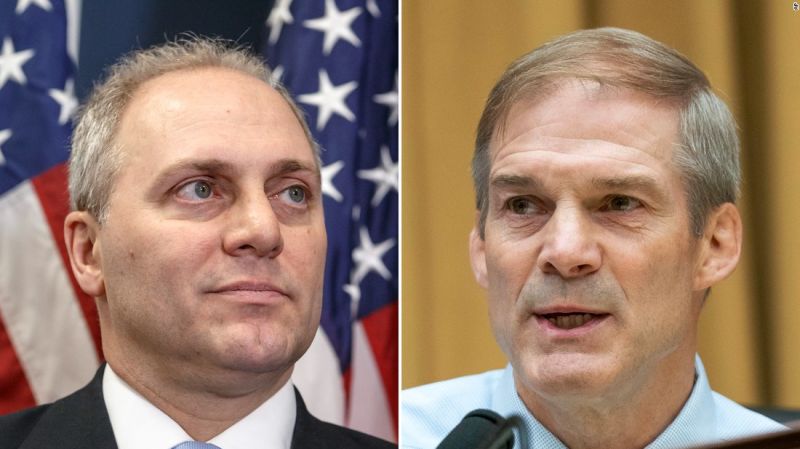
House Republicans are facing deep divisions as they choose a new speaker, with the ongoing crises in Israel and Ukraine highlighting their inability to govern. The two declared candidates, Steve Scalise and Jim Jordan, must prove their ability to control or co-opt hardliners within their party. The GOP's narrow majority means that a candidate can only afford to lose four Republican votes in a full House vote. The party's internal conflict is hindering their ability to address pressing issues such as avoiding a government shutdown and providing aid to Ukraine. The fate of the speakership remains uncertain, with the possibility of a compromise candidate emerging.
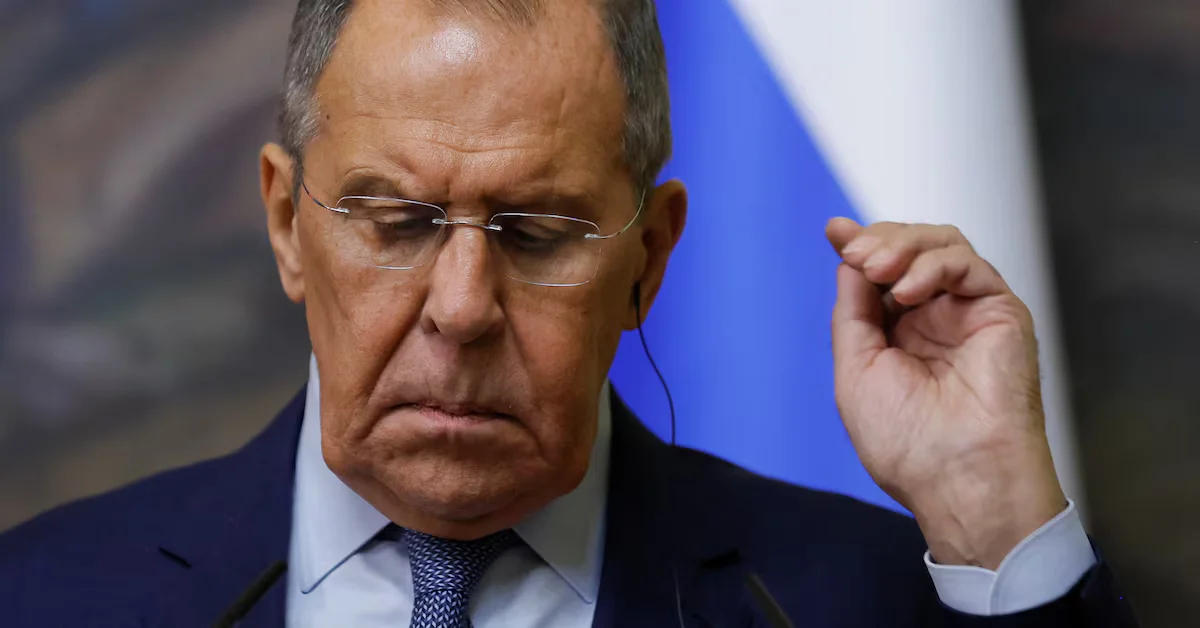
Russian Foreign Minister Sergei Lavrov has stated that Russia will block the final declaration of the upcoming G20 summit if it does not reflect Moscow's position on Ukraine and other crises. Lavrov's comments suggest that participants may have to issue a non-binding or partial communique instead. The Kremlin views the Ukraine war as an existential battle with the West, while the West denies any intention to dismantle Russia. Other major powers like China, India, and Brazil have called for peace but reserved the right to determine their own relationship with Moscow. Lavrov accused the West of undermining international institutions and proposed issuing a non-binding communique or focusing on specific decisions within the G20's competence if consensus cannot be reached.
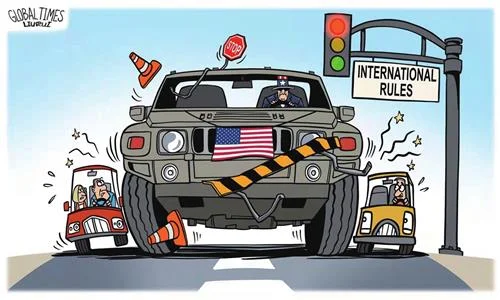
Chinese Foreign Ministry clarified its position on the US-claimed 'rules-based international order' and emphasized the importance of effective communication and mutual respect between China and the US. China supports peace talks and political settlement in the Ukraine crisis and will not take sides or be influenced by biased sanctions. China is willing to conduct constructive communication and dialogue with the US, but both parties should ensure that communication is effective and addresses the concerns of both sides.
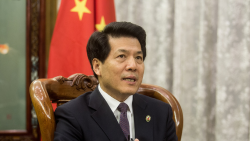
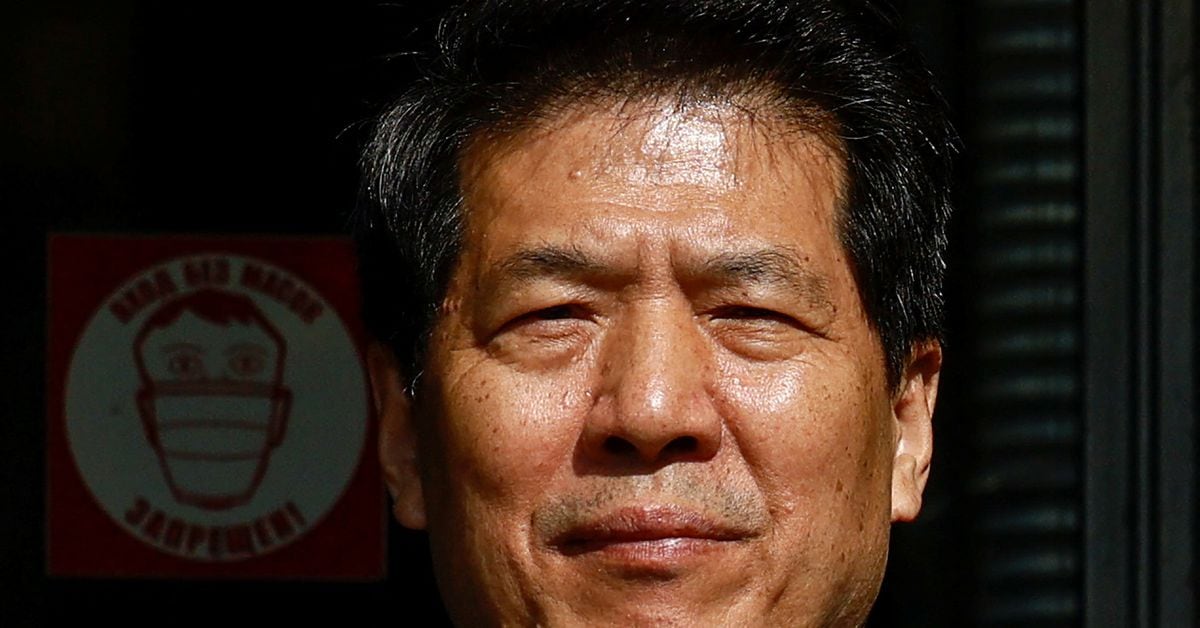
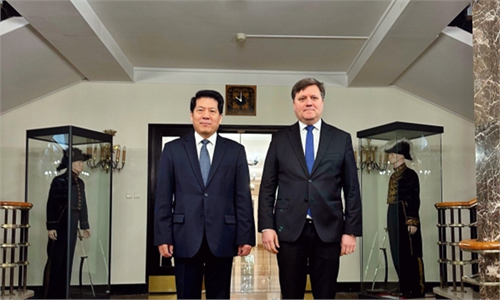
China's special envoy Li Hui concluded his six-leg tour to Europe, including Ukraine, Poland, France, Germany, and Brussels, to discuss the political settlement of the Ukraine crisis. During the trip, Li met with leaders and top diplomats, exchanging views on the crisis. China supports European countries' efforts to address the root causes of the crisis and find a solution for lasting peace and security of the European continent. The EU officials spoke highly of the positive role China played in the peaceful settlement of the conflict. Russia appreciates China's sincere desire and practical efforts to promote a peaceful settlement of the Ukraine crisis.
China's special envoy Li Hui has stated that China will make concrete efforts for a political solution to the Ukraine crisis. Li held meetings and talks with Russian Foreign Minister Sergei Lavrov and other officials, discussing China-Russia relations and a political settlement for the Ukrainian crisis. China has always adhered to an objective and fair position on Ukraine, argued for peace and promoted talks, and will strengthen exchanges and dialogues with all parties, including Russia.
China's Special Representative on Eurasian Affairs, Li Hui, has expressed China's willingness to work with Poland on the political resolution of the Ukraine crisis and support the establishment of a balanced and sustainable European security architecture. Li emphasized China's consistent position of advocating for peace and dialogue and is willing to strengthen communication with all parties involved to lay a solid foundation for ceasefire and gradually reaching a consensus. Poland appreciates China's constructive role in international affairs and is willing to work with China to make significant progress in bilateral relations.
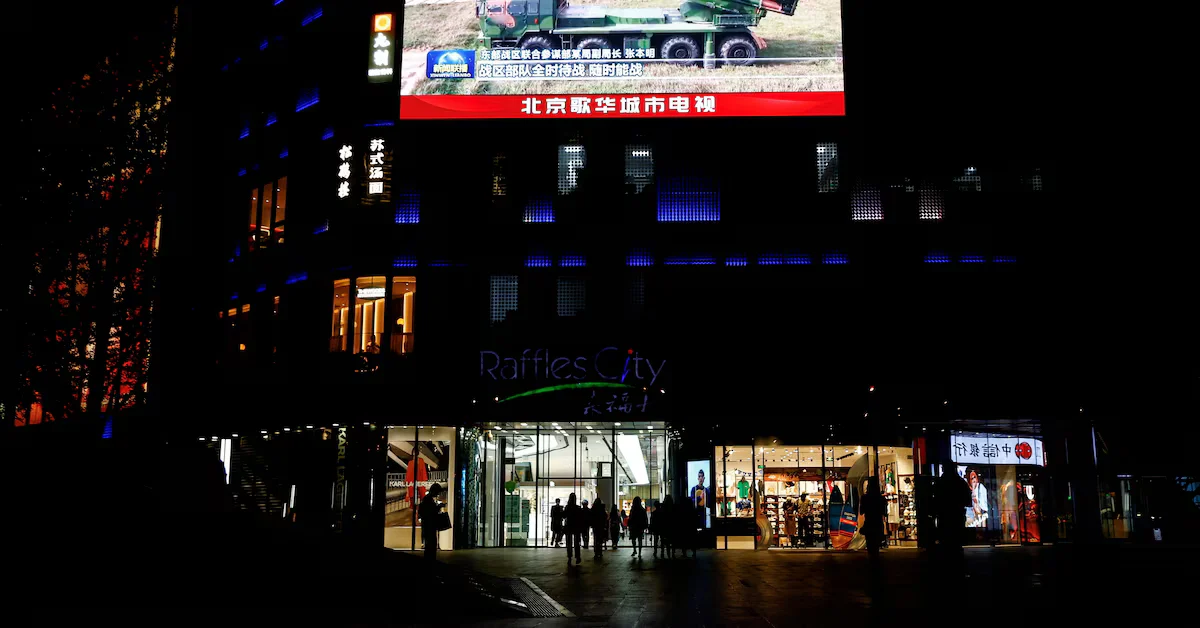
General Wang Haijiang, commander of the People's Liberation Army's (PLA) Western Theatre Command, has called for greater integration of unconventional capabilities, including artificial intelligence, with conventional warfare tactics in preparation for any confrontation with the West. China's military preparations are closely watched not just by the West, but also by China's neighbours and Taiwan, which China claims as its own. The PLA's combat-readiness in a hypothetical war has become a focus in recent months as China flexes its military muscle over Taiwan, putting itself in potential conflict with the United States.
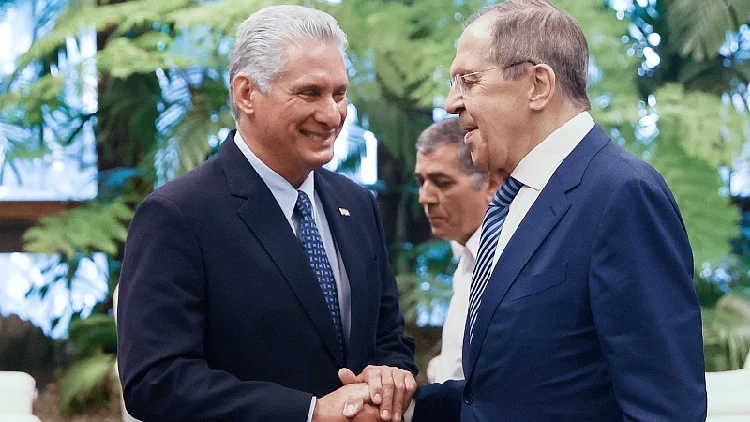
Russia's Foreign Minister Sergey Lavrov concluded his five-day trip to Latin America, where he visited Brazil, Venezuela, Nicaragua, and Cuba to seek deeper political and economic ties and common grounds on the Ukraine crisis. The five countries voiced opposition to hegemony, foreign interference in internal national affairs, and unilateral sanctions, and called for a peaceful political settlement to the Ukraine crisis. Lavrov said that Russia is willing to work with other countries to build a more democratic and just multipolar world order based on sovereign equality.
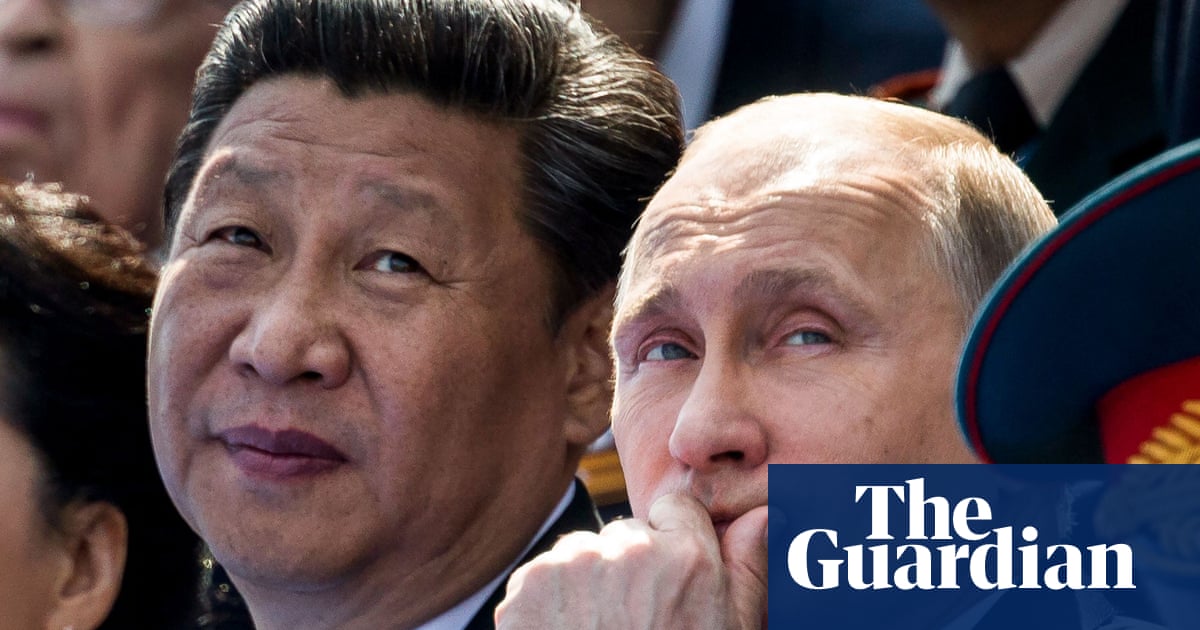
Putin has welcomed China's willingness to play a "constructive role" in solving the Ukraine "crisis" in an article written for a Chinese newspaper on the eve of a visit by his Chinese counterpart, Xi Jinping. China has remained neutral in the conflict, while criticising western sanctions against Russia and reaffirming its close ties with Moscow. Putin said Russo-Chinese relations were at a historic high and they were coordinating their foreign policy to fight common threats as US attempts to contain both countries took on an "ever sharper and more assertive character".