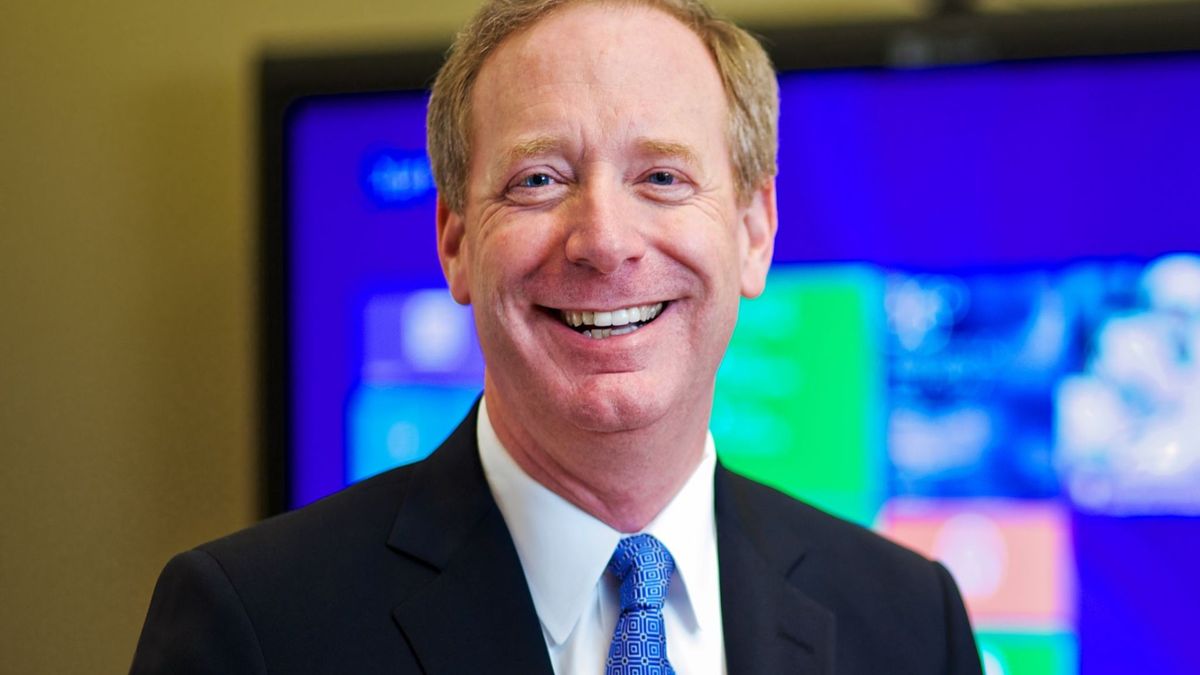
Microsoft President Brad Smith has shifted his perspective on the UK's Competition and Markets Authority (CMA), now describing the regulator as "tough, but fair" in its handling of Microsoft's acquisition of Activision Blizzard. Initially, Smith had criticized the UK CMA, suggesting it represented some of Microsoft's "darkest days" and that the UK was "closed for business." However, following regulatory concessions that allowed the deal to proceed, including licensing out cloud gaming rights to Ubisoft, Smith acknowledges the pragmatic approach of the CMA. Microsoft's acquisition faced global scrutiny but has since closed, with the company also announcing a £2.5 billion investment in UK cloud infrastructure and AI, aiming to create 20,000 jobs. Despite the resolution in the UK, Microsoft continues to face legal challenges from the US FTC over the acquisition.
Microsoft President Brad Smith has acknowledged the UK Competition and Markets Authority (CMA) as "tough and fair" for initially blocking Microsoft's acquisition of Activision Blizzard, which led to changes in the deal structure. Microsoft agreed to spin out certain cloud gaming rights to Ubisoft for 15 years, which satisfied the CMA's concerns and allowed the deal to proceed. Despite the approval in the UK, Microsoft is still facing scrutiny from the US Federal Trade Commission, with a decision pending from the United States Court of Appeals.
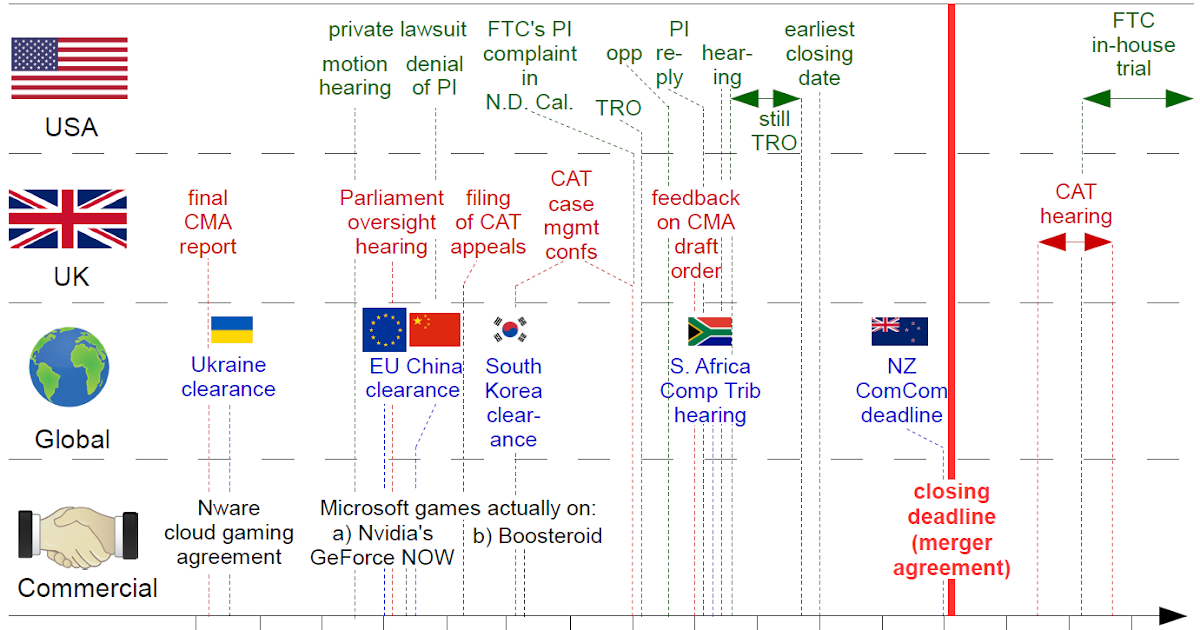
The US Federal Trade Commission (FTC) may lose its only ally against Microsoft's purchase of Activision Blizzard, as the United States District Court for the Northern District of California is expected to deny the FTC's motion for a preliminary injunction. The earliest closing date for the merger will be July 3, giving two weeks to find middle ground with the UK Competition & Markets Authority (CMA), which has objected to the deal. The FTC's console theory of harm has been rejected by regulators in charge of 40 countries, and the CMA's April 26 decision is considered indefensible on appeal.