The King's Speech is scheduled for May 12 or 13, shortly after the May 7 UK elections, and will outline the government's legislative plans for the upcoming parliamentary session, with implications for Labour's leadership stability amid election challenges.
The UK's new Labour government, in a speech delivered by King Charles III, outlined key policies including the nationalization of rail operators, the creation of a publicly-owned clean power company, and planning reforms to accelerate infrastructure projects. The government also pledged economic growth, AI regulation, and measures to reduce NHS waiting times and ban exploitative working practices.
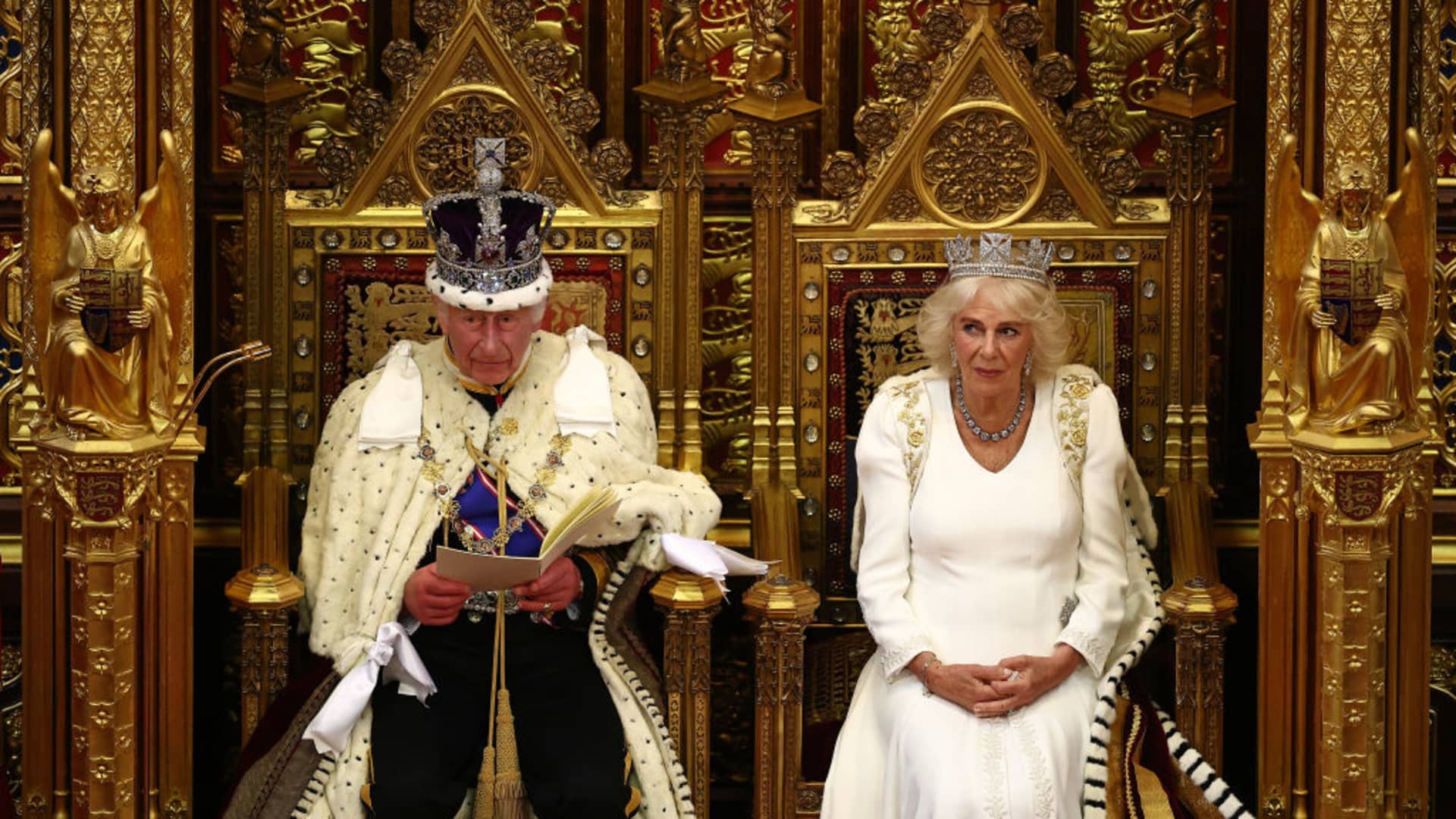
King Charles III delivered the government's legislative agenda at the State Opening of Parliament, highlighting plans to nationalise railways, tax private schools, and expedite house building. The government aims to modernize the asylum and immigration system, end no-fault evictions for renters, and establish Great British Energy to invest in renewables. Other key points include removing VAT exemptions for private school fees, creating a new Border Security Command, and introducing laws to improve public safety and health standards.
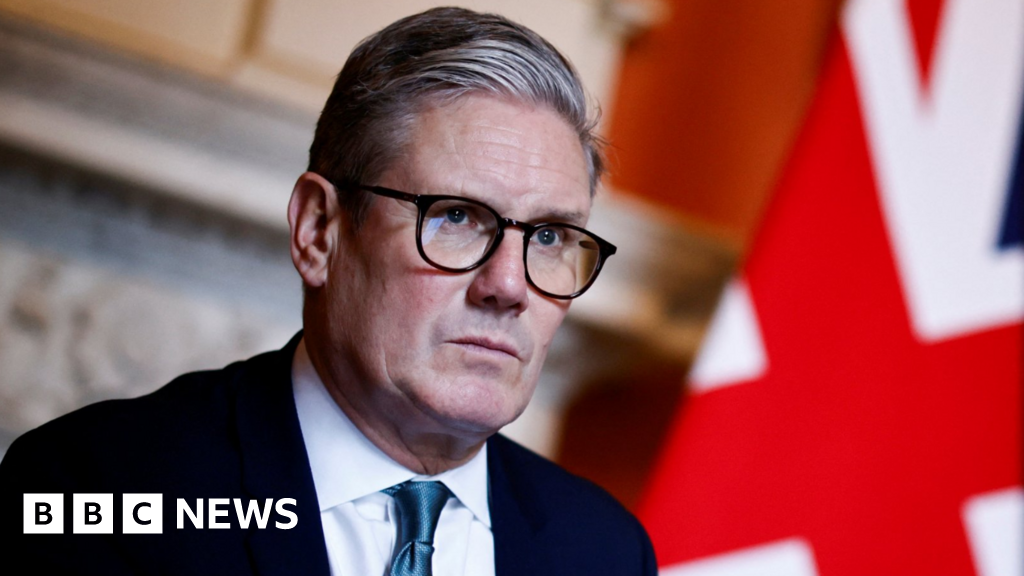
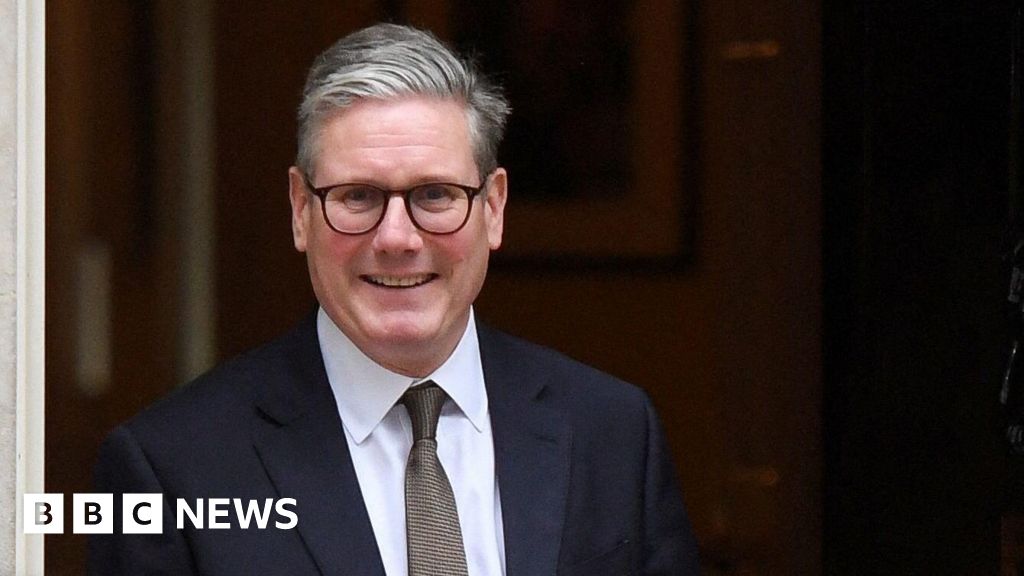
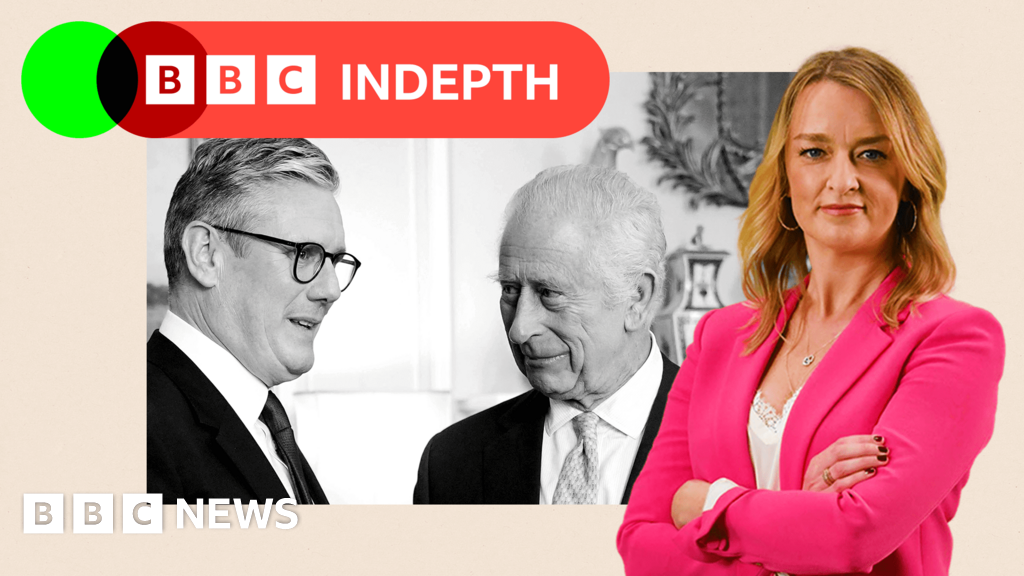
Keir Starmer's new Labour government is leveraging key events like the King's Speech to solidify its position and demonstrate its readiness to govern. With a strong majority, Starmer aims to turn campaign promises into reality, emphasizing energy and urgency while navigating the challenges of implementing a high number of planned new laws.
The new Labour government's first King's Speech, to be delivered by King Charles, is expected to outline around 35 draft laws. Key areas include tackling illegal migration, enhancing workers' rights, establishing a state-owned energy company, banning no-fault evictions, renationalizing railways, and introducing new crime and punishment measures. Other anticipated legislation covers budget rules, mental health care, democracy and devolution, education, online safety, and a "Hillsborough Law" for public servant accountability. Existing bills from the previous government may also be revisited.
The UK government plans to introduce a new law making spiking a specific criminal offence in the upcoming King's Speech, aiming to help police better respond to incidents. This move is part of a broader legislative programme that includes over 35 bills, focusing on economic growth and public safety measures like Martyn's Law for terror attack prevention.
Labour's new government, led by Prime Minister Sir Keir Starmer, is set to outline its legislative agenda in the first King's Speech, focusing on economic growth, energy, workers' rights, and various reforms. The speech will mark the beginning of Labour's efforts to implement its manifesto promises, amidst challenges inherited from the previous Tory government.
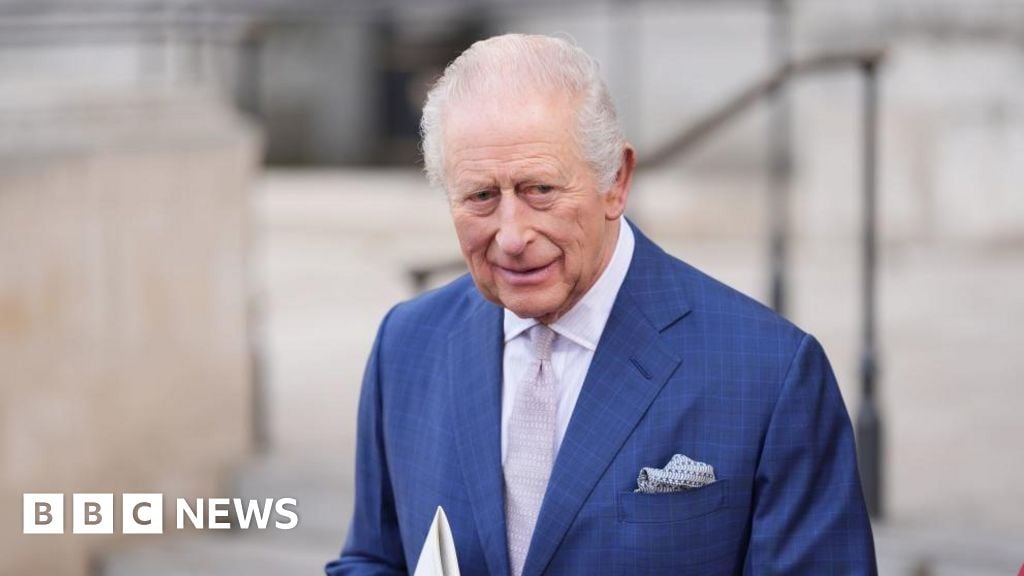
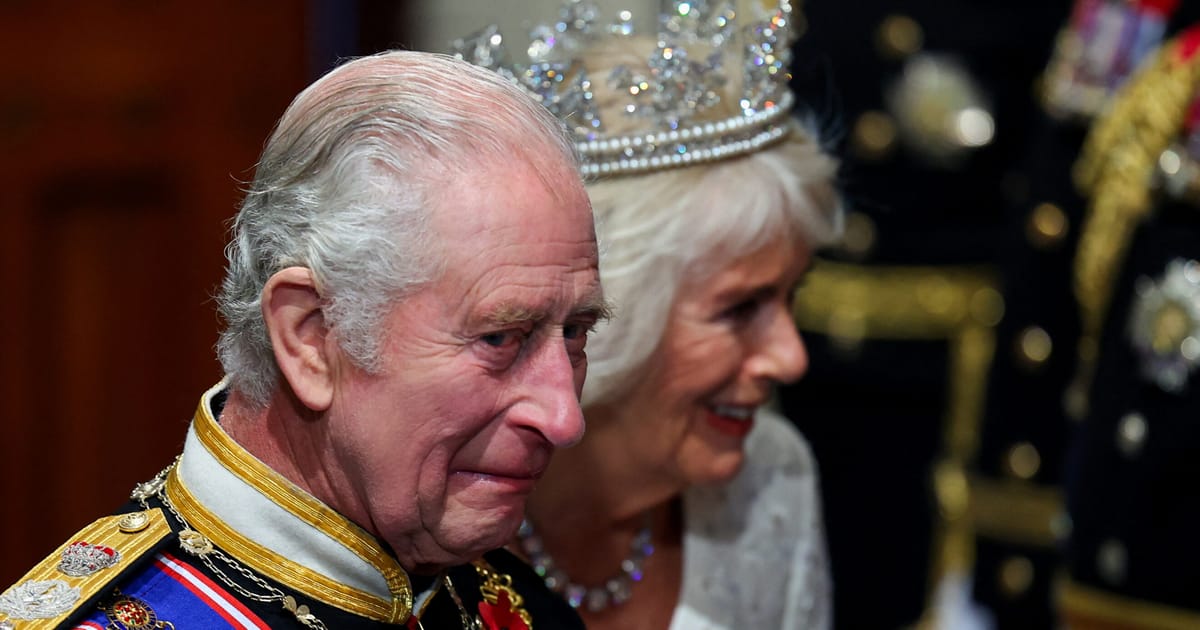
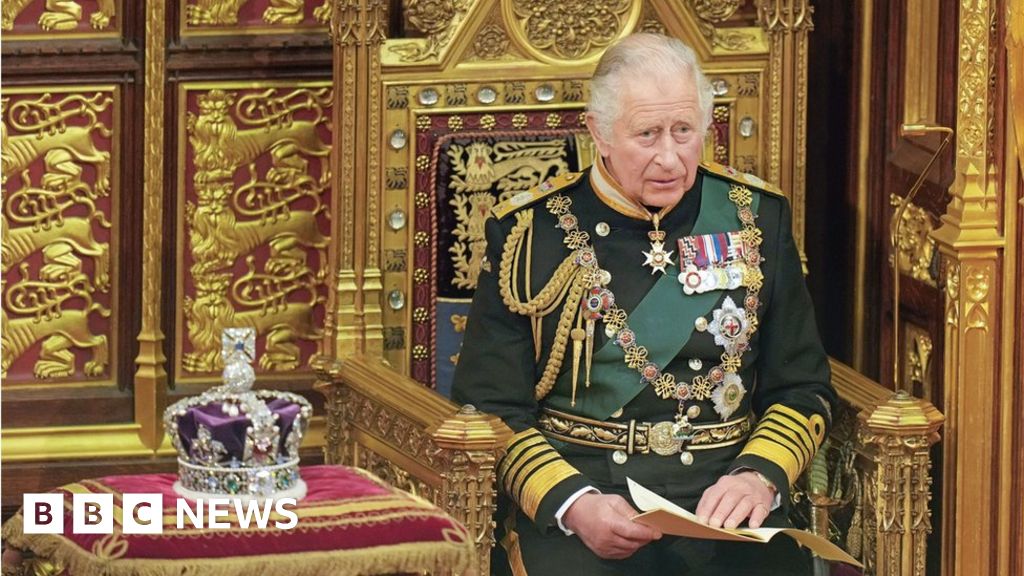
King Charles III delivered his first King's Speech, reading out the government's legislative agenda and incorporating Conservative campaign slogans. Despite his previous stance as an eco-warrior, the monarch had to promote government plans to boost domestic oil and gas exploration. The ceremony included the royal procession and Lord Chancellor Alex Chalk delivering the speech while walking backward without tripping.
Labour leader Keir Starmer accuses Prime Minister Boris Johnson of prioritizing "party first, country second" in his King's Speech, criticizing the government's plans as offering only "sticking plaster solutions" and lacking ambition. Starmer singles out Suella Braverman for denunciation and accuses the Tories of "severing" Britain's future. In response, Chancellor Rishi Sunak attacks Labour's borrowing plans and accuses Starmer of being willing to borrow anything. Sunak highlights the government's focus on more jobs, investment, higher growth, and increased police presence. The debate on the King's Speech continues in the House of Commons.
The King's Speech, delivered by King Charles, will outline the government's plans to toughen sentences for sexual crimes, including life sentences for offenders who commit murders with sexual or sadistic content. The speech will also include measures to force criminals to appear in court and a law to prevent prisoners from marrying. The government hopes that these bills will improve the Conservative Party's electoral prospects ahead of the next general election. Other expected legislation includes changes to the leasehold system, annual licensing for oil and gas projects in the North Sea, and the implementation of policies such as gradually banning smoking and establishing a regulator for English football.