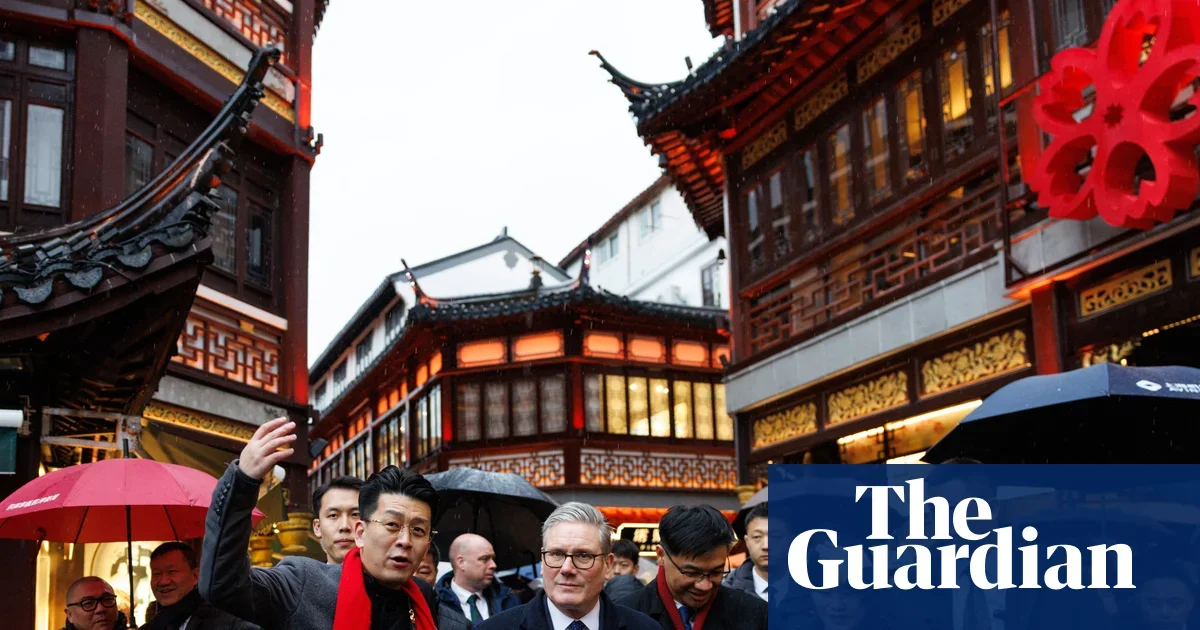
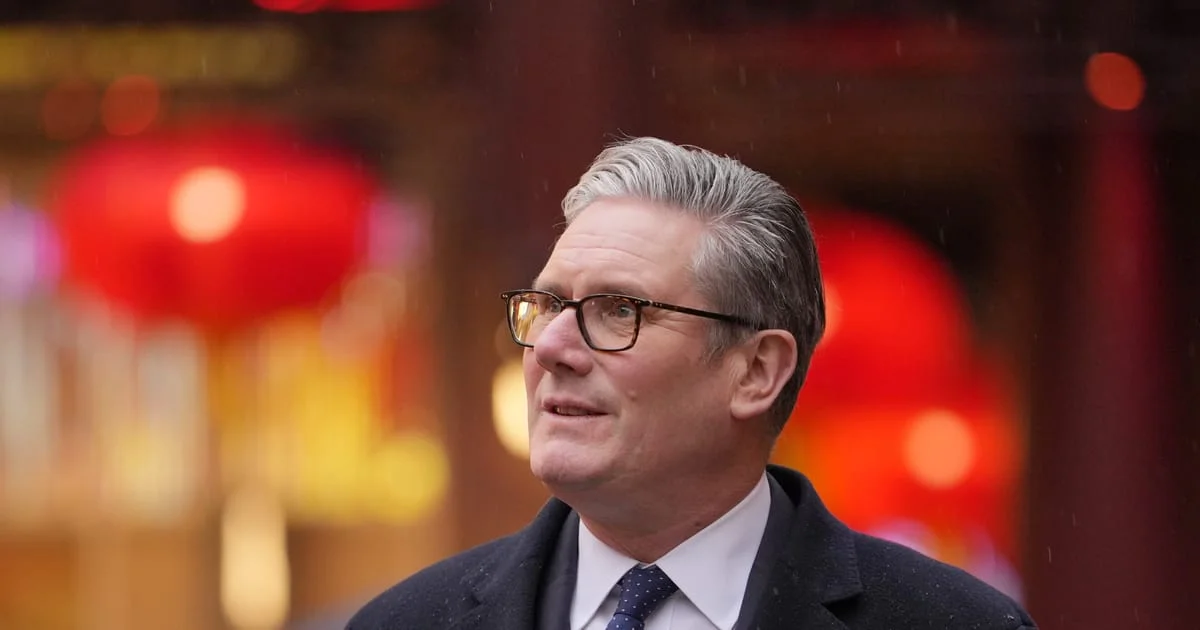
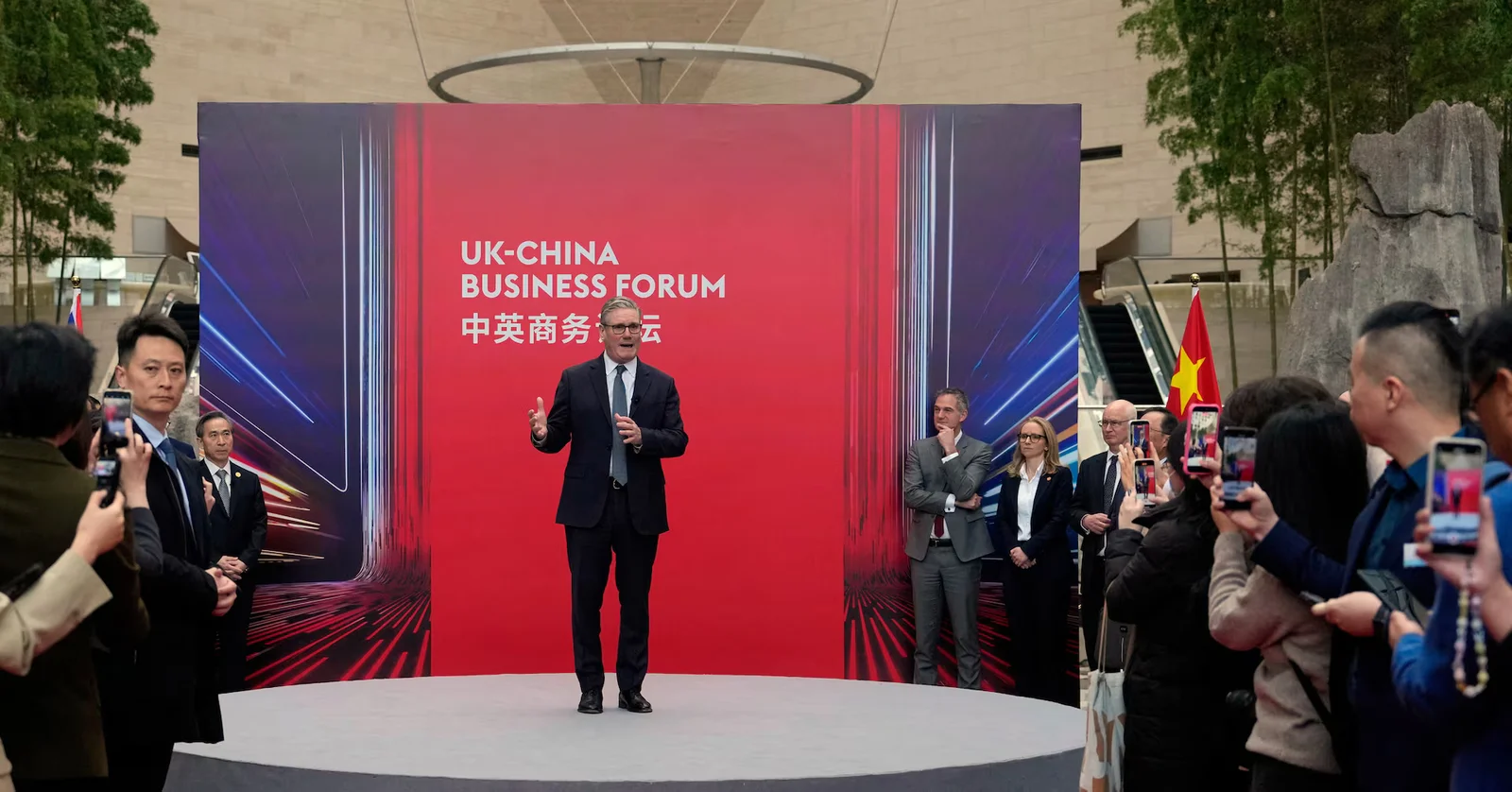
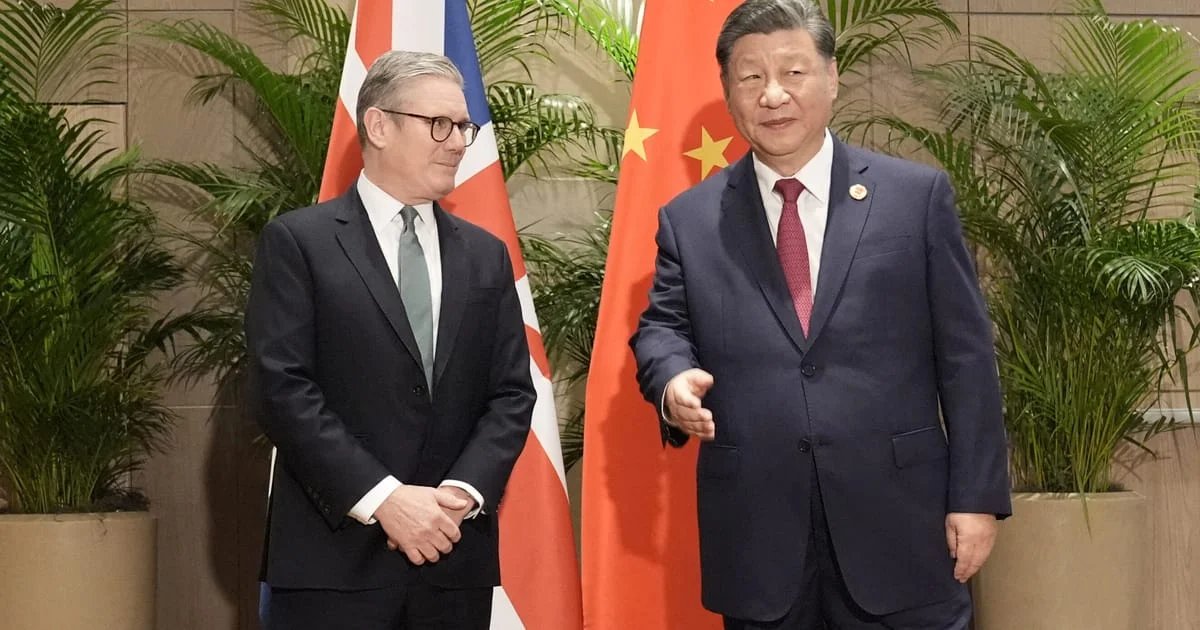
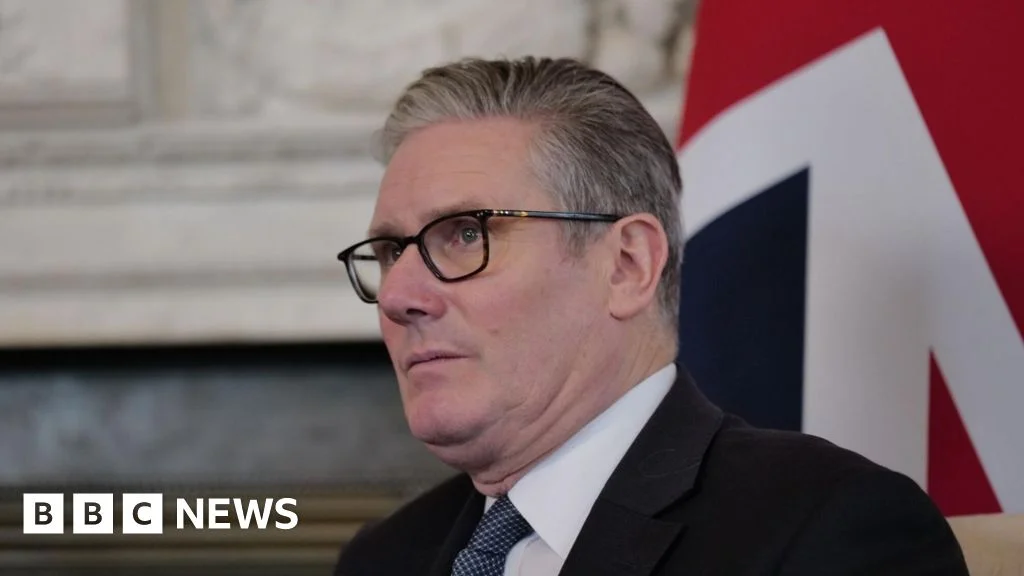
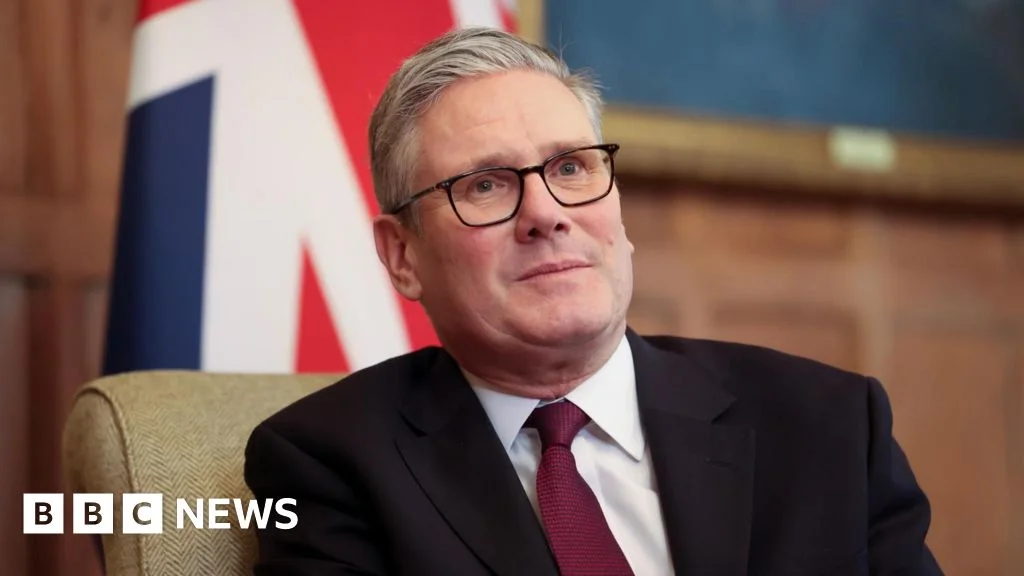
Starmer’s Beijing visit is pitched as the start of a thaw in UK–China relations, yielding a visa waiver, whisky-tariff cuts, and 10 agreements, plus sanctions relief for six MPs; but substantial progress hinges on top-level sign-offs and managing human-rights concerns amid domestic political pressures.
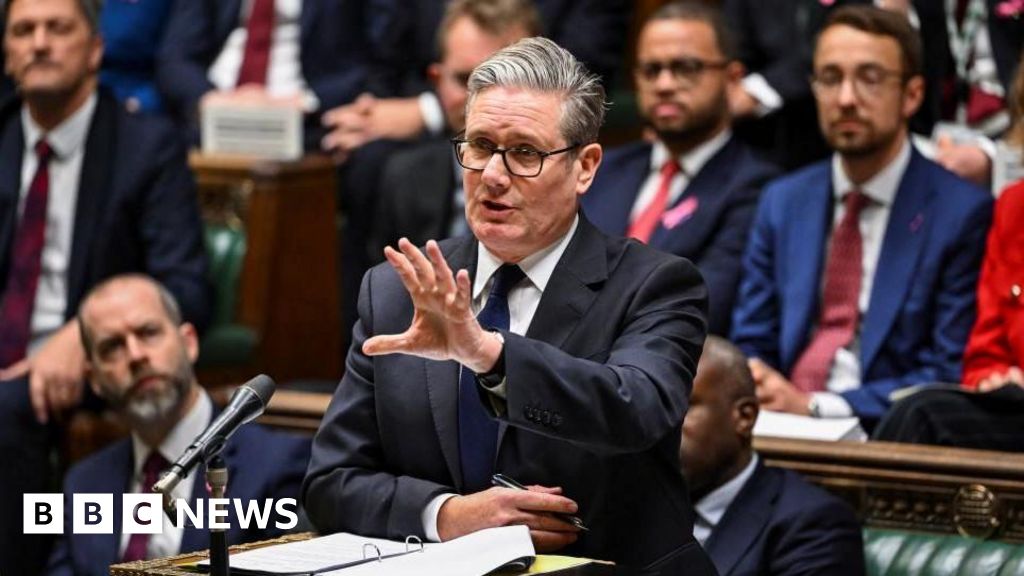
Keir Starmer’s visit to China—the first by a UK prime minister in eight years—frames a move toward a more engaged relationship, with symbolic wins on whisky tariffs and visa-free travel and a plan to push broader dialogue and potential deals. Yet many commitments remain exploratory, and the trip highlights Britain’s balancing act between economic opportunity, security concerns, and human rights issues as it charts a path forward.
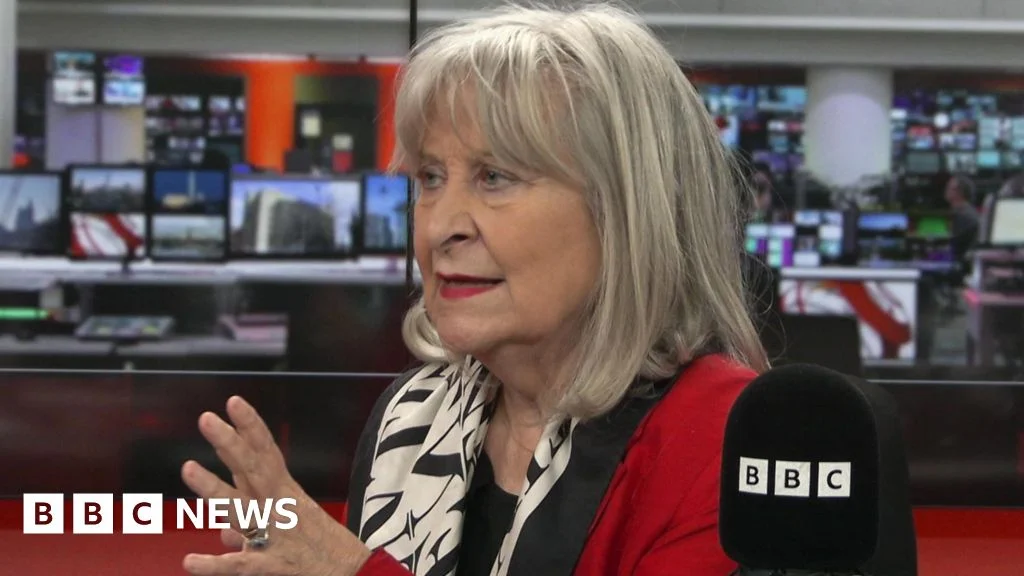
Baroness Helena Kennedy says China lifting sanctions on seven MPs is a 'meagre return' from Sir Keir Starmer's Beijing visit and urges progress on Jimmy Lai's release, while critics argue the move is selective and does not address other detainees or Uyghur abuses.
UK Prime Minister Keir Starmer promotes a more sophisticated UK-China relationship during a Beijing visit, highlighting visa-free travel and lower whisky tariffs as tangible gains, while stressing Britain can engage with China without choosing sides. In Washington, Donald Trump warns Britain against closer ties with Beijing amid broader tariff threats, underscoring a fraught Western stance on China as Starmer seeks steady economic engagement.
Five China experts advise Keir Starmer to avoid public lectures during his China trip, instead privately set and enforce red lines on espionage, interference, and harassment in the UK. They urge Starmer to understand Beijing’s worldview, manage expectations on trade (highlighting that deals can be overstated), and pursue a clear, published UK-China strategy through the China Audit to help businesses assess risks and opportunities while prioritising UK interests and security.
Prime Minister Keir Starmer flies to Beijing for a three-day visit with a large business delegation to reboot UK–China relations, set to meet President Xi Jinping and raise issues like human rights and security, as critics warn of security risks even as the government pursues engagement; the trip will proceed to Tokyo afterward.
UK Labour leader Keir Starmer says the UK will not be forced to choose between the US and China, stressing close ties with the US while engaging with China ahead of a Beijing visit with a business delegation. He argues that ignoring China would be imprudent and says the trip could unlock opportunities for British firms, while indicating he will raise human rights concerns, including Jimmy Lai, in talks.
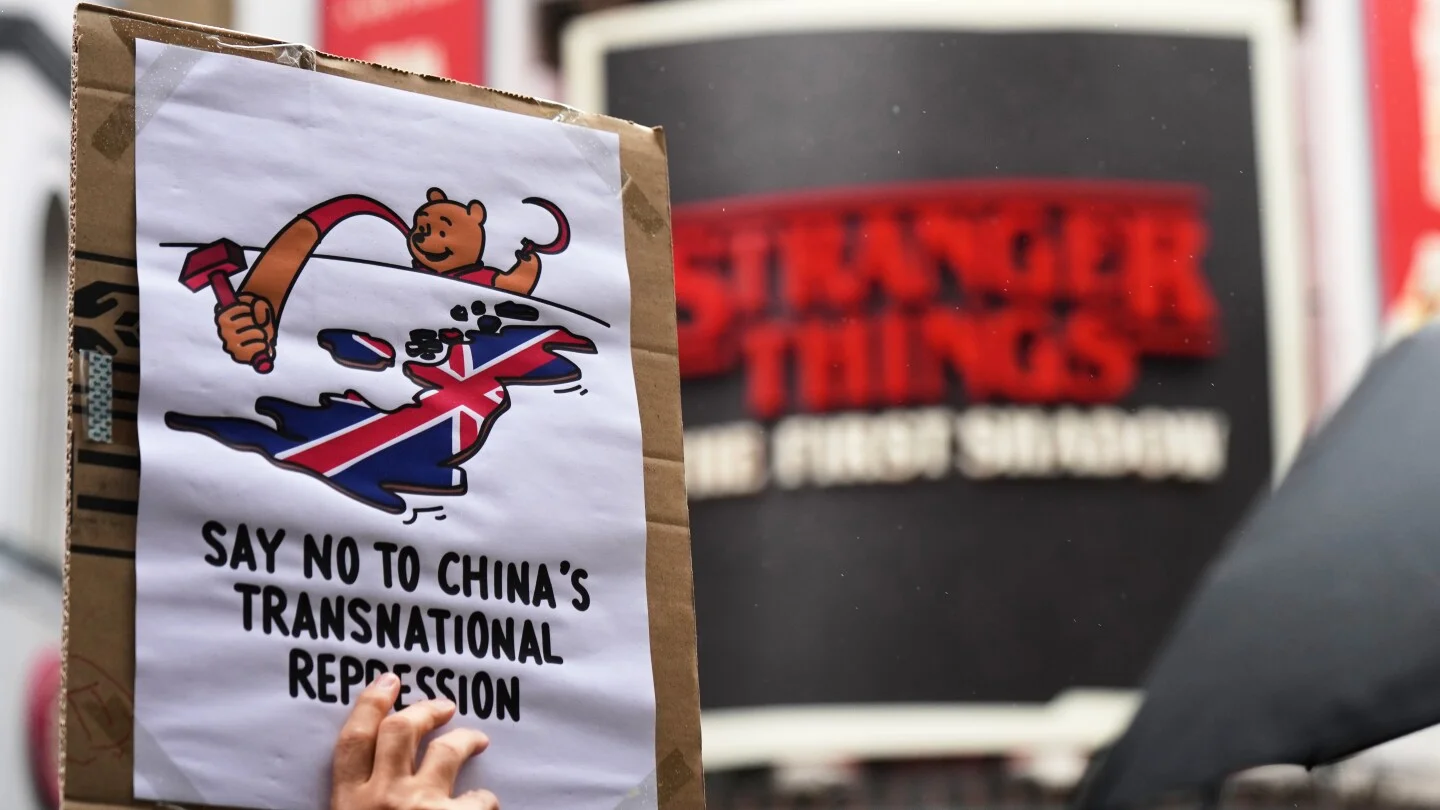
Britain is poised to approve a mega Chinese embassy at Royal Mint Court in London, a 20,000-square-meter complex near critical data cables and close to the financial district, despite years of protests over security risks; if approved, it would be Europe’s largest embassy, triggering opposition from lawmakers and dissidents, amid MI5 warnings of espionage activity and a Jan. 20 decision deadline as Prime Minister Starmer steers diplomacy with Beijing.
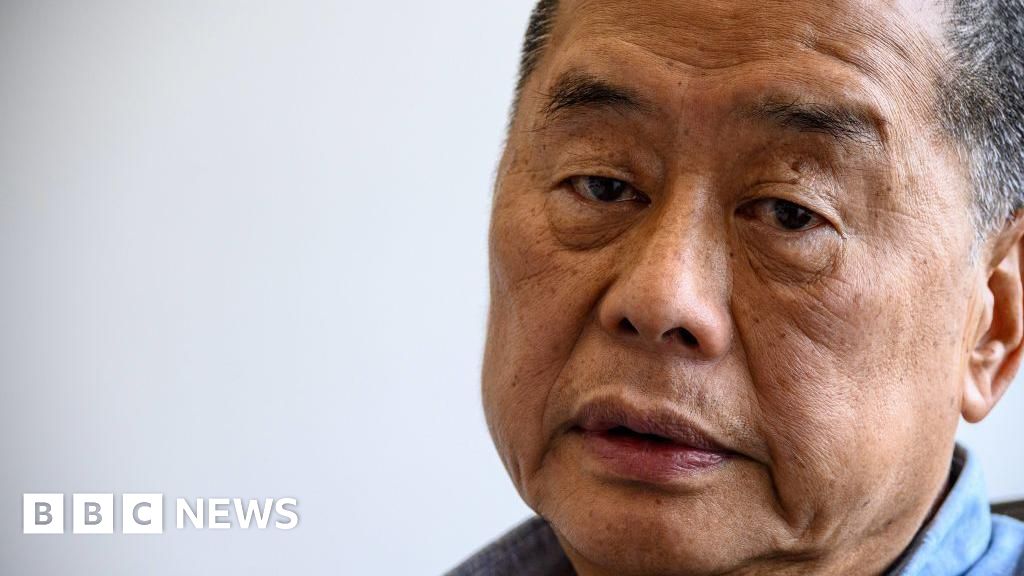
Jimmy Lai, a pro-democracy Hong Kong tycoon, is reportedly suffering severe health issues in prison, including rotting teeth and falling fingernails, raising concerns from his family about his deteriorating condition amid his detention under Hong Kong's national security law. His family and international critics argue that Lai's health is being neglected, while Chinese authorities claim he is in good health. Lai's case has become a focal point in the broader debate over human rights and political repression in Hong Kong, with calls from the UK for his release.
The UK government released detailed witness statements in a controversial China spy case that was dropped, raising questions about the decision-making process, the influence of political parties, and the broader implications for UK-China relations amid ongoing security concerns.
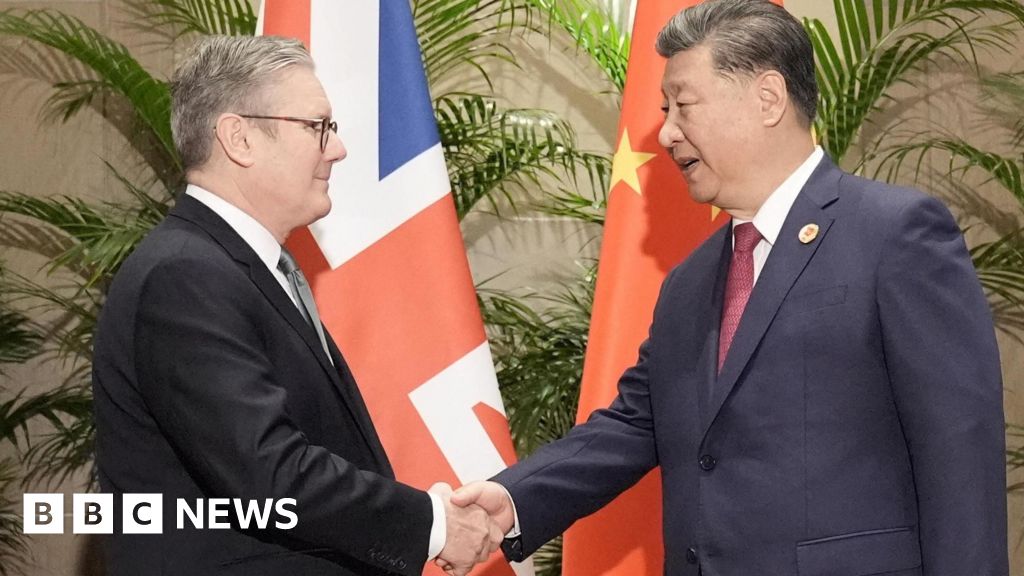
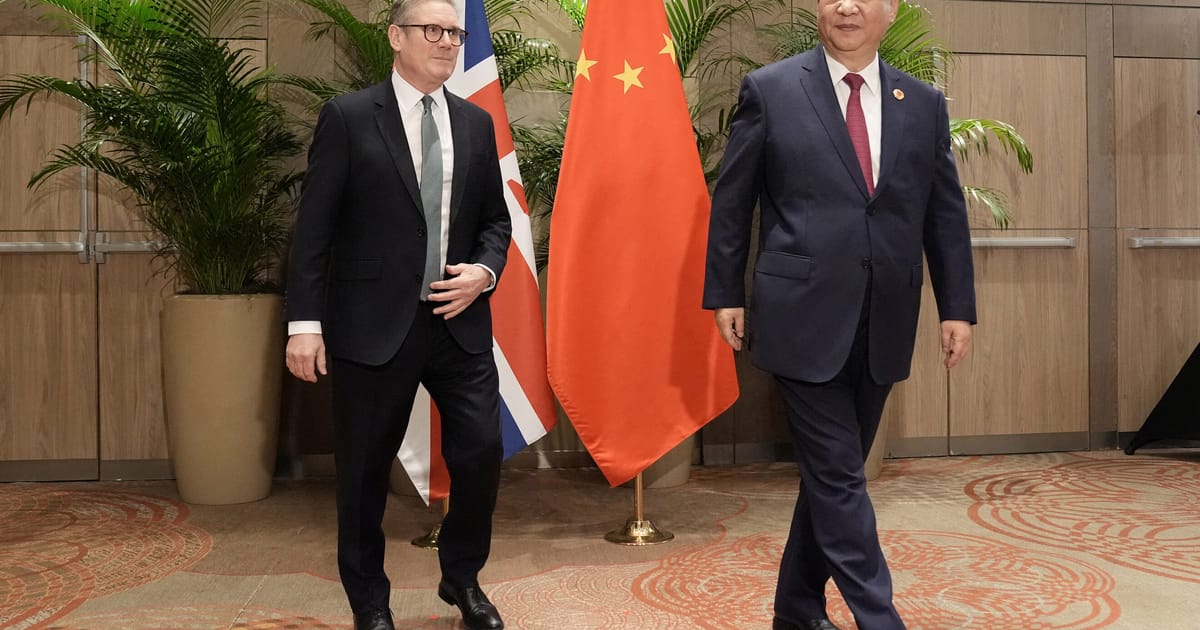
UK Prime Minister Keir Starmer met with Chinese President Xi Jinping at the G20 summit, emphasizing the importance of a strong UK-China relationship. Starmer addressed concerns over the health of detained Hong Kong activist Jimmy Lai and expressed a desire for increased business cooperation, particularly in areas like climate change and economic growth. Despite ongoing tensions over issues such as human rights and China's support for Russia, both leaders agreed on the need for mutual respect and openness. The meeting marks a potential thaw in UK-China relations after a six-year freeze.
British journalists were removed by Chinese officials from a meeting between UK Prime Minister Keir Starmer and Chinese President Xi Jinping at the G20 Summit. The meeting aimed to improve UK-China relations amidst global political tensions, including the impact of Donald Trump's reelection. Center-left governments are looking to Starmer for leadership in this complex international landscape.
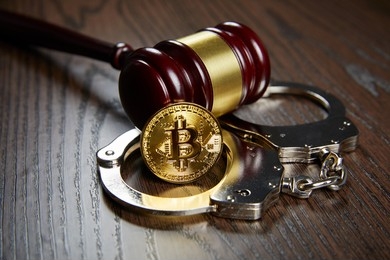
Jian Wen, a British-Chinese woman, has been sentenced to six years and eight months in prison for laundering Bitcoin linked to a £5 billion fraud in China. The Metropolitan Police seized 61,000 Bitcoin worth over £3 billion during a raid on Wen's London mansion. Wen was convicted of laundering funds for her former boss, Yadi Zhang, but was not implicated in the original fraud. The UK and Chinese authorities are collaborating to recover the stolen assets.
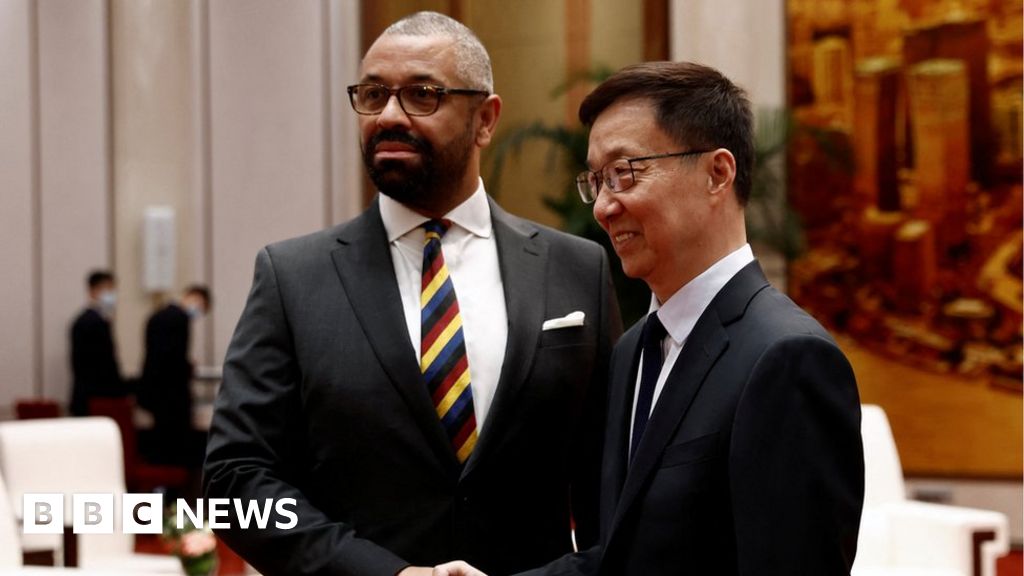
UK Foreign Secretary James Cleverly defended talks with Chinese officials in Beijing, stating that disengaging with China would not be credible. Cleverly's visit, the first by such a senior UK figure in five years, aims to address areas of disagreement and maintain lines of communication. UK-China relations have deteriorated due to concerns over civil liberties in Hong Kong, espionage, and China's support of Russia in Ukraine. Cleverly emphasized that national security takes precedence over economic concerns, but the UK still wants to maintain an economic relationship with China. The visit comes as the Commons Foreign Affairs Committee criticized the government's approach to China, calling for an unclassified version of its China strategy to be published.