Tag

Tunguska Event

All articles tagged with #tunguska event

science-and-space2 years ago

"The Tunguska Event: Unveiling the Threat of Near-Earth Objects"

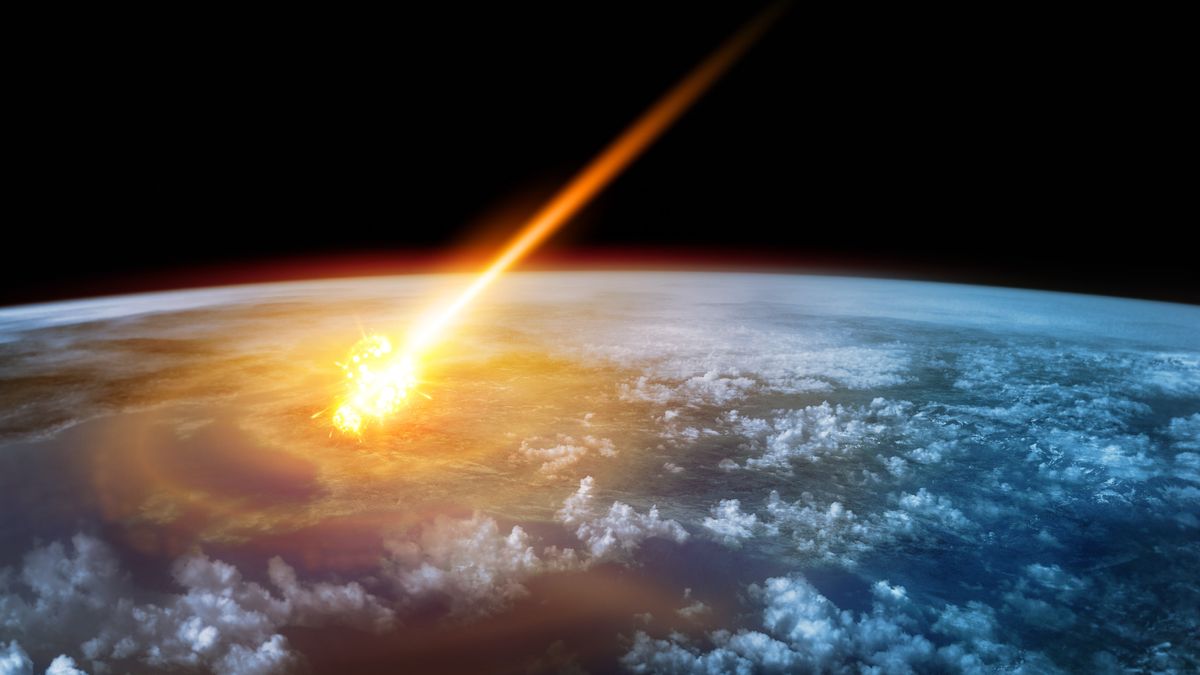
The Tunguska Event, which occurred 115 years ago in Siberia, remains a fascinating and mysterious event. An explosion caused by a celestial body disintegrating over the Podkamennaya Tunguska River flattened 2,150 square kilometers of forest, equivalent to 80 million trees. The impact left no crater but generated a shockwave that shook the planet and registered on airwaves and seismic stations. The leading hypothesis suggests a stony asteroid experienced a meteor airburst, exploding high in the atmosphere. Eyewitness accounts describe the experience of a hot wind blowing, consistent with the observed shockwave.

science-and-technology2 years ago

"Scientists unite to safeguard Earth from asteroid threats on Asteroid Day"

Asteroid Day, recognized by the United Nations and celebrated on June 30, aims to raise awareness about the risks of asteroid impacts. The initiative, led by physicist Stephen Hawking and others, calls for the detection and tracking of Near-Earth Asteroids, a rapid increase in discovery efforts, and global adoption of the event. Various activities and events are being held worldwide to mark the occasion, including discussions, lectures, and live streams.

science2 years ago

Unraveling the Mystery of the Tunguska Event's Disappearance.

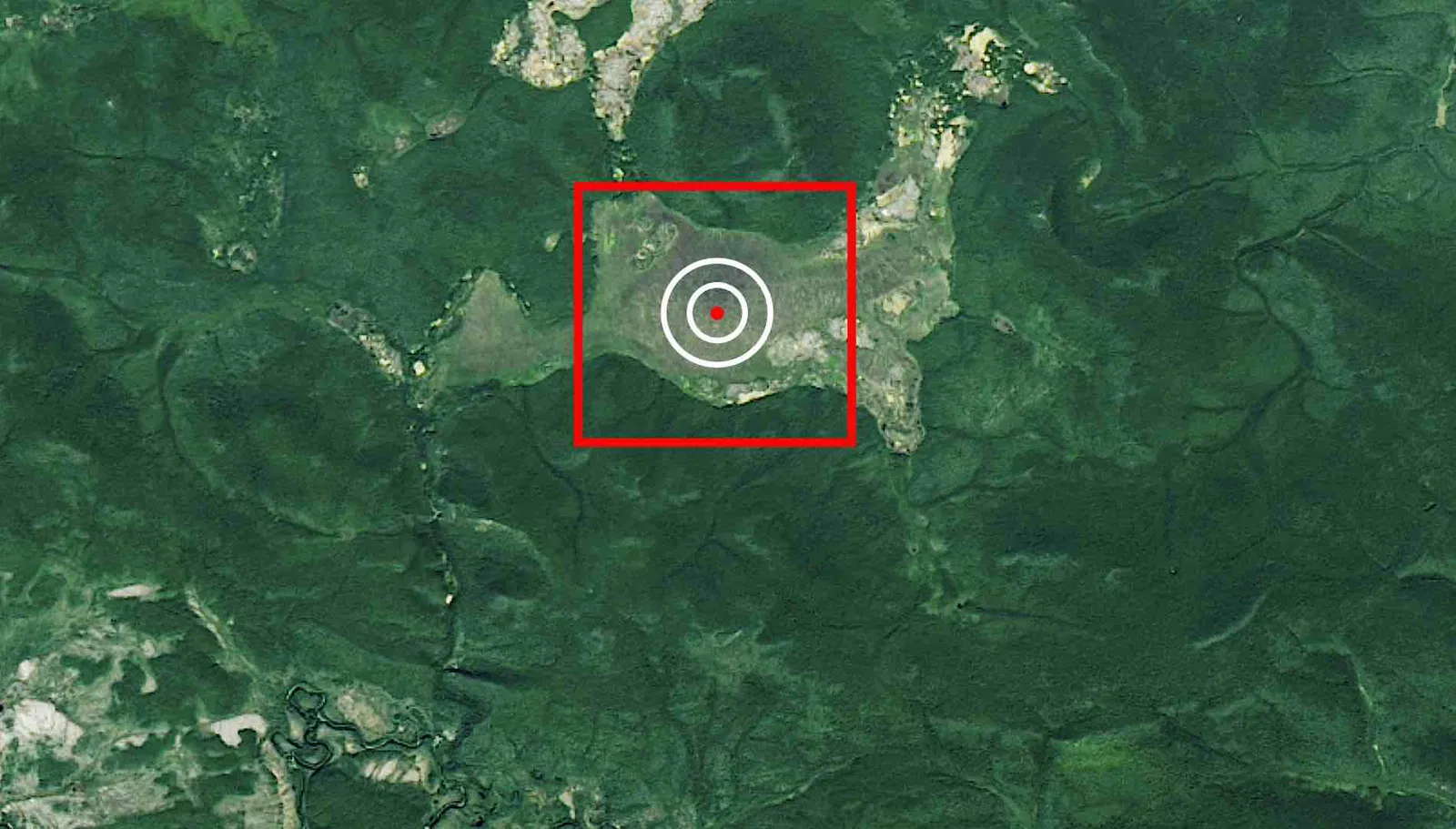
The Tunguska event, the biggest asteroid impact in recorded history, occurred in Siberia in 1908, flattening an estimated 80 million trees over 830 square miles. Despite extensive research, no one has ever found the asteroid fragments or an impact site. While some experts believe Lake Cheko was formed by the asteroid, others refute this idea. One hypothesis suggests the asteroid broke apart and scattered across the landscape, with smaller chunks surviving and hitting Earth over a "strewn field."

science2 years ago

Unraveling the Mystery of the Tunguska Event's Disappearance.

The Tunguska event, the biggest asteroid impact in recorded history, occurred in Siberia in 1908, flattening an estimated 80 million trees over 830 square miles. Despite extensive research, no one has ever found the asteroid fragments or an impact site. While some experts believe Lake Cheko was formed by the asteroid, others refute this theory. A new study suggests that the asteroid may have broken apart and scattered across the landscape, with smaller chunks surviving and hitting Earth over a "strewn field."

science2 years ago

Surviving Asteroid Impacts: Planetary Defense Strategies.

The safety distance from a city killer asteroid, which would destroy a city but not cause mass extinction, depends on the size, speed, and density of the asteroid. The Tunguska event in 1908 flattened 80 million trees over an area of 2,150 square kilometers, and the safe area was probably 10s of kilometers from the epicenter of the impact. The Chelyabinsk event in 2013 released 75 to 60 times less energy than the Tunguska event, and the 1,491 injuries came from shattered windows. If an asteroid is known to be coming toward where you live, it is important to put as much distance between you and it as possible.