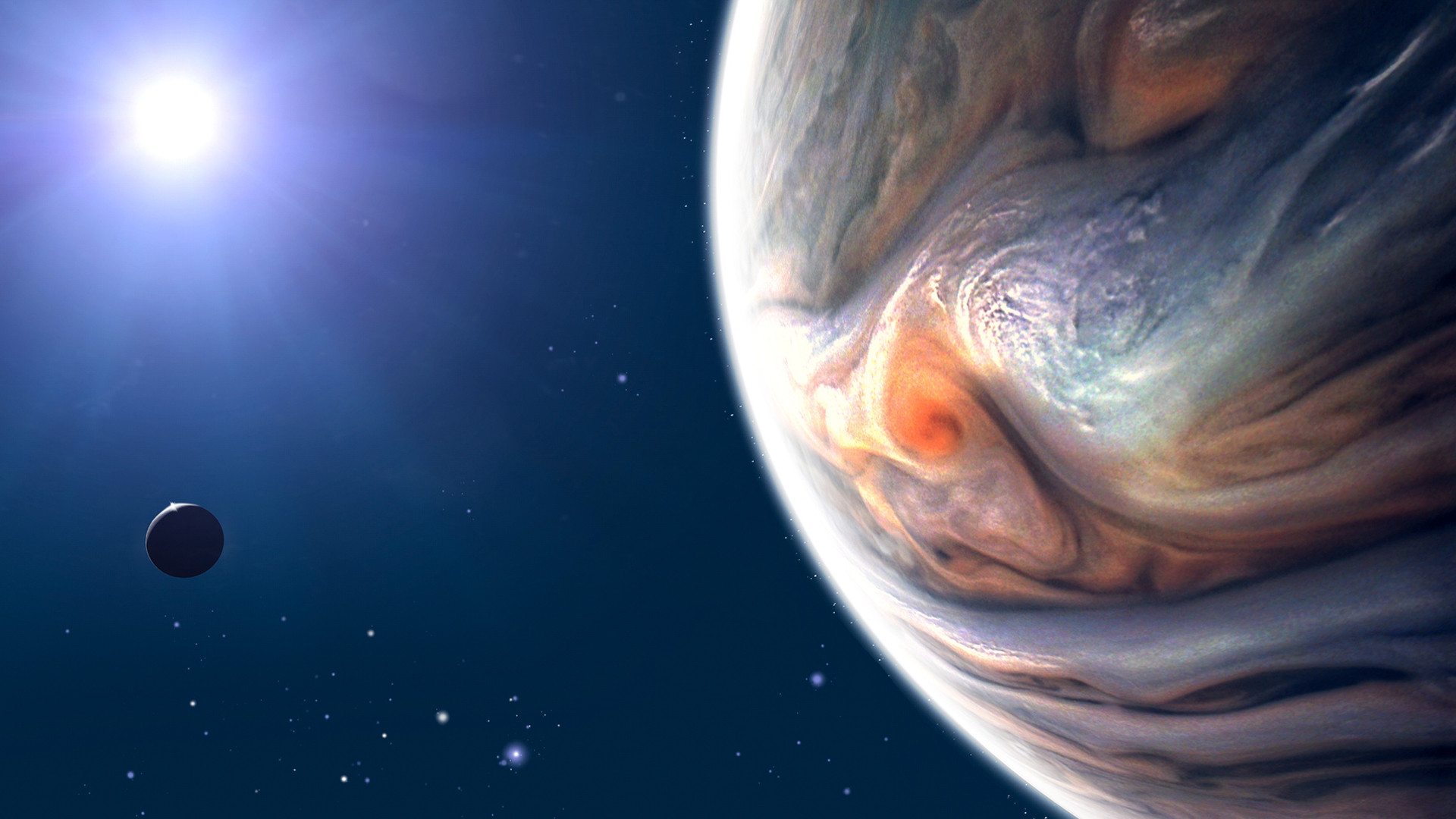
A space rock collided with Jupiter, resulting in a bright flash of light that was captured by Earth-based telescopes. An amateur astronomer also recorded the impact event, which occurred on August 28.
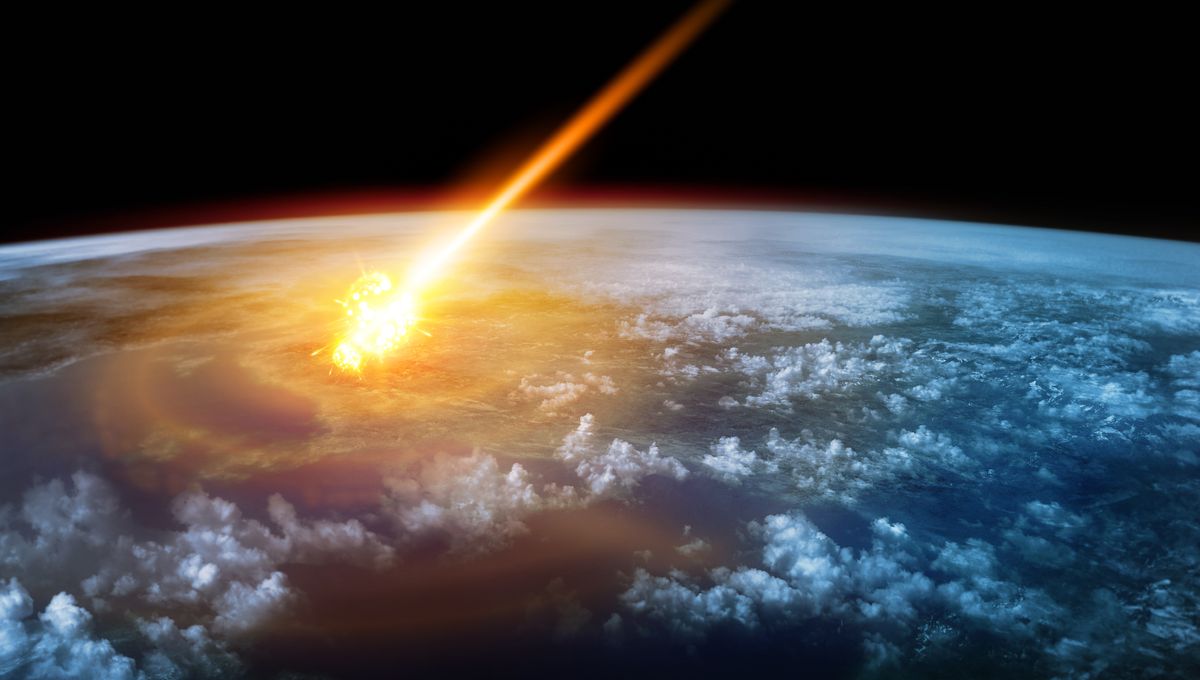
The Tunguska Event, which occurred 115 years ago in Siberia, remains a fascinating and mysterious event. An explosion caused by a celestial body disintegrating over the Podkamennaya Tunguska River flattened 2,150 square kilometers of forest, equivalent to 80 million trees. The impact left no crater but generated a shockwave that shook the planet and registered on airwaves and seismic stations. The leading hypothesis suggests a stony asteroid experienced a meteor airburst, exploding high in the atmosphere. Eyewitness accounts describe the experience of a hot wind blowing, consistent with the observed shockwave.
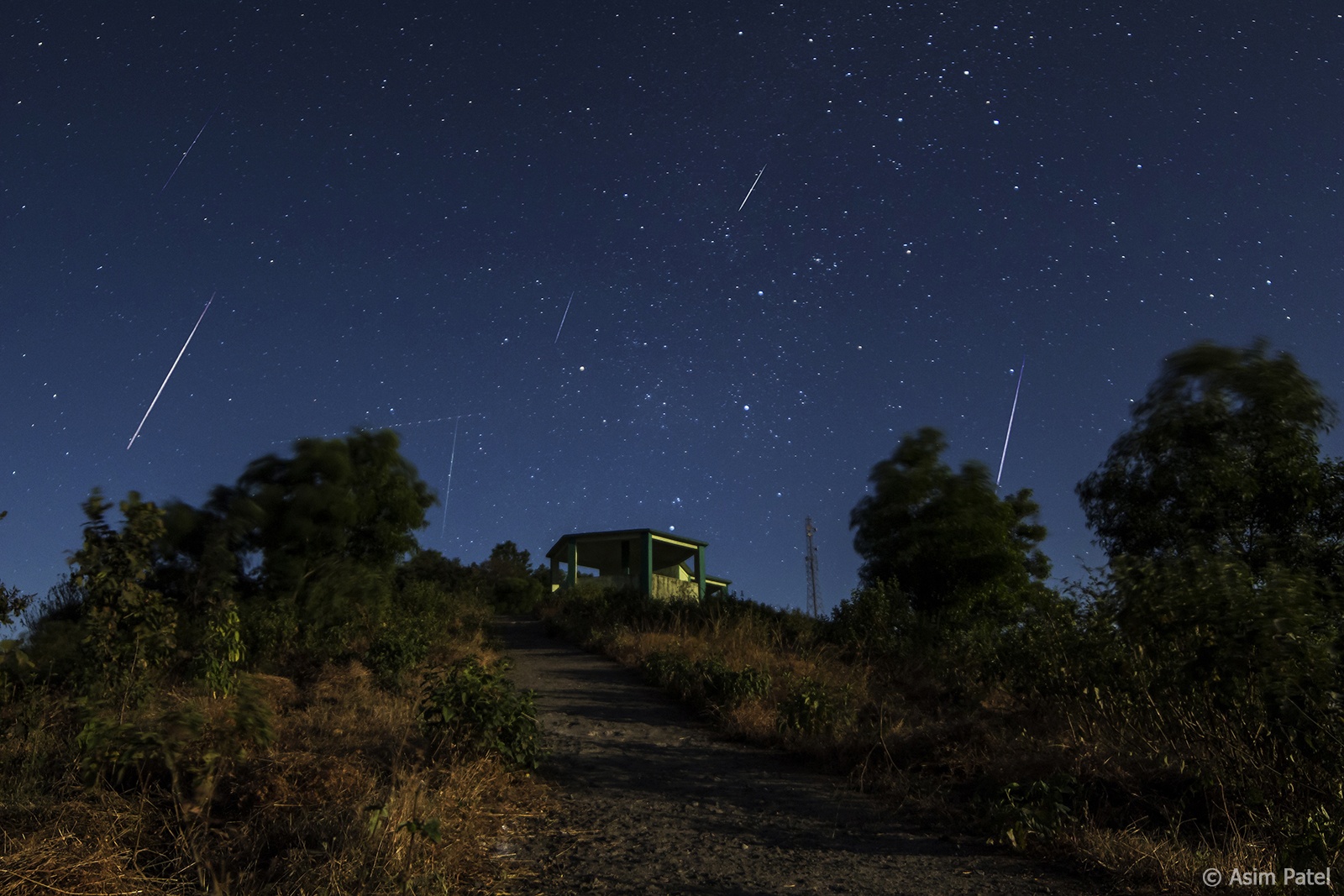
The origin of the Geminid meteor shower, which occurs in December, has been a mystery for a long time. While most meteor showers are caused by comets, the Geminids had no corresponding comet until an asteroid called 3200 Phaethon was discovered in 1983. A new study using data from the Parker Solar Probe suggests that the Geminids were not formed gradually as dust accumulated with each of Phaethon’s orbits, but rather due to an impact event where Phaethon was struck by a smaller asteroid. This violent burst approach explains the strength of the Geminids and addresses one of the problems with the "dusty comet" model.