After two weeks of NFL games, the article ranks the ten 2-0 teams based on how much confidence we should have in their success, highlighting the strengths and weaknesses of each team and noting that not all undefeated records are equally impressive.
Researchers tested AI models' ability to solve and explain 6x6 Sudoku puzzles, revealing that while some AI can solve the puzzles, their explanations are often inaccurate or nonsensical, highlighting challenges in AI trustworthiness and decision-making transparency.
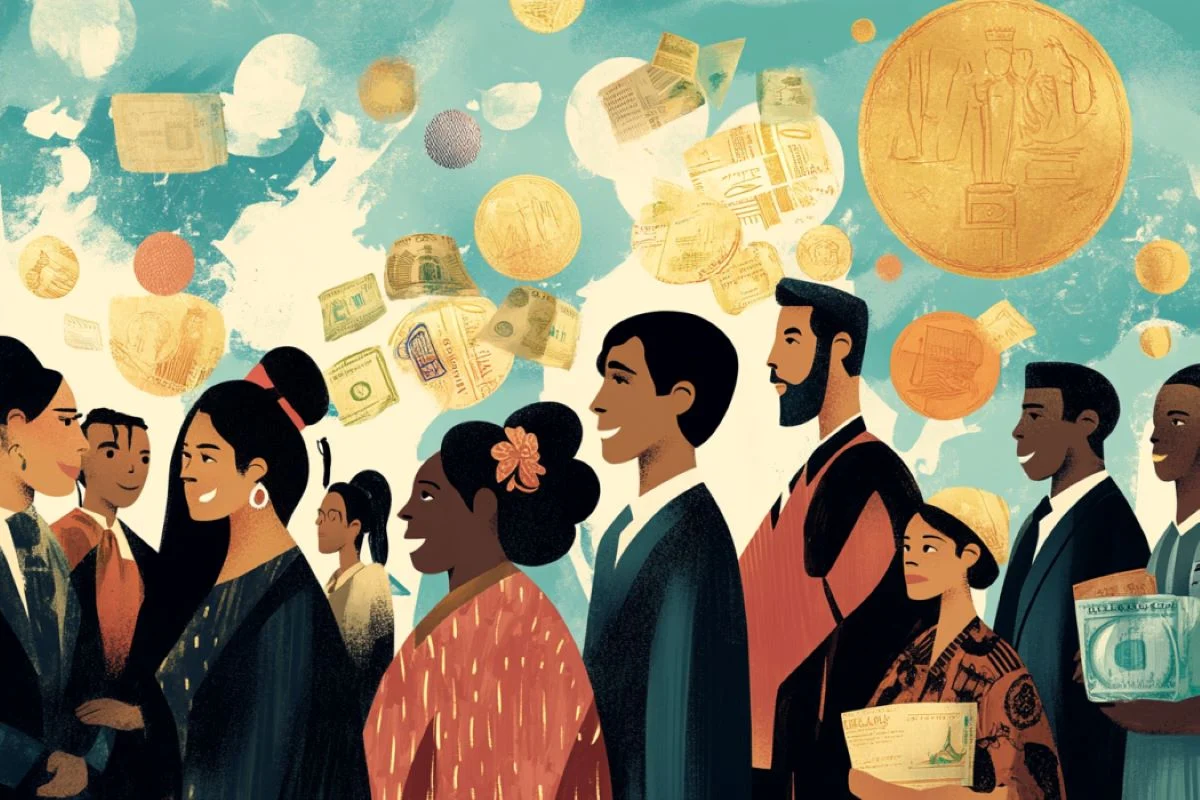
A study published in Social Psychological and Personality Science reveals a universal stereotype across eight countries that associates wealth with trustworthiness, showing that individuals with fewer resources are perceived as less trustworthy. This stereotype persists regardless of the perceiver's own socioeconomic status and highlights the role of socioeconomic background in shaping perceptions, alongside gender and race. The findings suggest that awareness of this bias could help address social trust issues and discrimination linked to socioeconomic status.
Google has updated its Search Quality Evaluator Guidelines, providing insights into how the search engine determines the trustworthiness of webpages and websites. The update includes characteristics of untrustworthy pages, illustrative examples, and emphasizes the importance of trustworthy content. Website owners and SEO professionals should take note of these changes to create high-quality, trustworthy content that aligns with Google's standards.
A Microsoft-affiliated research paper highlights flaws in OpenAI's GPT-4 and GPT-3.5, stating that GPT-4 is more vulnerable to toxic and biased text generation when prompted with "jailbreaking" instructions that bypass safety measures. The researchers found that GPT-4 can be more easily misled and generate biased content, agreeing with biased statements depending on the demographic groups mentioned. Additionally, GPT-4 is more likely to leak private data, including email addresses, compared to other large language models. Microsoft has confirmed that the vulnerabilities identified do not impact current customer-facing services, and the research has been shared with OpenAI.
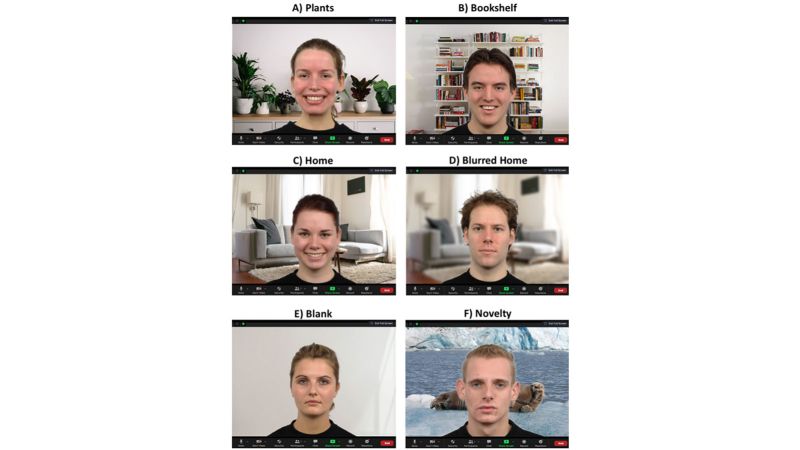
A study conducted by researchers from Durham University in the UK found that the choice of Zoom background can impact how trustworthy and competent a person appears during video meetings. The study used 72 photos of adults with different backgrounds and asked participants to rate their trustworthiness and competence. Backgrounds with plants and bookcases were consistently rated as the most trustworthy and competent, while living room and novelty backgrounds received lower ratings. Smiling also increased perceived trustworthiness and competence. The researchers plan to conduct further research using actual video calls to explore the impact on hiring decisions.
The 2023 release of the Journal Citation Reports (JCR) introduces comprehensive coverage and changes to the Journal Impact Factor (JIF), making it an indicator of both journal impact and trustworthiness. The JCR now includes over 21,500 high-quality academic journals across various disciplines, with an emphasis on transparency and inclusivity. All quality journals in the Arts and Humanities Citation Index and the Emerging Sources Citation Index now receive a JIF, promoting fairness and recognizing the value of open access and niche journals. The JCR also introduces the Journal Citation Indicator (JCI) for cross-disciplinary comparison. These changes aim to reinforce trust, transparency, and accountability in scholarly research.
Customer ratings and online reviews have become unreliable as people tend to give out 5-star ratings too easily, leading to a lack of trustworthiness in the system. This has resulted in businesses resorting to fake reviews and ratings to boost their sales, making it difficult for consumers to make informed decisions.
Taking credit for other people's ideas is the most undesirable trait an employee can have, according to Harvard career expert Heidi K. Gardner. It signals either a lack of trustworthiness or competence, and is unethical and disrespectful to colleagues. Gardner advises being transparent about who contributed to a project to avoid being seen as untrustworthy. Trustworthiness is the most valuable trait in any employee, according to billionaire Warren Buffett. Gardner advocates "smart collaboration" to increase trust, productivity and quality of work.