Mexico's decision to impose tariffs on Chinese and Asian imports marks a significant shift in global trade, aligning with Trump's trade strategy to block China's export surges and reshape the international trading system into a more balanced and fairer order, encouraging other countries like Europe to follow suit.
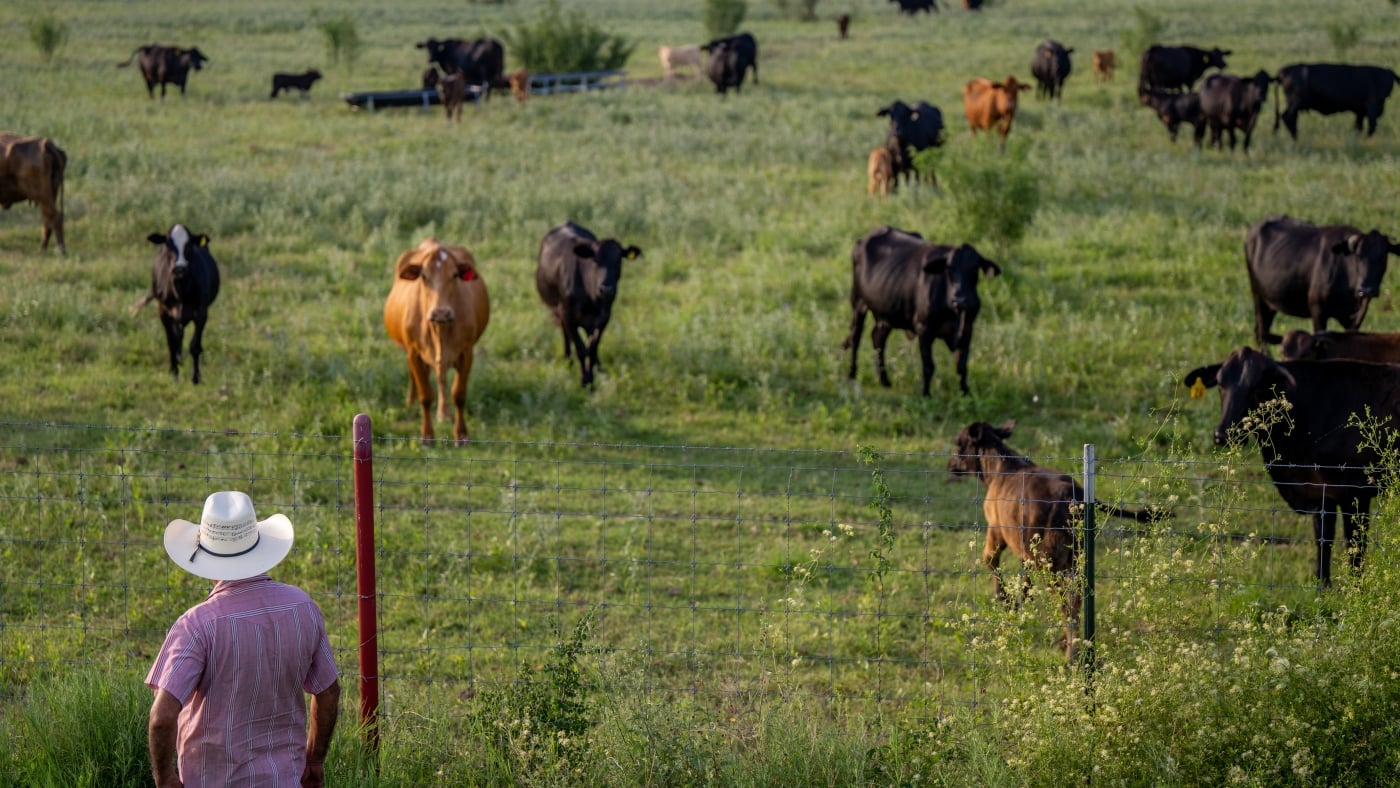
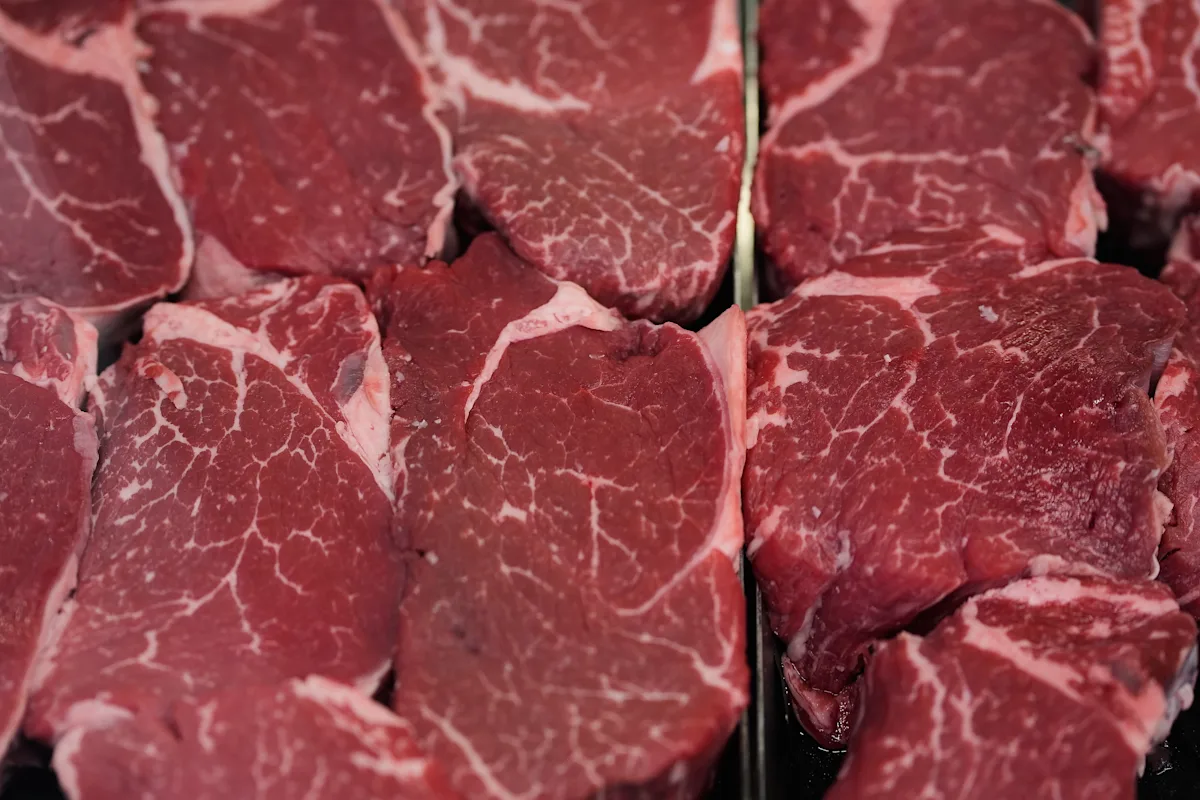
U.S. ranchers are feeling betrayed by President Trump's plan to import more beef from Argentina, which they believe could hurt domestic prices and industry, despite the administration's efforts to support local cattle farmers amid record-high beef prices and low cattle inventories. The move has sparked opposition from agricultural groups and concerns about market control and supply sufficiency.
US ranchers oppose President Trump's plan to import more Argentine beef, citing concerns over their own profitability and skepticism from experts that such imports would significantly lower grocery prices, as Argentine beef accounts for only a small portion of imports and current market factors keep prices high.
US farmers criticize President Trump's consideration of importing more beef from Argentina to lower prices, arguing it threatens their livelihoods and could discourage domestic herd expansion, despite economists doubting its effectiveness in reducing prices.
US Treasury Secretary Scott Bessent denies that Trump's tariffs are a tax on Americans, dismissing concerns from companies and highlighting strong economic indicators, despite court rulings and job losses in manufacturing attributed to the tariffs.
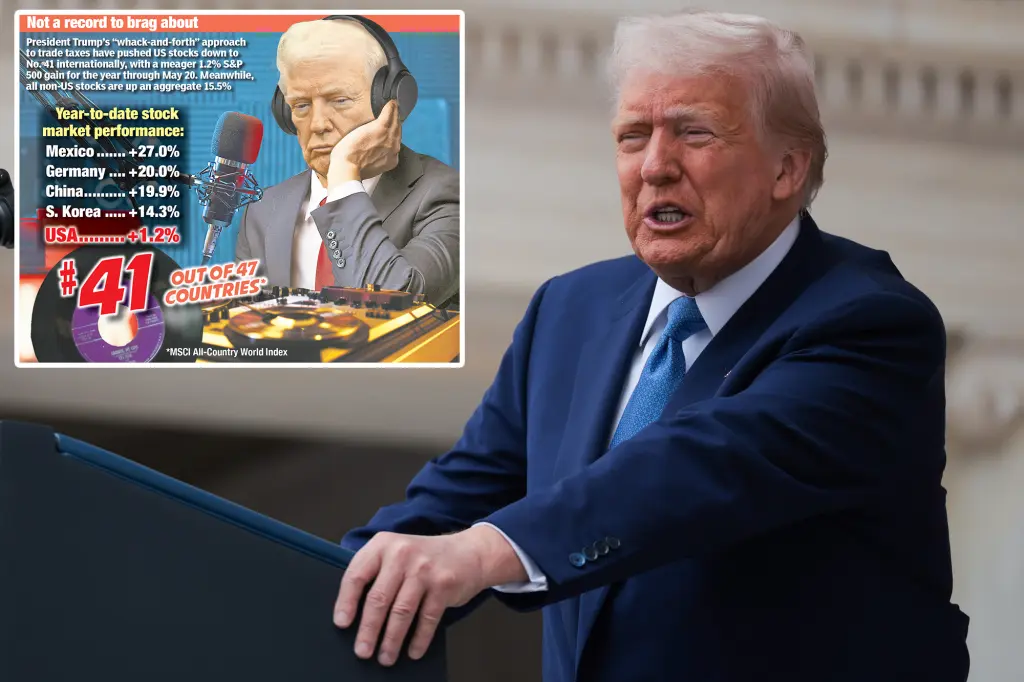
US stocks have fallen out of the Top 40 worldwide in 2025 due to President Trump's inconsistent trade policies and tariffs, which have increased uncertainty and prompted importers to find ways to skirt tariffs, negatively impacting the US market while other countries' markets thrive. Despite potential for future deals, current trade tensions continue to weigh on US equities, suggesting patience and a focus on overseas markets may be wise.